
This lesson establishes the legal foundation for your AM driving licence by defining which vehicles you are permitted to operate. You will learn the technical classifications for mopeds, scooters, and light quadricycles, ensuring you understand your vehicle's limitations and your responsibilities as a rider in Germany.

Lesson content overview
The AM driving licence in Germany is specifically designed for lighter, lower-powered vehicles, making it an accessible entry point into motorised two, three, and even four-wheeled transport. This lesson provides a thorough overview of the legal framework surrounding the AM licence, detailing vehicle classifications, the application process, and the fundamental traffic regulations (StVO) that all AM licence holders must observe. Understanding these rules is crucial not only for legal compliance but also for ensuring your safety and the safety of others on the road.
The AM licence represents the initial step into independent mobility for many young individuals in Germany. It grants the privilege to operate specific categories of light vehicles, but it comes with precise limitations and responsibilities. Mastery of these regulations is fundamental for safe and lawful participation in road traffic.
The AM licence (Fahrerlaubnis Klasse AM) authorises the operation of specific two-wheeled, three-wheeled, and light four-wheeled vehicles within Germany. It is a subcategory of the European driving licence classes, standardised across the European Union, which allows for consistent vehicle classification and licence recognition. This licence is typically the first motor vehicle licence many young drivers obtain, offering a pathway to increased independence.
It is specifically tailored to equip riders with the necessary theoretical knowledge and practical skills for managing vehicles with lower power outputs and restricted speeds, thereby balancing accessibility for younger riders with essential road safety considerations. The regulations are designed to reflect the capabilities of these vehicles and the developing experience levels of their operators.
A significant aspect of the AM licence is its age requirement, which is set lower than for other motor vehicle categories. In Germany, the minimum age for acquiring an AM licence is 15 years. This age aligns with considerations for cognitive development and the acquisition of motor skills necessary for safely operating a vehicle.
To be eligible, candidates must complete specific theoretical training and pass both a theory examination and a practical driving test. These examinations ensure that the applicant possesses a comprehensive understanding of traffic rules, vehicle handling, and road safety principles relevant to AM class vehicles. The licensing procedure is designed to be rigorous enough to prepare individuals for the complexities of real-world traffic scenarios.
The AM licence is not a general licence for all light motor vehicles; it specifically covers vehicles that meet strict technical criteria regarding engine displacement, power output, and maximum design speed. These classifications are critical as they define which vehicles can legally be operated with an AM licence.
Mopeds are a primary type of vehicle covered by the AM licence. These are two-wheeled motor vehicles officially classified as L1e vehicles under European regulations. For an AM licence, a moped must meet the following technical specifications:
Mopeds are popular for short commutes and urban travel due to their fuel efficiency and manoeuvrability. They are often seen as a practical and economical means of transport for younger riders.
The AM licence also extends to three-wheeled motor vehicles, typically referred to as motorised tricycles or certain types of scooters with three wheels, falling under the L2e classification. Similar to mopeds, these vehicles have specific limitations:
These three-wheeled vehicles offer increased stability compared to two-wheelers, which can be an advantage for some riders, particularly in urban environments with frequent stops and starts.
Perhaps less commonly associated with the AM licence but still included are light quadricycles, classified as L6e vehicles. These are four-wheeled motor vehicles that also adhere to stringent criteria:
Light quadricycles offer a more enclosed and stable riding experience, often featuring a small cabin. They are an option for those who prefer the stability of four wheels but still fall within the AM licence category. It is crucial for drivers to understand that the term "quadricycle" here refers specifically to light versions meeting these AM criteria, not larger quadricycles which require different licence classes.
The core principle behind the classification of AM vehicles is to limit their performance characteristics to a level deemed safe and manageable for younger and less experienced riders. The strict adherence to a maximum engine displacement of 50 cc (for combustion engines) and a maximum design speed of 45 km/h is paramount. These limits are not merely guidelines but legally binding technical specifications that define whether a vehicle falls under the AM category.
It is important to note that if a vehicle is technically capable of exceeding 45 km/h, even slightly, it is no longer classified as an AM vehicle and would require a different licence class (e.g., A1, A2, or A) to be legally operated. Modifying an AM vehicle to exceed these limits is illegal and can lead to severe penalties, including driving without a valid licence.
Obtaining an AM licence in Germany involves a structured process designed to ensure that all new riders are adequately prepared for the road. This process includes both theoretical instruction and practical training, culminating in formal examinations.
Before taking the practical test, applicants must complete a mandatory number of theory lessons at an approved driving school. These lessons cover all aspects of the German traffic regulations, the Straßenverkehrs-Ordnung (StVO), with a specific focus on rules relevant to AM vehicles. Topics include traffic signs, priority rules, behaviour in different traffic situations, and the specific responsibilities of a moped or scooter rider.
Upon completion of the theory lessons, candidates must pass a written theory examination. This test assesses their understanding of the StVO and general road safety principles. The examination typically consists of multiple-choice questions, covering a wide range of traffic scenarios and legal provisions.
Once the theory examination is successfully passed, applicants proceed to practical driving lessons. These lessons focus on developing essential vehicle control skills, such as starting, stopping, balancing, cornering, and emergency braking. The training also includes navigating real-world traffic situations under the supervision of a certified instructor.
The practical test requires the candidate to demonstrate proficient vehicle handling, adherence to all traffic rules, and safe decision-making on public roads. This includes performing specific manoeuvres, observing traffic signs and signals, reacting appropriately to other road users, and conducting pre-ride safety checks of the vehicle.
Throughout the application and examination process, several documents are required. These typically include:
Ensuring all documentation is correct and up-to-date is a critical step in avoiding delays in the licence acquisition process.
Operating an AM vehicle requires strict adherence to specific sections of the German Straßenverkehrs-Ordnung (StVO). These regulations are designed to ensure safety, promote visibility, and manage the interaction of AM vehicles with other road users.
One of the most critical safety regulations for AM vehicle riders and their passengers is the mandatory use of an approved protective helmet.
All riders and passengers of mopeds, scooters, and light quadricycles operating under an AM licence must wear an approved, properly fastened protective helmet at all times while the vehicle is in motion.
This rule is strictly enforced to minimise the risk of severe head injuries in the event of a crash. Helmets must comply with current European safety standards (e.g., ECE R 22.05 or ECE R 22.06). While full-face helmets offer the most comprehensive protection, other approved types are also permissible. Beyond helmets, riders are strongly advised to wear appropriate protective clothing, including sturdy jackets, trousers, gloves, and footwear, to protect against abrasions and impacts.
Every AM vehicle must be maintained in a roadworthy condition. This means all critical components must be fully functional. Key aspects include:
Regular checks of these components are not just a legal obligation but a vital part of responsible and safe riding.
Specific speed regulations and road usage restrictions apply to AM vehicles to ensure their safe integration into the traffic flow.
AM vehicles are legally bound by a maximum speed limit of 45 km/h. This limit applies universally on all public roads, even if the general speed limit for a particular road section (e.g., outside built-up areas) is higher. A rider must never exceed 45 km/h, regardless of the vehicle's potential capability or the posted speed limit for faster vehicles. Strict adherence to this limit is crucial for safety, as it significantly impacts stopping distances and the severity of potential collisions.
A critical restriction for AM vehicle riders is the absolute prohibition from using Autobahnen (motorways) and other expressways (Kraftfahrstraßen).
AM vehicles, due to their maximum design speed of 45 km/h, are legally prohibited from using German Autobahnen (motorways) and other roads designated for fast-moving traffic.
Roads like the Autobahn require vehicles to be capable of maintaining a minimum speed of 60 km/h to ensure smooth traffic flow and safety. AM vehicles cannot meet this minimum speed, making their presence on such high-speed roads extremely dangerous for both the AM rider and other road users. Riders must pay close attention to road signs, particularly those indicating the start or end of a motorway, to ensure they remain on appropriate routes.
Visibility is paramount for AM vehicle riders, especially during low-light conditions. The StVO mandates specific lighting requirements:
Failing to use appropriate lighting not only reduces a rider's ability to see the road but also significantly decreases their visibility to other traffic participants, increasing the risk of accidents.
The ability to carry passengers or cargo on an AM vehicle is strictly regulated:
Operating an AM vehicle without a valid AM licence (or a higher licence class that includes AM) is a serious offense under German law. This is considered driving without a licence (Fahren ohne Fahrerlaubnis), which is a criminal offense, not merely an administrative infraction.
Operating any motor vehicle, including those of Class AM, on public roads without possessing the required valid driving licence is a criminal offense in Germany.
The consequences can include substantial fines, penalty points, a ban from obtaining a driving licence for a certain period, and in severe cases, even imprisonment. The vehicle may also be impounded. It is a fundamental principle that only qualified and licensed individuals are permitted to operate motor vehicles on public roads.
Understanding the specific scope of the AM licence also requires clarity on how it differs from other motorcycle licence categories in Germany, namely A1, A2, and the full A licence. These distinctions are based primarily on vehicle power, speed, and engine displacement.
The German licensing system for powered two-wheelers is structured progressively, with each higher category permitting the operation of more powerful and faster vehicles.
The fundamental distinction lies in the technical specifications of the vehicles. An AM licence holder cannot legally operate an A1 motorcycle, even if it looks superficially similar to a moped, because it exceeds the 50 cc and 45 km/h limits.
The progressive licensing system encourages riders to gain experience on less powerful vehicles before moving to higher categories. This structure is intended to enhance safety by matching vehicle performance with rider skill and experience. An AM licence serves as a valuable first step, providing foundational knowledge and practical experience that can be built upon if a rider chooses to pursue an A1, A2, or A licence in the future. Each step up requires additional training and examination specific to the increased power and speed capabilities of the respective vehicle class.
New riders, especially those with an AM licence, can sometimes make common mistakes that lead to violations. Being aware of these pitfalls is crucial for safe and lawful riding.
A frequent error is assuming that an AM licence permits driving any light motorcycle or scooter. This is incorrect. The licence is strictly limited to vehicles meeting the exact AM classification criteria (≤ 50 cc, ≤ 45 km/h, etc.). Attempting to ride a 125 cc scooter or a moped that has been tuned to go faster than 45 km/h with an AM licence constitutes driving without a valid licence.
Correct Behavior: Always verify that the vehicle's technical specifications (engine displacement, maximum design speed) comply with the AM classification before operating it. If unsure, check the vehicle's registration documents.
Even if a specific road has a higher general speed limit, or if the AM vehicle is slightly capable of exceeding 45 km/h, the rider must never go beyond this cap. Unintentional acceleration, especially downhill, can easily lead to this violation.
Correct Behavior: Constantly monitor your speedometer and adjust your speed to remain at or below 45 km/h, regardless of road conditions or posted limits for other vehicles.
Forgetting or choosing not to wear an approved helmet is a serious and dangerous violation.
Correct Behavior: Always wear an approved, properly fastened protective helmet before every ride, even for very short distances. Encourage passengers to do the same.
Riders sometimes mistakenly enter Autobahnen or other fast-traffic roads. AM vehicles are strictly prohibited from these roads due to safety concerns related to their lower speed.
Correct Behavior: Plan your routes to avoid motorways and expressways. Pay close attention to traffic signs, especially those indicating the start of such roads. If you accidentally enter one, exit immediately at the nearest safe opportunity.
Carrying a passenger on a vehicle not designed for two people, or exceeding the vehicle's maximum load limit, creates significant safety risks.
Correct Behavior: Only carry a passenger if your AM vehicle has a designated second seat and footrests. Always adhere to the manufacturer's specified maximum load limit for your vehicle, considering the weight of all occupants and any cargo.
Riding with non-functional lights (especially at night) or faulty brakes is not only illegal but extremely hazardous.
Correct Behavior: Perform a quick safety check before every ride. Ensure all lights are working, brakes respond effectively, and tires are in good condition. Address any faults immediately.
Effective and safe operation of an AM vehicle goes beyond simply knowing the rules; it involves adapting your driving to various conditions and interacting responsibly with other road users.
Weather profoundly impacts riding safety.
The type of road influences how an AM vehicle should be operated.
A pre-ride check is a simple yet critical routine that can prevent breakdowns and accidents. Before starting:
Lights: Check that headlights (dipped and high beam), taillight, brake light, and indicators are all functioning.
Brakes: Test both front and rear brakes for effectiveness and smooth operation.
Tires: Inspect for visible damage, adequate tread depth, and correct pressure.
Fluid Levels: (If applicable) Check oil and brake fluid levels.
Mirrors: Ensure mirrors are clean and correctly adjusted.
Horn: Confirm the horn is working.
AM vehicle riders are themselves relatively vulnerable in traffic and must, in turn, be particularly careful around other vulnerable road users.
Every rule and regulation pertaining to the AM licence is founded on principles of safety and responsible road use. Understanding the rationale behind these rules reinforces their importance.
The 45 km/h speed limit is not arbitrary. It significantly impacts a rider's ability to react to unforeseen hazards and to bring the vehicle to a stop.
The minimum age of 15 years for the AM licence is set to align with developmental stages.
These regulations collectively create a safer environment for AM riders and contribute to the overall safety of German roads. Compliance is not merely about avoiding penalties, but about actively participating in road safety.
This lesson provides the foundational understanding for operating AM vehicles. Subsequent lessons will delve deeper into specific traffic situations, risk management, and advanced vehicle handling techniques within the context of these regulations.
The German AM driving licence authorises operation of mopeds, scooters, and light quadricycles that meet strict technical criteria: maximum 50cc engine displacement (or 4kW electric), maximum design speed of 45 km/h, and maximum unladen mass of 350kg for quadricycles. Riders must be at least 15 years old and demonstrate competency through both theory and practical examinations. Critical restrictions include the absolute prohibition from Autobahnen and mandatory helmet use for all occupants. Understanding these specifications and restrictions is essential for passing the theory exam and ensuring safe, legal operation on German roads.
A short set of high-value points that capture the most important learning from this lesson.
The AM licence covers mopeds (L1e), three-wheeled vehicles (L2e), and light quadricycles (L6e) with engine displacement ≤50cc, power ≤4kW, and maximum design speed ≤45 km/h
The minimum age for an AM licence in Germany is 15 years, and holders must complete both theory and practical examinations
AM vehicles are legally prohibited from German Autobahnen and other expressways due to their inability to maintain the required minimum speed of 60 km/h
Wearing an approved protective helmet is mandatory for both rider and passenger at all times while the vehicle is in motion
The progressive licensing system allows advancement from AM to A1 (125cc/11kW) to A2 (35kW) to full A licence as experience and skills develop
Explore all units and lessons included in this driving theory course.
Technical specifications (≤50cc, ≤4kW, ≤45 km/h) are legally binding limits that define whether a vehicle qualifies as AM class
Both theory and practical tests must be passed, plus first aid course, eye test, and required documentation before receiving the licence
Pre-ride safety checks must include functional brakes, lights, correct tire pressure, and properly adjusted mirrors
Passengers may only be carried if the vehicle is specifically designed and certified for two riders with proper footrests
Dipped beam headlights are mandatory from dusk until dawn and during poor visibility conditions such as rain, fog, or snow
Assuming an AM licence permits driving any small motorcycle or scooter, when in fact only vehicles meeting exact AM classification criteria are permitted
Unintentionally exceeding the 45 km/h speed limit, particularly when riding downhill or with a tailwind
Entering Autobahnen or expressways accidentally due to not recognising motorway entry signs
Carrying passengers on a vehicle not designed for two riders, which creates serious stability and safety risks
Riding with non-functional lights or faulty brakes, especially during low-light conditions when visibility is reduced
Lesson content overview
A short set of high-value points that capture the most important learning from this lesson.
The AM licence covers mopeds (L1e), three-wheeled vehicles (L2e), and light quadricycles (L6e) with engine displacement ≤50cc, power ≤4kW, and maximum design speed ≤45 km/h
The minimum age for an AM licence in Germany is 15 years, and holders must complete both theory and practical examinations
AM vehicles are legally prohibited from German Autobahnen and other expressways due to their inability to maintain the required minimum speed of 60 km/h
Wearing an approved protective helmet is mandatory for both rider and passenger at all times while the vehicle is in motion
The progressive licensing system allows advancement from AM to A1 (125cc/11kW) to A2 (35kW) to full A licence as experience and skills develop
Explore all units and lessons included in this driving theory course.
Technical specifications (≤50cc, ≤4kW, ≤45 km/h) are legally binding limits that define whether a vehicle qualifies as AM class
Both theory and practical tests must be passed, plus first aid course, eye test, and required documentation before receiving the licence
Pre-ride safety checks must include functional brakes, lights, correct tire pressure, and properly adjusted mirrors
Passengers may only be carried if the vehicle is specifically designed and certified for two riders with proper footrests
Dipped beam headlights are mandatory from dusk until dawn and during poor visibility conditions such as rain, fog, or snow
Assuming an AM licence permits driving any small motorcycle or scooter, when in fact only vehicles meeting exact AM classification criteria are permitted
Unintentionally exceeding the 45 km/h speed limit, particularly when riding downhill or with a tailwind
Entering Autobahnen or expressways accidentally due to not recognising motorway entry signs
Carrying passengers on a vehicle not designed for two riders, which creates serious stability and safety risks
Riding with non-functional lights or faulty brakes, especially during low-light conditions when visibility is reduced
Explore search topics learners often look for when studying Licence Scope and Vehicle Regulations for Class AM. These topics reflect common questions about road rules, driving situations, safety guidance, and lesson level theory preparation for learners in Germany.
Browse additional driving theory lessons that cover connected traffic rules, road signs, and common driving situations related to this topic. Improve your understanding of how different rules interact across everyday traffic scenarios.
Understand the specific vehicle classifications, technical limits, and legal requirements for the AM driving licence in Germany. Learn about permitted engine sizes, power output, and weight for mopeds and scooters according to the StVO.

This lesson examines the specific technical characteristics that define AM-class vehicles. It covers the design differences between mopeds, scooters, and light quadricycles, including their brake systems, lighting, and power-to-weight ratios. Understanding these technical aspects is crucial for safe handling and maintenance.

This lesson clarifies the distinctions between AM-class vehicles and motorcycles in higher licence categories (A1, A2, A). It focuses on the specific limits related to engine capacity, maximum speed, and vehicle dimensions that define the AM category. Learners will also understand differences in training requirements and road usage restrictions.
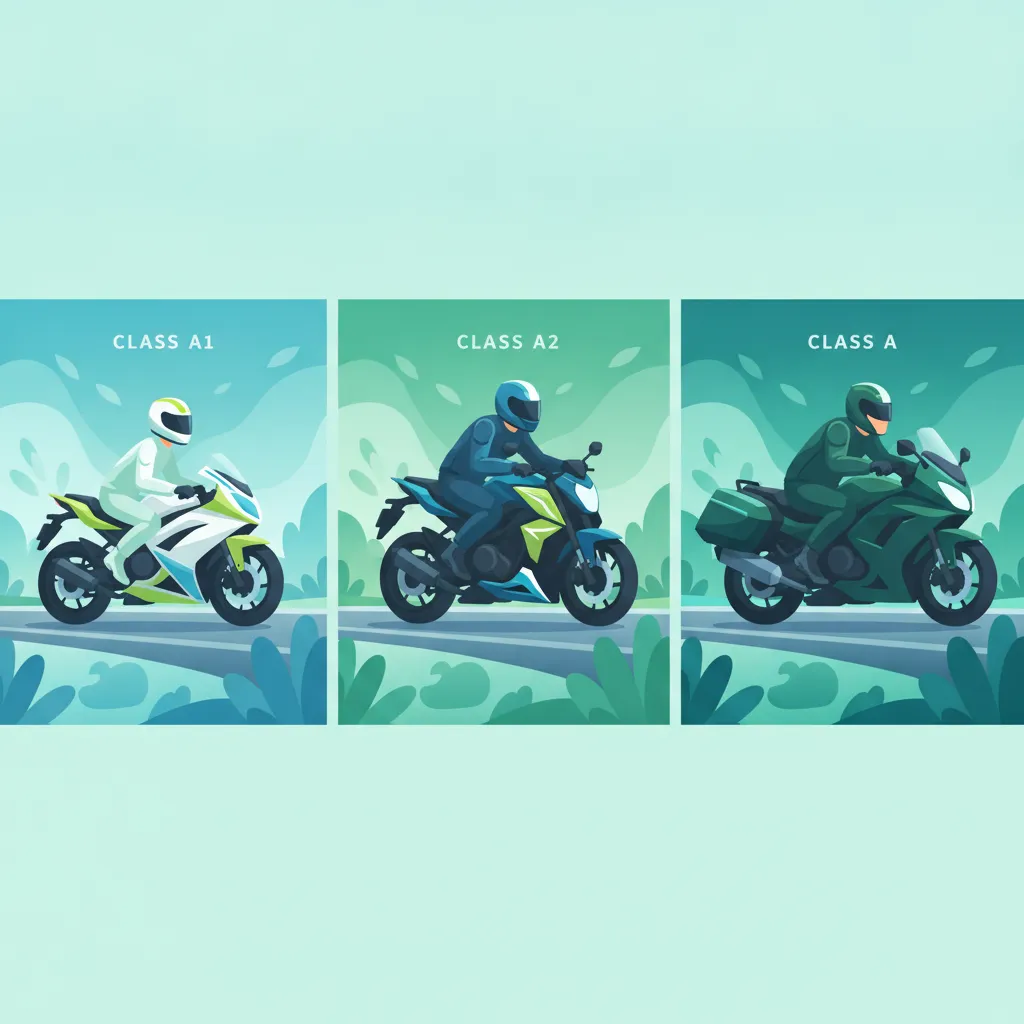
This lesson provides a comprehensive overview of Germany's tiered motorcycle licence system, including classes A1, A2, and A. It explains the specific restrictions on engine displacement, power output, and power-to-weight ratios for each category. The content also outlines the mandatory theoretical and practical examinations that applicants must pass to obtain certification for each licence level.
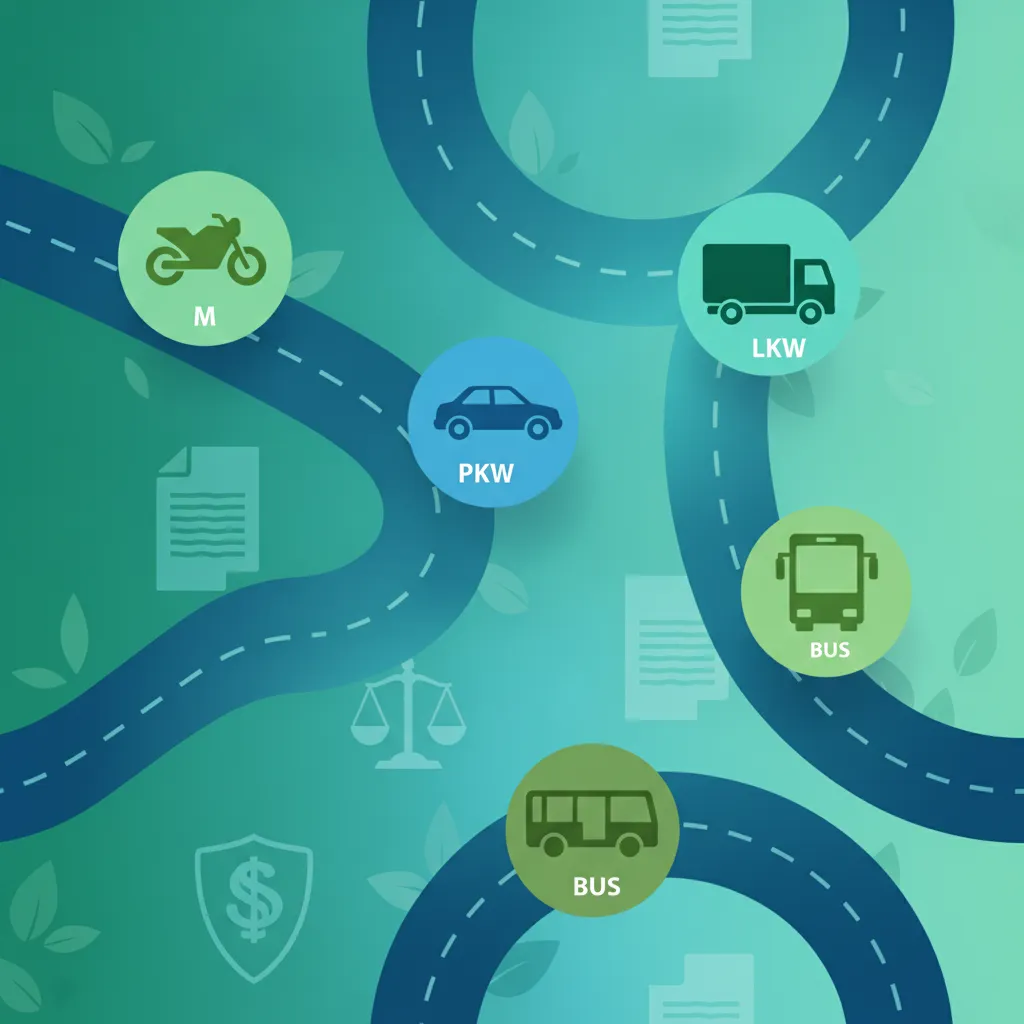
This lesson provides a detailed breakdown of the German licence categories D1, D1E, D, and DE. It explains the legal definitions, including permissible vehicle dimensions, passenger capacity, and rules for operating vehicle combinations. Key regulations from the Straßenverkehrs-Ordnung (StVO) pertaining to passenger transport are examined to provide a solid legal foundation for professional driving.
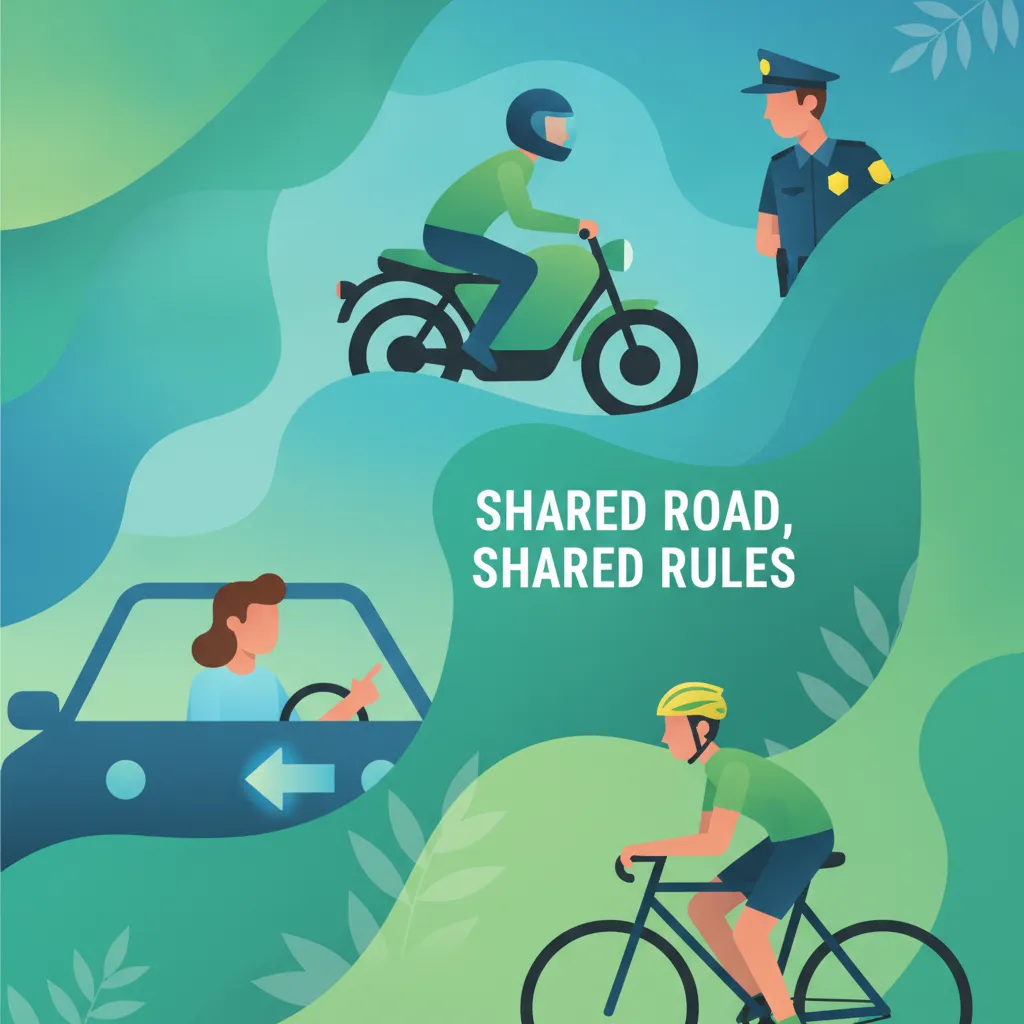
This lesson details the legal obligations every AM licence holder must follow. It emphasizes compliance with the Straßenverkehrs-Ordnung (StVO), including mandatory helmet use and maintaining vehicle roadworthiness. The content covers insurance requirements, accident reporting procedures, and the legal consequences of non-compliance.
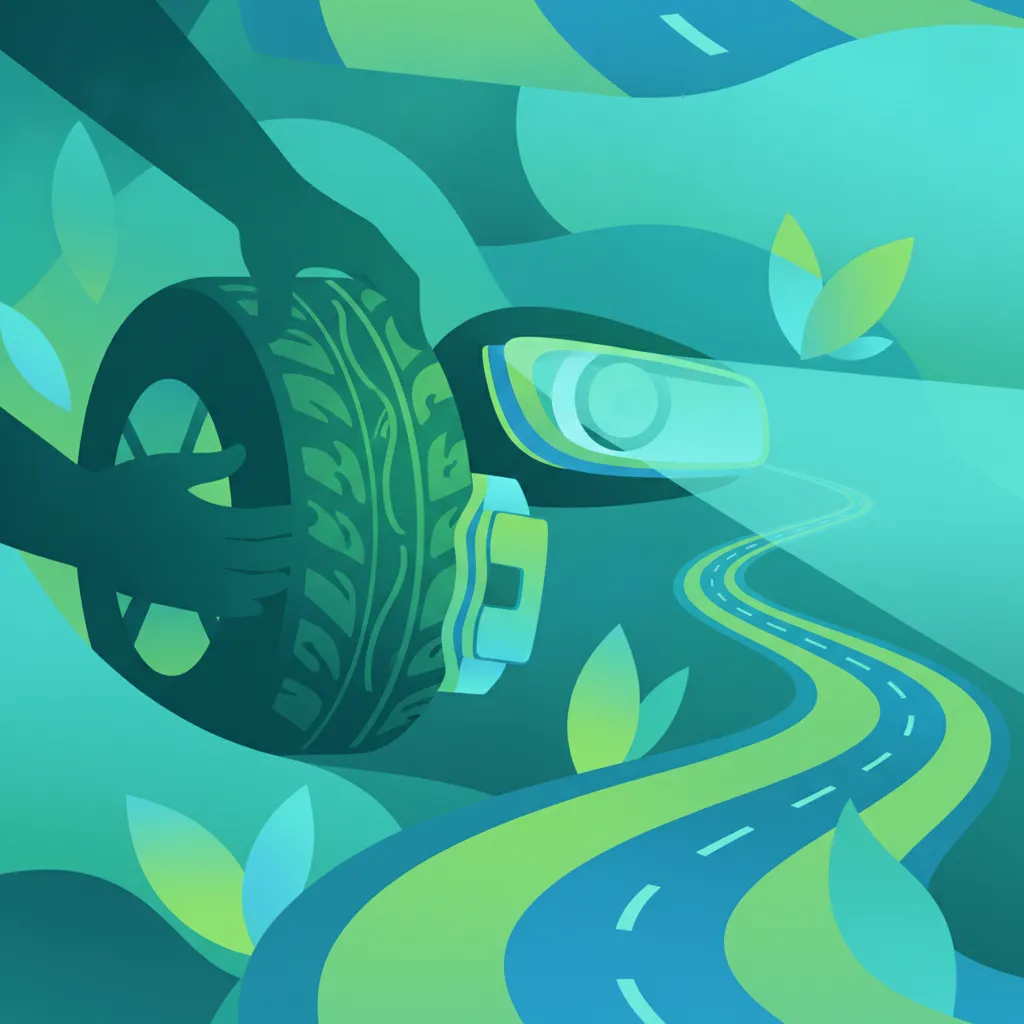
This lesson teaches riders how to conduct a simple but crucial pre-ride inspection of their vehicle. It provides step-by-step guidance on checking tyre pressure and tread depth, verifying brake function, and ensuring all lights are operational. Regular maintenance is presented as a fundamental responsibility for every rider.
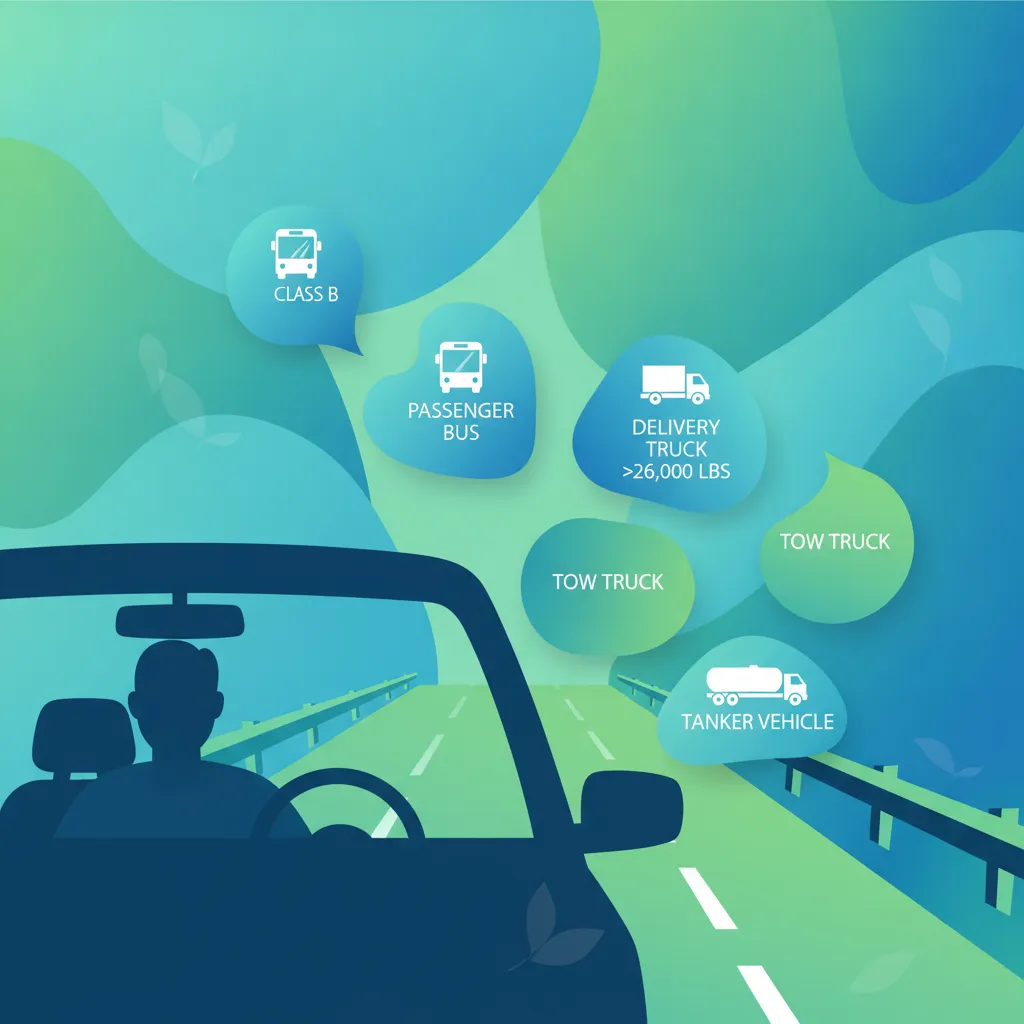
This lesson defines the specific vehicle types covered by the German Category B license, focusing on passenger cars and light commercial vehicles. It details the regulations concerning maximum permissible gross vehicle weight and the legal limits for towing trailers. You will learn to identify which vehicles fall under this category according to German and EU standards to ensure full compliance.
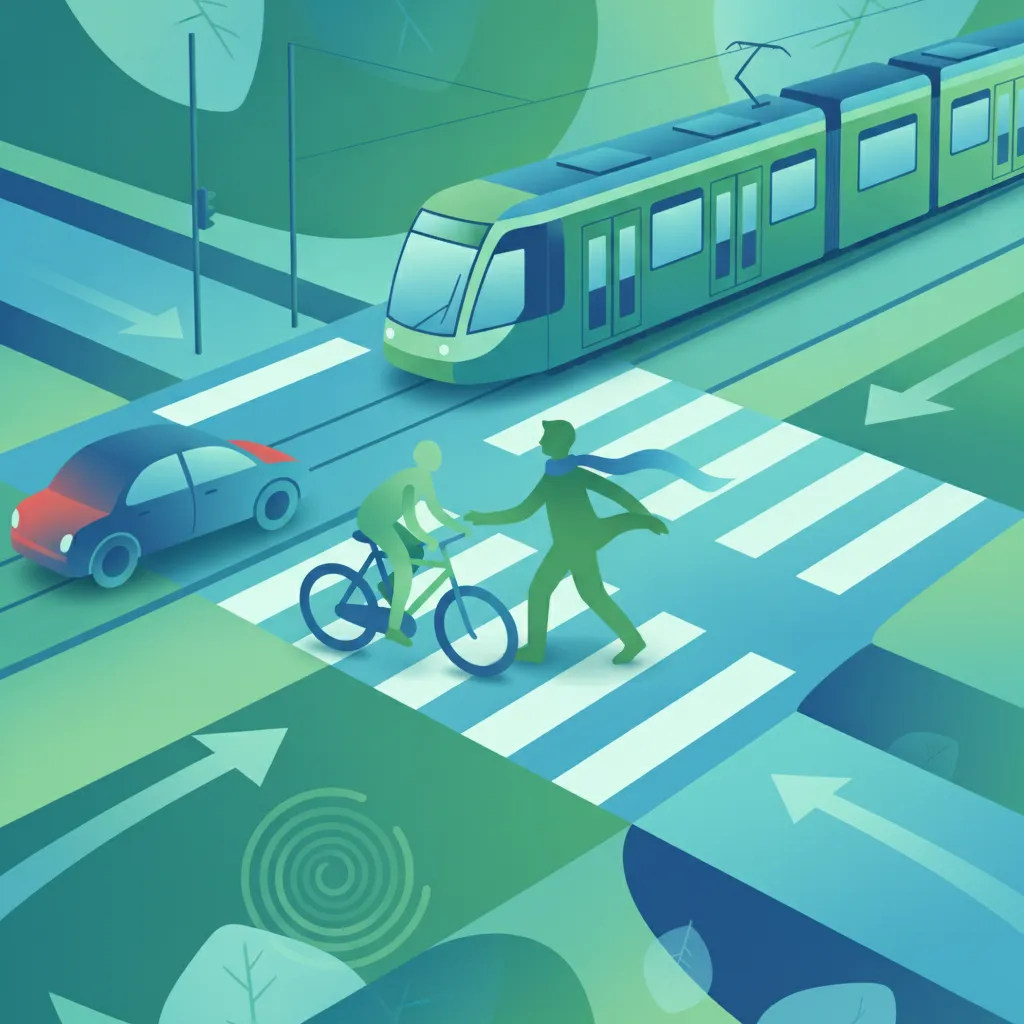
This lesson details the critical right-of-way regulations according to the German StVO. It covers the default 'right before left' rule, the meaning of priority road signs, and specific rules for roundabouts and yielding to pedestrians. A thorough understanding of these priority rules is fundamental for preventing accidents at junctions.
Explore the official age requirements, licensing procedures, and fundamental legal obligations for AM licence holders in Germany. This lesson covers essential StVO regulations impacting new riders of mopeds and scooters.
This lesson details the legal obligations every AM licence holder must follow. It emphasizes compliance with the Straßenverkehrs-Ordnung (StVO), including mandatory helmet use and maintaining vehicle roadworthiness. The content covers insurance requirements, accident reporting procedures, and the legal consequences of non-compliance.

This lesson focuses on the legal duties every motorcycle rider must adhere to under German traffic law. It covers the concept of 'duty of care' towards other road users, mandatory insurance requirements, and the importance of maintaining a roadworthy vehicle. The lesson also details the rules of the probationary period and the potential legal and financial consequences of traffic violations.
This lesson teaches riders how to conduct a simple but crucial pre-ride inspection of their vehicle. It provides step-by-step guidance on checking tyre pressure and tread depth, verifying brake function, and ensuring all lights are operational. Regular maintenance is presented as a fundamental responsibility for every rider.
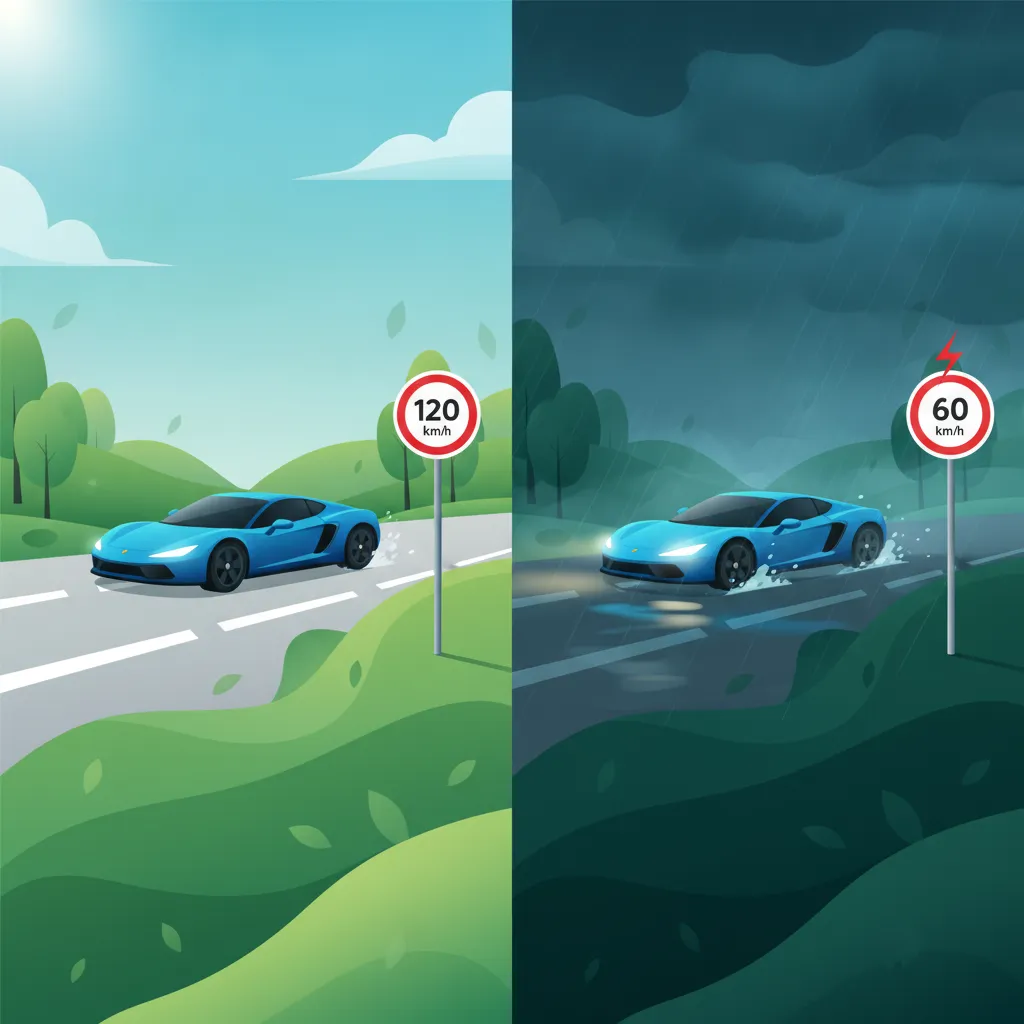
This lesson details the various speed limits applicable in Germany, from urban zones to rural roads. It emphasizes the critical skill of adapting speed to prevailing conditions such as rain, fog, or poor road surfaces. The content explains how external factors significantly impact vehicle handling and stopping distances.
This lesson clarifies the distinctions between AM-class vehicles and motorcycles in higher licence categories (A1, A2, A). It focuses on the specific limits related to engine capacity, maximum speed, and vehicle dimensions that define the AM category. Learners will also understand differences in training requirements and road usage restrictions.
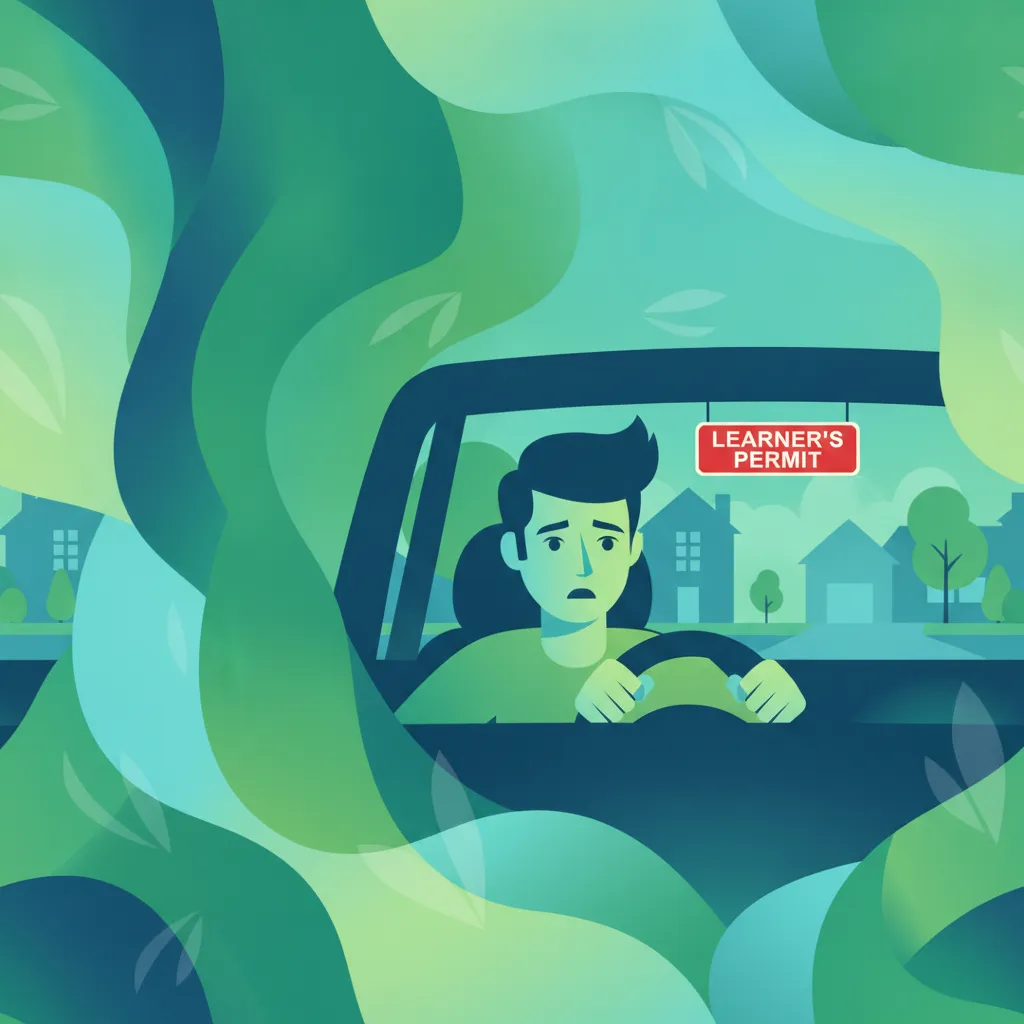
This lesson explains the specific regulations for novice drivers during their mandatory two-year probationary period ('Probezeit'). Key rules include a strict zero-percent alcohol limit. The lesson also describes the system of A- and B-level violations and the consequences of committing offenses during this time, which can include a mandatory advanced seminar ('Aufbauseminar') and an extension of the probationary period.
Find clear answers to common questions learners have about Licence Scope and Vehicle Regulations for Class AM. Learn how the lesson is structured, which driving theory objectives it supports, and how it fits into the overall learning path of units and curriculum progression in Germany. These explanations help you understand key concepts, lesson flow, and exam focused study goals.
Vehicles in the AM category, such as mopeds and scooters, are limited to a maximum design speed of 45 km/h.
No, the AM licence is strictly for specific small-powered vehicles like mopeds, scooters, and light quadricycles. It does not cover motorcycles, which require different licence categories like A1, A2, or A.
If your vehicle exceeds the engine capacity or power limits, it no longer qualifies as an AM class vehicle. Riding such a vehicle without the correct licence category can result in serious legal penalties.
Yes, light quadricycles must meet specific technical standards, including weight and power limitations, to be operated with an AM licence. Always check your vehicle registration documents for these details.
Begin your targeted revision now. Use our practice search to quickly find specific German driving theory questions. Filter by StVO rules, road signs, or hazard perception to create your focused study plan. Master challenging areas and prepare confidently for your theoretical driving test.