
This lesson provides an essential overview of heavy vehicle braking systems, covering how air brakes, service brakes, and retarders function to keep you and others safe. It is a critical part of the vehicle construction unit in your C1 to CE curriculum, building the necessary technical foundation to pass your German theory examination.
Lesson content overview
Operating heavy vehicles, such as trucks and buses, demands a profound understanding of their complex braking systems. Unlike passenger cars, these vehicles rely on multiple, interconnected mechanisms to ensure safe and efficient deceleration, especially given their significant mass and kinetic energy. This lesson delves into the various braking systems used in heavy vehicles, exploring their functional principles, critical safety features, and the importance of their correct application.
For professional drivers seeking a German heavy vehicle driving license in categories C1, C1E, C, and CE, mastering these systems is not merely a theoretical exercise but a fundamental aspect of road safety, vehicle maintenance, and legal compliance. We will cover service brakes, advanced air braking systems, and auxiliary retarders, alongside essential safety concepts like dual-circuit designs and fail-safe mechanisms.
The design of heavy vehicle braking systems is built upon several core principles aimed at maximizing safety and operational reliability. These principles ensure that even in the event of a component failure, the vehicle can still be brought to a controlled stop, minimizing risks to the driver, other road users, and the cargo.
Redundancy is a fundamental safety concept in heavy vehicle engineering. It dictates that multiple independent braking mechanisms must exist, each capable of decelerating the vehicle, to prevent total brake failure if one system malfunctions. This multi-layered approach to braking significantly enhances safety by providing fallback options.
Understanding how each system contributes to the overall braking capacity is crucial for drivers. It empowers them to manage braking effectively, adapting to varying road conditions, loads, and potential mechanical issues, thereby ensuring consistent control over the vehicle.
A braking system design featuring two entirely separate hydraulic or pneumatic circuits, each capable of operating a portion of the vehicle's brakes independently. This ensures partial braking capability even if one circuit fails.
A cornerstone of heavy vehicle safety is the dual-circuit brake system. This design incorporates two completely separate braking circuits, typically controlling different sets of wheels (e.g., front axle and rear axle, or diagonal pairs). If one circuit experiences a failure, such as a leak or loss of pressure, the other circuit remains fully operational, providing sufficient braking power to bring the vehicle to a safe stop.
The rationale behind this system is to guarantee basic stopping ability and prevent catastrophic brake failure. Drivers must understand the importance of regular checks for proper pressure distribution and the integrity of both circuits, as their functionality is paramount for safety.
A design philosophy where a system automatically reverts to a safe state in the event of a failure. In air brakes, this means the brakes apply automatically if air pressure drops below a critical level.
Air braking systems, prevalent in heavy vehicles, incorporate a critical fail-safe principle. This design ensures that if the compressed air pressure within the system drops below a predetermined minimum operating level due to a leak or compressor failure, the brakes are automatically applied. This prevents the vehicle from being driven without adequate braking capacity and ensures it will slow down or stop safely, even in the event of a system malfunction.
Professional drivers must continuously monitor their air pressure gauges and heed any system warnings. Ignoring these warnings or attempting to drive with insufficient air pressure compromises this crucial safety feature and risks severe accidents.
Retarders are auxiliary braking devices specifically designed to supplement the service brakes of heavy vehicles. They provide non-friction braking, meaning they generate resistance without relying on the physical contact and wear of brake pads and discs/drums. This is particularly vital for heavy vehicles, especially on long downhill grades.
The primary rationale for retarders is to significantly reduce the thermal load and wear on the service brakes, preventing overheating (known as brake fade) and extending their lifespan. Drivers are trained to use retarders proactively to maintain control over vehicle speed, especially on descents, thereby preserving the service brakes for emergencies or final stops.
Service brakes are the primary means of deceleration for heavy vehicles during routine driving, speed adjustments, and emergency stops. While often supplemented by other systems, their correct functioning is non-negotiable for safe operation.
The primary braking system in a vehicle, responsible for routine deceleration, speed adjustment, and emergency stopping. In heavy vehicles, these are typically air-powered drum or disc brakes.
In heavy vehicles, service brakes typically operate using compressed air, which actuates brake chambers that, in turn, apply braking force to the wheels. They are designed for everyday stopping and are controlled by the foot pedal.
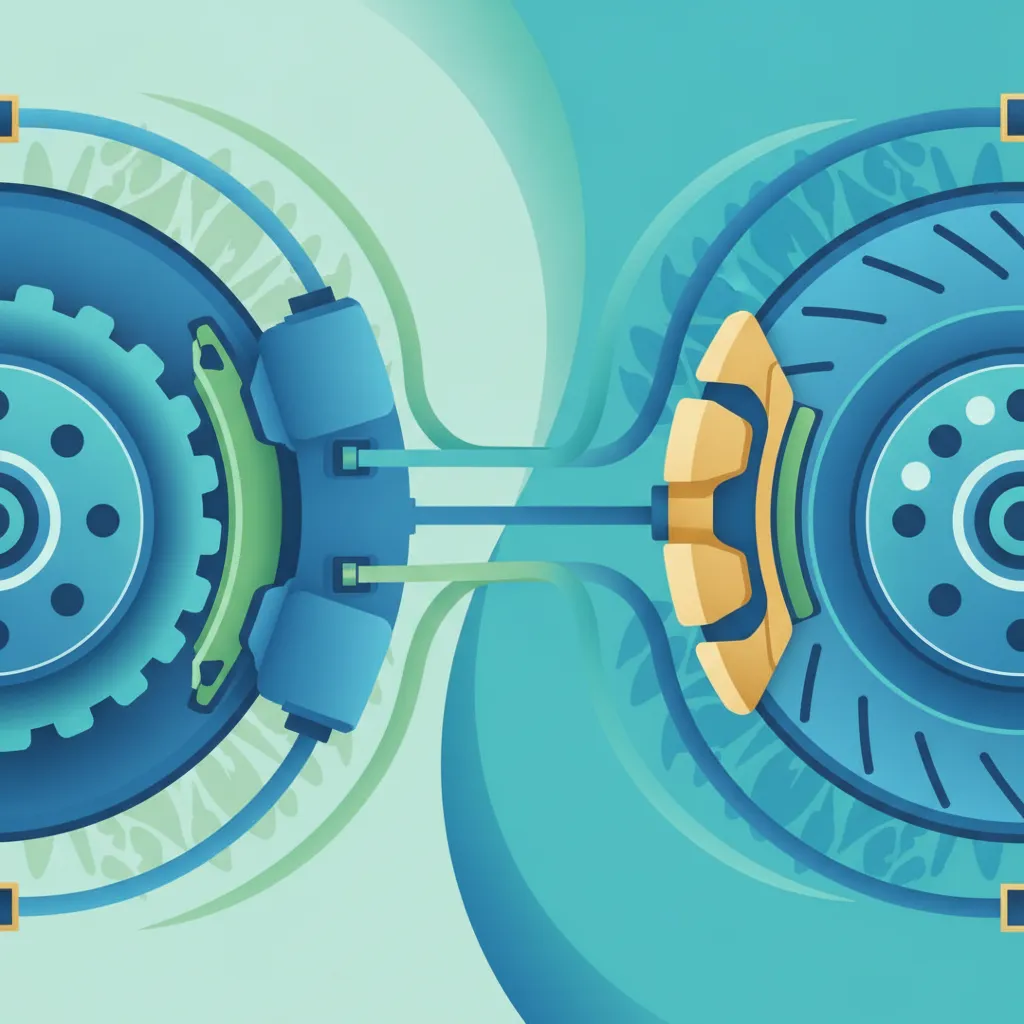
Two main types of friction brakes are common:
Service brakes are used constantly for minor speed adjustments, stopping at traffic lights, and bringing the vehicle to a complete halt. However, professional drivers must understand their limitations. On long or steep descents, continuous reliance on service brakes can lead to severe overheating, a phenomenon known as brake fade.
A reduction in braking efficiency and effectiveness, often characterized by a "soft" pedal feel, caused by the overheating of brake components during prolonged or heavy use.
Brake fade significantly reduces the stopping power and can lead to a dangerous loss of control. Therefore, service brakes should not be the sole braking method for extended downhill driving. Regular inspection of brake components, fluid levels (for hydraulic portions, if present), and overall functionality is mandatory to ensure service brakes are always ready for critical use.
Air brakes are the standard braking system for most heavy goods vehicles and passenger buses due to their robustness, effectiveness, and integrated safety features. They utilize compressed air to generate the force required to activate the brakes.
The operation of an air brake system relies on a series of interconnected components that compress, store, distribute, and apply air pressure to the brake mechanisms.
Air Compressor: Draws in air from the atmosphere, compresses it, and sends it to the air reservoirs. The compressor is typically engine-driven.
Air Reservoirs (Tanks): Store the compressed air. Heavy vehicles usually have multiple reservoirs for different circuits (e.g., front brakes, rear brakes, parking brake, accessory systems).
Air Dryer: Removes moisture and contaminants from the compressed air before it enters the reservoirs, preventing corrosion and freezing within the system.
Governor: Controls the air compressor. It starts the compressor when air pressure in the reservoirs falls below a cut-in pressure and stops it when the pressure reaches a cut-out pressure (e.g., 8.5 to 10.5 bar).
Pressure Gauges: Located in the driver's cabin, these display the air pressure in each primary reservoir, allowing the driver to monitor system health.
Brake Pedal (Foot Valve): When pressed, it controls the flow of compressed air from the reservoirs to the brake chambers, applying the service brakes.
Hand Valve (Trailer Brake Control): An auxiliary control, often a lever, used to apply only the trailer brakes independently, particularly useful for testing or specific maneuvers.
Brake Chambers (Diaphragms/Pistons): Convert the compressed air pressure into mechanical force. Air pushes a diaphragm or piston, which then actuates the slack adjusters and cam mechanism to spread the brake shoes or squeeze the brake pads.
Slack Adjusters: Automatically or manually adjust the distance between the brake shoes and the drum (or pads and disc) to compensate for wear, ensuring proper brake stroke.
Maintaining adequate air pressure is paramount for the safe operation of air-braked vehicles. German regulations, like the StVZO, mandate specific minimum pressures.
Before driving, and routinely during operation, drivers must perform checks:
Neglecting these checks or driving with insufficient air pressure is a common violation that significantly increases the risk of accidents.
While service brakes are essential, they are designed for intermittent use. For sustained deceleration, especially with heavy loads and on gradients, auxiliary braking systems known as retarders are indispensable.
Retarders are designed to dissipate kinetic energy without relying on friction, thus preventing the service brakes from overheating, a primary cause of brake fade. This significantly extends the life of brake components and, more importantly, ensures that the service brakes remain cool and effective for emergency situations. Their use is particularly critical for professional drivers traversing mountainous terrain or long downhill sections of motorways.
There are several types of retarders commonly found in heavy vehicles:
Exhaust Gas Retarder (Engine Brake):
An auxiliary braking system that restricts the flow of exhaust gases, creating back pressure in the engine cylinders, which acts as a braking force.
This system works by closing a valve in the exhaust manifold, causing exhaust gases to back up against the engine's pistons. This resistance effectively turns the engine into an air compressor, slowing the vehicle. Some advanced engine brakes also manipulate valve timing to enhance this effect (e.g., Jacobs Brake, commonly called "Jake Brake"). Exhaust gas retarders are very effective and are often integrated into the vehicle's engine management system.
Hydraulic Retarder (Fluid Retarder):
An auxiliary braking device that uses fluid resistance to slow the vehicle. It converts kinetic energy into heat by circulating fluid between a rotor and a stator.
A hydraulic retarder is typically integrated into the drivetrain. It consists of a rotor (connected to the drive shaft) and a stator (fixed to the vehicle chassis) within a fluid-filled housing. When activated, fluid is pumped into the housing, and the resistance created by the fluid's interaction with the rotating rotor and stationary stator generates a braking force. This friction-free process converts kinetic energy into heat, which is then dissipated by a dedicated cooling system (often integrated with the engine's cooling system).
Electromagnetic Retarder (Eddy Current Retarder):
An auxiliary braking system that uses electromagnetic forces to create resistance, converting kinetic energy into electrical energy (and then heat) without physical contact.
Electromagnetic retarders also work without physical friction. They consist of an electromagnetic coil and a rotating disc (or discs) connected to the driveshaft. When activated, the coils create a powerful magnetic field that induces eddy currents in the rotating disc. These eddy currents generate a magnetic resistance that opposes the disc's rotation, thus slowing the vehicle. Like hydraulic retarders, the energy is dissipated as heat, which needs to be managed.
Drivers should engage retarders proactively at the start of a descent, choosing a gear that allows the engine or hydraulic/electromagnetic resistance to maintain a safe and steady speed without over-revving the engine. The goal is to avoid building up too much speed that requires heavy, continuous use of the service brakes.
On steep downgrades, select a lower gear before starting the descent. Engage the retarder to maintain a controlled speed. Use the service brakes only for short, firm applications to further reduce speed, then release them to allow them to cool. This "snub braking" technique preserves service brake effectiveness.
Misunderstanding retarders as a replacement for service brakes is a common error. They are supplementary systems, and service brakes are still required for coming to a complete stop and for emergency braking.
As discussed earlier, the dual-circuit design is a critical safety feature mandated for heavy vehicles above a certain weight threshold in Germany. This structural redundancy is key to preventing complete brake failure.
A dual-circuit system typically separates the braking function for different axles or wheel pairs. For example, one circuit might control the front axle brakes and another the rear axle brakes. If a pressure loss occurs in one circuit (e.g., due to a broken line), the other circuit remains fully functional, providing approximately 50% of the total braking force. While this reduces overall stopping power, it guarantees the driver retains partial control and can safely bring the vehicle to a stop.
Regular inspections of both circuits, including checks for leaks, proper pressure, and functional integrity, are essential. Drivers must be aware of warning lights or audible signals that indicate a fault in one of the circuits and take immediate action to have the system checked.
Compliance with German regulations (e.g., Straßenverkehrs-Zulassungs-Ordnung - StVZO) concerning heavy vehicle braking systems is not only a legal obligation but also a vital aspect of road safety.
All braking systems, including service brakes, air brake components, and retarders, must undergo regular professional inspections and maintenance. This includes checking for wear on brake linings, discs, and drums, verifying air pressure levels, checking for leaks, and ensuring all control valves and safety mechanisms function correctly. Drivers are also responsible for daily walk-around checks to identify obvious faults before commencing a journey.
Heavy vehicles must maintain specific minimum air pressure levels to ensure safe brake operation. The low air pressure warning system (visual and audible) is a critical safety device that alerts the driver if the pressure drops below a safe operating threshold. Ignoring these warnings is a serious violation and highly dangerous. The parking brake, typically a spring-activated brake, will automatically engage if air pressure drops too low, preventing the vehicle from rolling unintentionally.
While not always explicitly mandated by law for every situation, the appropriate use of retarders on steep grades is strongly recommended by manufacturers and best driving practices for safety and component longevity. Drivers who fail to use retarders when appropriate risk overheating their service brakes, leading to brake fade and potential loss of control, which can result in severe legal consequences in an accident.
The mandate for dual-circuit braking systems on heavy vehicles above a certain weight is a direct regulatory response to the need for redundancy. This requirement underlines the importance of designing systems that can withstand partial failures without complete loss of function.
Always verify specific legal pressure limits, mandatory usage guidelines for retarders, and dual-circuit requirements against the most current national traffic code (e.g., StVZO in Germany). Regulations can be updated, and compliance is crucial.
Professional drivers must be vigilant to avoid common mistakes that can compromise braking performance and safety.
The effectiveness of braking systems can be significantly influenced by environmental and vehicle-specific factors. Professional drivers must adapt their braking techniques accordingly.
A fully loaded heavy vehicle possesses significantly more kinetic energy than an empty one. This directly translates to longer braking distances and greater stress on all braking components.
Any fault in the braking system, such as faulty air pressure sensors, low reservoir levels, or an audible air leak, requires immediate attention. Ignoring these warnings can lead to catastrophic brake failure. Drivers should always heed dashboard warning lights and audible alarms and address them promptly before continuing their journey.
Mastering the diverse braking systems of heavy vehicles is a cornerstone of professional driving for categories C1, C1E, C, and CE. The intricate interplay of service brakes, air brake components, and auxiliary retarders, underpinned by crucial safety principles like redundancy, dual-circuit design, and fail-safe mechanisms, ensures that heavy vehicles can operate safely despite their immense size and weight.
Professional drivers must not only understand the theory behind these systems but also develop the practical skills to apply them effectively in all driving conditions. This includes diligent pre-trip checks, continuous monitoring of air pressure, proactive use of retarders, and an adaptive approach to braking based on load, weather, and road type. By embracing these principles, drivers contribute significantly to road safety, reduce vehicle wear, and uphold their professional responsibilities.
This lesson covers the technical operation of heavy vehicle braking systems essential for German C1, C, and CE theory exams. Heavy vehicles use air-powered service brakes (drum or disc) as the primary stopping mechanism, supplemented by air brake systems with components like compressors, reservoirs, governors, and brake chambers. Critical safety features include dual-circuit redundancy, which ensures partial braking if one circuit fails, and fail-safe design that automatically applies brakes if air pressure drops too low. Auxiliary retarders (exhaust gas, hydraulic, or electromagnetic) provide non-friction braking to reduce service brake wear on descents and prevent brake fade. Professional drivers must perform regular air pressure checks, engage retarders proactively on slopes, and adapt braking technique based on load, weather, and road conditions.
A short set of high-value points that capture the most important learning from this lesson.
Heavy vehicles use multiple interconnected braking systems (service brakes, air brakes, retarders) because their mass requires layered safety mechanisms.
Dual-circuit brake systems provide redundancy by operating different axle brakes through separate circuits, ensuring partial stopping ability if one circuit fails.
Retarders are auxiliary non-friction braking devices (exhaust gas, hydraulic, or electromagnetic) that reduce service brake wear on long descents by dissipating kinetic energy.
Air brake fail-safe design automatically applies brakes when air pressure drops below the critical minimum threshold, preventing operation without adequate braking capacity.
Brake fade occurs when service brakes overheat from prolonged use, reducing stopping power and creating dangerous loss of control on steep grades.
Explore all units and lessons included in this driving theory course.
Air brake system components: compressor draws air, reservoirs store it, governor controls pressure (8.5–10.5 bar cut-out), brake chambers convert pressure to mechanical force at wheels.
Retarders supplement but do not replace service brakes—service brakes are still required for final stops and emergency braking.
On downgrades, engage retarders proactively before building speed; use 'snub braking' with service brakes for short applications only, allowing cooling time.
Pre-trip air pressure checks include drop test (max 0.2 bar/minute for solo vehicle) and verification that low-pressure warning activates around 5.5 bar.
Load significantly increases braking distance and thermal stress on brakes, making retarder use even more critical when fully loaded.
Driving with low air pressure warnings, which disables fail-safe braking and risks complete brake failure at dangerous moments.
Relying exclusively on service brakes during long descents, leading to brake fade from thermal overload.
Not engaging retarders on steep gradients, causing premature service brake wear and potential overheating before reaching the bottom.
Neglecting dual-circuit checks—failing to notice a fault in one circuit removes the safety redundancy layer.
Applying service brakes abruptly on slippery surfaces or without prior retarder-assisted deceleration, risking wheel lock-up, skidding, or jackknifing.
Lesson content overview
A short set of high-value points that capture the most important learning from this lesson.
Heavy vehicles use multiple interconnected braking systems (service brakes, air brakes, retarders) because their mass requires layered safety mechanisms.
Dual-circuit brake systems provide redundancy by operating different axle brakes through separate circuits, ensuring partial stopping ability if one circuit fails.
Retarders are auxiliary non-friction braking devices (exhaust gas, hydraulic, or electromagnetic) that reduce service brake wear on long descents by dissipating kinetic energy.
Air brake fail-safe design automatically applies brakes when air pressure drops below the critical minimum threshold, preventing operation without adequate braking capacity.
Brake fade occurs when service brakes overheat from prolonged use, reducing stopping power and creating dangerous loss of control on steep grades.
Explore all units and lessons included in this driving theory course.
Air brake system components: compressor draws air, reservoirs store it, governor controls pressure (8.5–10.5 bar cut-out), brake chambers convert pressure to mechanical force at wheels.
Retarders supplement but do not replace service brakes—service brakes are still required for final stops and emergency braking.
On downgrades, engage retarders proactively before building speed; use 'snub braking' with service brakes for short applications only, allowing cooling time.
Pre-trip air pressure checks include drop test (max 0.2 bar/minute for solo vehicle) and verification that low-pressure warning activates around 5.5 bar.
Load significantly increases braking distance and thermal stress on brakes, making retarder use even more critical when fully loaded.
Driving with low air pressure warnings, which disables fail-safe braking and risks complete brake failure at dangerous moments.
Relying exclusively on service brakes during long descents, leading to brake fade from thermal overload.
Not engaging retarders on steep gradients, causing premature service brake wear and potential overheating before reaching the bottom.
Neglecting dual-circuit checks—failing to notice a fault in one circuit removes the safety redundancy layer.
Applying service brakes abruptly on slippery surfaces or without prior retarder-assisted deceleration, risking wheel lock-up, skidding, or jackknifing.
Explore search topics learners often look for when studying Types of Heavy Vehicle Braking Systems. These topics reflect common questions about road rules, driving situations, safety guidance, and lesson level theory preparation for learners in Germany.
Browse additional driving theory lessons that cover connected traffic rules, road signs, and common driving situations related to this topic. Improve your understanding of how different rules interact across everyday traffic scenarios.
Understand the different types of braking systems in heavy vehicles, such as air brakes, retarders, and engine brakes. Learn their principles and functions crucial for your German C1, C, CE driving theory knowledge.

This lesson focuses on the use of retarders and engine braking techniques to control vehicle speed without excessive use of the service brake. It explains the different types of retarders, such as hydraulic and exhaust brakes, and their appropriate application. The content also covers gear selection and engine braking strategies for downhill driving.

This lesson covers the various braking systems used on trailers, including air and electric brakes, and their integration with the towing vehicle. It explains the role of the brake controller, electrical connections for brake lights, and how braking force is distributed. The content also addresses considerations such as brake lag and trailer ABS functionality.

This lesson examines the phenomena of brake delay (lag) and brake fade, particularly during prolonged braking on steep gradients. It discusses how brake temperature rises, leading to reduced friction and potential brake failure. The content also covers strategies for preventing overheating, such as using retarders and proper speed management.

This lesson provides a method for calculating the braking distance of loaded vehicles, considering factors such as speed, load, and road conditions. It explains the formula for total stopping distance, including reaction time and braking distance components. The content highlights the importance of maintaining adequate safety margins for emergency braking.

This lesson delves into the critical control systems of a passenger vehicle: steering, braking, and acceleration. It explains the mechanics of hydraulic and pneumatic brakes and the function of safety aids like ABS and ESP. Learners will understand how to apply smooth acceleration and deceleration techniques to ensure passenger comfort and maintain vehicle stability under various driving conditions.
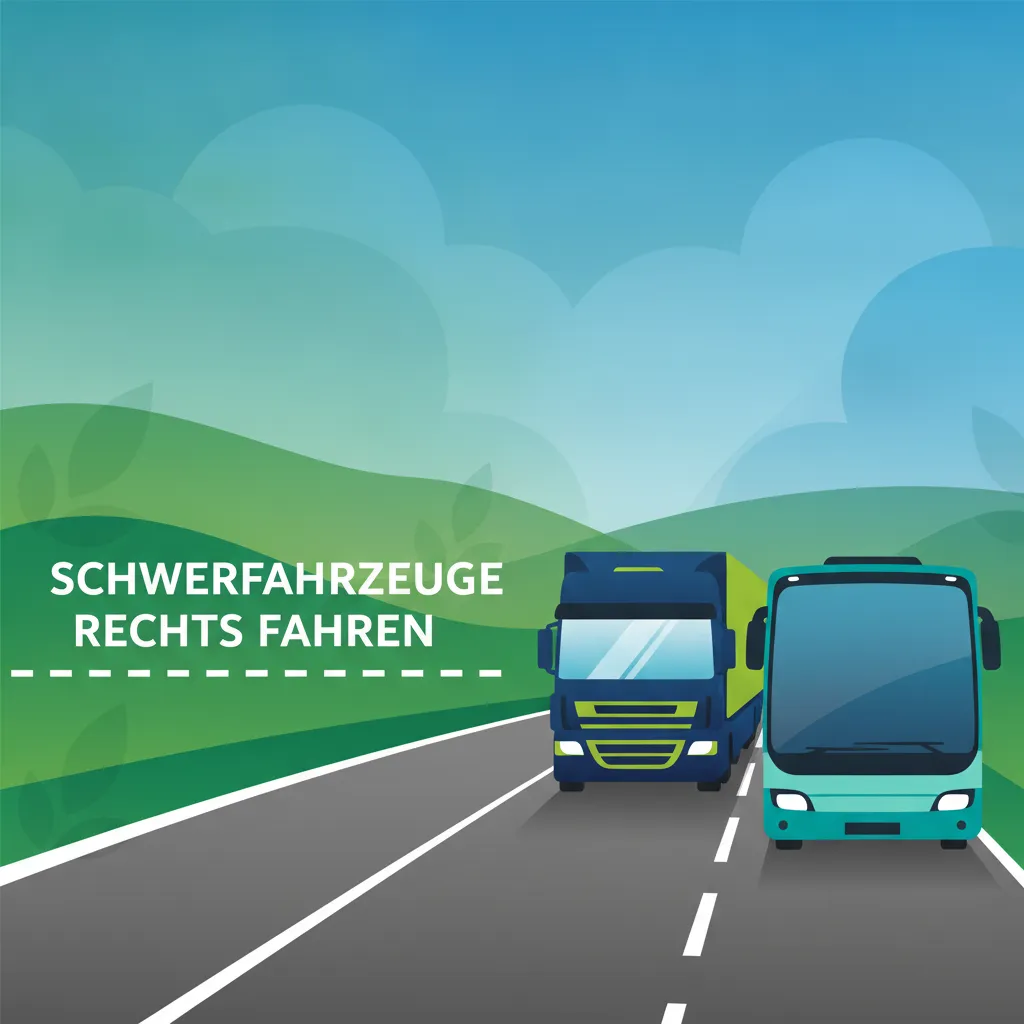
This lesson explains the specific regulations for operating heavy vehicles on Autobahnen, including speed limits, lane discipline, and overtaking rules. It discusses the use of dedicated truck lanes and the importance of maintaining appropriate following distances. The content also covers procedures for merging and exiting high-speed roads safely.

This lesson explains the function of a vehicle's braking system and the technology designed to enhance its effectiveness. It describes how the Anti-lock Braking System (ABS) prevents wheels from locking up during hard braking, allowing the driver to maintain steering control. The role of the Electronic Stability Program (ESP) in preventing skids is also covered.
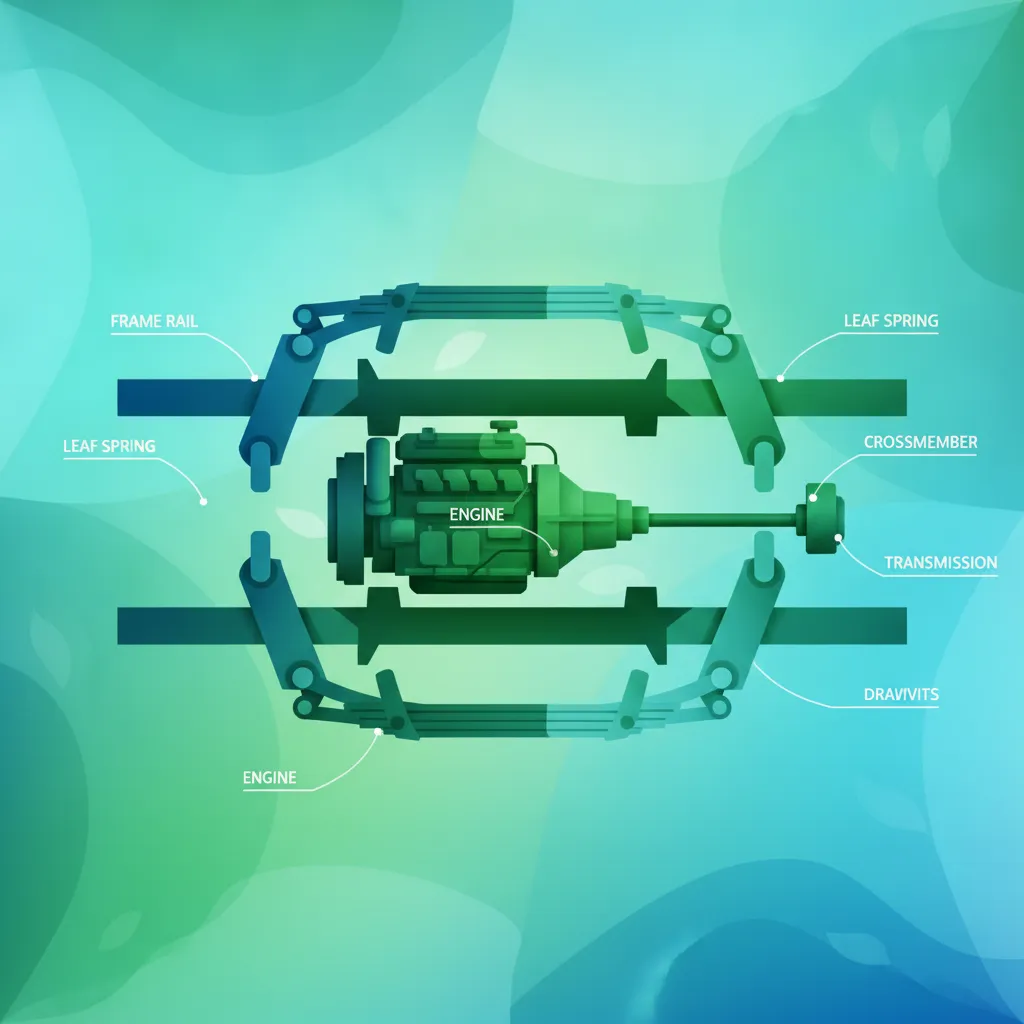
This lesson introduces the fundamental structural components of heavy vehicles, focusing on the frame and chassis design. It explains the role of different suspension types, such as leaf springs and air suspension, in load distribution and ride comfort. The content also discusses how chassis rigidity and material fatigue affect vehicle safety and longevity.
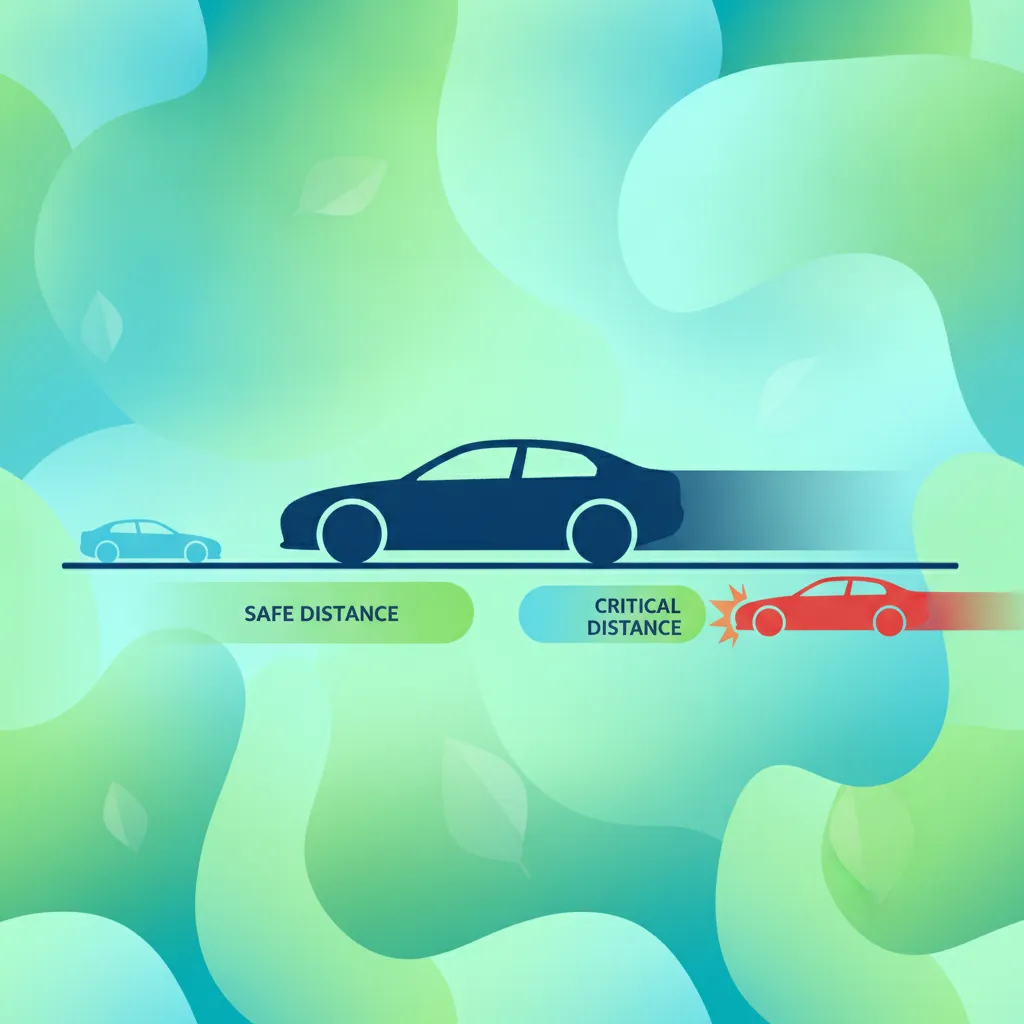
This lesson breaks down the concept of total stopping distance into reaction distance and braking distance. It teaches various braking techniques, including how to perform an emergency stop safely and the function of an Anti-lock Braking System (ABS). The relationship between speed, road condition, and braking effectiveness is a central theme.

This lesson covers the lighting and reflector requirements for heavy vehicles, including headlamps, side markers, and brake lights. It explains the function of these systems and the necessity of underrun protection to safeguard other road users. The content also discusses regulations governing lighting systems and their importance for safety in all conditions.
Explore the safety aspects and roadworthiness criteria related to heavy vehicle braking systems. This lesson covers dual-circuit systems and fail-safe mechanisms essential for understanding vehicle safety and legal compliance in Germany.

This lesson outlines the legal requirements for vehicle roadworthiness, including mandatory periodic inspections (TÜV) and the issuance of safety certificates. It explains the standards for emissions, safety devices, and the proper documentation of defects. The content underscores the importance of complying with inspection intervals and addressing repair obligations promptly.
This lesson provides a method for calculating the braking distance of loaded vehicles, considering factors such as speed, load, and road conditions. It explains the formula for total stopping distance, including reaction time and braking distance components. The content highlights the importance of maintaining adequate safety margins for emergency braking.

This lesson provides a systematic approach to pre-drive inspection, outlining a comprehensive checklist to verify fluid levels, brake functionality, and tyre condition. It emphasizes the importance of checking lighting, mirror adjustments, and load securement before every journey. The content highlights safety protocols to ensure the vehicle is roadworthy.
This lesson explains the specific regulations for operating heavy vehicles on Autobahnen, including speed limits, lane discipline, and overtaking rules. It discusses the use of dedicated truck lanes and the importance of maintaining appropriate following distances. The content also covers procedures for merging and exiting high-speed roads safely.
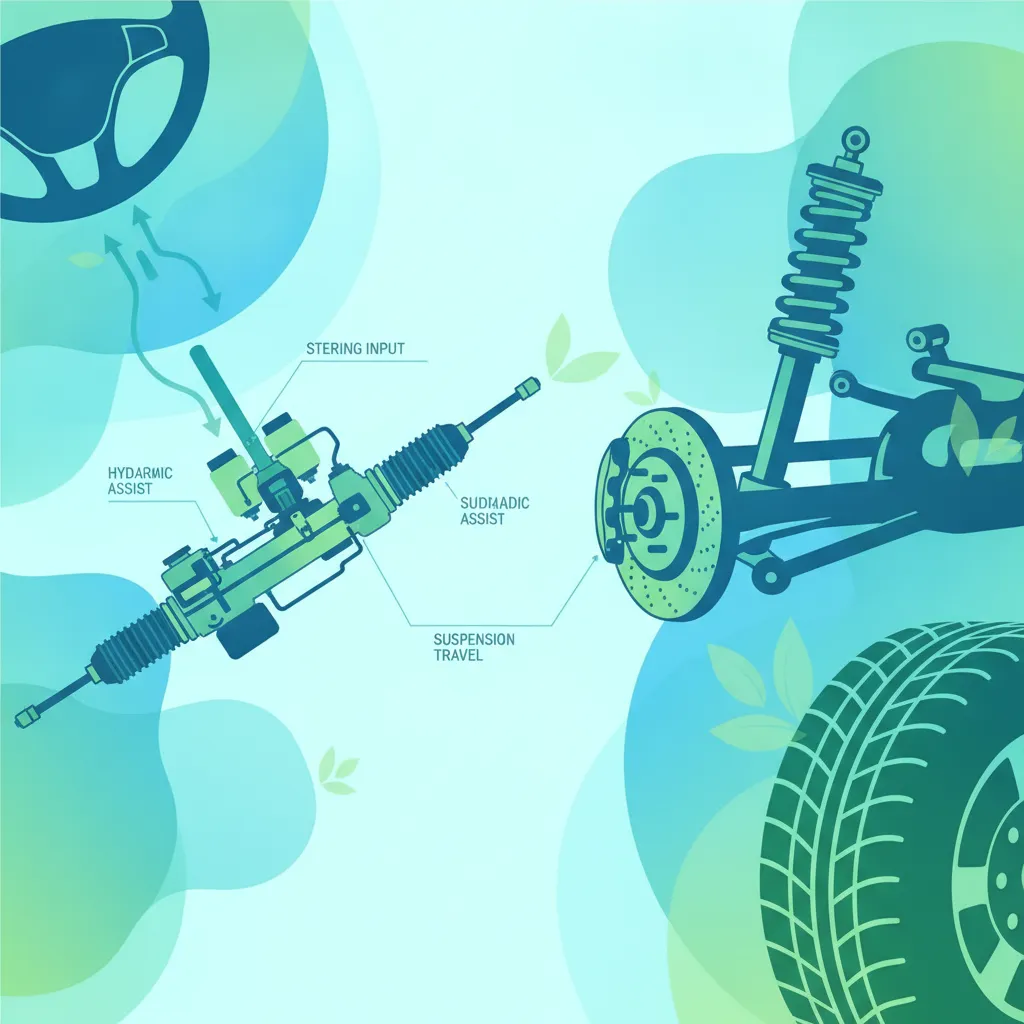
This lesson examines the steering mechanisms in heavy vehicles, including power-assisted systems, and their impact on handling. It also covers tyre technology, focusing on selection, pressure, load rating, and the importance of proper tyre maintenance. The content highlights how suspension components contribute to vehicle stability and control.

This lesson covers the dimensional limits for heavy vehicles, focusing on height, width, and length restrictions. It explains how to interpret clearance signage for bridges, tunnels, and overhead obstacles, and discusses the implications for route planning. The content also addresses the importance of understanding turning radii and swept paths to avoid collisions.
This lesson covers the lighting and reflector requirements for heavy vehicles, including headlamps, side markers, and brake lights. It explains the function of these systems and the necessity of underrun protection to safeguard other road users. The content also discusses regulations governing lighting systems and their importance for safety in all conditions.
This lesson outlines the driver's legal responsibility to ensure their vehicle is in a safe and roadworthy condition before every journey. It covers essential pre-drive checks, such as verifying lights, tyres, and fluid levels (oil, coolant, washer fluid). The lesson also explains the mandatory equipment that must be carried in the vehicle, including a warning triangle, high-visibility vest, and first-aid kit.

This lesson explores the legal framework governing heavy vehicle operation in Germany, focusing on the Straßenverkehrs-Ordnung (StVO) and specific commercial transport regulations. It details the professional duty of care required from drivers, including responsibilities for vehicle inspection and documentation. You will understand the enforcement mechanisms and potential penalties for non-compliance.

This lesson provides a step-by-step guide for safely managing a vehicle breakdown on the road. It includes instructions on performing an emergency stop, deploying hazard lights and warning triangles, and contacting assistance. The content emphasizes maintaining safety for both the driver and other road users during the breakdown.
Find clear answers to common questions learners have about Types of Heavy Vehicle Braking Systems. Learn how the lesson is structured, which driving theory objectives it supports, and how it fits into the overall learning path of units and curriculum progression in Germany. These explanations help you understand key concepts, lesson flow, and exam focused study goals.
A dual-circuit system is essential for safety because it provides redundancy; if one part of the circuit fails, the other circuit ensures that the vehicle can still be brought to a safe stop. This is a critical requirement for heavy vehicles due to their mass and the risks associated with brake failure.
A retarder is an auxiliary braking system used primarily on long downhill gradients to control vehicle speed without relying solely on the main service brakes. This prevents the service brakes from overheating and experiencing brake fade, which significantly enhances safety and reduces component wear.
Brake fade is the reduction in stopping power caused by the overheating of brake drums or discs during frequent or prolonged braking. In heavy vehicles, this is a dangerous phenomenon that can lead to a complete loss of braking efficiency, which is why proper use of engine braking and retarders is taught.
Brake delay refers to the time elapsed between the driver pressing the pedal and the actual braking force being applied at the wheels, often due to the pneumatic nature of air brake systems. Understanding this delay is crucial for calculating safe following distances in your theory test and in real-world driving.
Begin your targeted revision now. Use our practice search to quickly find specific German driving theory questions. Filter by StVO rules, road signs, or hazard perception to create your focused study plan. Master challenging areas and prepare confidently for your theoretical driving test.