
This lesson details the critical safety requirements for motorcycle helmets, ensuring you meet German legal standards for your A1, A2, or A licence. You will learn to identify compliant helmets, master the fitting process, and understand how to maintain your protective equipment to guarantee safety on every ride.

Lesson content overview
Für alle, die in Deutschland ein Motorrad der Klassen A, A1 oder A2 fahren möchten, ist das Tragen eines geeigneten Helms nicht nur eine gesetzliche Vorschrift, sondern auch eine grundlegende Schutzmaßnahme. Ein Motorradhelm ist Ihre erste und wichtigste Verteidigungslinie gegen Kopfverletzungen bei einem Unfall. Dieses Kapitel des German Motorcycle Licence Theory Course beleuchtet die verschiedenen Helmtypen, die entscheidende Bedeutung der ECE R22.05-Sicherheitsnormen, die korrekte Passform und die notwendige Wartung, um Ihre Sicherheit auf der Straße zu gewährleisten.
Der Kopf ist der verletzlichste Teil des menschlichen Körpers bei einem Motorradunfall. Ein richtig ausgewählter und korrekt getragener Helm kann die Aufprallenergie bei einem Sturz erheblich reduzieren und damit das Risiko schwerer oder tödlicher Kopfverletzungen drastisch senken. Es geht nicht nur darum, irgendeinen Helm zu tragen, sondern den richtigen Helm zu wählen, der den höchsten Sicherheitsstandards entspricht und perfekt sitzt. Nur so kann er seine volle Schutzwirkung entfalten.
Motorradhelme gibt es in verschiedenen Ausführungen, die jeweils unterschiedliche Schutzgrade und Merkmale bieten. Die Wahl des Helmtyps hängt oft von der bevorzugten Fahrweise, dem Fahrgebiet und persönlichen Präferenzen ab, wobei die Sicherheit immer oberste Priorität haben sollte.
Der Integralhelm ist die häufigste und sicherste Helmform für den Straßenverkehr. Er umschließt den gesamten Kopf, einschließlich Kinn, Kiefer und Gesicht, mit einer festen Schale und einem beweglichen Visier. Diese Konstruktion bietet den umfassendsten Schutz vor Aufprall und Wettereinflüssen. Das starre Kinnteil ist fest mit der Helmschale verbunden und bietet maximalen Schutz für den Kieferbereich, der bei Unfällen besonders gefährdet ist.
Integralhelme sind ideal für Fahrten bei höheren Geschwindigkeiten, auf Autobahnen oder für den sportlichen Einsatz, da sie zudem Windgeräusche reduzieren und eine gute Aerodynamik bieten. Ihre geschlossene Bauweise minimiert auch das Eindringen von Insekten, Staub und Regen, was den Fahrkomfort erhöht.
Klapphelme ähneln Integralhelmen, verfügen jedoch über ein hochklappbares Kinnteil. Dies ermöglicht es dem Fahrer, das Kinnteil samt Visier nach oben zu klappen, was besonders praktisch beim Tanken, kurzen Stopps oder der Kommunikation ist, ohne den Helm abnehmen zu müssen. Die Konstruktion von Klapphelmen bietet immer noch einen hohen Schutz, auch wenn das Klappsystem eine potenzielle Schwachstelle bei extremen Aufprallkräften darstellen kann, im Vergleich zu einem festen Integralhelm.
Für Fahrten im hochgeklappten Zustand sind sie in Deutschland nicht zugelassen oder nur unter bestimmten Bedingungen, da der Schutz dann nicht gewährleistet ist. Prüfen Sie immer die spezifische ECE-Zulassung (P für Integral, J für Jet/Offen, P/J für beides), ob der Helm auch im offenen Zustand zugelassen ist. Klapphelme sind eine beliebte Wahl für Tourenfahrer und Pendler, die Flexibilität schätzen.
Jethelme bedecken den oberen, hinteren und seitlichen Bereich des Kopfes, lassen aber das Gesicht vollständig frei. Sie bieten oft ein Visier, das über das Gesicht reicht, oder werden mit einer Brille getragen. Der entscheidende Unterschied zu Integral- oder Klapphelmen ist das fehlende Kinnteil. Dies bedeutet, dass der Kiefer- und Gesichtsbereich bei einem Unfall ungeschützt ist.
Jethelme sind bei Rollern und Cruisern beliebt, da sie ein Gefühl von Freiheit vermitteln und an warmen Tagen angenehmer zu tragen sein können. Es ist jedoch ein Trugschluss zu glauben, dass sie den gleichen Schutz bieten wie Integralhelme. Bei einem Sturz kann der Bereich um Kinn und Mund schwerwiegende Verletzungen davontragen.
Offroad-Helme sind speziell für das Fahren im Gelände konzipiert. Sie zeichnen sich durch ein ausgeprägtes, verlängertes Kinnteil und einen Helmschild aus, der vor Sonneneinstrahlung und aufgewirbeltem Schmutz schützt. Sie haben kein integriertes Visier, sondern werden in der Regel mit einer Crossbrille getragen, um die Augen zu schützen.
Diese Helmform ist darauf ausgelegt, eine optimale Belüftung bei körperlich anstrengendem Fahren zu bieten. Während das verlängerte Kinnteil Schutz bietet, ist die Konstruktion anders als bei Straßenhelmen und nicht für hohe Geschwindigkeiten auf der Straße optimiert.
Halbschalenhelme bieten den geringsten Schutz aller Helmtypen, da sie lediglich den oberen Teil des Kopfes bedecken und oft Ohren und Nacken freilassen. Sie werden hauptsächlich von Fahrern getragen, die einen minimalistischen Look bevorzugen, bieten aber bei Weitem nicht den Schutz, der für die meisten Fahrten auf deutschen Straßen empfohlen oder gesetzlich vorgeschrieben ist. In vielen Ländern oder für bestimmte Führerscheinklassen sind sie aufgrund mangelnden Schutzes nicht zulässig oder nur bedingt erlaubt, da die ECE-Norm schwer zu erfüllen ist.
Unabhängig vom Typ: Der Schutz eines Helms wird stark von seiner Konstruktion und dem Material beeinflusst. Ein Integralhelm bietet den umfassendsten Schutz und ist für die meisten Fahrsituationen die sicherste Wahl. Unterschätzen Sie niemals die Gefahr für den ungeschützten Kinn- und Gesichtsbereich bei Jet- oder Halbschalenhelmen.
Die Wahl des richtigen Helms ist eng mit der Einhaltung internationaler Sicherheitsstandards verbunden. In Deutschland und den meisten EU-Ländern ist es gesetzlich vorgeschrieben, einen Motorradhelm zu tragen, der der ECE R22.05-Norm entspricht. ECE steht für "Economic Commission for Europe" (Wirtschaftskommission für Europa) der Vereinten Nationen. Diese Norm ist ein umfassendes Regelwerk für die Prüfung und Zulassung von Schutzhelmen für Kraftfahrzeugfahrer.
Die ECE R22.05-Norm legt strenge Anforderungen an die Bauweise, Materialien und Leistungsmerkmale von Motorradhelmen fest. Sie stellt sicher, dass Helme eine Mindestschutzwirkung bei verschiedenen Aufprallarten bieten. Die wichtigsten Prüfpunkte umfassen:
Helme, die die ECE R22.05-Zertifizierung tragen, haben eine Reihe anspruchsvoller Tests bestanden, die ihre Fähigkeit zum Schutz des Fahrers bei einem Unfall unter Beweis stellen. Das Tragen eines nicht zertifizierten Helms ist nicht nur illegal, sondern birgt auch ein erhebliches Sicherheitsrisiko. Solche Helme könnten bei einem Aufprall versagen, sich lösen oder einfach nicht die notwendige Energieabsorption bieten, was zu schwerwiegenden Kopfverletzungen führen kann.
Beim Kauf eines Helms sollten Sie immer nach dem ECE-Prüfsiegel suchen. Dieses findet sich meist als Aufkleber auf der Rückseite des Helms oder als eingenähtes Etikett am Kinnriemen. Das Siegel besteht aus einem Kreis mit einem "E" und einer Nummer, gefolgt von der Prüfnummer (z.B. 22.05) und einer Seriennummer.
Selbst der sicherste Helm, der alle ECE-Normen erfüllt, kann seine Schutzwirkung nicht voll entfalten, wenn er nicht richtig sitzt. Eine korrekte Passform ist entscheidend für die Sicherheit, den Komfort und die Stabilität des Helms während der Fahrt und im Falle eines Aufpralls.
Ein zu lockerer Helm kann bei einem Unfall verrutschen, das Sichtfeld blockieren oder sogar vom Kopf gerissen werden. Ein zu enger Helm hingegen kann zu Druckstellen, Kopfschmerzen und verminderter Konzentration führen, was ebenfalls ein Sicherheitsrisiko darstellt. Die ideale Passform bedeutet, dass der Helm fest und gleichmäßig am Kopf anliegt, ohne Druckpunkte zu verursachen und ohne dass er sich bei Bewegung merklich verschieben lässt.
Die Helmgröße wird in der Regel nach dem Kopfumfang bestimmt. Bevor Sie einen Helm kaufen, messen Sie Ihren Kopfumfang an der breitesten Stelle, etwa 2 cm über den Augenbrauen und den Ohren.
Kopfumfang messen: Verwenden Sie ein flexibles Maßband, um den Umfang Ihres Kopfes an der breitesten Stelle zu messen (ca. 2 cm über den Augenbrauen). Vergleichen Sie diesen Wert mit den Größentabellen der Helmhersteller.
Helm aufsetzen: Nehmen Sie den Helm mit beiden Händen und ziehen Sie die Kinnriemen auseinander, um ihn über Ihren Kopf zu schieben. Es sollte ein leichter Widerstand spürbar sein, wenn der Helm über die Ohren gleitet.
Anliegen des Helms prüfen: Der Helm sollte fest, aber ohne unangenehmen Druck am gesamten Kopf anliegen. Achten Sie darauf, dass keine Lücken zwischen Kopf und Innenpolsterung bestehen. Die Wangenpolster sollten Ihre Wangen leicht zusammendrücken, ohne zu quetschen.
Bewegungstest: Schließen Sie den Kinnriemen fest, aber komfortabel (es sollte maximal ein Finger zwischen Riemen und Kinn passen). Versuchen Sie nun, den Helm mit den Händen nach links und rechts, sowie hoch und runter zu drehen. Ihre Kopfhaut sollte sich mitbewegen. Wenn sich der Helm unabhängig vom Kopf bewegt, ist er zu groß.
Sichtfeld prüfen: Stellen Sie sicher, dass das Sichtfeld des Visiers uneingeschränkt ist und der obere Rand nicht in Ihr Blickfeld ragt.
Tragekomfort: Tragen Sie den Helm für etwa 5-10 Minuten im Geschäft. Achten Sie auf Druckpunkte oder unangenehme Stellen. Ein neuer Helm sitzt oft strammer und dehnt sich mit der Zeit leicht aus.
Kinnriemen prüfen: Der Kinnriemen sollte fest sitzen und nicht einschneiden. Er muss auch bei starkem Ruck am Helm sicher halten. Testen Sie, ob sich der Helm bei fest geschlossenem Kinnriemen von hinten nach vorne über den Kopf ziehen lässt. Dies sollte nicht möglich sein.
Beachten Sie, dass die Passform von Hersteller zu Hersteller leicht variieren kann. Es ist daher ratsam, verschiedene Modelle und Marken anzuprobieren, um den Helm zu finden, der am besten zu Ihrer individuellen Kopfform passt.
Ein Helm ist ein Verschleißteil und erfordert regelmäßige Pflege und Wartung, um seine Schutzfunktion über die Jahre zu erhalten. Vernachlässigung kann die Integrität des Materials beeinträchtigen und die Sicherheit des Fahrers gefährden.
Ein sauberes Visier ist entscheidend für klare Sicht und damit für die Fahrsicherheit. Schmutz, Insektenreste und Kratzer können die Sicht erheblich beeinträchtigen, besonders bei schlechten Lichtverhältnissen oder Regen.
Das Kinnschließsystem (Retention System) ist die Verbindung, die den Helm sicher auf Ihrem Kopf hält. Seine einwandfreie Funktion ist unerlässlich.
Die äußere Helmschale ist der erste Schutz bei einem Aufprall, das Innenfutter sorgt für Komfort und trägt zur Passform bei.
In Deutschland ist das Tragen eines geeigneten Motorradhelms für Motorradfahrer und Sozius gesetzlich vorgeschrieben. Diese Regelung ist in § 21a Abs. 2 der Straßenverkehrs-Ordnung (StVO) verankert und gilt für alle Krafträder und offene dreirädrige Kraftfahrzeuge mit mehr als 20 km/h bauartbedingter Höchstgeschwindigkeit.
Wie bereits erwähnt, muss der getragene Helm der aktuellen ECE R22.05 (oder einer neueren Version wie ECE R22.06) Sicherheitsnorm entsprechen. Ein Helm ohne diese Zertifizierung ist im deutschen Straßenverkehr nicht zugelassen. Wer ohne einen normgerechten Helm fährt, begeht eine Ordnungswidrigkeit und muss mit einem Bußgeld rechnen.
Es reicht nicht aus, einen zugelassenen Helm zu tragen; er muss auch ordnungsgemäß mit dem Kinnriemen befestigt werden. Ein unzureichend befestigter Helm kann sich bei einem Unfall lösen und seinen Schutz vollständig verlieren. Das Fahren mit unbefestigtem Kinnriemen stellt ebenfalls eine Ordnungswidrigkeit dar und erhöht das Verletzungsrisiko enorm.
Verstöße gegen die Helmpflicht oder das Tragen eines nicht zugelassenen Helms können nicht nur zu Bußgeldern führen, sondern auch dazu, dass im Falle eines Unfalls die eigene Haftpflichtversicherung bei Personenschäden die Leistung kürzen kann, wenn die Verletzungen durch das Nichttragen oder falsche Tragen des Helms verschlimmert wurden.
Die Wahl und Pflege des Helms sollte auch kontextabhängig betrachtet werden, um maximale Sicherheit und Komfort zu gewährleisten.
Viele Helme können mit Kommunikationssystemen ausgestattet werden. Achten Sie bei der Installation darauf, dass die Helmschale nicht beschädigt wird und das System die Balance oder den Sitz des Helms nicht negativ beeinflusst.
Der Helm ist das wichtigste Teil Ihrer Schutzausrüstung als Motorradfahrer. Seine Hauptaufgabe ist es, im Falle eines Unfalls die Aufprallenergie zu absorbieren und so das Risiko schwerer Kopfverletzungen zu minimieren. Die Einhaltung der ECE R22.05-Norm, eine perfekte Passform und regelmäßige Wartung sind dabei unerlässlich. Denken Sie daran: Ein Helm schützt nur, wenn er richtig ausgewählt, korrekt getragen und gut gepflegt wird. Investieren Sie in einen hochwertigen Helm und behandeln Sie ihn mit der Sorgfalt, die dieses lebenswichtige Ausrüstungsteil verdient.
This lesson covers the essential aspects of motorcycle helmet safety required for the German A1, A2, and A licence. It details the four main helmet types - full-face, modular, open-face, and off-road - emphasizing that full-face helmets offer the most comprehensive protection. The ECE R22.05 certification is mandatory in Germany and requires helmets to pass rigorous tests including impact absorption, penetration resistance, and retention system checks. Proper fitting is critical: the helmet should be snug without pressure points, the chin strap must be firmly fastened, and a simple movement test can verify correct size. Regular maintenance including visor cleaning, retention system inspection, and timely replacement (every 3-5 years) ensures continued safety and legal compliance under StVO § 21a Abs. 2.
A short set of high-value points that capture the most important learning from this lesson.
Full-face helmets provide the most comprehensive protection, covering the entire head including chin and jaw area which is particularly vulnerable in accidents
All motorcycle helmets used in Germany must comply with ECE R22.05 (or newer) certification, which has passed rigorous impact, penetration, and retention tests
A helmet only protects effectively when it fits correctly - it should be snug but not cause pressure points, and the scalp should move with the helmet during the movement test
Helmets have a limited lifespan of 3-5 years from purchase or 5-7 years from manufacture due to material degradation from UV exposure and temperature changes
Modular helmets only provide full protection when worn closed; using them with the chin piece raised is not permitted unless the helmet has specific P/J ECE certification
Explore all units and lessons included in this driving theory course.
ECE R22.05 testing covers five key areas: impact absorption, penetration resistance, retention system strength, field of vision, and chin strap functionality
The chin strap must be securely fastened at all times while riding - an unfastened helmet can be ejected in a crash and offers no protection
After any impact, even without visible damage, the helmet must be replaced because the inner EPS foam may have compressed and lost its energy-absorbing properties
Measure head circumference approximately 2cm above the eyebrows at the widest point to find the correct helmet size from manufacturer sizing charts
The ECE approval mark appears as a circle containing the letter 'E' followed by a number, then the test specification (such as 22.05), and a serial number
Assuming that open-face helmets or half-helmets provide adequate protection comparable to full-face helmets - the chin and jaw area remains completely unprotected
Using a helmet without checking for ECE certification, thinking any motorcycle helmet is legally sufficient in Germany
Assuming a helmet without visible damage after a crash is still safe - internal foam compression is not visible but compromises protection
Believing helmet replacement is only necessary after visible deterioration; UV radiation and temperature cycling degrade materials even during storage
Wearing a helmet that can move independently from the head during the fitting test, indicating it is too loose and could shift during a crash
Lesson content overview
A short set of high-value points that capture the most important learning from this lesson.
Full-face helmets provide the most comprehensive protection, covering the entire head including chin and jaw area which is particularly vulnerable in accidents
All motorcycle helmets used in Germany must comply with ECE R22.05 (or newer) certification, which has passed rigorous impact, penetration, and retention tests
A helmet only protects effectively when it fits correctly - it should be snug but not cause pressure points, and the scalp should move with the helmet during the movement test
Helmets have a limited lifespan of 3-5 years from purchase or 5-7 years from manufacture due to material degradation from UV exposure and temperature changes
Modular helmets only provide full protection when worn closed; using them with the chin piece raised is not permitted unless the helmet has specific P/J ECE certification
Explore all units and lessons included in this driving theory course.
ECE R22.05 testing covers five key areas: impact absorption, penetration resistance, retention system strength, field of vision, and chin strap functionality
The chin strap must be securely fastened at all times while riding - an unfastened helmet can be ejected in a crash and offers no protection
After any impact, even without visible damage, the helmet must be replaced because the inner EPS foam may have compressed and lost its energy-absorbing properties
Measure head circumference approximately 2cm above the eyebrows at the widest point to find the correct helmet size from manufacturer sizing charts
The ECE approval mark appears as a circle containing the letter 'E' followed by a number, then the test specification (such as 22.05), and a serial number
Assuming that open-face helmets or half-helmets provide adequate protection comparable to full-face helmets - the chin and jaw area remains completely unprotected
Using a helmet without checking for ECE certification, thinking any motorcycle helmet is legally sufficient in Germany
Assuming a helmet without visible damage after a crash is still safe - internal foam compression is not visible but compromises protection
Believing helmet replacement is only necessary after visible deterioration; UV radiation and temperature cycling degrade materials even during storage
Wearing a helmet that can move independently from the head during the fitting test, indicating it is too loose and could shift during a crash
Explore search topics learners often look for when studying Helmet Types, Fit, and Safety Standards. These topics reflect common questions about road rules, driving situations, safety guidance, and lesson level theory preparation for learners in Germany.
Browse additional driving theory lessons that cover connected traffic rules, road signs, and common driving situations related to this topic. Improve your understanding of how different rules interact across everyday traffic scenarios.
Understand the essential ECE safety standards for motorcycle helmets required in Germany. This lesson details certification requirements and how they ensure rider protection, crucial for your A1, A2, or A licence theory.

This lesson details the importance of personal protective equipment for rider safety. It covers the legal standards for helmets in Germany, the benefits of wearing abrasion-resistant jackets and gloves, and the value of high-visibility clothing. It also explains the proper use of vehicle lighting systems to ensure visibility to others.
This lesson highlights the specific risks associated with motorcyclists, who are less visible and more vulnerable than car drivers. It teaches you to actively look for motorcycles, especially at intersections and during lane changes, as their smaller profile can be easily missed. You will learn about their potential for rapid acceleration and instability, emphasizing the need for extra following distance.

This lesson focuses on how motorcyclists can clearly communicate their intentions to other road users to prevent misunderstandings and collisions. It covers the correct use of indicators, brake lights, and standardized hand signals for turning and stopping. The importance of making eye contact with other drivers to confirm they have seen you is also a key topic for enhancing safety.

This lesson informs riders about the legal ramifications of dangerous riding and traffic violations under German law. It outlines potential penalties, including fines, points, and license suspension, as well as the impact on insurance. The content also provides a step-by-step guide on the correct procedures for reporting an accident to the police and documenting the scene for legal and insurance purposes.

This lesson focuses on strategies to enhance a rider's visibility to others, a key aspect of motorcycle safety. It explains how high-visibility gear with neon colors and retroreflective materials functions to make the rider more conspicuous during both day and night. The content covers different types of reflective accessories and their proper placement to maximize effectiveness in traffic.
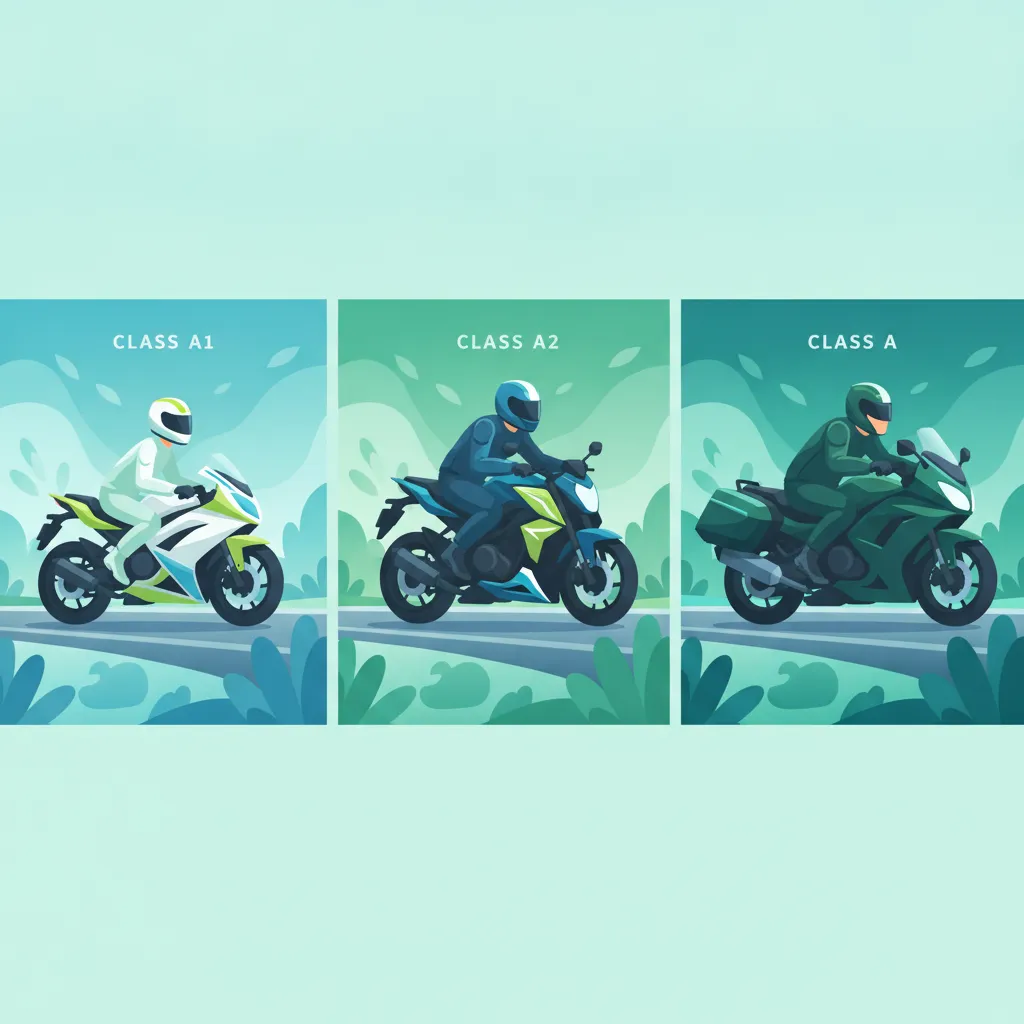
This lesson provides a comprehensive overview of Germany's tiered motorcycle licence system, including classes A1, A2, and A. It explains the specific restrictions on engine displacement, power output, and power-to-weight ratios for each category. The content also outlines the mandatory theoretical and practical examinations that applicants must pass to obtain certification for each licence level.

This lesson examines how different weather conditions, such as rain, strong winds, and fog, directly impact motorcycle safety. It explains how wet surfaces reduce tyre grip and increase braking distances, requiring smoother rider inputs. The content also provides strategies for managing reduced visibility and the physical effects of crosswinds on the motorcycle's stability.

This lesson covers the appropriate steps to take in the event of a vehicle breakdown or an accident. It details procedures for safely moving the motorcycle out of traffic, making the area visible with hazard warnings, and contacting emergency services. The content emphasizes personal safety and the correct protocol for managing the scene until professional help arrives.

This lesson teaches the essential observation techniques required for safe riding, focusing on the systematic use of mirrors and shoulder checks to manage blind spots. It emphasizes developing active scanning habits to maintain constant situational awareness of the surrounding traffic environment. Learners will understand how effective head movement and use of peripheral vision are critical for detecting potential hazards early.

This lesson details the correct procedures for entering a motorway, using the acceleration lane to match traffic speed, and merging safely. It reinforces the strict lane discipline required, including keeping to the right lane except when overtaking. The content also provides guidance on maintaining increased following distances and performing safe lane changes at high speeds.
Learn how to achieve a secure and correct fit for your motorcycle helmet, vital for its protective function. Discover best practices for helmet maintenance, including visor care and retention system checks, as per German traffic regulations.

This lesson explores the range of protective clothing materials available, comparing textile and leather options and highlighting the benefits of integrated armor. It explains how a layering system provides thermal comfort and adaptability for various weather conditions without compromising abrasion resistance. Learners will understand how to select appropriate gear for year-round protection and comfort during their rides.
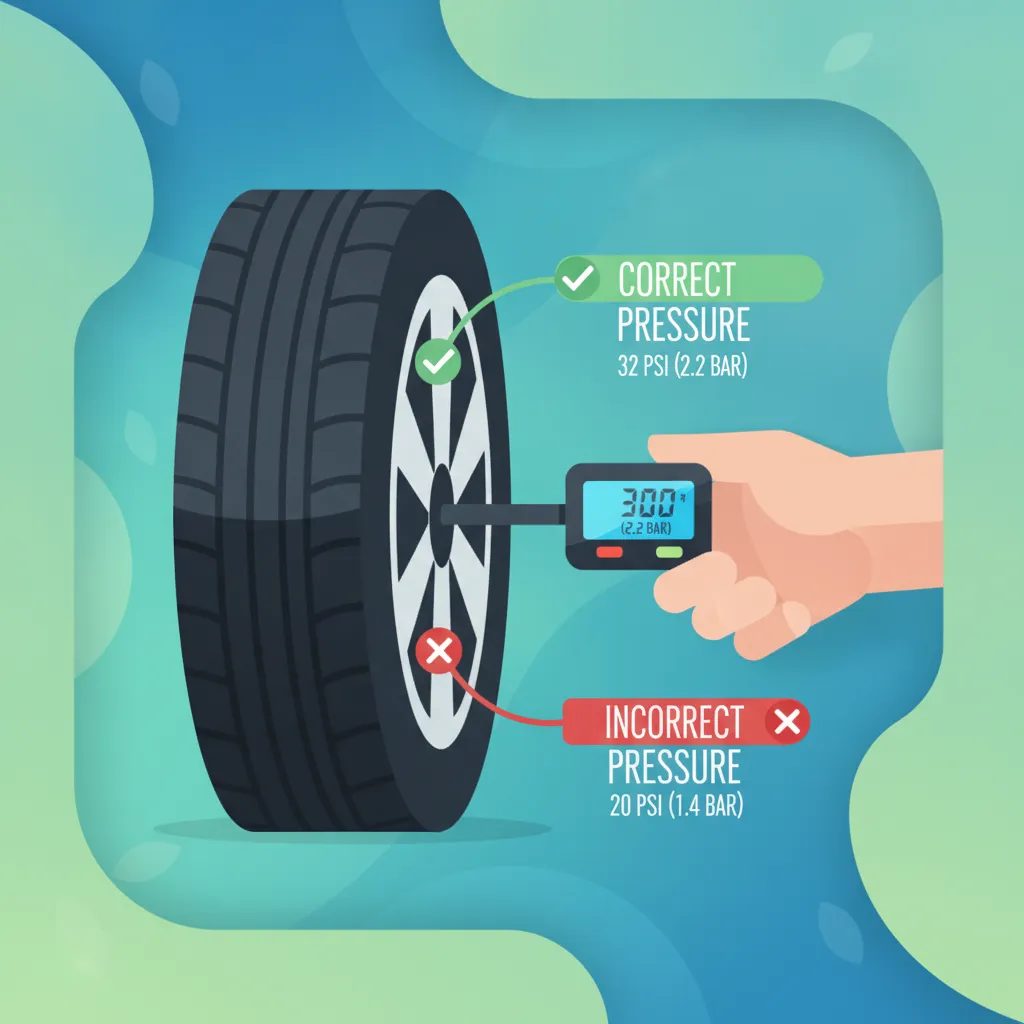
This lesson focuses on the importance of tyres and wheels for motorcycle safety and performance. It explains how to select appropriate tyres and the significance of maintaining correct tyre pressure, load rating, and tread depth. Detailed instructions are provided for conducting regular inspections to recognize signs of wear or damage and ensure optimal grip in various conditions.
This lesson focuses on strategies to enhance a rider's visibility to others, a key aspect of motorcycle safety. It explains how high-visibility gear with neon colors and retroreflective materials functions to make the rider more conspicuous during both day and night. The content covers different types of reflective accessories and their proper placement to maximize effectiveness in traffic.
This lesson teaches the essential observation techniques required for safe riding, focusing on the systematic use of mirrors and shoulder checks to manage blind spots. It emphasizes developing active scanning habits to maintain constant situational awareness of the surrounding traffic environment. Learners will understand how effective head movement and use of peripheral vision are critical for detecting potential hazards early.
This lesson details the importance of personal protective equipment for rider safety. It covers the legal standards for helmets in Germany, the benefits of wearing abrasion-resistant jackets and gloves, and the value of high-visibility clothing. It also explains the proper use of vehicle lighting systems to ensure visibility to others.

This lesson teaches crucial risk awareness and accident prevention strategies for motorcyclists. It examines common accident scenarios and teaches riders how to identify potential hazards in advance. Key concepts include defensive riding, maintaining situational awareness, and understanding how a proactive mindset contributes to a safer riding experience on the road.
This lesson informs riders about the legal ramifications of dangerous riding and traffic violations under German law. It outlines potential penalties, including fines, points, and license suspension, as well as the impact on insurance. The content also provides a step-by-step guide on the correct procedures for reporting an accident to the police and documenting the scene for legal and insurance purposes.
This lesson highlights the specific risks associated with motorcyclists, who are less visible and more vulnerable than car drivers. It teaches you to actively look for motorcycles, especially at intersections and during lane changes, as their smaller profile can be easily missed. You will learn about their potential for rapid acceleration and instability, emphasizing the need for extra following distance.
This lesson examines how different weather conditions, such as rain, strong winds, and fog, directly impact motorcycle safety. It explains how wet surfaces reduce tyre grip and increase braking distances, requiring smoother rider inputs. The content also provides strategies for managing reduced visibility and the physical effects of crosswinds on the motorcycle's stability.
This lesson teaches riders how to conduct a simple but crucial pre-ride inspection of their vehicle. It provides step-by-step guidance on checking tyre pressure and tread depth, verifying brake function, and ensuring all lights are operational. Regular maintenance is presented as a fundamental responsibility for every rider.
Find clear answers to common questions learners have about Helmet Types, Fit, and Safety Standards. Learn how the lesson is structured, which driving theory objectives it supports, and how it fits into the overall learning path of units and curriculum progression in Germany. These explanations help you understand key concepts, lesson flow, and exam focused study goals.
The ECE label signifies that the helmet has been tested and approved according to strict European safety standards. In Germany, only helmets meeting these current ECE regulations are legally permitted for use on motorcycles.
A helmet should fit snugly around your entire head without causing painful pressure points. When you move your head from side to side, the helmet should move with your skin, not slide independently; if it feels loose, it is too large.
Yes, even if there is no visible damage, an impact can cause internal structural damage to the shock-absorbing liner. For your own safety and to comply with best practice, it should be replaced after a significant drop or accident.
While the law does not dictate a specific helmet style like full-face or open-face, all helmets must meet the valid ECE safety standards. Full-face helmets are generally recommended for the highest level of protection during your training and beyond.
Begin your targeted revision now. Use our practice search to quickly find specific German driving theory questions. Filter by StVO rules, road signs, or hazard perception to create your focused study plan. Master challenging areas and prepare confidently for your theoretical driving test.