
Carrying a passenger on your A2 motorcycle introduces critical changes to how the bike handles and brakes, directly affecting stopping distances and maneuverability. This article breaks down these physical dynamics and clearly outlines your legal obligations as a rider in the Netherlands. Learn how to ensure a safe journey for both yourself and your passenger, preparing you effectively for theory and real-world riding.
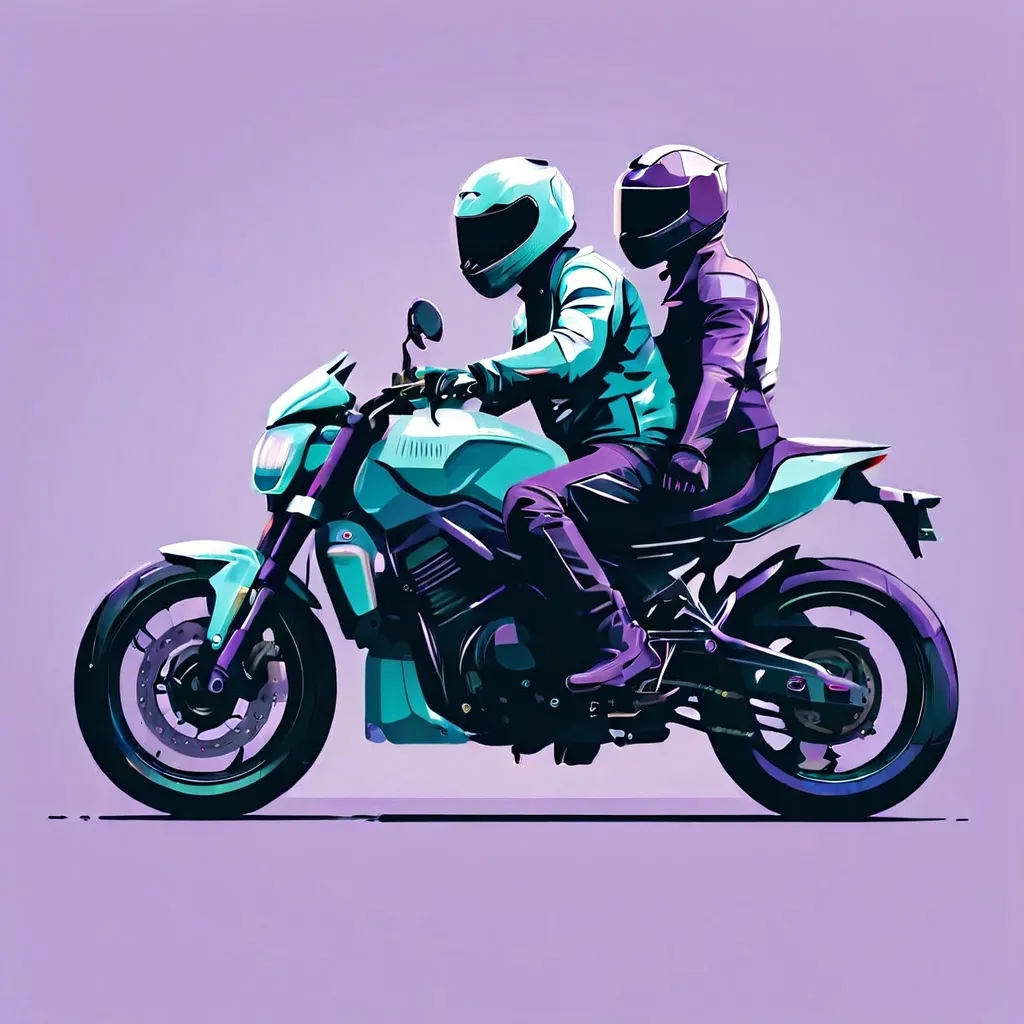
Article content overview
Carrying a passenger on your A2 motorcycle transforms the riding experience, introducing new dynamics to handling and significantly impacting braking distances. Understanding these physics and the associated legal responsibilities is paramount for both passing your theory exam and ensuring the safety of yourself and your pillion rider on Dutch roads. This comprehensive guide delves into the critical aspects of motorcycle passenger safety, covering how added weight affects the bike's behaviour and the rider's legal obligations under Dutch traffic law.
Adding a passenger to your A2 motorcycle introduces a considerable shift in the vehicle's centre of gravity and overall weight. This weight transfer is not merely an increase in mass; it directly influences how the motorcycle responds to your inputs and how effectively it can decelerate. As the rider, you must anticipate these changes to maintain control and ensure a safe journey.
When a passenger mounts the motorcycle, their weight is primarily distributed towards the rear of the bike. This rearward shift of mass has a profound effect on braking. With more weight on the rear wheel, the front wheel carries less load. This reduced load on the front tyre diminishes its grip, making it more susceptible to locking up under hard braking. Consequently, the overall braking distance of the motorcycle increases, often by a significant margin, demanding earlier and more deliberate application of the brakes. Understanding this weight transfer is a key element tested in the Dutch driving theory exams, as it directly relates to safe stopping capabilities.
Furthermore, the passenger's movements, even subtle ones, can affect the motorcycle's stability. While a well-instructed passenger will aim to move with the rider and the bike's lean, any unexpected shifts can disrupt the motorcycle's balance. This is particularly noticeable during cornering. A passenger who leans too much or too little, or at the wrong time, can cause the motorcycle to feel unstable, potentially leading to a loss of control. This is why clear communication and instruction for the pillion rider are essential, turning a two-person ride into a coordinated effort.
The increased braking distance when carrying a passenger is a critical safety consideration. Dutch traffic regulations and the theory exam emphasize that riders must always account for this. It's not just about applying more pressure; it's about anticipating the need for braking much earlier than you would when riding solo. This requires a proactive approach to speed management and a keen awareness of your surroundings to allow for the extended stopping time. For A2 license holders, mastering this aspect is vital, as the engine capacity and performance of A2 motorcycles mean they are often used for commuting and longer journeys where carrying a passenger is common.
Cornering requires a delicate balance of throttle, brakes, and body positioning. With a passenger, this balance is more challenging to achieve. The passenger's weight can exaggerate the effects of your lean. For example, if you lean into a corner, the passenger's inertia will try to keep them upright, effectively pushing against your lean. This requires the rider to compensate, often by leaning slightly more, or by ensuring the passenger mirrors the rider's movements as much as possible. Maintaining a smooth and consistent speed through corners is also crucial, as sudden acceleration or deceleration can be unsettling for the passenger and destabilize the motorcycle.
In the Netherlands, the rider of a motorcycle bears the ultimate legal responsibility for the safety of their passenger. This duty of care extends beyond simply avoiding accidents; it encompasses ensuring the passenger is transported safely and legally. The Dutch traffic law, as reflected in the CBR theory exams, outlines specific requirements and expectations for riders.
While not always explicitly a requirement for every passenger on every two-wheeled vehicle in the Netherlands (as seen with certain bicycle exceptions), for motorcycles, the expectation is high. Although specific legislation might focus on helmets for mopeds and microcars, the overarching principle of safe transport applies universally. It is a rider's inherent responsibility to ensure their passenger is as safe as possible, and this implicitly includes wearing appropriate safety gear. For motorcycles, this invariably means a well-fitting helmet.
While the law might specify helmet requirements for certain vehicle types, the general duty of care for motorcycle riders in the Netherlands dictates that passengers must be adequately protected. This means ensuring they wear a properly fitting helmet that meets safety standards, alongside any other appropriate protective clothing. Failure to do so can have serious legal and safety consequences.
Dutch traffic regulations specify conditions for transporting passengers, particularly younger ones. For passengers under 8 years old on cycles and mopeds, they must be seated in a suitable and safe facility with sufficient support for their back, hands, and feet. While this specific rule is often cited for bicycles and mopeds, the principle of providing adequate support and ensuring the passenger is securely seated applies to motorcycles as well. Riders are forbidden from transporting passengers in any way not described or implied by safety regulations. This means passengers must occupy a designated seat and not be positioned in a manner that compromises the rider's control or their own safety.
A designated seat on a motorcycle refers to the official passenger seat equipped with proper footrests and sufficient space for the passenger to sit securely behind the rider. It is not permissible to carry a passenger in a way that compromises the motorcycle's stability, balance, or the rider's ability to operate the vehicle safely.
The Dutch traffic law prohibits certain unsafe transport methods for all vehicles. Passengers are not permitted to ride in a boot or cargo area, nor can they stand or sit in a trailer or caravan while it is being driven. While these rules are more commonly associated with cars and trailers, they underscore the fundamental principle that passengers must be in a secure and appropriate location within the vehicle designed for their transport. For a motorcycle, this reinforces that the passenger must be seated correctly on the designated passenger seat.
The Dutch driving theory exam for motorcycles, including the A2 category, will test your understanding of passenger safety. Examiners want to see that you comprehend the added risks and responsibilities that come with carrying a pillion. Expect questions that focus on the practical implications of weight distribution and your legal obligations.
Common question types might include:
A frequent mistake learners make is underestimating the impact of passenger weight. They might approach braking or cornering with the same technique they use when riding alone, leading to unsafe situations. Another pitfall is not adequately instructing the passenger on how to behave on the bike, which can lead to unpredictable movements that affect handling.
Always practice riding with a passenger in a safe, controlled environment before taking them on public roads. This allows you to get accustomed to the changes in handling and braking without the pressure of traffic. Communicate clearly with your passenger about what you expect from them, especially regarding movement during acceleration, braking, and cornering.
Understanding the principles of safe transport, the physics of weight transfer, and the legal framework provided by Dutch traffic law are essential for becoming a responsible A2 motorcycle rider. By mastering these elements, you not only prepare yourself effectively for the theory exam but also contribute to a safer road environment for everyone.
Carrying a passenger on an A2 motorcycle fundamentally changes its physics: rearward weight transfer reduces front-wheel grip, significantly increasing braking distances and requiring earlier, smoother brake application. Cornering becomes more challenging as the passenger's inertia resists the rider's lean, demanding coordinated movement and clear communication between rider and pillion. Under Dutch traffic law, the rider holds full legal responsibility for passenger safety, including ensuring proper protective gear and a designated secure seat. These principles of weight dynamics, handling adjustments, and legal duties are essential for both safe riding and passing the CBR theory exam.
A short set of high-value points that capture the most important ideas from this article.
Passenger weight shifts the motorcycle's center of gravity rearward, reducing front-wheel load and grip during braking
Braking distance increases significantly with a passenger, requiring earlier and more progressive brake application
Passenger movements during cornering can destabilize the bike; the rider must compensate by leaning slightly more or coordinating with the pillion
Under Dutch traffic law, the A2 rider bears full legal responsibility for the safety of their passenger at all times
Clear communication with the passenger about how to move during acceleration, braking, and cornering is essential for safe transport
Rearward weight transfer makes the front brake more prone to locking under hard braking
Anticipate braking much earlier than when riding solo to account for increased stopping distances
Passengers should mirror the rider's lean and avoid sudden or unexpected movements
Passengers must occupy a designated seat with proper footrests and wear a properly fitting helmet
The rider must ensure the passenger is adequately protected and transported safely under Dutch traffic law
Applying brakes with the same technique as solo riding, risking front-wheel lockup due to reduced front grip
Failing to brief the passenger on how to behave during cornering, acceleration, or braking
Underestimating how passenger inertia pushes against the rider's lean, causing instability in corners
Not practicing with a passenger in a controlled environment before navigating public roads
Carrying a passenger in a position that compromises the motorcycle's stability or the rider's control
Article content overview
A short set of high-value points that capture the most important ideas from this article.
Passenger weight shifts the motorcycle's center of gravity rearward, reducing front-wheel load and grip during braking
Braking distance increases significantly with a passenger, requiring earlier and more progressive brake application
Passenger movements during cornering can destabilize the bike; the rider must compensate by leaning slightly more or coordinating with the pillion
Under Dutch traffic law, the A2 rider bears full legal responsibility for the safety of their passenger at all times
Clear communication with the passenger about how to move during acceleration, braking, and cornering is essential for safe transport
Rearward weight transfer makes the front brake more prone to locking under hard braking
Anticipate braking much earlier than when riding solo to account for increased stopping distances
Passengers should mirror the rider's lean and avoid sudden or unexpected movements
Passengers must occupy a designated seat with proper footrests and wear a properly fitting helmet
The rider must ensure the passenger is adequately protected and transported safely under Dutch traffic law
Applying brakes with the same technique as solo riding, risking front-wheel lockup due to reduced front grip
Failing to brief the passenger on how to behave during cornering, acceleration, or braking
Underestimating how passenger inertia pushes against the rider's lean, causing instability in corners
Not practicing with a passenger in a controlled environment before navigating public roads
Carrying a passenger in a position that compromises the motorcycle's stability or the rider's control
Explore related topics, search based questions, and concepts that learners often look up when studying A2 Motorcycle Passenger Safety. These themes reflect real search intent and help you understand how this topic connects to wider driving theory knowledge in the Netherlands.
Find clear and practical answers to common questions learners often have about A2 Motorcycle Passenger Safety. This section helps explain difficult points, remove confusion, and reinforce the key driving theory concepts that matter for learners in the Netherlands.
A passenger increases the total weight of the motorcycle, requiring a longer distance to stop. The rider must anticipate this and brake earlier.
The rider is legally responsible for the passenger's safety, including ensuring they are properly seated, wearing appropriate safety gear like a helmet, and that the motorcycle's load is balanced.
A passenger's weight shifts the motorcycle's centre of gravity, affecting stability, cornering, and lean angle. The rider needs to adjust their riding style accordingly.
Yes, both the rider and passenger of a moped, motorcycle, or three-wheeled motor vehicle without an enclosed compartment must wear a properly fitting helmet that meets safety standards.
Proper weight distribution is crucial for stability and predictable handling. The passenger should sit close to the rider and avoid sudden movements that could destabilize the motorcycle.
Start your targeted search now to explore a vast library of official Dutch driving theory articles and guides. Reinforce your understanding of specific traffic rules or road signs to ensure you are fully prepared for your upcoming CBR theory exam. Discover comprehensive explanations tailored for success.