
Now that you've earned your full A licence in the Netherlands, selecting your first motorcycle is an exciting next step. This guide explores the types of bikes best suited for new riders, from versatile adventure models to nimble naked bikes. We'll cover crucial factors like ergonomics, insurance costs, and maintenance needs to help you make a practical and enjoyable choice for your riding journey.
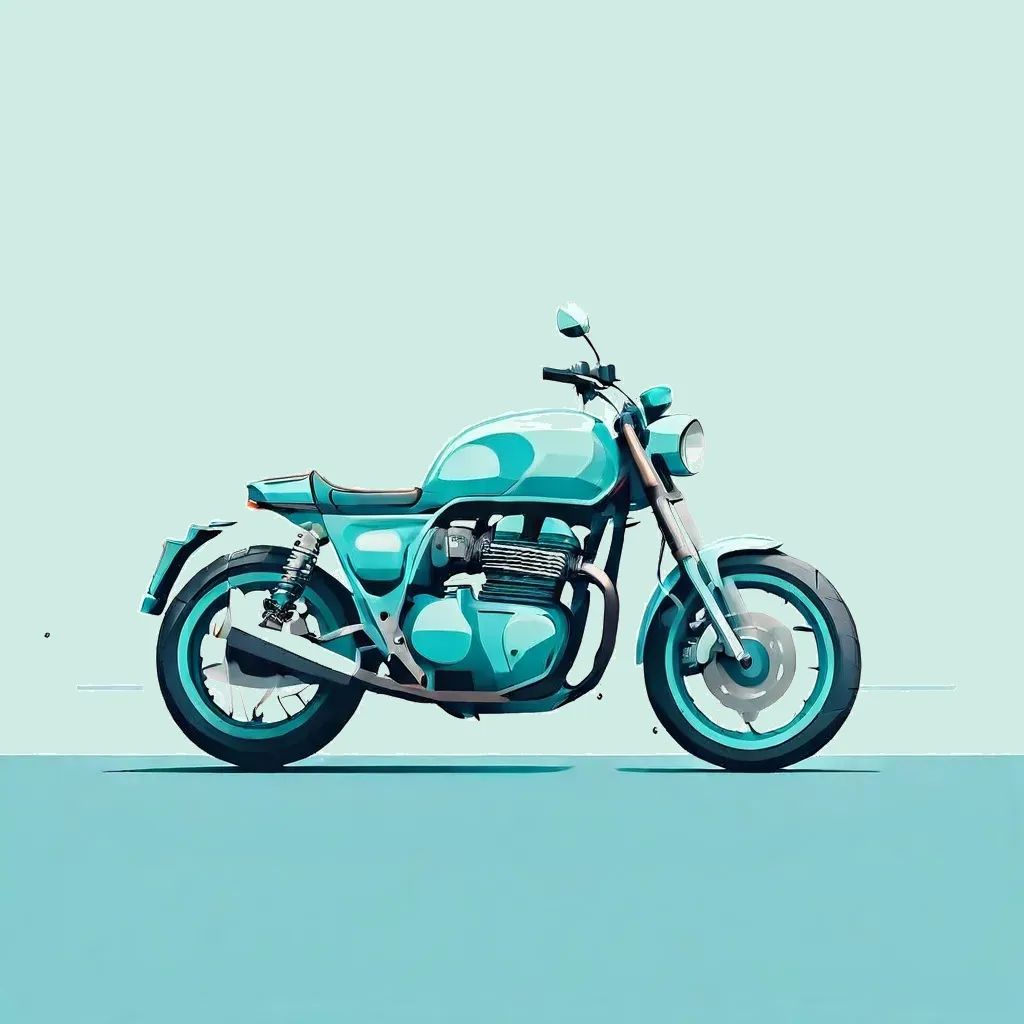
Article content overview
Congratulations on obtaining your full Category A driving licence in the Netherlands! This is a significant achievement, opening the door to a world of motorcycling experiences. Now comes the exciting, yet crucial, step of selecting your first motorcycle. With the Dutch road network and CBR standards in mind, this guide will help you navigate the choices available to new licence holders, ensuring your first bike is a safe, enjoyable, and practical companion for your riding journey.
The Dutch motorcycle licence system, overseen by the CBR, categorises motorcycles based on power and engine capacity. While you now hold the coveted full Category A licence, it's important to understand its implications. Unlike restricted licences, the full A licence grants you access to all motorcycle categories without age-based restrictions on power. This means you can ride anything from a small, nimble learner bike to a powerful litre-class machine. However, as a new rider, jumping onto the most powerful motorcycle might not be the wisest choice. The CBR, and by extension your learning app, emphasizes safe riding practices and progressive skill development, which is paramount when selecting your first machine.
The journey to the full A licence can involve subcategories like A1 (lower power) and A2 (medium power). Even if you bypassed these or held them previously, the full A licence removes these limitations. However, the theory and practical exams are designed to build a solid foundation, and your first motorcycle purchase should reflect this foundation, prioritising control and confidence over raw performance.
Selecting your first motorcycle is a personal decision, but certain factors are universally important, especially when riding in the Dutch context. Your budget, intended use, and personal comfort should be at the forefront of your decision-making process. Understanding these elements will help you filter through the vast array of available motorcycles.
The physical fit of a motorcycle is arguably the most critical factor for a new rider. This is where ergonomics come into play. You need a bike that allows you to comfortably reach the handlebars, operate the controls without strain, and place your feet firmly on the ground when stopped. Uneven weight distribution or an overly aggressive riding posture can lead to fatigue and reduced control, particularly during longer rides or in stop-and-go traffic, which is common in the Netherlands.
A motorcycle with an upright riding position, often found in naked or adventure bike categories, is generally more forgiving for beginners than a sportbike with clip-on handlebars that force a forward lean. When test riding, pay close attention to how the bike feels. Can you manoeuvre it easily at low speeds? Do your wrists feel comfortable? These details significantly impact your confidence and safety on the road.
Consider how you plan to use your motorcycle most often. If your primary goal is commuting through Dutch cities like Amsterdam or Utrecht, a smaller, more agile motorcycle with good fuel economy might be ideal. For longer touring trips across the Netherlands or even into neighbouring countries, a bike with comfortable ergonomics, luggage capacity, and perhaps some wind protection, such as an adventure or touring motorcycle, would be a better fit.
If your interest lies more in recreational riding on weekends, exploring scenic routes, or perhaps even track days (though not recommended for a first bike), the type of motorcycle might lean towards a sportier or more versatile model. However, it's crucial to match your ambition with your current skill level. A motorcycle that is too powerful or too aggressive for your experience can be dangerous.
In the Netherlands, motorcycle insurance costs can vary significantly depending on the bike's power, age, value, and the rider's experience. More powerful and expensive motorcycles generally incur higher insurance premiums. As a new rider, it’s advisable to factor insurance costs into your budget from the outset. Some motorcycle types, like older, less powerful models or those commonly used for commuting, may have lower insurance rates. Always get insurance quotes before finalising your purchase to avoid unexpected expenses.
Motorcycles, like any vehicle, require regular maintenance. Newer bikes often come with a warranty and may have fewer immediate maintenance concerns, but their parts and labour can be more expensive. Older bikes might be more affordable to purchase, but could require more frequent repairs and maintenance. Research the general reliability and common issues of any model you are considering. Understanding typical maintenance schedules and costs for different types of motorcycles will help you budget and prepare for ownership. Many Dutch riders choose brands known for their durability and availability of parts.
With your full A licence, you have the freedom to choose from a wide spectrum of motorcycles. However, for your first bike, it's wise to consider categories that offer a good balance of performance, manageability, and rider-friendliness.
Naked bikes, also known as standard or street bikes, are often an excellent choice for new riders with a full A licence. They typically feature an upright riding position, making them comfortable for everyday use. Their engines are often tuned for more manageable power delivery, and they usually have a good balance between agility and stability. Naked bikes are versatile; they can handle commuting, spirited weekend rides, and even light touring with the addition of accessories like luggage racks or a small windscreen. Their exposed engines and frame also make them easier to work on for basic maintenance.
Adventure motorcycles, or "adv bikes," have surged in popularity due to their versatility. They are designed to handle a variety of terrains, from paved roads to unpaved tracks. This makes them ideal for riders who want the freedom to explore beyond the asphalt. They typically offer a commanding riding position, comfortable ergonomics for long distances, and often have robust build quality. While some larger adventure bikes can be heavy, many middleweight options are manageable for new riders. Their upright posture and suspension travel can make them more forgiving over imperfect road surfaces, a common feature in some parts of the Netherlands.
Touring motorcycles are built for long-distance travel. They prioritize comfort, rider and passenger accommodation, and luggage capacity. These bikes often feature large fairings for wind and weather protection, comfortable seats, and powerful engines capable of cruising at highway speeds effortlessly. While a full-sized touring bike might feel intimidating for a complete beginner, there are smaller, more accessible touring models or "sport-touring" bikes that offer a good compromise. If your primary intention is covering significant distances, a touring motorcycle is worth serious consideration, but ensure you can comfortably handle its weight and size.
Sportbikes are designed for performance and speed, featuring aggressive riding positions, powerful engines, and advanced suspension and braking systems. While the full A licence permits you to ride them, they are generally not recommended as a first motorcycle for most new riders. The aggressive riding posture can lead to fatigue, and the highly responsive engines and sensitive controls demand a higher level of skill and experience to manage safely. If a sportbike is your ultimate goal, consider starting with a less potent variant or a naked bike that shares some of its characteristics and then progressing to a full sportbike once you have honed your skills.
Before you commit to buying, several practical steps will ensure you make an informed decision. Test riding is non-negotiable, and understanding the buying process in the Netherlands is crucial.
Never buy a motorcycle without test riding it first. During a test ride, assess how the bike feels in motion. Pay attention to acceleration, braking, handling through corners, and its behaviour at low speeds. Can you comfortably execute a U-turn? Do the brakes feel responsive and controllable? Does the throttle application feel smooth or jerky? This hands-on experience is invaluable and will reveal more about a bike’s suitability than any spec sheet or review. Try to test ride a few different models and types to get a feel for what you prefer.
When inspecting a used motorcycle, look for signs of wear and tear, damage from drops (scratches on fairings, levers, or engine cases), and ensure all lights and indicators function correctly. Check the tyre condition and tread depth, as well as the brake pads and fluid. A pre-purchase inspection by a qualified mechanic is highly recommended for any used motorcycle to uncover hidden issues.
When buying from a dealership, they will guide you through the paperwork, including registration (kentekenregistratie) and insurance. If buying privately, ensure all documentation is in order, including the vehicle registration certificate (kentekencard) and proof of ownership. You will need to arrange your own insurance before you can ride the motorcycle legally on Dutch roads. Remember that riding without valid insurance is illegal and carries significant penalties.
Obtaining your full Category A licence is just the beginning of your motorcycling adventure in the Netherlands. Choosing your first motorcycle is a critical decision that impacts your safety, enjoyment, and learning experience. By prioritising ergonomics, considering your intended use, understanding insurance implications, and thoroughly testing potential bikes, you can make an informed choice. Always remember that safety and responsible riding are paramount. Your chosen machine should be a partner in your learning journey, not a challenge to be overcome.
This guide prepares new full A licence holders in the Netherlands to choose their first motorcycle by explaining how the licence works, what factors matter most (ergonomics, intended use, insurance, maintenance), and which bike categories suit beginners best. Naked bikes and adventure bikes are recommended as practical starter choices, while sportbikes are advised against for most new riders. The article also walks through the purchasing process in the Dutch context, emphasising the importance of test riding, documentation checks, and arranging insurance before the first legal ride.
A short set of high-value points that capture the most important ideas from this article.
Your full A licence removes all power restrictions, but that doesn't mean you should start on the most powerful bike available
Ergonomics is the most critical factor for a first motorcycle—a bike that fits your body will build confidence faster
Match the motorcycle type to your intended primary use: commuting, touring, recreation, or a mix of all three
Insurance costs vary significantly by bike power, value, and your experience level—factor this into your budget early
Always test ride before buying and get a pre-purchase inspection for used motorcycles
The CBR oversees Dutch motorcycle licensing and exam standards
Naked bikes and adventure bikes are generally the most forgiving categories for new full A riders
Sportbikes are not recommended as first motorcycles due to aggressive ergonomics and sensitive controls
You need valid insurance before riding legally on Dutch roads—riding without it carries penalties
The kentekencard and kentekenregistratie are the official Dutch vehicle registration documents you must handle when purchasing
Assuming the full A licence means you can safely handle any motorcycle immediately
Choosing a bike based purely on aesthetics or power rather than ergonomics and intended use
Underestimating total ownership costs by forgetting to budget for insurance premiums
Buying a used motorcycle without a proper pre-purchase inspection or checking documentation
Selecting a sportbike as a first bike due to its appearance, ignoring the fatigue and control challenges it creates for new riders
Article content overview
A short set of high-value points that capture the most important ideas from this article.
Your full A licence removes all power restrictions, but that doesn't mean you should start on the most powerful bike available
Ergonomics is the most critical factor for a first motorcycle—a bike that fits your body will build confidence faster
Match the motorcycle type to your intended primary use: commuting, touring, recreation, or a mix of all three
Insurance costs vary significantly by bike power, value, and your experience level—factor this into your budget early
Always test ride before buying and get a pre-purchase inspection for used motorcycles
The CBR oversees Dutch motorcycle licensing and exam standards
Naked bikes and adventure bikes are generally the most forgiving categories for new full A riders
Sportbikes are not recommended as first motorcycles due to aggressive ergonomics and sensitive controls
You need valid insurance before riding legally on Dutch roads—riding without it carries penalties
The kentekencard and kentekenregistratie are the official Dutch vehicle registration documents you must handle when purchasing
Assuming the full A licence means you can safely handle any motorcycle immediately
Choosing a bike based purely on aesthetics or power rather than ergonomics and intended use
Underestimating total ownership costs by forgetting to budget for insurance premiums
Buying a used motorcycle without a proper pre-purchase inspection or checking documentation
Selecting a sportbike as a first bike due to its appearance, ignoring the fatigue and control challenges it creates for new riders
Explore related topics, search based questions, and concepts that learners often look up when studying First Motorcycle for NL A Licence Holders. These themes reflect real search intent and help you understand how this topic connects to wider driving theory knowledge in the Netherlands.
Find clear and practical answers to common questions learners often have about First Motorcycle for NL A Licence Holders. This section helps explain difficult points, remove confusion, and reinforce the key driving theory concepts that matter for learners in the Netherlands.
New riders with a full A licence in the Netherlands can consider categories like naked bikes for versatility, touring bikes for comfort on longer rides, adventure bikes for varied terrain, and sport bikes for performance, provided they are manageable for a beginner.
When choosing your first motorcycle, consider ergonomics for comfort and control, your intended use (commuting, touring, leisure), insurance costs, maintenance requirements, and the bike's overall power and weight in relation to your experience.
While the CBR governs licensing, practical considerations in the Netherlands include understanding local insurance policies, potential noise restrictions in certain areas, and the availability of suitable maintenance services. Ensure your chosen bike complies with all Dutch road traffic legislation.
For a first motorcycle, a used bike is often recommended. It allows you to experience different types of riding and gain experience without a significant initial investment, and depreciation is less of a concern if you decide to upgrade sooner.
Start your targeted search now to explore a vast library of official Dutch driving theory articles and guides. Reinforce your understanding of specific traffic rules or road signs to ensure you are fully prepared for your upcoming CBR theory exam. Discover comprehensive explanations tailored for success.