
Navigating the nuances of the Dutch AM driving licence is essential for anyone looking to operate mopeds, scooters, speed pedelecs, or brommobielen. This article breaks down what each vehicle type entails under Dutch law and explains how your choice of practical exam at the CBR can affect your driving privileges. Gain clarity on age requirements and usage rules to confidently prepare for your theory and practical tests.
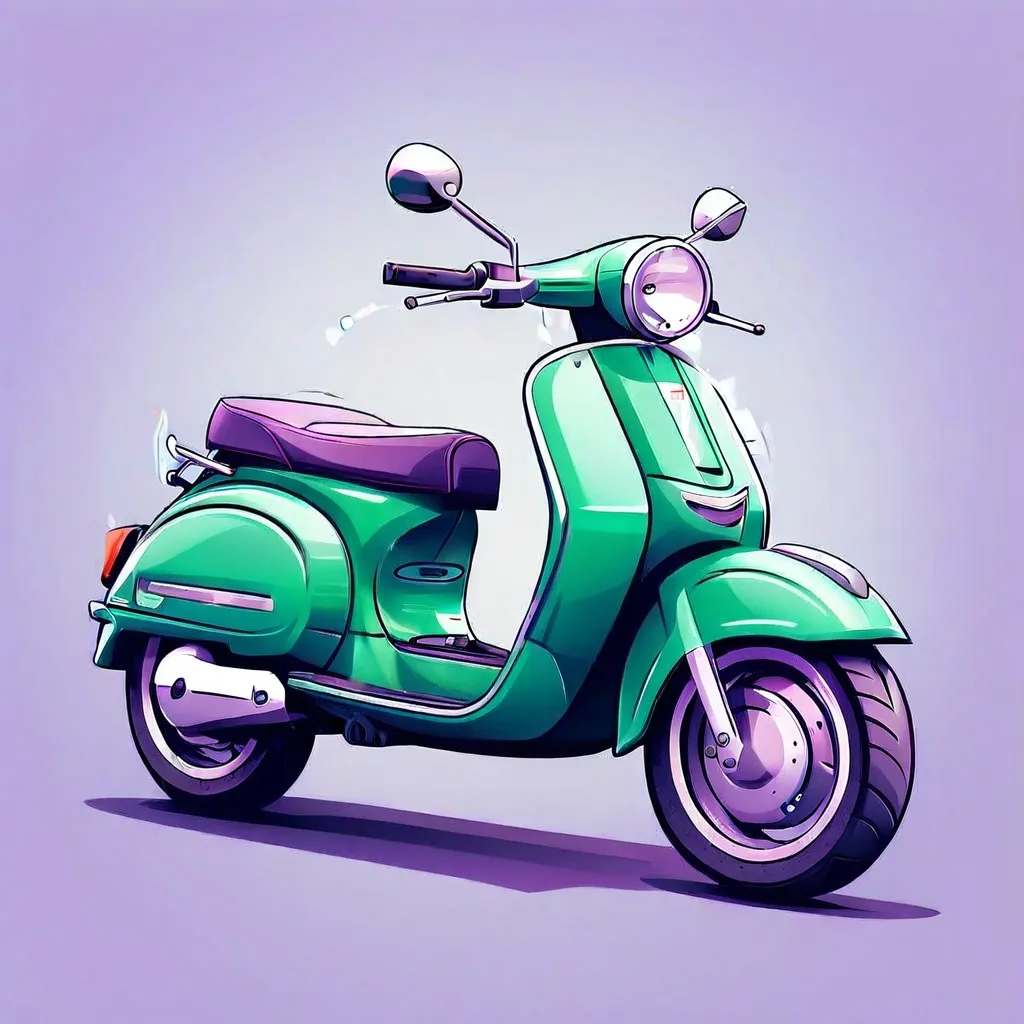
Article content overview
Obtaining a driving licence in the Netherlands is a significant step towards greater independence, and for many, this journey begins with understanding the different vehicle categories and their associated licence requirements. The Dutch AM driving licence is specifically designed for lighter, lower-speed motorised vehicles. It covers a range of vehicles including mopeds, scooters, and the increasingly popular speed pedelecs and brommobielen. Understanding the distinctions between these vehicle types, the specific rules that apply to them, and how your choices during the practical exam can impact your privileges is absolutely crucial for success in your CBR theory and practical tests. This comprehensive guide will demystify the AM licence, covering everything you need to know about age requirements, vehicle specifics, and legal usage in the Netherlands.
The Category AM driving licence is your gateway to operating a variety of two- and four-wheeled vehicles that fall under specific speed and size regulations in the Netherlands. It is important to note that the AM licence is distinct from the car (B) or motorcycle (A) licences, though holding a B or A licence can automatically grant you AM privileges. The vehicles covered by the AM licence are typically those that do not require the full speed and safety features mandated for cars or motorcycles. This includes a spectrum of personal transport options, each with its own characteristics and user expectations, all regulated under Dutch traffic law.
The core purpose of the AM licence is to ensure that operators of these lighter vehicles possess a fundamental understanding of traffic rules, hazard perception, and safe driving practices. This is assessed through both a theory exam and a practical driving test administered by the CBR. Successfully navigating these assessments demonstrates your readiness to share the road safely with other traffic participants, whether you are on a nimble scooter or a compact brommobiel.
This is the specific driving licence in the Netherlands required to legally operate mopeds, snorfietsen, speed pedelecs, and brommobielen. It signifies that the holder has met the necessary theoretical and practical requirements to operate these vehicles safely on public roads.
While all vehicles requiring an AM licence share certain regulatory similarities, they are not identical. Understanding the precise definition and characteristics of each is vital, as it can influence your practical exam choice and, consequently, your driving privileges. The most common types of vehicles you'll encounter under the AM category are mopeds, snorfietsen, speed pedelecs, and brommobielen. Each has distinct features related to speed, design, and sometimes, the road infrastructure they are permitted to use.
A moped (bromfiets) is a motorised two-wheeler designed for a maximum speed of 45 km/h. Snorfietsen are a specific type of moped that are designed for a lower maximum speed, typically 25 km/h, and are often distinguished by a blue license plate, whereas regular mopeds have a yellow license plate. They are generally quieter and less powerful than standard mopeds. This distinction can sometimes affect where they are permitted to travel.
The speed pedelec, also known as a high-speed e-bike, is an electrically assisted bicycle that can reach speeds of up to 45 km/h. Unlike regular e-bikes, the motor assistance on a speed pedelec does not stop at 25 km/h. Due to their higher speed, speed pedelecs are legally classified as mopeds in the Netherlands and require the AM licence, along with specific safety equipment like an approved helmet.
Finally, the brommobiel, often referred to as a moped car or microcar, is a small, enclosed two-seater vehicle. These are four-wheeled vehicles that have a maximum speed limit, typically 45 km/h, and are driven from within a cabin. They offer more protection from the elements than a two-wheeled vehicle but are subject to many of the same traffic rules as mopeds.
A type of moped in the Netherlands designed for a maximum speed of 25 km/h, typically identified by a blue license plate. They are subject to specific rules regarding their use on cycle paths and roads.
A general term for a moped in the Netherlands, covering vehicles designed for a maximum speed of 45 km/h. This category includes both two-wheeled mopeds with yellow plates and the four-wheeled brommobielen.
A high-speed electrically assisted bicycle that can reach speeds up to 45 km/h. Legally classified as a moped in the Netherlands, it requires an AM licence, an approved helmet, and insurance.
A small, enclosed four-wheeled vehicle that is legally classified as a moped. It has a maximum speed of 45 km/h and requires an AM driving licence.
To earn your Dutch AM driving licence, you must successfully complete both a theory exam and a practical driving test administered by the Central Bureau for Driving Licences (CBR). The theory exam covers a broad range of knowledge, including traffic rules, hazard perception, road signs, and safe driving behaviour relevant to all AM-eligible vehicles. It’s essential to prepare thoroughly for this exam, as a solid theoretical foundation is paramount for safe operation on the road.
For the practical exam, you have a crucial choice that can significantly impact your driving privileges. You can opt to take the practical exam on a two-wheeled moped or in a brommobiel. The outcome of this choice is directly linked to the types of vehicles you will be legally permitted to drive after passing.
If you pass your practical exam on a two-wheeled moped, you will be qualified to ride all vehicles within the AM category. This means you can operate mopeds, snorfietsen, speed pedelecs, and even brommobielen. This offers the broadest scope of privileges.
However, if you choose to take your practical exam specifically in a brommobiel, your licence will be restricted. In this scenario, you will only be qualified to drive a brommobiel. You will not be permitted to ride a moped, snorfiets, or speed pedelec. Therefore, carefully consider which vehicles you intend to use most frequently and choose your practical exam accordingly.
The minimum age requirements for obtaining an AM licence are structured to ensure a certain level of maturity and experience before operating these vehicles. You can take the theory exam for your AM licence from the age of 15 and a half. For the practical exam and driving lessons, you must be at least 16 years old. This staggered approach allows learners to build foundational knowledge before progressing to the practical skills required on the road.
The Central Bureau for Driving Licences (Centraal Bureau Rijvaardigheidsbewijzen) is the Dutch organisation responsible for conducting theory and practical driving tests for all vehicle categories.
Operating a vehicle under the AM licence umbrella comes with a specific set of rules that are crucial for safety and compliance. One of the most prominent requirements, particularly for speed pedelecs and mopeds, is the mandatory use of an approved helmet. For speed pedelecs, this helmet must meet the NTA 8776:2016 standard. Regular mopeds and snorfietsen require an approved moped helmet, which can be identified by an 'E' keurmerk, with the number '4' indicating approval within the Netherlands.
Failure to wear an approved helmet when required for a moped, snorfiets, or speed pedelec can result in fines and is a significant safety hazard. Always ensure your helmet is properly fitted and approved.
Speed pedelecs also have specific rules regarding road usage. While they are classified as mopeds and can travel up to 45 km/h on the roadway, their permitted speeds on cycle/moped paths differ. Outside built-up areas, the maximum speed on these paths is 40 km/h, and within built-up areas, it is reduced to 30 km/h. Furthermore, using electronic devices such as mobile phones while operating a speed pedelec is prohibited.
All vehicles in the AM category must have third-party liability insurance and carry their registration certificate. Equipment like a yellow moped license plate (for bromfietsen and speed pedelecs), a left rearview mirror, and appropriate reflectors are also mandatory.
Understanding priority rules is a cornerstone of Dutch traffic law and applies equally to AM vehicle operators. While many AM vehicles can use cycle paths, this is not always the case, and drivers must be aware of signage. For instance, a speed pedelec is generally not allowed to ride on a bicycle path unless specifically indicated.
Road signs play a critical role. For example, signs indicating priority roads or specific lane usage must be observed. The general rule of thumb is to always be aware of your surroundings and to yield to vehicles with priority, such as those coming from the right at unmarked intersections, unless indicated otherwise by signs or traffic signals. The CBR theory exam heavily tests your understanding of these priority situations, so familiarise yourself thoroughly with all relevant signs and rules.
A unique aspect of the Dutch driving licence system is that holding a Category B (car) or Category A (motorcycle) licence can automatically grant you the privileges of a Category AM licence. If you obtain a Category B licence, you will automatically be issued a Category AM licence as well. This means you are permitted to ride a snorfiets, moped, speed pedelec, or brommobiel, even if you haven't specifically taken the AM exams. This privilege extends even before you reach the age of 18, provided you hold a valid B licence.
Similarly, if you possess a Category A licence, you may also be qualified to operate vehicles in the AM category. This integration of licences aims to simplify the licensing process for individuals who already possess qualifications for other motorised vehicle categories. However, it is still essential for drivers with an integrated AM licence to understand the specific rules and regulations pertaining to mopeds, speed pedelecs, and brommobielen, as they may differ from those governing cars and motorcycles.
Even if you have an integrated AM licence through your B or A licence, it is highly recommended to review the specific theory material for the AM category. This ensures you are fully aware of the unique rules and safety considerations for these vehicles, which are often tested in practice.
Success in your AM licence exams hinges on dedicated preparation. The theory exam, valid for all AM subcategories, tests your comprehensive knowledge of Dutch traffic law, safe driving practices, and hazard recognition. Utilising a reputable learning app, like Dutch Driving License Theory, which bases its content on official legislation and CBR standards, is an excellent way to grasp these concepts thoroughly. Focus on understanding the reasoning behind rules, not just memorising them, as exam questions often present nuanced scenarios.
For the practical exam, practice is key. If you choose the two-wheeled moped practical exam, you will be assessed on your ability to control the vehicle, navigate traffic, observe rules, and interact safely with other road users. If you opt for the brommobiel exam, the assessment will focus on your ability to operate that specific vehicle safely and confidently within traffic. Regardless of your choice, understanding the specific requirements for each vehicle type and practising common manoeuvres and road situations will significantly boost your confidence and performance.
The Dutch AM driving licence covers a range of vehicles from snorfietsen (25 km/h, blue plate) to bromfietsen and speed pedelecs (45 km/h, yellow plate) and brommobielen (four-wheeled microcars). The critical decision point is your practical exam choice: passing on a two-wheeled moped grants full AM access, while passing in a brommobiel restricts you to that vehicle only. Speed pedelecs are electrically assisted bicycles classified as mopeds, requiring an AM licence and NTA 8776:2016 helmet standard. Remember that Category B or A licence holders automatically receive AM privileges, though specific AM theory study is still recommended for safe operation.
A short set of high-value points that capture the most important ideas from this article.
The AM licence covers mopeds (bromfiets, up to 45 km/h), snorfietsen (up to 25 km/h), speed pedelecs (up to 45 km/h), and brommobielen (four-wheeled, up to 45 km/h)
Snorfietsen are identified by blue license plates; other mopeds and speed pedelecs use yellow plates
Speed pedelecs require an approved helmet meeting NTA 8776:2016 standard, not a standard moped helmet
The choice between a two-wheeled moped and brommobiel for your practical exam determines your full driving privileges
A Category B or A licence automatically grants AM privileges, allowing you to drive mopeds even before age 18
Snorfietsen are limited to 25 km/h; bromfietsen and speed pedelecs are limited to 45 km/h
Two-wheeled moped practical exam = full AM access to all AM vehicles; brommobiel exam = restricted to brommobielen only
Theory exam minimum age is 15.5; practical exam and lessons minimum age is 16
Speed pedelecs on cycle/moped paths: 40 km/h outside built-up areas, 30 km/h inside built-up areas
Helmet must display an 'E' keurmerk with number '4' for Netherlands approval on mopeds
Assuming a brommobiel practical exam also qualifies you to ride a moped or snorfiets - it does not
Confusing regular e-bikes with speed pedelecs; only speed pedelecs (up to 45 km/h) require an AM licence
Thinking that having a car (B) licence automatically means you know AM rules for mopeds without studying specifically
Believing all mopeds can use cycle paths; speed pedelecs and some mopeds have restrictions based on signage
Forgetting that electronic devices are prohibited while operating a speed pedelec
Article content overview
A short set of high-value points that capture the most important ideas from this article.
The AM licence covers mopeds (bromfiets, up to 45 km/h), snorfietsen (up to 25 km/h), speed pedelecs (up to 45 km/h), and brommobielen (four-wheeled, up to 45 km/h)
Snorfietsen are identified by blue license plates; other mopeds and speed pedelecs use yellow plates
Speed pedelecs require an approved helmet meeting NTA 8776:2016 standard, not a standard moped helmet
The choice between a two-wheeled moped and brommobiel for your practical exam determines your full driving privileges
A Category B or A licence automatically grants AM privileges, allowing you to drive mopeds even before age 18
Snorfietsen are limited to 25 km/h; bromfietsen and speed pedelecs are limited to 45 km/h
Two-wheeled moped practical exam = full AM access to all AM vehicles; brommobiel exam = restricted to brommobielen only
Theory exam minimum age is 15.5; practical exam and lessons minimum age is 16
Speed pedelecs on cycle/moped paths: 40 km/h outside built-up areas, 30 km/h inside built-up areas
Helmet must display an 'E' keurmerk with number '4' for Netherlands approval on mopeds
Assuming a brommobiel practical exam also qualifies you to ride a moped or snorfiets - it does not
Confusing regular e-bikes with speed pedelecs; only speed pedelecs (up to 45 km/h) require an AM licence
Thinking that having a car (B) licence automatically means you know AM rules for mopeds without studying specifically
Believing all mopeds can use cycle paths; speed pedelecs and some mopeds have restrictions based on signage
Forgetting that electronic devices are prohibited while operating a speed pedelec
Explore related topics, search based questions, and concepts that learners often look up when studying Dutch AM Licence Explained. These themes reflect real search intent and help you understand how this topic connects to wider driving theory knowledge in the Netherlands.
Find clear and practical answers to common questions learners often have about Dutch AM Licence Explained. This section helps explain difficult points, remove confusion, and reinforce the key driving theory concepts that matter for learners in the Netherlands.
A snorfiets is a type of moped with a maximum speed of 25 km/h, often identifiable by its blue license plate. A bromfiets also has a yellow license plate and can reach speeds up to 45 km/h. A speed pedelec is a high-speed e-bike capable of reaching 45 km/h and requires an AM licence, helmet, and insurance, similar to a bromfiets.
The Dutch AM driving licence covers mopeds (bromfietsen and snorfietsen), speed pedelecs, and brommobielen (moped cars). Having an AM licence allows you to operate all these vehicle types.
You can take the theory exam for the AM licence from age 15.5. You can take the practical exam and start driving from age 16.
If you pass the practical exam in a brommobiel, your AM licence will be restricted, meaning you can only drive a brommobiel. To drive mopeds, snorfietsen, and speed pedelecs, you must pass the practical exam on a two-wheeled moped.
No, if you possess a Dutch driving licence for category B (car) or A (motorcycle), the AM licence is automatically included. This means you are qualified to drive all vehicles in the AM category without needing a separate AM licence.
Start your targeted search now to explore a vast library of official Dutch driving theory articles and guides. Reinforce your understanding of specific traffic rules or road signs to ensure you are fully prepared for your upcoming CBR theory exam. Discover comprehensive explanations tailored for success.