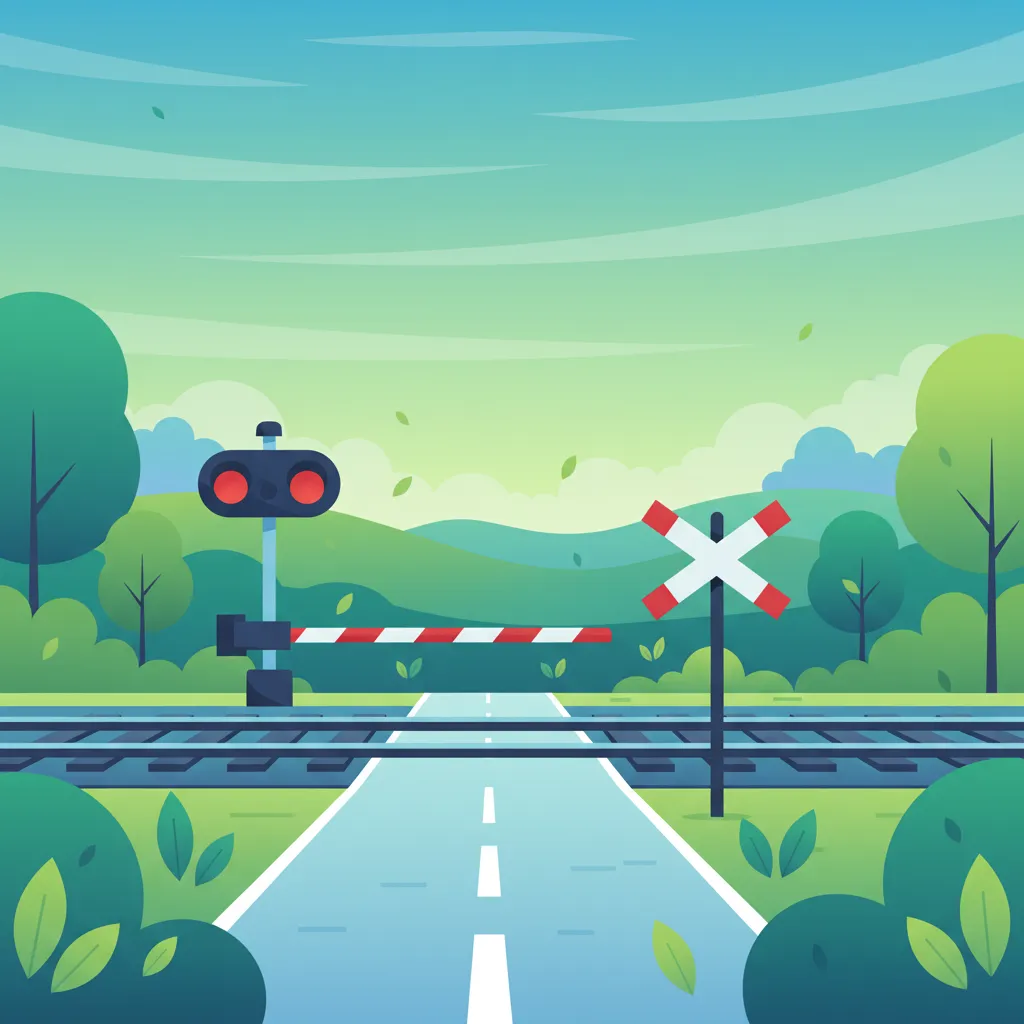
Prepare for the official Dutch driving theory exam by mastering railway crossing rules. This set focuses on distinguishing between active crossings (with signals or barriers) and passive crossings (with only warning signs). Understand priority rules, required actions, and how to safely approach all types of level crossings in the Netherlands.
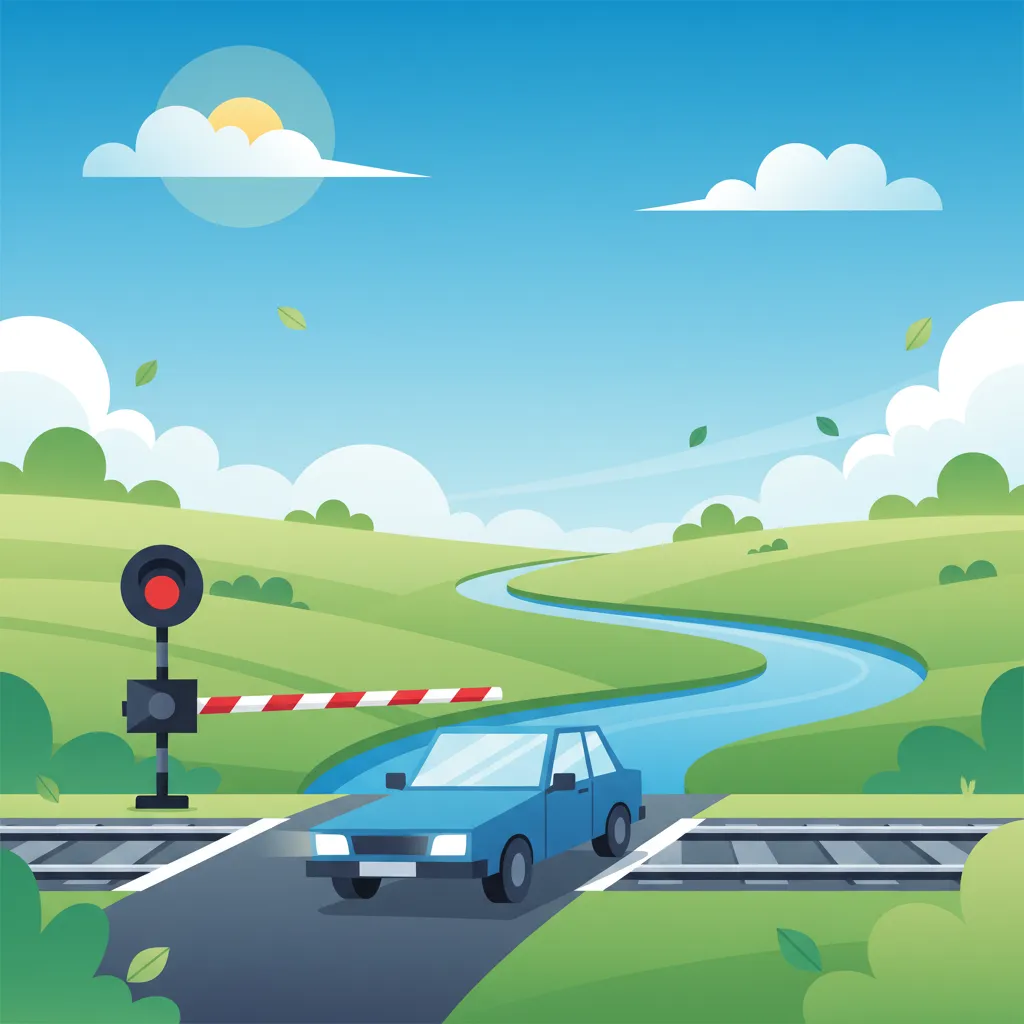
This practice set strengthens your understanding of active and passive railway crossings, essential for safe driving in the Netherlands. It prepares you to correctly interpret official road signs and signals, ensuring you know when to stop or proceed. Start now to boost your Dutch driving theory test readiness and tackle common exam preparation questions with confidence.
Navigate railway crossings with confidence by understanding the distinction between active and passive crossings. This set covers the rules for situations with lights, barriers, and warning signs like St. Andrew's crosses, preparing you for common exam questions and real-world safety.
Preview sample questions from the Railway Crossings practice set to see how they help you prepare for the driving theory exam in the Netherlands.
Learners choose Railway Crossings to improve accuracy and understanding of key exam themes in the Netherlands. It offers realistic driving theory questions and targeted revision for effective preparation.
Find answers to the most common queries learners have when practising Railway Crossings, including how questions match the official theory exam in the Netherlands, how scoring works, and how this practice improves exam readiness.
An active railway crossing in the Netherlands is equipped with automatic warning systems such as flashing lights, audible signals, or barriers (gates) that activate when a train or tram is approaching. Drivers must stop when these signals are active.
A passive railway crossing lacks automatic warning systems. It is typically marked by warning signs such as St. Andrew's crosses (J-12, J-13), which indicate the presence of tracks and the number of tracks, requiring drivers to exercise extreme caution and check for approaching rail vehicles.
At Dutch railway crossings, flashing white lights indicate that no tram or train is approaching, meaning you may proceed if the road ahead is clear. A flashing red light or steady red light means you must stop immediately, as a rail vehicle is approaching or the crossing is otherwise unsafe.
Yes, according to Dutch traffic regulations, all road users must give priority to rail vehicles (trams and trains) at level crossings and wait until the crossing is completely free before proceeding, regardless of the crossing type.
A St. Andrew's cross (Andreaskruis) is a warning sign used at passive railway crossings in the Netherlands. A single cross (J-12) indicates one track, while a double cross (J-13) indicates two or more tracks. It warns drivers to expect rail traffic and to be prepared to stop.
By completing Railway Crossings, you will gain stronger rule knowledge, faster recognition of signs and situations, better decision making in traffic scenarios, and increased accuracy on exam style questions used in the Netherlands. These outcomes directly support higher scoring exam performance.
Related practice sets offer invaluable additional topic revision on Dutch railway crossings, helping you compare situations and strengthen your grasp of active and passive systems. Engaging with these related practice questions boosts your exam preparation for the CBR theory test, ensuring you recall precise rules under pressure.
Master Railway Crossing Safety for Your Dutch Driving Exam
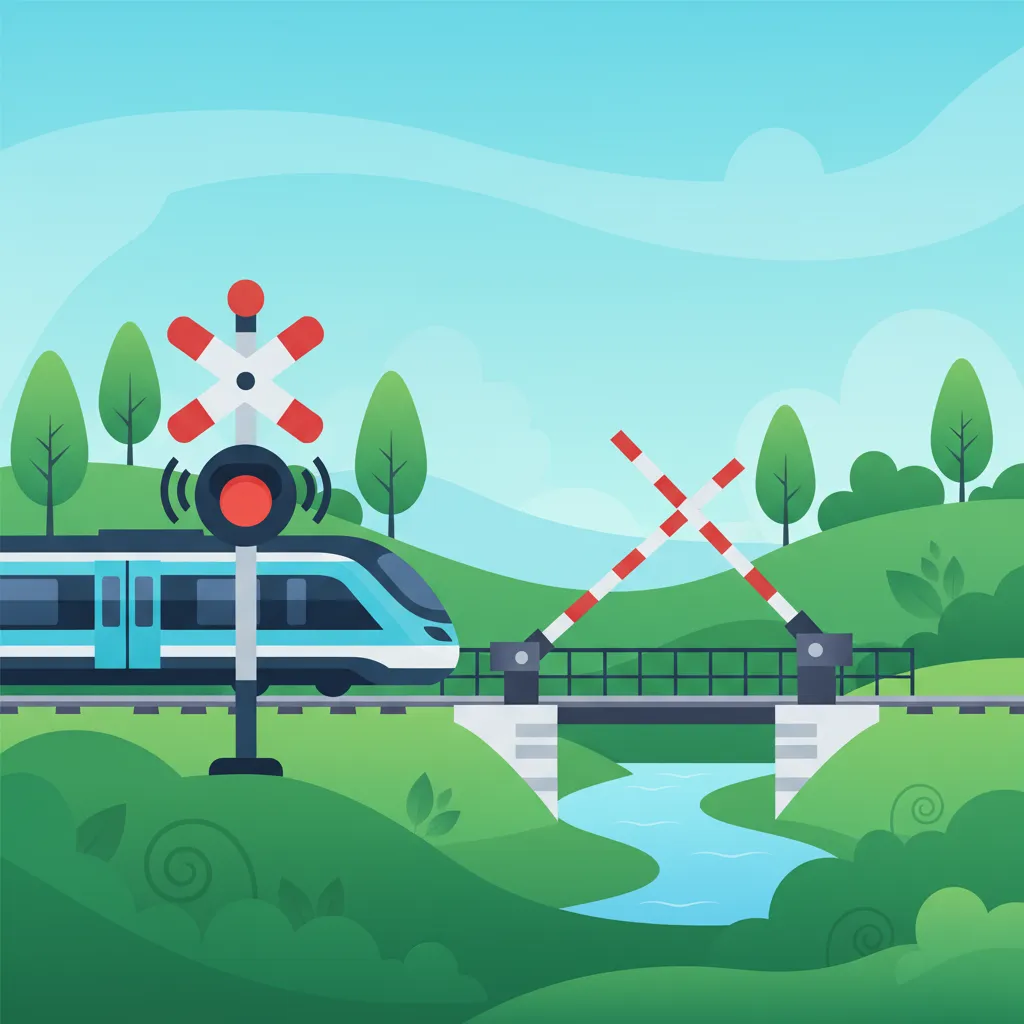
Master complex gate signals and emergency procedures for your Dutch driving exam.
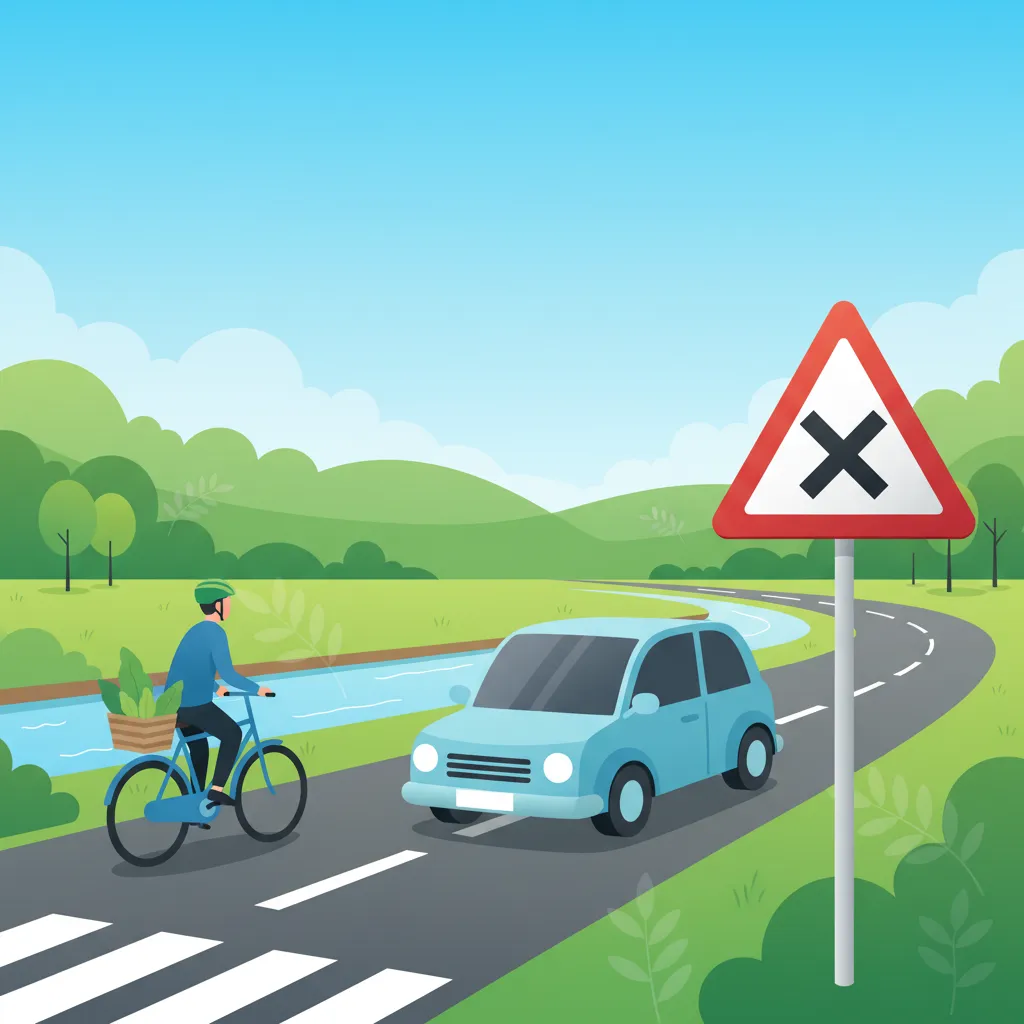
Master Dutch Intersection Warning Signs: Drive Safely and Pass Your CBR Exam.

Crucial Steps for Railway Track Stalls: Stay Safe, Pass Your Exam.

Master the Regulatory Signs That Govern Right of Way in Dutch Traffic
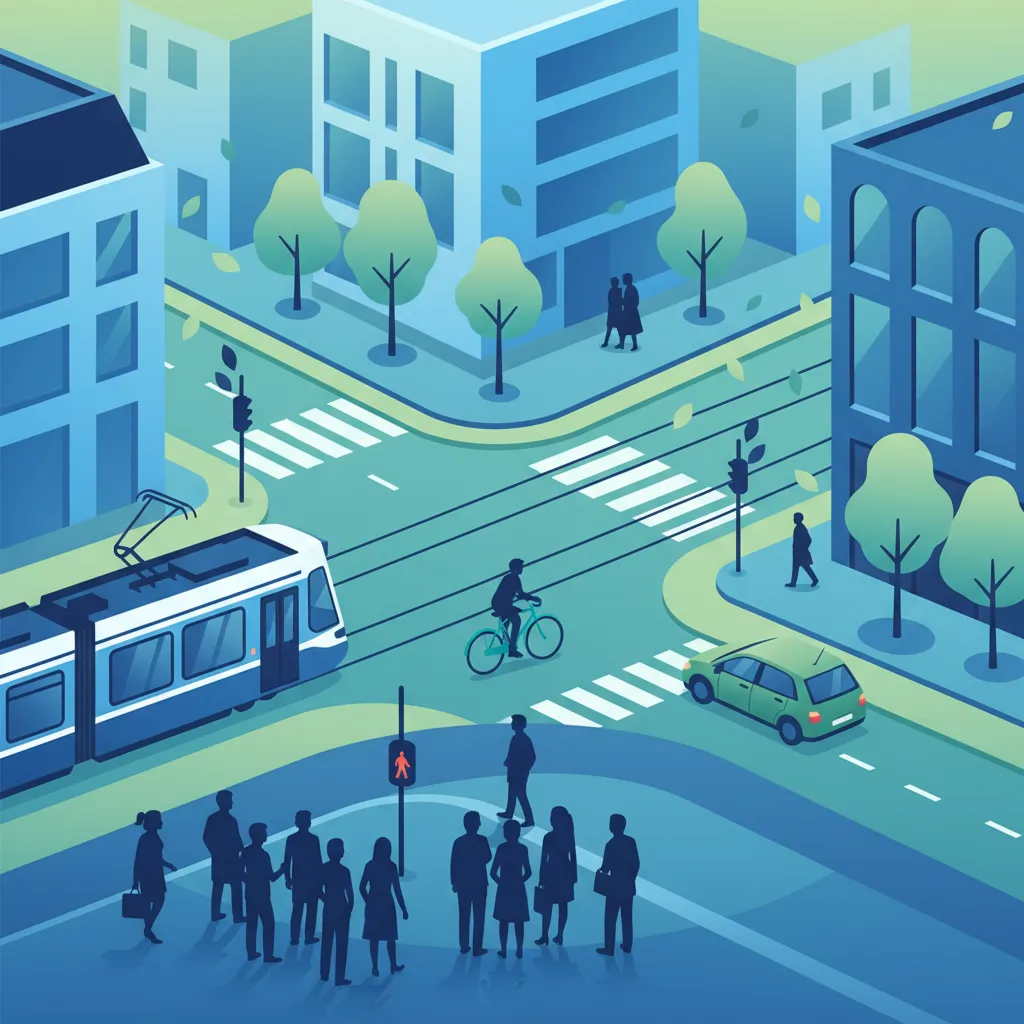
Master pedestrian priority to navigate Dutch intersections safely and pass your CBR exam.
Questions in Railway Crossings
Exam focused questionss
Railway Crossings offers quick, focused exam style practice to boost your Dutch knowledge for the driving theory exam in the Netherlands.
Railway Crossings helps learners in the Netherlands with clear explanations and targeted Dutch practice to improve essential driving theory topics.
This practice set is ideal for learners preparing for the Dutch driving theory exam who want to solidify their understanding of railway crossing safety. It's particularly useful for those who confuse the rules for different crossing types or struggle with decision-making in exam scenarios involving trains and trams. Build your confidence to pass this critical section.
Explore more topics for the Dutch driving theory exam in the Netherlands.
Select a practice category from the list to begin targeted revision for your Dutch driving theory exam. Whether it's road signs, traffic rules, or specific maneuvers, you can focus on improving your understanding and boosting your confidence for the official CBR test.
Practice Categories Overview