This lesson is part of Unit 12, 'Emergencies, Breakdowns, and Accidents,' focusing on your responsibilities after a traffic incident. After learning about vehicle breakdowns, we now cover the critical steps to take at an accident scene to ensure safety, provide necessary information, and comply with Dutch law. Mastering these procedures is vital for both your driving theory exam and safe driving practices.
Lesson content overview
Encountering a traffic accident can be a stressful and disorienting experience. However, knowing the correct protocol to follow is crucial for ensuring the safety of all involved, fulfilling your legal obligations, and facilitating proper coordination with emergency services and insurance providers. This comprehensive guide outlines the essential actions and legal requirements for drivers in the Netherlands following a traffic collision, from securing the scene to exchanging vital information.
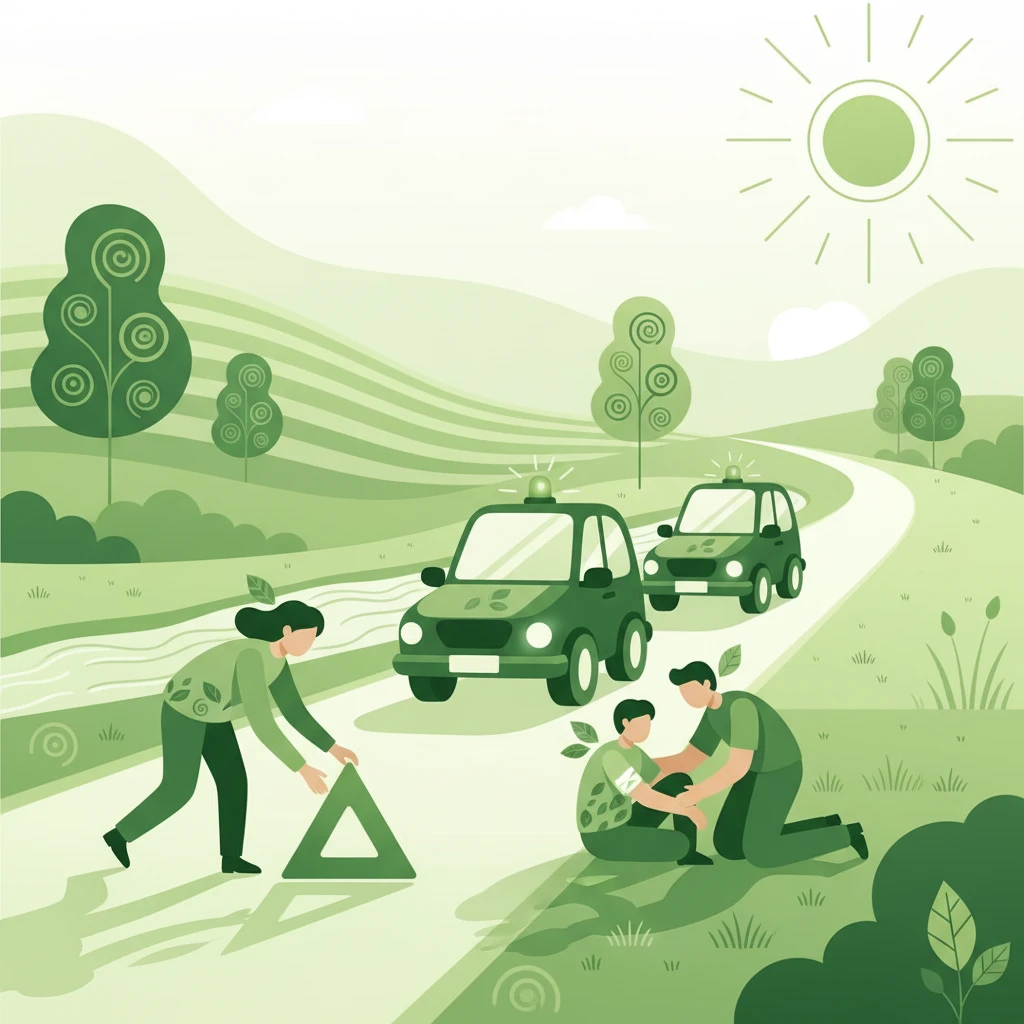
The very first priority after any traffic accident is to ensure the safety of everyone and prevent further incidents. This involves taking swift and decisive action to secure the scene, making it visible to other road users and minimizing additional risks.
Upon realizing you have been involved in or are at the scene of an accident, immediately switch on your hazard warning lights. These lights (all turn signals flashing simultaneously) are designed to alert other drivers to a potential danger or obstruction ahead. They are particularly vital on fast-moving roads, in poor visibility conditions, or when your vehicle is stationary in an unexpected location.
In addition to hazard lights, drivers are legally required to place a safety triangle (gevarendriehoek) if their vehicle becomes a hazard on the road, especially outside built-up areas or on motorways. This reflective device must be placed at a sufficient distance behind your vehicle to provide ample warning to approaching traffic.
The general rule of thumb is to place the triangle approximately 30 metres from the vehicle, but this distance should be adjusted based on road type, speed limit, and visibility. On motorways (autosnelwegen), where speeds are much higher, the triangle should be placed further away, ideally around 100 metres, if safe to do so. If you cannot safely place a triangle due to traffic or location, prioritize your own safety and that of others by moving to a safe spot.
The Dutch Road Traffic Regulations (Reglement Verkeersregels en Verkeerstekens – RVV 1990) §6:1 obliges drivers to do everything reasonable to clear the path of traffic and signal danger. If your vehicle is still movable after a minor accident and there are no injuries, you should move it to the nearest safe spot, such as the hard shoulder on a motorway or a parking bay, to avoid obstructing traffic. This minimizes the risk of further collisions and keeps the road clear for emergency services if they are called. If moving the vehicle is unsafe or impossible due to damage, leave it in place but ensure all warning signals are active.
After securing the scene, the next critical step is to assess the condition of yourself and any other individuals involved. Prompt and accurate assessment, followed by calling for professional help when needed, can be life-saving.
First, check yourself for any injuries. Even minor accidents can cause shock, which might mask pain. Once you are certain you are safe and able, check on your passengers and any occupants of other vehicles involved. Ask if they are injured and if they require assistance. Approach other vehicles cautiously.
The Dutch emergency number 112 should be called immediately in specific situations. Knowing these criteria is crucial:
RVV §9.3 states that drivers must assist if anyone is injured or if a vehicle impedes traffic. Delaying an emergency call due to perceived low severity is a common misunderstanding and can have serious consequences. Always prioritize human life and safety.
Once the immediate safety and medical needs are addressed, you have legal responsibilities regarding information exchange and documenting the accident. This ensures proper liability assignment and smooth insurance claim processes.
It is mandatory to exchange information with all other parties involved in the collision. This typically includes:
If there are witnesses, it is also advisable to ask for their contact details, as their account could be valuable for insurance purposes.
For serious accidents involving injury or significant property damage, completing a European Accident Statement (EAS) is compulsory. This standardized form is used across Europe to record objective facts about a collision.
Both drivers should fill out their respective sections on the same form, making sure to agree on the facts, mark the point of initial impact, and draw a sketch of the accident scene. Key elements to record include:
After completing the form, each party should receive a copy. The EAS should generally be completed at the scene or within 24 hours. Failure to properly complete the EAS when warranted can complicate insurance claims and potentially lead to legal penalties.
Beyond immediate actions, several legal obligations bind drivers involved in an accident under Dutch law. Adherence to these regulations is critical to avoid fines, demerit points, and potential imprisonment.
The RVV 1990 §11 dictates that drivers involved in an accident must stop immediately and remain at the scene for a reasonable period. This allows for the exchange of information, assessment of damage and injuries, and potential police investigation. Leaving the scene prematurely without proper reason or without ensuring all necessary information has been exchanged is illegal and can lead to severe penalties, including fines, driving bans, and even imprisonment.
While minor fender-benders might not always require police presence, you must stay at least long enough for all parties to exchange details and for any injured persons to receive assistance. If the police are requested by any party or if injuries or significant damage occur, you must wait for their arrival.
If the police are called to the scene, you are legally obliged to cooperate fully with their investigation. This includes providing accurate statements, presenting your driver's license and vehicle registration documents, and allowing them to inspect your vehicle if necessary. Providing false information or obstructing an investigation can lead to additional charges. RVV §9.7 states that drivers must make themselves available for police investigation.
Beyond the EAS, it is highly recommended to gather additional evidence:
This objective documentation creates a robust evidence trail for investigations and insurance claims, improving the likelihood of fair settlements and reducing disputes.
The appropriate actions after an accident can vary significantly depending on the prevailing conditions and environment. Understanding these contextual variations is vital for an effective and safe response.
During night-time accidents or in adverse weather conditions like heavy rain, fog, or snow, visibility is severely reduced.
The environment dictates different strategies for securing the scene:
Accidents involving pedestrians, cyclists, or motorcyclists (vulnerable road users) often carry a higher risk of serious injury.
In multi-vehicle accidents, managing information exchange can become complex.
Failing to adhere to the correct protocol after an accident can lead to significant legal penalties and increased safety risks.
These violations not only carry legal repercussions but also endanger public safety and complicate the aftermath of an already stressful event.
The protocols for actions at an accident scene are not arbitrary; they are deeply rooted in principles of safety, legal compliance, and efficient resolution.
Ultimately, these rules contribute to overall road safety, promote accountability, and provide a clear framework for managing the challenging circumstances that follow a traffic accident.
This lesson covers the essential protocol Dutch drivers must follow after a traffic accident, prioritising scene safety through hazard lights and reflective safety triangles placed at specific distances (30m general, 100m motorways). Learners must understand when calling 112 is mandatory—any injury, significant blockage, serious damage, or dispute about facts—and the legal obligation to stop, exchange details, and complete a European Accident Statement when warranted. The lesson also addresses contextual variations for night driving, motorway versus urban environments, and vulnerable road users, while highlighting common violations such as premature scene departure or improper triangle placement and their serious legal consequences including fines, demerit points, and imprisonment.
A short set of high-value points that capture the most important learning from this lesson.
The first priority after any accident is to secure the scene using hazard lights and safety triangles to prevent secondary collisions.
You must call 112 immediately if there are any injuries, significant road blockage, serious vehicle damage, or if parties cannot agree on facts.
Under RVV 1990, drivers must stop, remain at the scene, and exchange personal details, vehicle information, and insurance details with all parties.
The European Accident Statement (EAS) is the standardised form for documenting accident facts across Europe and is compulsory for accidents involving injury or significant damage.
Leaving the scene prematurely or failing to assist injured persons are serious violations that can result in fines, demerit points, driving bans, or imprisonment.
Explore all units and lessons included in this driving theory course.
Activate hazard lights immediately upon arriving at an accident scene, regardless of perceived damage severity.
Place safety triangles approximately 30 metres behind your vehicle in general, but around 100 metres on motorways (autosnelwegen) due to higher speeds.
Only move an injured person if they face immediate danger from fire, falling debris, or similar hazards—moving someone with spinal injuries can cause irreversible harm.
The EAS form must record the date, time, location, weather and road conditions, vehicle positions at impact, all driver details, insurance information, and be signed by all parties.
Hulp Plich (duty to assist) requires drivers to remain at the scene long enough to exchange all necessary information and ensure injured persons receive assistance.
Assuming hazard lights alone are sufficient on motorways without deploying a safety triangle at the proper distance.
Deciding not to call 112 based on perceived minor injuries, which can delay critical emergency care and increase legal liability.
Moving vehicles from the scene before exchanging details or documenting evidence, which complicates insurance claims.
Failing to gather witness contact details or photograph the scene, which weakens the evidence trail for fault determination.
Incomplete EAS completion—omitting signatures, failing to agree on facts, or not recording road and weather conditions properly.
Lesson content overview
A short set of high-value points that capture the most important learning from this lesson.
The first priority after any accident is to secure the scene using hazard lights and safety triangles to prevent secondary collisions.
You must call 112 immediately if there are any injuries, significant road blockage, serious vehicle damage, or if parties cannot agree on facts.
Under RVV 1990, drivers must stop, remain at the scene, and exchange personal details, vehicle information, and insurance details with all parties.
The European Accident Statement (EAS) is the standardised form for documenting accident facts across Europe and is compulsory for accidents involving injury or significant damage.
Leaving the scene prematurely or failing to assist injured persons are serious violations that can result in fines, demerit points, driving bans, or imprisonment.
Explore all units and lessons included in this driving theory course.
Activate hazard lights immediately upon arriving at an accident scene, regardless of perceived damage severity.
Place safety triangles approximately 30 metres behind your vehicle in general, but around 100 metres on motorways (autosnelwegen) due to higher speeds.
Only move an injured person if they face immediate danger from fire, falling debris, or similar hazards—moving someone with spinal injuries can cause irreversible harm.
The EAS form must record the date, time, location, weather and road conditions, vehicle positions at impact, all driver details, insurance information, and be signed by all parties.
Hulp Plich (duty to assist) requires drivers to remain at the scene long enough to exchange all necessary information and ensure injured persons receive assistance.
Assuming hazard lights alone are sufficient on motorways without deploying a safety triangle at the proper distance.
Deciding not to call 112 based on perceived minor injuries, which can delay critical emergency care and increase legal liability.
Moving vehicles from the scene before exchanging details or documenting evidence, which complicates insurance claims.
Failing to gather witness contact details or photograph the scene, which weakens the evidence trail for fault determination.
Incomplete EAS completion—omitting signatures, failing to agree on facts, or not recording road and weather conditions properly.
Explore search topics learners often look for when studying Actions at an Accident Scene. These topics reflect common questions about road rules, driving situations, safety guidance, and lesson level theory preparation for learners in the Netherlands.
Browse additional driving theory lessons that cover connected traffic rules, road signs, and common driving situations related to this topic. Improve your understanding of how different rules interact across everyday traffic scenarios.
Understand your mandatory duties following a traffic collision in the Netherlands. This lesson covers stopping at the scene, exchanging personal and insurance details, and legal requirements for documenting the incident. Essential knowledge for all drivers.
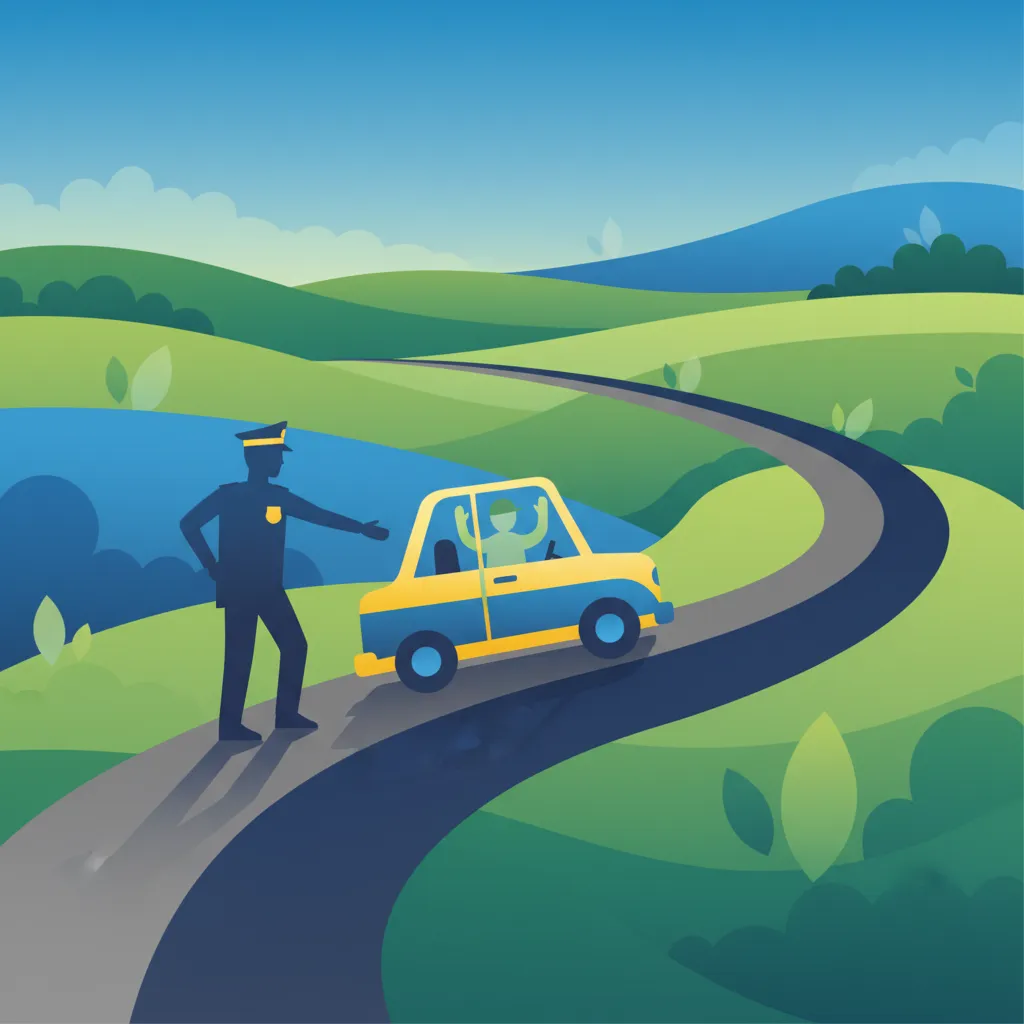
This lesson details the legal requirements for reporting a traffic accident in the Netherlands, including the circumstances under which you must involve the police. It explains the correct procedure for exchanging personal, vehicle, and insurance information with any other parties involved. The lesson also covers the use of the European Accident Statement form to document the facts of the incident for insurance purposes.

This lesson provides a clear, step-by-step guide for actions to take immediately following a traffic accident. It covers the priorities of personal safety, securing the scene to prevent further incidents, and providing aid to the injured. The curriculum details the legal requirements for reporting an accident ('ongevalrapportage') and the correct procedure for exchanging information with other parties involved, including the use of the European Accident Statement form.
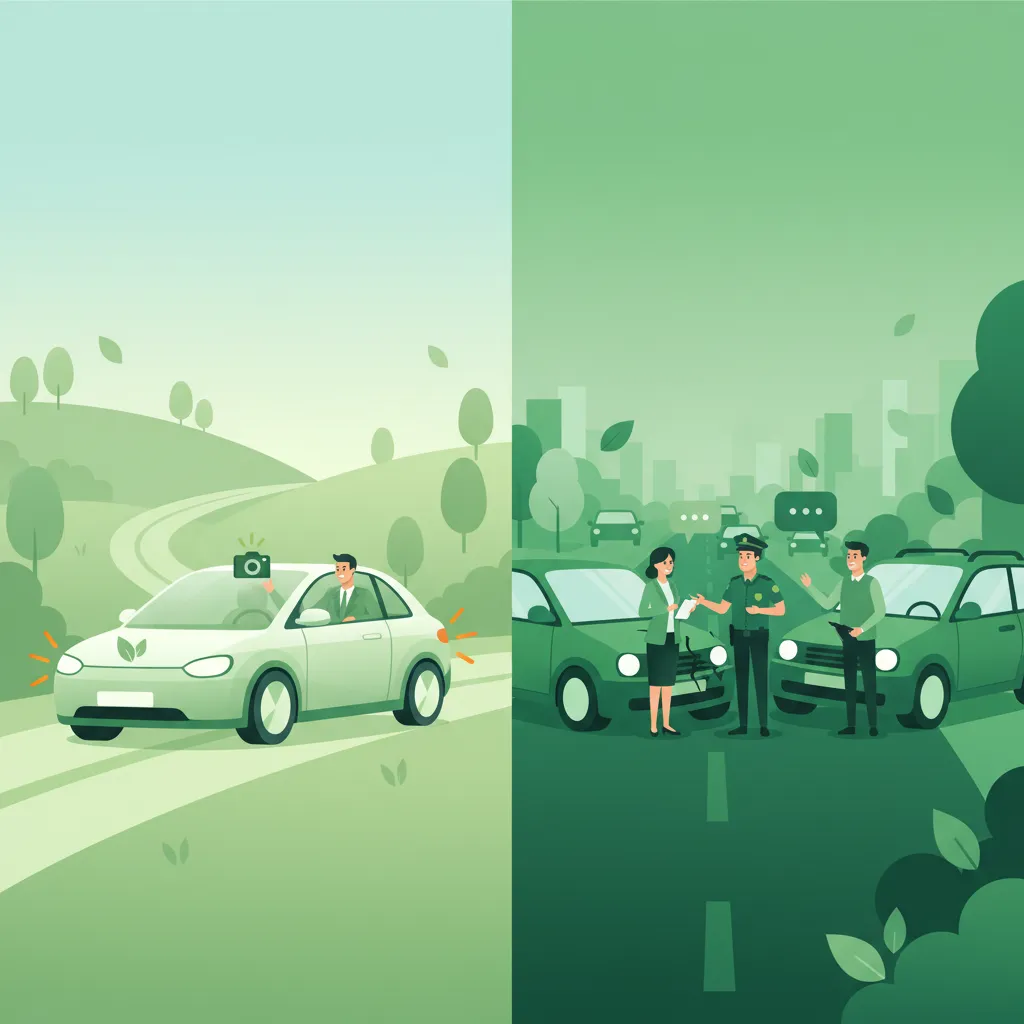
In the event of an accident, a calm and methodical approach is essential. This lesson details the necessary actions, from stopping safely and assessing the situation to exchanging driver and insurance details with the other party. It explains how to fill out the European Accident Statement form ('schadeformulier'), which is a vital document for insurance claims. You will also learn when it is mandatory to call the police and the importance of gathering evidence like photos and witness contact information.
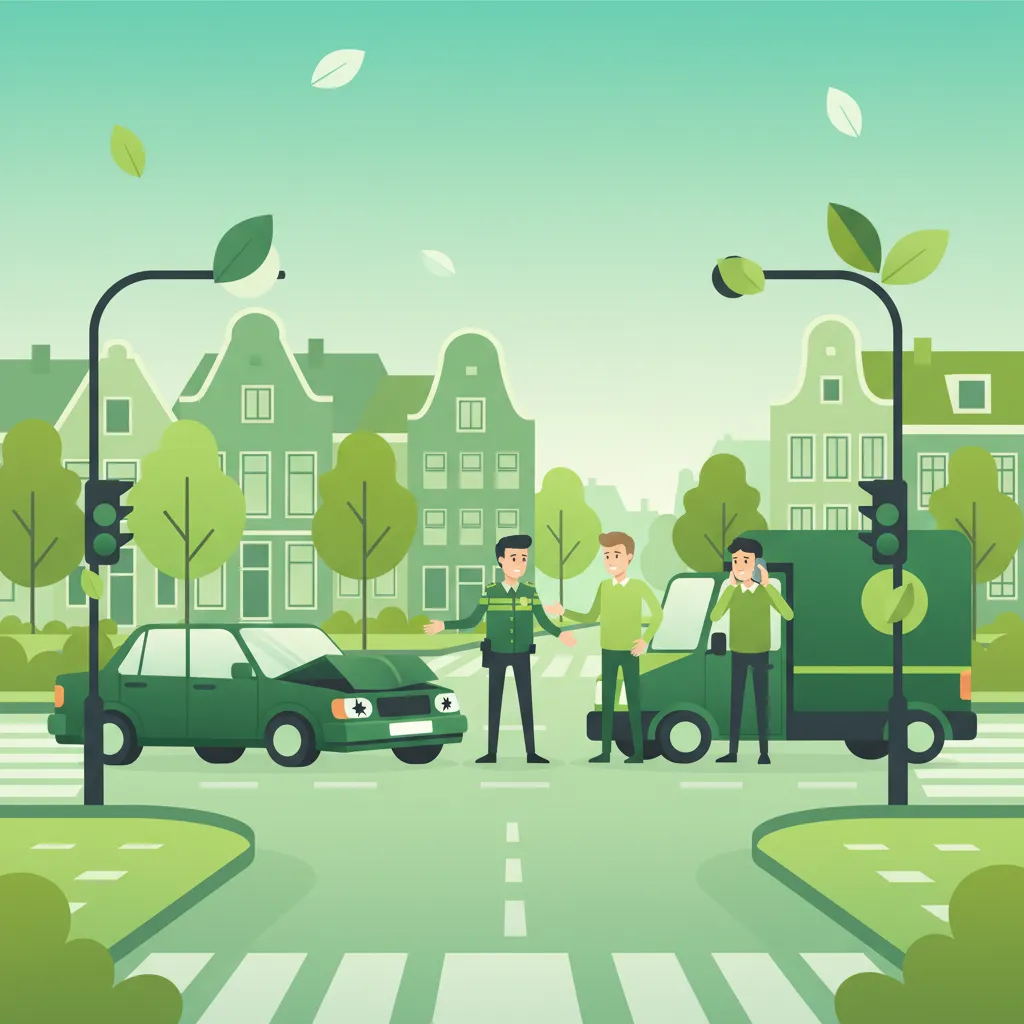
This lesson explains the processes that follow a road accident, focusing on legal and insurance matters. It describes how liability is determined, the steps involved in filing an insurance claim, and the importance of accurate documentation and evidence, such as photos and witness statements. The content also touches upon potential legal consequences, such as fines or prosecution if traffic laws were violated, providing a comprehensive overview of the post-accident landscape.
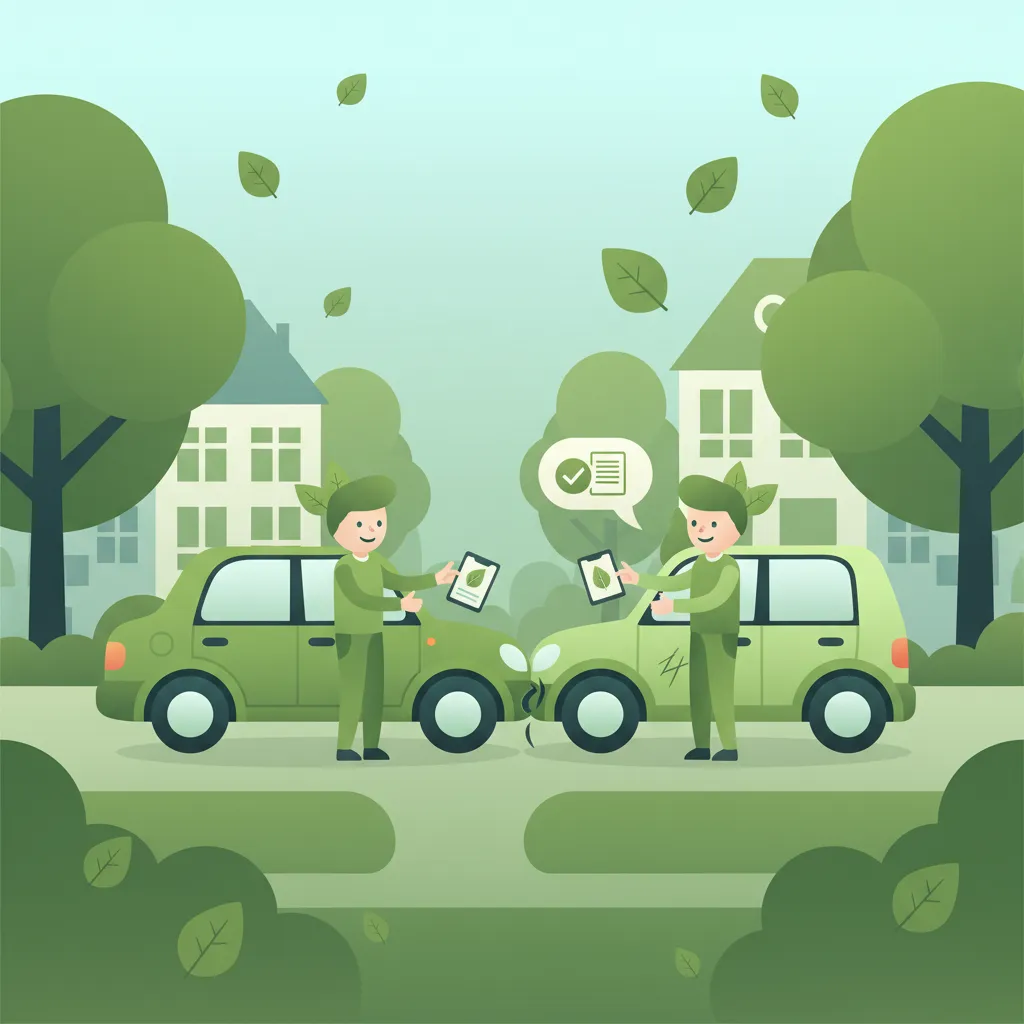
This lesson explains the fundamental concepts of legal liability in traffic accidents and the role of mandatory third-party insurance (WA-verzekering) in the Netherlands. You will learn how insurance companies use the accident statement form and other evidence to determine fault and process claims for damages. Understanding this process helps you appreciate the financial responsibilities associated with riding and the importance of having correct and valid insurance cover at all times.
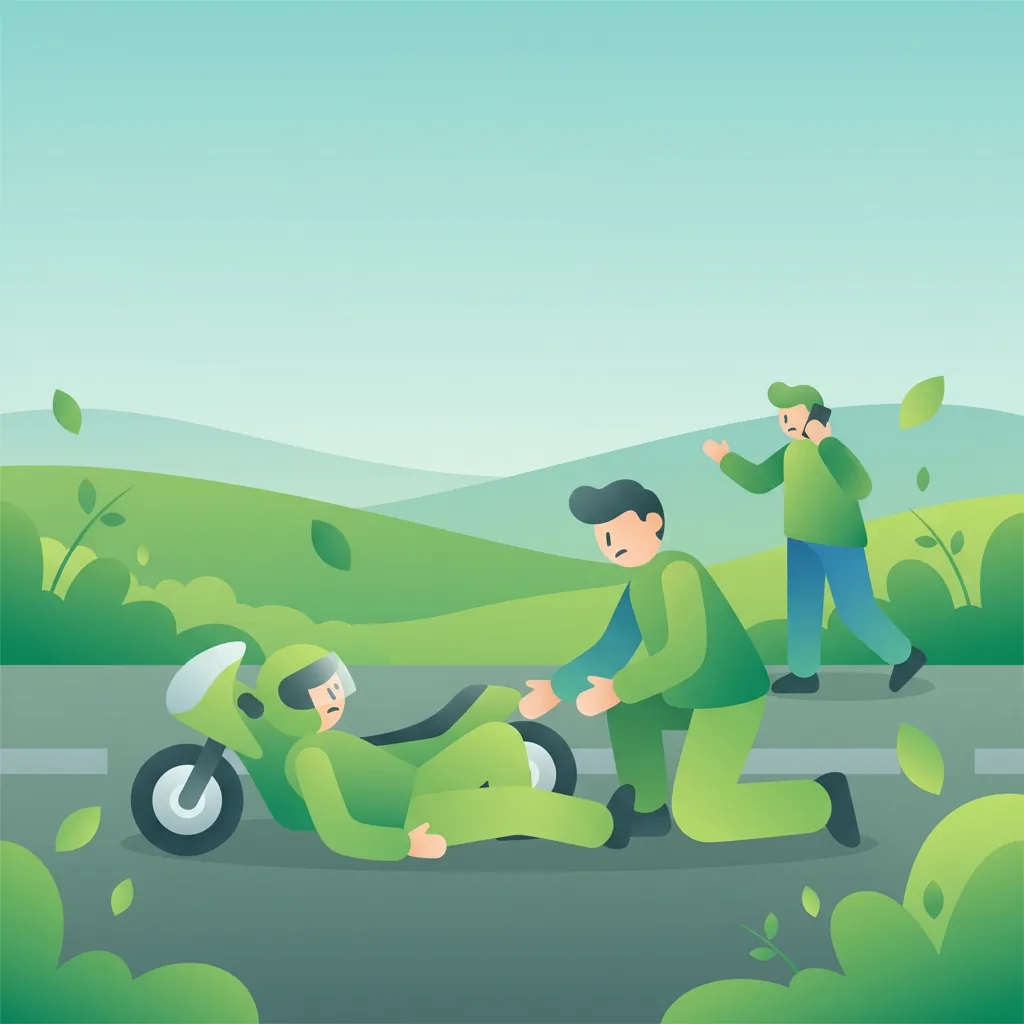
This lesson provides a clear, prioritized list of actions to take in the immediate aftermath of an accident. The primary focus is on safety: securing the scene to prevent further incidents, checking for injuries on yourself and others, and calling emergency services (112). It provides the essential knowledge required to manage a stressful and potentially dangerous situation calmly and effectively until professional help arrives.
Learn critical steps for managing a traffic accident scene, including securing the area, assessing injuries, and determining when to call emergency services (112) in the Netherlands. Focuses on immediate safety and effective response.

This lesson provides foundational knowledge in emergency response. While not a full first aid course, it covers the basic principles of assisting an injured person until professional help arrives, such as ensuring their airway is clear. You will learn exactly what information to provide when you call 112, including the precise location, the number of vehicles and people involved, and the nature of any injuries. This ensures that the correct emergency services can be dispatched as quickly as possible.
This lesson provides a clear, prioritized list of actions to take in the immediate aftermath of an accident. The primary focus is on safety: securing the scene to prevent further incidents, checking for injuries on yourself and others, and calling emergency services (112). It provides the essential knowledge required to manage a stressful and potentially dangerous situation calmly and effectively until professional help arrives.
This lesson provides a clear, step-by-step guide for actions to take immediately following a traffic accident. It covers the priorities of personal safety, securing the scene to prevent further incidents, and providing aid to the injured. The curriculum details the legal requirements for reporting an accident ('ongevalrapportage') and the correct procedure for exchanging information with other parties involved, including the use of the European Accident Statement form.
In the event of an accident, a calm and methodical approach is essential. This lesson details the necessary actions, from stopping safely and assessing the situation to exchanging driver and insurance details with the other party. It explains how to fill out the European Accident Statement form ('schadeformulier'), which is a vital document for insurance claims. You will also learn when it is mandatory to call the police and the importance of gathering evidence like photos and witness contact information.
This lesson details the legal requirements for reporting a traffic accident in the Netherlands, including the circumstances under which you must involve the police. It explains the correct procedure for exchanging personal, vehicle, and insurance information with any other parties involved. The lesson also covers the use of the European Accident Statement form to document the facts of the incident for insurance purposes.
This lesson explains the processes that follow a road accident, focusing on legal and insurance matters. It describes how liability is determined, the steps involved in filing an insurance claim, and the importance of accurate documentation and evidence, such as photos and witness statements. The content also touches upon potential legal consequences, such as fines or prosecution if traffic laws were violated, providing a comprehensive overview of the post-accident landscape.
Find clear answers to common questions learners have about Actions at an Accident Scene. Learn how the lesson is structured, which driving theory objectives it supports, and how it fits into the overall learning path of units and curriculum progression in the Netherlands. These explanations help you understand key concepts, lesson flow, and exam focused study goals.
You must call 112 if there are any injuries, however minor, or if the accident causes a significant obstruction to traffic that cannot be cleared quickly. Also call if there is a threat to public safety or if one of the parties fails to stop or provide details.
You are legally required to exchange your name, address, telephone number, and insurance details. It's also good practice to exchange vehicle registration numbers and note down the make and model of the other vehicle(s).
The European Accident Statement (Europees aanrijdingsformulier) is a standardized form used across Europe to record the details of a traffic accident. It helps to clearly document what happened and who is at fault, simplifying the insurance claims process. Both parties should complete and sign it if possible.
If there are no injuries and the vehicles are causing a significant obstruction, you may move them to a safer location if possible. However, try to document the original positions first (e.g., with photos) and still exchange details. If in doubt, or if there's any damage, it's often best to leave them in place until officially advised.
If the other driver refuses to cooperate, do your best to record their vehicle's license plate number, make, model, and any distinguishing features. Also note the time, date, and location of the accident. You should then report the accident to the police and provide them with the information you have gathered.
Leverage the targeted practice search to find questions that challenge your understanding of specific Dutch traffic rules or road signs. Focus your study efforts on areas where you need improvement and build a solid foundation for passing your CBR driving theory exam with confidence.