While your Dutch A licence grants you broad motorcycle riding privileges, there are several legal obligations you must fulfil. This article explores the necessary insurance, registration, helmet, and vehicle condition requirements for A licence holders. Staying informed about these rules ensures you ride legally and safely in the Netherlands and prevents common errors on the theory exam.
Article content overview
The Dutch driving licence, specifically category A, grants you the freedom to ride a wide range of motorcycles. However, this privilege comes with a set of legal responsibilities that extend far beyond simply operating the vehicle. To ensure you are riding legally, safely, and to prepare effectively for your CBR theory exam, it's crucial to understand these ancillary obligations. This article delves into the vital aspects of motorcycle insurance, mandatory helmet usage, vehicle registration, and maintaining your motorcycle's roadworthiness in the Netherlands, all of which are critical for any A licence holder.
The category A licence in the Netherlands is your ticket to riding motorcycles of all engine capacities and power outputs. Unlike some subcategories (A1 and A2), the full A licence removes these power limitations, offering the broadest scope of motorcycle riding. This means you are legally permitted to ride any type of motorcycle, from small scooters to high-powered superbikes, provided you adhere to all other legal requirements. It's important to remember, however, that your A licence is exclusively for motorcycles. It does not grant you permission to drive cars, lorries, or any other type of motor vehicle. Attempting to operate vehicles outside the scope of your A licence can lead to serious legal consequences.
One of the most fundamental legal requirements for any vehicle operating on public roads in the Netherlands is third-party liability insurance. For motorcycle owners with an A licence, this is no exception. This type of insurance, known as Wettelijke Aansprakelijkheidsverzekering Motorrijtuigen (WAM), covers damages you might cause to other people or their property while riding your motorcycle. Without valid WAM insurance, your motorcycle is not legally permitted to be on public roads, even if it's just parked. Failure to have this insurance can result in significant fines from the RDW (Rijksdienst voor het Wegverkeer), the Dutch vehicle authority, and even lead to your motorcycle being impounded. It is essential to ensure your insurance policy is active and covers the specific motorcycle you are riding.
For your theory exam preparation, remember that questions about mandatory insurance are common. Always select the option that reflects the legal requirement for third-party liability insurance for all motorised vehicles operating in the Netherlands.
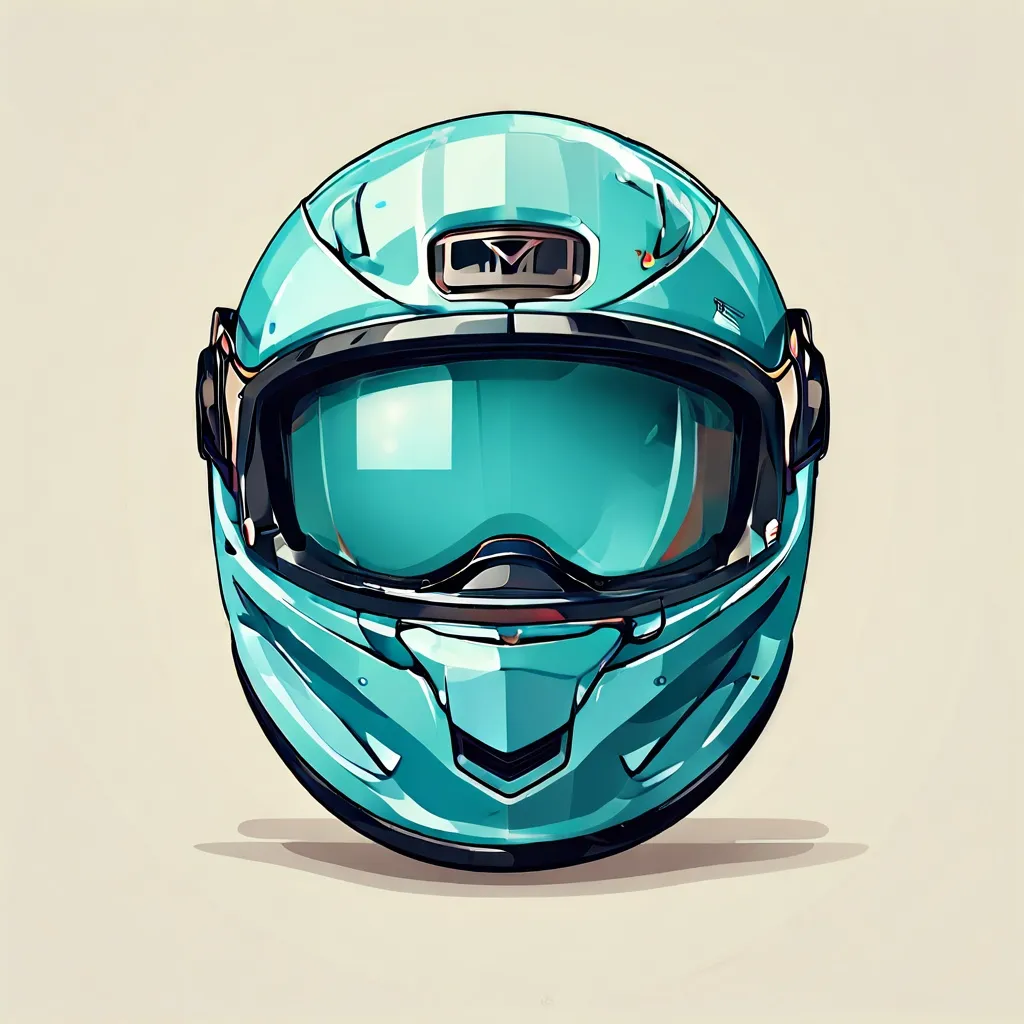
The use of a helmet is not merely a recommendation for motorcyclists in the Netherlands; it is a strict legal requirement for all riders and their passengers. The helmet must be approved according to European safety standards, typically indicated by an ECE R22.05 or ECE R22.06 label. This label assures that the helmet has met rigorous safety testing. It must be properly fastened at all times while riding. Wearing a non-approved helmet, or riding without a helmet, will result in fines. Beyond the legal obligation, wearing a properly fitted and approved helmet significantly increases your safety in the event of an accident, potentially saving your life or preventing severe injuries.
Every motorcycle that operates on Dutch public roads must be registered with the RDW and possess a valid registration number plate (kentekenplaat). This registration process ensures that the vehicle's details are recorded and that it meets the necessary legal requirements for operation. Alongside registration, all vehicles, including motorcycles, must be kept in a roadworthy condition. This means that essential components like brakes, lights, tyres, and steering must be in good working order. While the RDW doesn't conduct regular mandatory technical inspections for motorcycles in the same way it does for cars, riders are legally responsible for ensuring their vehicle is safe to ride. An unroadworthy motorcycle can lead to fines, and more importantly, it poses a serious safety risk to yourself and others on the road.
Riding a motorcycle that is not registered, or is unregistered for tax purposes (i.e., no motor vehicle tax paid), or is not roadworthy, can lead to severe penalties. Always ensure your motorcycle is legally compliant.
It is a common misconception that a driving licence for one category automatically allows you to drive other types of vehicles. With a Dutch A licence, you are exclusively authorized to operate motorcycles. You cannot legally drive a car, a light commercial vehicle, or any other motor vehicle that requires a different licence category, such as B, C, or D. If you wish to drive vehicles in these other categories, you will need to obtain the relevant licence separately, which typically involves passing both a theory and a practical exam for that specific category.
The CBR theory exams for motorcycles often test not just your knowledge of traffic rules and signs, but also your understanding of these essential administrative and safety obligations. Common mistakes include:
Be prepared for questions that assess your awareness of these legal necessities, as they are integral to responsible motorcycle ownership and operation in the Netherlands.
As a holder of the Dutch A licence, you have earned the right to enjoy motorcycling across the country. However, this freedom is contingent upon upholding your legal duties. By understanding and adhering to the requirements for insurance, helmet use, vehicle registration, and roadworthiness, you not only avoid legal penalties but also contribute to a safer road environment for everyone. Thoroughly revising these aspects will significantly improve your preparedness for the CBR theory exam, helping you to pass with confidence.
Remember that the Dutch theory exam is designed to ensure all drivers and riders are knowledgeable about both traffic rules and their legal obligations. Don't neglect the administrative and safety requirements in your study plan.
The Dutch A licence grants broad motorcycle riding privileges but comes with strict legal obligations. WAM third-party liability insurance is mandatory at all times, helmets must meet ECE R22.05 or R22.06 standards and be properly fastened, and all motorcycles must be registered with the RDW displaying a kentekenplaat. Riders are legally responsible for maintaining roadworthiness, and the CBR theory exam frequently tests these administrative requirements alongside practical traffic knowledge. Understanding these distinctions between licence categories and the specific legal duties is essential for exam success and legal compliance.
A short set of high-value points that capture the most important ideas from this article.
The Dutch A licence permits motorcycles of any engine capacity but is exclusively for motorcycles - it does not allow driving cars, lorries, or other vehicle categories
WAM (Wettelijke Aansprakelijkheidsverzekering Motorrijtuigen) is mandatory third-party liability insurance required for all motorcycles on Dutch public roads, even when parked
Helmets must be ECE R22.05 or ECE R22.06 approved and properly fastened at all times - non-approved helmets are illegal
Every motorcycle on public roads must be registered with the RDW and display a valid kentekenplaat
Riders bear legal responsibility for ensuring their motorcycle is roadworthy with functioning brakes, lights, tyres, and steering
WAM insurance must be active at all times - a motorcycle without valid insurance is not legally permitted on public roads
ECE R22.05 or R22.06 certification is the required helmet standard in the Netherlands
The RDW (Rijksdienst voor het Wegverkeer) handles vehicle registration and can impose fines or impoundment for violations
An unregistered or roadworthy-deficient motorcycle can result in severe penalties
The CBR exam tests knowledge of these administrative and safety obligations alongside traffic rules
Confusing licence categories - assuming an A licence permits driving other vehicle types like cars
Underestimating insurance requirements - thinking WAM is optional or only needed while actively riding
Not knowing helmet standards - riding without an ECE-approved helmet or with an unfastened helmet
Overlooking registration responsibility - riding an unregistered motorcycle or one not paid road tax
Neglecting roadworthiness - riding with faulty brakes, lights, or tyres that should be maintained
Article content overview
A short set of high-value points that capture the most important ideas from this article.
The Dutch A licence permits motorcycles of any engine capacity but is exclusively for motorcycles - it does not allow driving cars, lorries, or other vehicle categories
WAM (Wettelijke Aansprakelijkheidsverzekering Motorrijtuigen) is mandatory third-party liability insurance required for all motorcycles on Dutch public roads, even when parked
Helmets must be ECE R22.05 or ECE R22.06 approved and properly fastened at all times - non-approved helmets are illegal
Every motorcycle on public roads must be registered with the RDW and display a valid kentekenplaat
Riders bear legal responsibility for ensuring their motorcycle is roadworthy with functioning brakes, lights, tyres, and steering
WAM insurance must be active at all times - a motorcycle without valid insurance is not legally permitted on public roads
ECE R22.05 or R22.06 certification is the required helmet standard in the Netherlands
The RDW (Rijksdienst voor het Wegverkeer) handles vehicle registration and can impose fines or impoundment for violations
An unregistered or roadworthy-deficient motorcycle can result in severe penalties
The CBR exam tests knowledge of these administrative and safety obligations alongside traffic rules
Confusing licence categories - assuming an A licence permits driving other vehicle types like cars
Underestimating insurance requirements - thinking WAM is optional or only needed while actively riding
Not knowing helmet standards - riding without an ECE-approved helmet or with an unfastened helmet
Overlooking registration responsibility - riding an unregistered motorcycle or one not paid road tax
Neglecting roadworthiness - riding with faulty brakes, lights, or tyres that should be maintained
Explore related topics, search based questions, and concepts that learners often look up when studying Dutch A Licence: Beyond Riding. These themes reflect real search intent and help you understand how this topic connects to wider driving theory knowledge in the Netherlands.
Find clear and practical answers to common questions learners often have about Dutch A Licence: Beyond Riding. This section helps explain difficult points, remove confusion, and reinforce the key driving theory concepts that matter for learners in the Netherlands.
With a full Dutch A licence, you must ensure your motorcycle is registered, insured, roadworthy, and that you wear an approved helmet. These are fundamental legal obligations in addition to having the correct licence.
Yes, third-party liability insurance (WA-verzekering) is mandatory for all motorcycles in the Netherlands, regardless of engine size or power, for any vehicle that is registered and intended for road use.
No, a full A licence in the Netherlands allows you to ride any motorcycle without restrictions on engine capacity or power, provided the vehicle itself is legally registered and roadworthy.
All riders and passengers on motorcycles in the Netherlands must wear a securely fastened, approved helmet that meets European safety standards (ECE 22.05 or newer).
No, the A licence is exclusively for riding motorcycles. It does not grant permission to drive cars, trucks, buses, or any other type of motor vehicle.
Start your targeted search now to explore a vast library of official Dutch driving theory articles and guides. Reinforce your understanding of specific traffic rules or road signs to ensure you are fully prepared for your upcoming CBR theory exam. Discover comprehensive explanations tailored for success.