
From July 2026, all new passenger cars sold in the EU will be equipped with flashing brake lights as a mandatory safety feature. This article details how this system works, its purpose in reducing rear-end collisions, and what it means for Dutch drivers. It's essential knowledge for learner drivers to understand new traffic signaling conventions and prepare for potential scenarios encountered on the road.
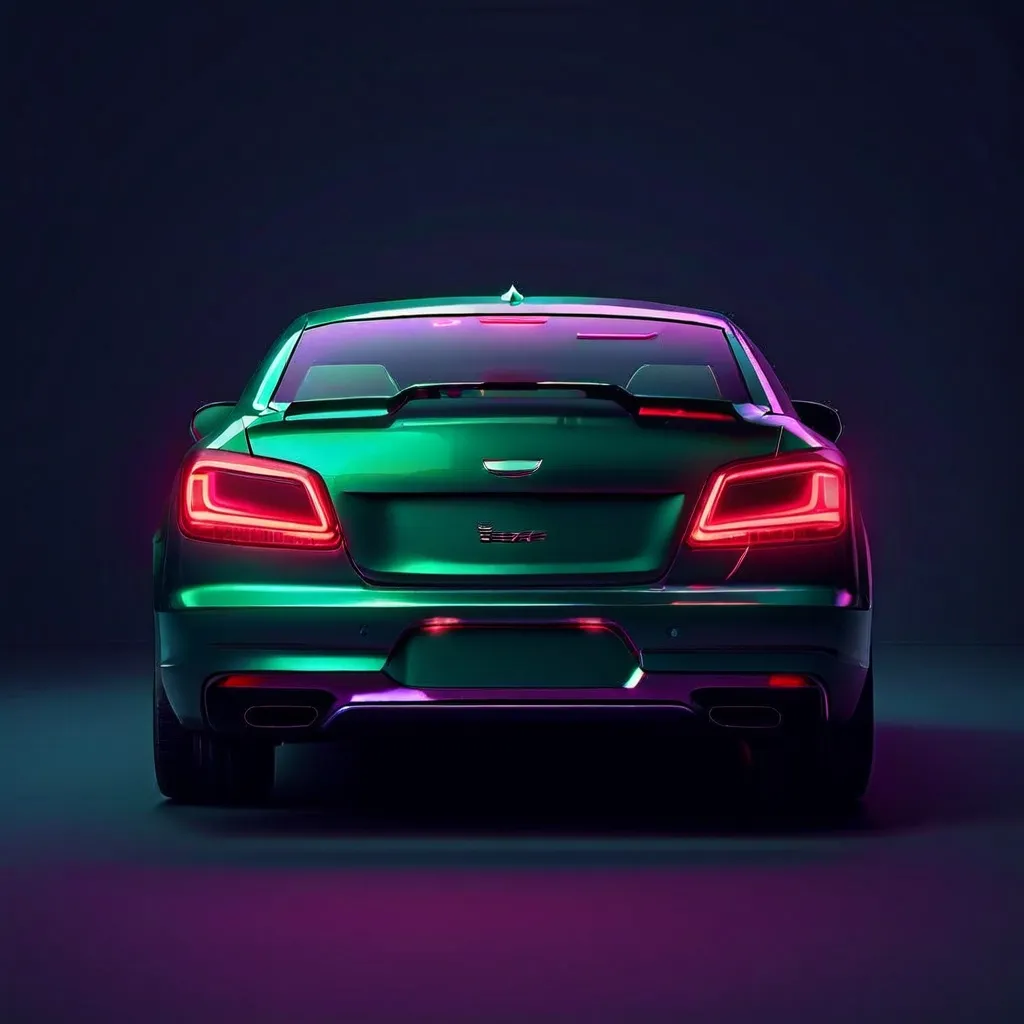
Article content overview
From July 2026, a significant change will come into effect for new passenger cars sold within the European Union: mandatory flashing brake lights during emergency braking situations. This EU regulation is a proactive measure designed to enhance road safety by reducing the incidence of rear-end collisions. For learner drivers in the Netherlands, understanding this new signaling system is crucial, as it will become standard on vehicles purchased after this date and could be a factor in discussions about hazard perception and safe driving practices during your theory preparation.
The primary objective of the flashing brake lights is to provide a more immediate and noticeable warning to drivers following behind. When a driver brakes suddenly, particularly at speeds exceeding 50 km/h, the brake lights will begin to flash rapidly. This rapid flashing pattern is designed to capture the attention of following drivers more effectively than a standard continuous brake light, thereby increasing their reaction time and potentially preventing a collision. This system is intended to be a passive safety feature, alerting others to a sudden deceleration without requiring any additional action from the driver beyond normal braking.
This refers to a vehicle's system of automatically activating flashing brake lights when a driver brakes suddenly and sharply, typically at speeds above 50 km/h, to warn following traffic of an imminent hazard or unexpected stop.
The implementation of this regulation is part of a broader EU strategy to improve overall road safety and reduce traffic fatalities and injuries. Beyond the flashing brake lights, new vehicles will also feature other advanced safety systems, such as sensors for automatic emergency braking and driver alertness monitoring. These interconnected technologies aim to create a safer driving environment for everyone on the road, and understanding them is increasingly important for anyone preparing for their Dutch driving licence theory exam.
When a driver performs an emergency stop, initiating a very rapid deceleration, the vehicle’s system will automatically trigger the flashing brake lights. This flashing typically occurs multiple times per second, creating a distinct visual cue. Following this sudden braking maneuver, if the vehicle comes to a complete halt, the hazard warning lights (also known as emergency lights) will automatically activate. This dual signaling – flashing brake lights during rapid deceleration followed by hazard lights upon stopping – provides a comprehensive warning to surrounding traffic, significantly improving the chances of avoiding an accident.
It is important to note that this new requirement applies exclusively to new vehicles sold from July 2026 onwards. If you are driving an older car, your vehicle’s lighting system will not be affected by this regulation. However, as a learner driver, you will need to be aware of how these new systems function, as you will inevitably encounter them on Dutch roads once they become commonplace. This includes understanding the visual cues they provide and how to react appropriately as a following driver.
The introduction of flashing brake lights is rooted in the principle of improved communication in traffic. Traditional brake lights, while effective, can sometimes be missed or misinterpreted by following drivers, especially in adverse weather conditions or during periods of heavy traffic. The rapid flashing pattern of the new system aims to overcome these limitations by providing a more attention-grabbing signal. This enhanced visibility is particularly vital for preventing rear-end collisions, which are a common type of accident, often caused by a driver's delayed reaction to sudden braking ahead.
A traffic accident where one vehicle crashes into the back of another. These are often caused by following too closely, driver inattention, or insufficient reaction time to sudden braking.
Veilig Verkeer Nederland (VVN), a prominent road safety organization in the Netherlands, has expressed strong support for this new EU measure, recognizing it as a significant advancement in vehicle safety technology. By requiring this feature on all new cars, the EU aims to establish a consistent and higher standard for vehicle signaling across member states, contributing to a safer road network for everyone. This proactive approach underscores the ongoing commitment to reducing traffic incidents through technological innovation and legislative action.
For Dutch learner drivers, understanding the function and significance of these flashing brake lights is essential. It represents an evolution in how vehicles communicate on the road, and knowledge of such advancements is increasingly relevant for the CBR theory exam. While specific questions on this exact feature might be nascent, the underlying principles of hazard perception, understanding vehicle signals, and anticipating other road users' actions are core components of the exam. You should be prepared to interpret visual cues that indicate sudden braking or emergency situations.
When preparing for your Dutch driving theory exam, focus not just on the current rules but also on the principles of safe driving and hazard perception. Understanding new safety technologies like flashing brake lights demonstrates an awareness of evolving traffic safety and will serve you well on the road.
The new regulation will not change the fundamental rules of the road regarding when and how drivers should brake. The emphasis remains on smooth, predictable braking whenever possible. However, this system provides an additional layer of safety for unexpected, rapid decelerations. It is also worth remembering that the unnecessary use of the brake pedal, which can lead to frequent brake light activation and potentially cause irritation or startled reactions in following drivers, is still discouraged for energy efficiency and overall traffic flow.
As a driver in the Netherlands, the most immediate impact of this regulation will be on the vehicles you encounter. From July 2026, any new passenger car you see on the road from this date onwards will be equipped with this emergency braking signal. This means you should become accustomed to seeing brake lights that flash rapidly in certain situations. Your responsibility as a driver, and importantly, as a learner driver, is to understand that this flashing is a signal of sudden deceleration and not necessarily a malfunction.
It's crucial to differentiate the new flashing brake lights from hazard warning lights. Hazard lights, often activated manually by the driver or automatically in specific situations like a breakdown or approaching traffic jams, are typically used to signal a general hazard or to make your vehicle more visible in a stationary or slow-moving situation. Flashing brake lights, conversely, are a direct indicator of the vehicle in front braking sharply. While both are warning signals, their context and cause are distinct, and understanding this difference is key to safe interpretation on the road.
A system of flashing lights on a vehicle, usually activated by a button on the dashboard, used to signal that the vehicle is stopped in a dangerous place, is experiencing a breakdown, or is approaching a traffic jam to alert other road users.
The regulation also states that hazard lights will automatically activate if the vehicle comes to a complete stop after the emergency braking signal. This ensures that a stationary vehicle, particularly one that has had to stop abruptly, is clearly visible to other road users, further preventing potential collisions. As you gain experience, you will learn to anticipate such scenarios and react accordingly, increasing your following distance when you see vehicles using their hazard lights, especially in congested traffic or near junctions.
The introduction of flashing brake lights is a forward-thinking step towards making Dutch roads safer. By staying informed about these changes, you are better equipped to navigate the evolving landscape of vehicle technology and traffic safety regulations. This knowledge will not only benefit you during your theory test preparation with the CBR but will also make you a more aware and safer driver once you have obtained your Dutch driving licence.
Embracing these new safety features and understanding their purpose is part of becoming a responsible road user. The Dutch driving licence theory exam aims to assess your comprehension of traffic rules, signs, and safe driving behaviour, and knowledge of new EU safety directives falls under this umbrella of understanding contemporary road safety. By familiarizing yourself with these upcoming changes, you are demonstrating a commitment to safe driving practices that align with national and European standards.
As the date approaches, you may encounter more information and specific examples related to this new regulation. Continue to seek out reliable sources and integrate this knowledge into your learning process. The ultimate goal is to be a confident, knowledgeable, and safe driver on the roads of the Netherlands, and understanding innovations like the EU flashing brake lights is a vital part of that journey.
The new EU regulation introduces mandatory flashing brake lights on all new passenger cars from July 2026, designed to reduce rear-end collisions by providing a more noticeable warning during emergency braking above 50 km/h. When a vehicle comes to a complete stop after this emergency braking, hazard lights activate automatically. This is a passive safety feature requiring no driver input beyond normal braking. Learner drivers must understand how to interpret these signals on Dutch roads and recognize the distinction between flashing brake lights (indicating sudden deceleration) and hazard warning lights (indicating a stationary hazard).
A short set of high-value points that capture the most important ideas from this article.
From July 2026, all new passenger cars sold in the EU must be equipped with flashing brake lights that activate during emergency braking.
Flashing brake lights trigger automatically during sudden deceleration at speeds above 50 km/h, requiring no additional action from the driver.
When a vehicle comes to a complete stop after emergency braking, hazard warning lights activate automatically as a secondary signal.
This regulation is part of a broader EU safety strategy that also includes automatic emergency braking and driver alertness monitoring.
As a learner driver, you must be able to recognize flashing brake lights as a signal of sudden deceleration, not a vehicle malfunction.
The emergency braking signal activates only above 50 km/h and during sharp, rapid deceleration – not during normal braking.
After an emergency stop, hazard lights activate automatically; this is different from manually turning them on.
The regulation applies only to new vehicles sold from July 2026 onwards – existing cars are not affected.
Flashing brake lights and hazard warning lights serve different purposes: braking signals vs stationary hazard warnings.
Veilig Verkeer Nederland (VVN) supports this measure as an advancement in vehicle safety technology.
Confusing flashing brake lights with hazard warning lights – they have distinct causes and contexts.
Assuming the flashing indicates a malfunction or electrical problem rather than an intentional safety signal.
Thinking the system applies to all vehicles currently on the road rather than only new vehicles from 2026.
Believing that smooth, normal braking will trigger the flashing system – it requires sudden, sharp deceleration.
Overlooking the dual-warning sequence: flashing brake lights during deceleration, then hazard lights once stopped.
Article content overview
A short set of high-value points that capture the most important ideas from this article.
From July 2026, all new passenger cars sold in the EU must be equipped with flashing brake lights that activate during emergency braking.
Flashing brake lights trigger automatically during sudden deceleration at speeds above 50 km/h, requiring no additional action from the driver.
When a vehicle comes to a complete stop after emergency braking, hazard warning lights activate automatically as a secondary signal.
This regulation is part of a broader EU safety strategy that also includes automatic emergency braking and driver alertness monitoring.
As a learner driver, you must be able to recognize flashing brake lights as a signal of sudden deceleration, not a vehicle malfunction.
The emergency braking signal activates only above 50 km/h and during sharp, rapid deceleration – not during normal braking.
After an emergency stop, hazard lights activate automatically; this is different from manually turning them on.
The regulation applies only to new vehicles sold from July 2026 onwards – existing cars are not affected.
Flashing brake lights and hazard warning lights serve different purposes: braking signals vs stationary hazard warnings.
Veilig Verkeer Nederland (VVN) supports this measure as an advancement in vehicle safety technology.
Confusing flashing brake lights with hazard warning lights – they have distinct causes and contexts.
Assuming the flashing indicates a malfunction or electrical problem rather than an intentional safety signal.
Thinking the system applies to all vehicles currently on the road rather than only new vehicles from 2026.
Believing that smooth, normal braking will trigger the flashing system – it requires sudden, sharp deceleration.
Overlooking the dual-warning sequence: flashing brake lights during deceleration, then hazard lights once stopped.
Explore related topics, search based questions, and concepts that learners often look up when studying New EU Flashing Brake Lights. These themes reflect real search intent and help you understand how this topic connects to wider driving theory knowledge in the Netherlands.
Find clear and practical answers to common questions learners often have about New EU Flashing Brake Lights. This section helps explain difficult points, remove confusion, and reinforce the key driving theory concepts that matter for learners in the Netherlands.
No, the new EU regulation for flashing brake lights applies only to new passenger cars that are registered from July 2026 onwards. Older vehicles are not affected by this specific regulation.
Flashing brake lights are being introduced as a safety measure to reduce rear-end collisions. The rapid flashing alerts following drivers to sudden or emergency braking, giving them more time to react.
When a driver brakes suddenly at speeds over 50 km/h, the brake lights will flash multiple times per second. If the vehicle comes to a complete stop after this maneuver, the hazard lights will automatically activate.
This flashing brake light system will become standard on new vehicles sold from July 2026. While not currently common, Dutch drivers and learners will increasingly encounter it, so understanding its meaning is important.
Yes, the flashing brake light is part of broader EU safety regulations for new cars. Other mandated features may include automatic emergency braking sensors and driver alertness systems.
Start your targeted search now to explore a vast library of official Dutch driving theory articles and guides. Reinforce your understanding of specific traffic rules or road signs to ensure you are fully prepared for your upcoming CBR theory exam. Discover comprehensive explanations tailored for success.