
As electric vehicles become more prominent on Dutch roads, it's essential for aspiring drivers to understand their advantages and the government's commitment to sustainable transport. This article clarifies the benefits of EVs and the national objectives driving their adoption, providing context that is increasingly relevant for safe and informed driving in the Netherlands.
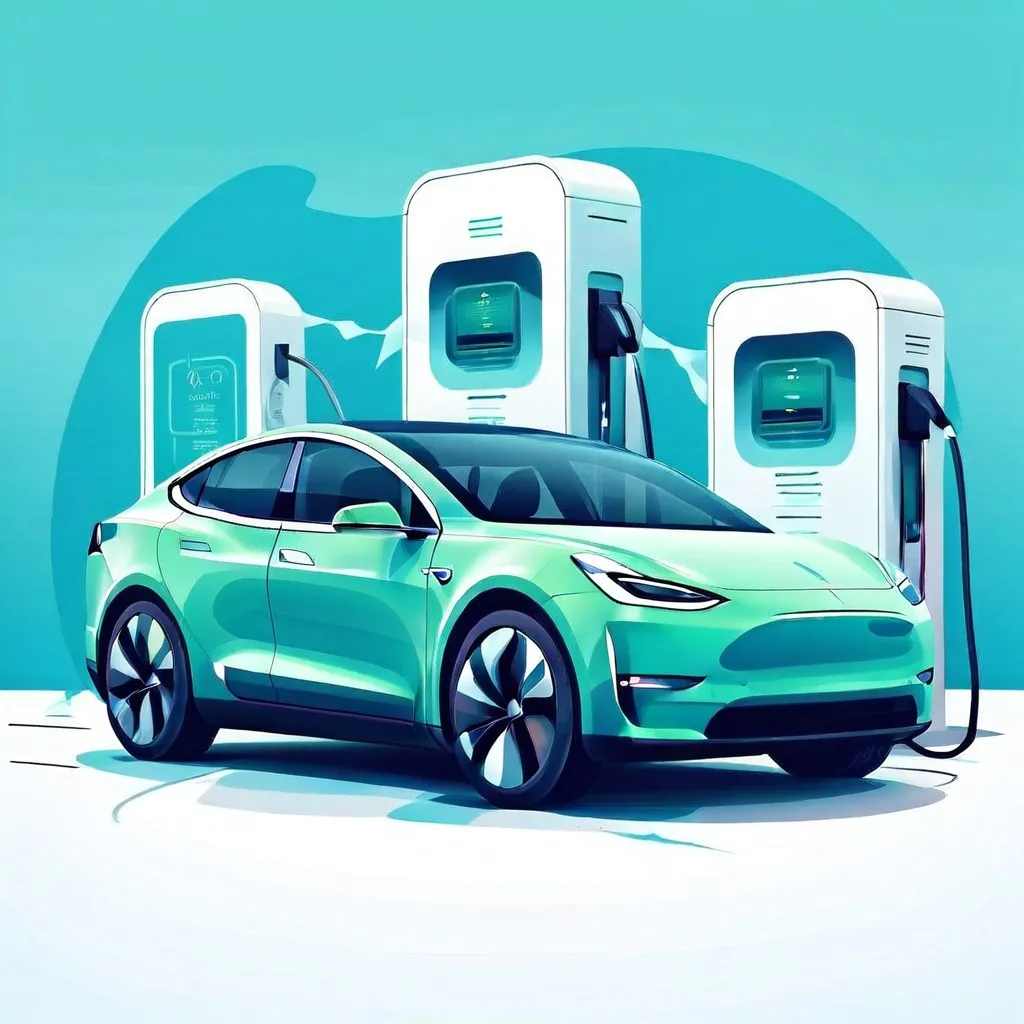
Article content overview
The landscape of Dutch roads is rapidly evolving, with electric vehicles (EVs) playing an increasingly significant role. As an aspiring driver preparing for your theory exam, understanding the benefits of these vehicles, the infrastructure supporting them, and the Dutch government's ambitious sustainability goals is not just beneficial, it's becoming essential. This knowledge provides crucial context for many traffic rules and future road developments, ensuring you are well-prepared for the driving world of tomorrow.
Electric vehicles are more than just a trend; they represent a fundamental shift in personal transportation, driven by environmental concerns and technological advancements. In the Netherlands, this transition is actively encouraged through various policies and incentives aimed at reducing carbon emissions and improving air quality, particularly in urban areas. Understanding why the Netherlands is embracing EVs helps you appreciate the underlying reasons for certain traffic regulations and urban planning decisions that you might encounter, both in your theory studies and on the road. This foresight can also help you anticipate changes in driving behaviour and road usage that are directly linked to the rise of electric mobility.
The benefits of electric cars are numerous and impactful, contributing to a cleaner and quieter environment. For individuals, the advantages often include lower running costs due to cheaper electricity compared to petrol or diesel, reduced maintenance due to fewer moving parts, and access to potential tax benefits or subsidies offered by the government. Furthermore, many municipalities are implementing low-emission zones (milieuzones) that restrict access for older, more polluting vehicles, making EVs a more practical and often necessary choice for navigating city centres. These factors are crucial for understanding how the transport sector is being reshaped.
The Dutch government has set ambitious targets for reducing greenhouse gas emissions, with a significant focus on the transport sector. This commitment is reflected in policies designed to promote the adoption of zero-emission vehicles, including a substantial increase in the number of charging points and initiatives to phase out the sale of new petrol and diesel cars. By understanding these national objectives, you gain insight into the 'why' behind the infrastructure development, such as the expanding EV charging network, and the future direction of road usage regulations. This forward-looking perspective is invaluable for the theory exam, as it often touches upon concepts related to environmental consciousness and responsible driving.
The government's strategy encompasses not only the promotion of EVs but also the development of a robust charging infrastructure. This involves encouraging both public and private investment in charging stations, ensuring that drivers can conveniently recharge their vehicles across the country. Awareness of this expanding network is important for practical driving and also for understanding potential exam questions related to parking or charging etiquette.
As more drivers transition to electric vehicles, understanding the charging process and the associated rules is becoming a critical aspect of modern driving. This includes knowing where to charge, how to use charging stations, and adhering to specific parking regulations that apply to charging spots. In the Netherlands, a variety of charging options are available, from home chargers to public stations and fast chargers located along highways.
Public charging etiquette is essential to ensure fair access for all EV users. This involves not occupying a charging spot once your vehicle is fully charged, especially in busy areas or during peak times. Many charging stations have time limits or require specific authentication methods, such as an RFID card or a mobile app, which are important details to be aware of for practical reasons. Some charging points are located in general parking bays that are temporarily reserved for charging, and drivers must ensure they understand and respect these designations.
The Netherlands boasts one of the most extensive public charging networks in Europe. This infrastructure is a testament to the country's commitment to facilitating the widespread adoption of electric mobility. You'll find charging stations in residential areas, at shopping centres, workplaces, and along major roads. The availability and accessibility of these stations are key factors in making EV ownership practical for more people.
When using public charging facilities, it's crucial to be aware of the specific rules that govern their use. These can vary slightly depending on the provider and location, but generally include adherence to parking regulations for charging bays. For instance, some bays might have a maximum charging time, while others may only allow charging for electric vehicles. Exceeding time limits or parking in a charging bay without actively charging can lead to fines and inconveniences for other drivers. It's also important to understand the cost structure, which often involves a per-kilowatt-hour rate and sometimes a fixed connection fee.
Electric vehicles feature a technology known as regenerative braking, which sets them apart from traditional internal combustion engine cars. This system captures kinetic energy that would normally be lost as heat during braking and converts it back into electrical energy, which is then stored in the battery. This not only helps to extend the vehicle's range but also reduces wear on the conventional braking system.
From a driving perspective, regenerative braking can alter the way a vehicle decelerates. When you lift your foot off the accelerator pedal, the vehicle will often slow down more noticeably than a petrol or diesel car, sometimes to the point where you may not need to use the brake pedal in many driving situations. This 'one-pedal driving' capability requires some adjustment in driving style, particularly in terms of anticipating stops and managing speed smoothly, which is a subtle but important aspect of driving EVs safely and efficiently. Understanding this can influence how you approach deceleration in traffic.
As the Dutch transport system evolves towards greater sustainability and electrification, the theory exam increasingly reflects these changes. Questions might assess your understanding of how EVs operate, their environmental benefits, and the infrastructure supporting them. This includes knowledge of charging protocols, the concept of low-emission zones, and how driving behaviour might adapt in an EV-centric world. For example, understanding regenerative braking helps explain why an EV might slow down more rapidly when the accelerator is released.
The exam may also test your awareness of future mobility trends, such as the potential integration of autonomous vehicles and enhanced connectivity. While these are still developing, a foundational understanding of the principles behind them, such as the importance of shared mobility services and intelligent traffic systems, is becoming relevant. The CBR, the Dutch examination body for driving licenses, aims to ensure that new drivers are not only competent in current traffic but also informed about the evolving nature of road transport.
Remember to check the latest regulations regarding low-emission zones (milieuzones) in Dutch cities. These zones are increasingly common and can affect where you are permitted to drive depending on your vehicle's emission standards.
Environmental zones, or 'milieuzones' in Dutch, are designated areas within cities where access for certain types of vehicles is restricted based on their emission levels. The primary goal of these zones is to improve air quality by encouraging the use of cleaner vehicles, including electric cars. As an aspiring driver, it's crucial to be aware of these zones and the types of vehicles they affect, as failure to comply can result in fines.
Typically, these zones target older diesel vehicles and mopeds that do not meet specific emission standards. Newer petrol vehicles, and particularly electric and hydrogen-powered vehicles, are generally exempt. The specific requirements for entering a milieuzone are usually indicated by road signs and detailed information can be found on municipal websites. Understanding these zones is part of responsible driving and environmental awareness, which are increasingly important aspects of the driving theory.
The transition to electric mobility is an ongoing process, and staying informed about these developments is key to becoming a safe, responsible, and future-ready driver. By familiarizing yourself with the benefits of EVs, the Dutch government's sustainability goals, and the practicalities of charging and navigating environmental zones, you are not only preparing for your theory exam but also for a lifetime of informed driving. The Dutch Driving License Theory app is designed to help you master these topics and more, ensuring you have a comprehensive understanding of traffic laws and the evolving road environment in the Netherlands.
This article covers the essentials of electric vehicles in the context of Dutch driving theory, explaining how EVs differ mechanically from combustion engine cars through regenerative braking technology that captures energy during deceleration. It details the practical rules for using public charging infrastructure, including etiquette around time limits and authentication, and explains how milieuzones restrict access for polluting vehicles while exempting cleaner options like EVs. The content prepares learners for exam questions on environmental regulations and future mobility concepts by connecting government sustainability goals to real-world driving rules and infrastructure developments in the Netherlands.
A short set of high-value points that capture the most important ideas from this article.
Electric vehicles use regenerative braking, which captures kinetic energy during deceleration and stores it back in the battery, extending range.
In the Netherlands, milieuzones restrict access for older diesel vehicles and polluting mopeds, while EVs are generally exempt from these environmental zone restrictions.
Public charging etiquette requires moving your vehicle once charging is complete to avoid blocking the spot for others.
The Dutch government aims to phase out new petrol and diesel car sales and is rapidly expanding EV charging infrastructure across the country.
EVs decelerate more noticeably when you lift off the accelerator due to regenerative braking, a driving characteristic known as one-pedal driving.
Milieuzones are indicated by road signs and their specific access requirements vary by municipality based on emission standards.
Regenerative braking reduces wear on conventional brakes and can significantly extend an EV's driving range.
Some public charging bays have maximum time limits and may require authentication via RFID card or mobile app.
Low-emission zones primarily target older diesel vehicles and mopeds that do not meet specific emission standards.
The CBR incorporates questions about EVs, environmental zones, and future mobility trends into the Dutch driving theory exam.
Assuming all vehicles are banned from milieuzones, when actually only certain diesel vehicles and mopeds are restricted while newer petrol cars and EVs are typically allowed.
Believing EVs behave identically to petrol cars when decelerating, when regenerative braking causes noticeably faster deceleration without brake application.
Parking in a charging bay without actively charging, which can result in fines and inconvenience other EV drivers.
Forgetting that charging spots may require specific authentication methods (RFID or app) before charging can begin.
Overlooking that charging infrastructure costs vary and often include both a per-kilowatt-hour rate and sometimes a fixed connection fee.
Article content overview
A short set of high-value points that capture the most important ideas from this article.
Electric vehicles use regenerative braking, which captures kinetic energy during deceleration and stores it back in the battery, extending range.
In the Netherlands, milieuzones restrict access for older diesel vehicles and polluting mopeds, while EVs are generally exempt from these environmental zone restrictions.
Public charging etiquette requires moving your vehicle once charging is complete to avoid blocking the spot for others.
The Dutch government aims to phase out new petrol and diesel car sales and is rapidly expanding EV charging infrastructure across the country.
EVs decelerate more noticeably when you lift off the accelerator due to regenerative braking, a driving characteristic known as one-pedal driving.
Milieuzones are indicated by road signs and their specific access requirements vary by municipality based on emission standards.
Regenerative braking reduces wear on conventional brakes and can significantly extend an EV's driving range.
Some public charging bays have maximum time limits and may require authentication via RFID card or mobile app.
Low-emission zones primarily target older diesel vehicles and mopeds that do not meet specific emission standards.
The CBR incorporates questions about EVs, environmental zones, and future mobility trends into the Dutch driving theory exam.
Assuming all vehicles are banned from milieuzones, when actually only certain diesel vehicles and mopeds are restricted while newer petrol cars and EVs are typically allowed.
Believing EVs behave identically to petrol cars when decelerating, when regenerative braking causes noticeably faster deceleration without brake application.
Parking in a charging bay without actively charging, which can result in fines and inconvenience other EV drivers.
Forgetting that charging spots may require specific authentication methods (RFID or app) before charging can begin.
Overlooking that charging infrastructure costs vary and often include both a per-kilowatt-hour rate and sometimes a fixed connection fee.
Explore related topics, search based questions, and concepts that learners often look up when studying EVs and Dutch Future Mobility. These themes reflect real search intent and help you understand how this topic connects to wider driving theory knowledge in the Netherlands.
Find clear and practical answers to common questions learners often have about EVs and Dutch Future Mobility. This section helps explain difficult points, remove confusion, and reinforce the key driving theory concepts that matter for learners in the Netherlands.
Key benefits include reduced local emissions, lower noise pollution, and potential for lower running costs, aligning with the Dutch government's drive for cleaner air and quieter urban environments.
The Dutch government aims to significantly increase the adoption of EVs to meet climate targets, reduce CO2 emissions from transport, and foster a transition towards sustainable and emission-free mobility.
Knowledge of EV trends helps learners anticipate changes in traffic, understand new regulations (like low-emission zones), and grasp the broader context of road safety and environmental responsibility, which can be relevant for exam questions and safe driving.
The increasing presence of EVs may lead to changes in urban accessibility, charging infrastructure needs, and potentially new traffic management strategies as the Netherlands transitions towards a greener transport system.
Start your targeted search now to explore a vast library of official Dutch driving theory articles and guides. Reinforce your understanding of specific traffic rules or road signs to ensure you are fully prepared for your upcoming CBR theory exam. Discover comprehensive explanations tailored for success.