
For those holding a full A licence in the Netherlands, the choice of motorcycle is vast. This guide breaks down the distinctions between popular categories—naked, touring, adventure, and sport bikes—explaining their unique characteristics and practical uses on Dutch roads. Gaining this knowledge will help you make a well-informed purchase decision that aligns with your riding needs and lifestyle.
Article content overview
Obtaining your full Dutch A licence opens up a world of two-wheeled freedom, but it also presents a significant decision: choosing the right motorcycle. With a full A licence, you are permitted to ride any motorcycle, meaning your options are vast, ranging from agile naked bikes to comfortable touring machines, rugged adventure bikes, and high-performance sport bikes. Understanding the distinct characteristics of these categories is crucial for selecting a bike that not only matches your riding style but also suits the diverse Dutch road conditions, potential insurance costs, and ongoing maintenance requirements. This guide will help you navigate these choices, ensuring your first motorcycle is a responsible and enjoyable companion on your riding journey.
The full A licence in the Netherlands allows you to ride motorcycles of any engine capacity and power output. This broad permission means you can choose from various types of bikes, each designed for different purposes and rider preferences. While manufacturers often blend features, most motorcycles can be broadly categorized into naked, touring, adventure, and sport bikes, and knowing their typical traits is your first step towards making an informed purchase.
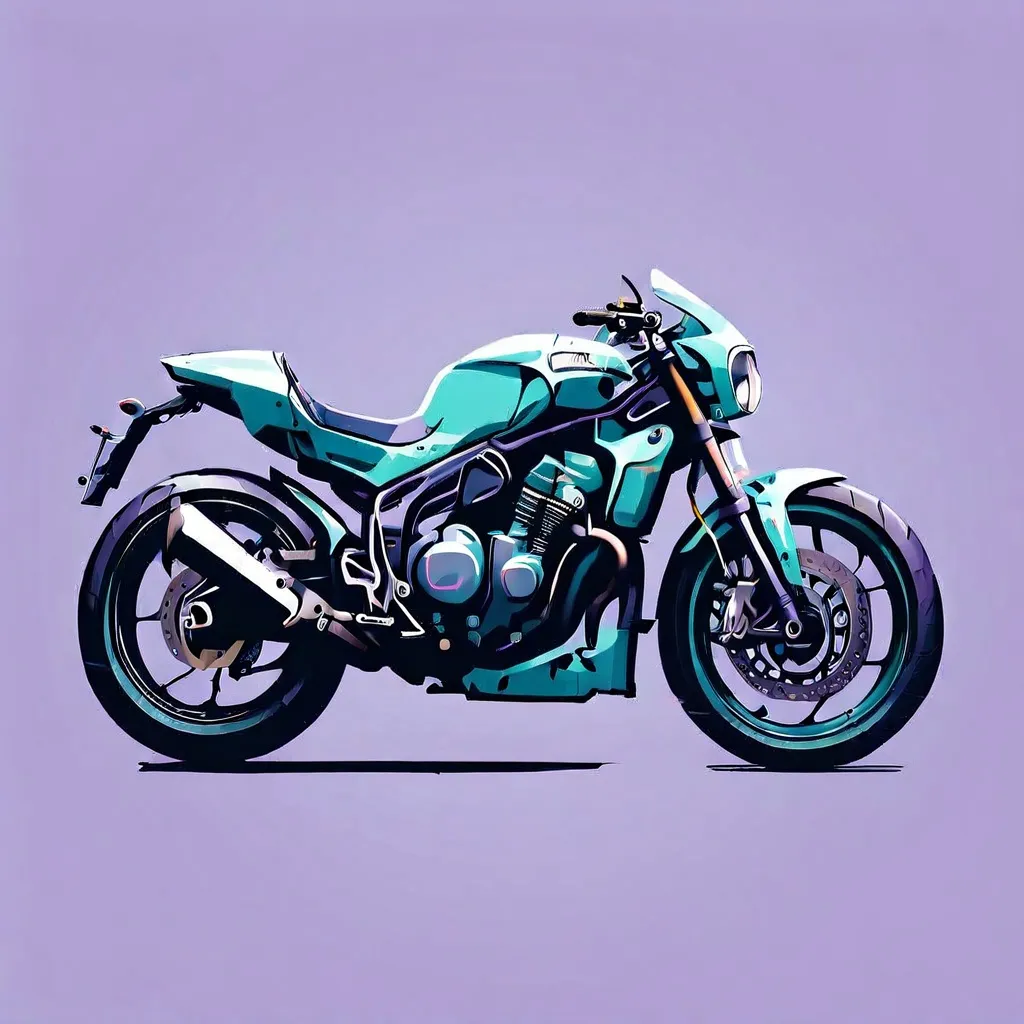
Naked bikes, often referred to as standard or street bikes, are characterized by their minimalist design, with the engine and frame prominently displayed. They typically feature an upright riding position, making them comfortable for daily commuting and general riding. Their neutral ergonomics contribute to good handling and are less demanding on the rider's body over longer distances compared to more aggressive styles.
These motorcycles often strike a balance between performance and practicality. Their engines are usually tuned for accessible power delivery, making them forgiving for less experienced riders while still offering ample performance for seasoned enthusiasts. Maintenance on naked bikes is generally straightforward due to the easy accessibility of the engine and components, which can also translate into more manageable insurance premiums. They are an excellent choice for riders who primarily navigate city streets, enjoy scenic country road rides, and appreciate a no-nonsense, functional design.
Touring motorcycles are built with extended journeys in mind, prioritizing rider and passenger comfort above all else. They often feature large fairings and windscreens to provide substantial protection from wind and weather, significantly reducing rider fatigue on motorways and long-distance trips. The seating position is typically relaxed and upright, with ample cushioning and support for both the rider and any potential passenger.
These bikes usually come equipped with large fuel tanks for extended range, integrated luggage systems such as panniers and top boxes, and often include amenities like premium sound systems or heated grips. While they may not be as nimble as naked or sport bikes, their stable handling and smooth power delivery make them ideal for cruising across the Netherlands and beyond. Maintenance can sometimes be more involved due to the extensive fairings and integrated electronics, and insurance costs might be higher reflecting their size and intended use. Touring bikes are the ideal choice for those who envision frequent long-distance travel and prioritize comfort and practicality for carrying luggage.
Adventure motorcycles, often abbreviated as "ADV bikes," are designed for versatility, capable of handling both paved roads and unpaved trails. They typically feature long-travel suspension for absorbing bumps, higher ground clearance for navigating rough surfaces, and a more upright riding stance that offers good visibility. The styling often includes a beak-like front fairing for aerodynamic efficiency and to protect the rider from debris.
These bikes are equipped with robust tires, often with a slight off-road bias, and are built with durable components to withstand varied conditions. Their engines are usually tuned for strong mid-range torque, providing accessible power for both on-road cruising and off-road exploration. While they may not be as agile in corners as sport bikes or as comfortable for very long highway stretches as dedicated tourers, adventure bikes offer an unparalleled ability to explore beyond the beaten path. Their robustness can sometimes mean slightly higher maintenance costs, especially if frequently used off-road, and insurance can vary depending on the specific model and its intended use. For riders in the Netherlands who enjoy exploring diverse landscapes, from coastal roads to rural trails, an adventure bike provides the freedom to venture further.
Sport motorcycles are engineered for performance, focusing on speed, agility, and handling. They typically feature aggressive ergonomics, with clip-on handlebars mounted low and footpegs positioned high and rearward, placing the rider in a forward-leaning posture. This riding position, while exhilarating for spirited riding, can be demanding on the wrists, back, and neck during extended periods.
These bikes boast powerful engines, advanced suspension systems, and high-performance brakes designed for precise control and rapid acceleration. Their aerodynamic bodywork, including full fairings, is optimized to reduce drag at high speeds. While incredibly capable on twisty roads and racetracks, their performance focus can make them less practical for daily commuting or long-distance touring due to their firm ride and less forgiving ergonomics. Maintenance on sport bikes can be more intensive and costly, reflecting their high-performance components, and insurance premiums are often higher due to their power and appeal to a demographic that may be perceived as higher risk. For riders in the Netherlands who prioritize dynamic riding experiences and track-day capabilities, a sport bike offers unparalleled thrills.
Beyond the general category, several practical factors will influence your choice of motorcycle after obtaining your full Dutch A licence. These considerations are crucial for ensuring your purchase aligns with your lifestyle, budget, and actual riding needs. Thinking about these points will help you make a more informed and ultimately satisfying decision.
The riding position is arguably one of the most critical aspects of motorcycle selection, directly impacting your comfort and control. As mentioned, naked bikes offer an upright stance, touring bikes provide a relaxed posture, adventure bikes are semi-upright and commanding, while sport bikes adopt an aggressive, forward-leaning position. For new riders with a full A licence, or those who plan on significant commuting or touring, a more upright and neutral position is generally recommended for comfort and reduced fatigue.
Consider how the reach to the handlebars and the position of the footpegs feel for your body proportions. A test ride is invaluable here; it allows you to get a real feel for how the bike supports you, how easy it is to manoeuvre at low speeds, and how comfortable you are in the saddle after a short duration. Ignoring ergonomics can lead to discomfort, pain, and a reduced enjoyment of riding, even on the most capable machines.
Your primary use case for the motorcycle should heavily dictate your choice. If your daily routine involves navigating the streets of Amsterdam or Utrecht, a nimble naked bike or a comfortable scooter (if you opt for the AM category as well, though this article focuses on A) might be ideal. For those planning extensive weekend trips across the Dutch countryside or venturing into neighbouring countries, a touring motorcycle with its emphasis on comfort and luggage capacity becomes a more sensible option.
Adventure bikes cater to those who wish to combine their road riding with explorations into nature, perhaps on the dikes or unpaved paths that are present even in the Netherlands. Sport bikes are best suited for riders who relish dynamic performance and enjoy the thrill of spirited riding on twisty roads, potentially with occasional track day excursions. Be realistic about how you intend to use your motorcycle; buying a sport bike for daily commuting might be uncomfortable, just as a touring bike might feel cumbersome for short city hops.
The cost of ownership extends beyond the initial purchase price and includes ongoing maintenance, insurance, and fuel. Motorcycles with simpler designs, like many naked bikes, tend to have more accessible engines and fewer complex systems, often leading to lower labour costs for routine maintenance and repairs. Components that are exposed, rather than hidden behind extensive fairings, are also easier to inspect and maintain.
Conversely, high-performance sport bikes and feature-rich touring motorcycles can incur higher maintenance costs due to specialized parts, more complex engine tuning, and the intricate nature of their electronic systems and bodywork. Adventure bikes, especially those used for off-road riding, may require more frequent checks and replacements of wear items like tires and suspension components. Always factor in the availability of local mechanics who are proficient with a particular brand or type of motorcycle, as this can also influence servicing costs.
Motorcycle insurance in the Netherlands, as in most countries, is influenced by several factors, including the rider's age and experience, the type of motorcycle, its engine capacity and power, and its intended use. More powerful and expensive motorcycles, such as high-performance sport bikes, often command higher insurance premiums due to the increased risk associated with them. Similarly, motorcycles with a higher theft risk or those used for commercial purposes may also see higher insurance costs.
When considering your options, it's wise to obtain insurance quotes for different types of motorcycles you are interested in. This will give you a concrete idea of the annual costs and help you factor them into your budget. Some insurers may offer discounts for riders who have completed advanced riding courses or have a clean driving record. Understanding the insurance landscape is a vital part of responsible motorcycle ownership.
When budgeting for your motorcycle, remember to include not just the purchase price but also insurance, road tax (wegenbelasting), fuel, regular maintenance, and potentially protective riding gear if you don't already own it.
When you hold the full A licence in the Netherlands, you have the freedom to choose from virtually any motorcycle. However, the characteristics of Dutch roads and traffic often make certain types of bikes more practical or enjoyable for everyday riding. Understanding how these categories perform in a Dutch context can refine your selection.
Naked bikes excel in the varied conditions found in the Netherlands. Their upright riding position provides good visibility, which is crucial for anticipating traffic, especially in busy urban areas like Rotterdam or The Hague. Their agility makes them excellent for weaving through traffic (where permitted and safe), navigating narrow streets, and handling the frequent traffic lights and roundabouts common in Dutch towns.
The moderate power output typical of many naked bikes is well-suited to Dutch speed limits, which are generally lower than in some other European countries. They are also comfortable enough for moderate-distance rides along the scenic provincial roads or to the coast. Maintenance is generally straightforward, and insurance costs are often reasonable, making them a popular choice for many A licence holders.
While the Netherlands is not a vast country, touring motorcycles are perfect for those who enjoy leisurely exploration and extended day trips. They offer supreme comfort for long rides, allowing you to comfortably visit far-flung corners of the country, from the Wadden Islands to Limburg’s rolling hills. The weather protection is a significant advantage, as Dutch weather can be unpredictable, with rain and strong winds being common.
The luggage capacity is also beneficial for carrying gear for longer excursions or for making practical purchases. While they might feel a bit bulky in very tight city centres, their stability on motorways and larger provincial roads is unparalleled. Insurance premiums can be higher, but for riders who value comfort and the ability to undertake long journeys, a touring bike is an excellent investment.
Adventure bikes offer a unique proposition for Dutch riders. While the Netherlands is predominantly flat and well-developed, there are still opportunities for exploration beyond the asphalt. Think of the coastal areas with their sandy paths, the rural landscapes with unpaved farm tracks, or even designated off-road areas. An adventure bike allows you to access these without concern.
Their comfortable, commanding riding position and robust build make them well-suited to varied surfaces. They can also handle the bumps and imperfections often found on older Dutch roads. While perhaps overkill for pure city commuting, their versatility means you aren't limited to just paved routes. They are also comfortable enough for general riding and can be equipped with luggage for touring.
The Netherlands isn't renowned for its mountainous terrain, but it does have numerous scenic country roads and polders with plenty of curves and challenging intersections where a sport bike can be enjoyed. The power and agility of a sport bike allow for an exhilarating riding experience, particularly on these less-trafficked routes. The full A licence ensures you have the power to take full advantage of such machines.
However, it's crucial to remember that Dutch speed limits are strictly enforced, and a sport bike's true performance potential can only be utilized in limited circumstances. The aggressive riding posture can also become tiring on longer journeys or in stop-start traffic. For riders who are passionate about performance and enjoy spirited riding on available routes, a sport bike can be a rewarding choice, but it requires a realistic assessment of its practical daily use in the Netherlands.
Choosing a motorcycle after passing your full A licence exam is an exciting milestone. It’s a process that requires careful consideration of the machine’s characteristics, your personal needs, and the realities of riding in the Netherlands. Don't rush this decision; take your time to research, sit on different bikes, and, most importantly, take advantage of test rides.
Consider the long-term picture: how will your needs evolve? Will you want to carry a passenger more often? Do you plan to take up longer touring trips? Your first motorcycle doesn't have to be your last, but choosing wisely will ensure a safe, comfortable, and enjoyable start to your motorcycle adventure with the Dutch A licence.
The full A licence grants unrestricted motorcycle choice among four main categories: naked bikes for versatile everyday riding, touring bikes for long-distance comfort, adventure bikes for mixed terrain exploration, and sport bikes for performance-focused riding. Key selection factors include ergonomics matching your body and intended use, realistic assessment of maintenance and insurance costs, and Dutch-specific considerations like moderate speed limits and urban congestion. Understanding these categories helps you make an informed purchase aligned with your riding needs, budget, and the practical realities of Dutch roads.
A short set of high-value points that capture the most important ideas from this article.
With a full Dutch A licence, you may ride any motorcycle regardless of engine capacity or power output
Naked bikes offer upright ergonomics and accessible power, making them versatile for city commuting and casual touring
Touring motorcycles prioritize comfort with wind protection, relaxed seating, and luggage capacity for extended journeys
Adventure bikes combine on-road and off-road capability with robust components and strong mid-range torque
Sport bikes feature aggressive ergonomics and high-performance components optimized for speed and agility rather than daily practicality
Ergonomics directly impact comfort: naked (upright), touring (relaxed), adventure (semi-upright commanding), sport (forward-leaning aggressive)
Naked bikes typically have lower maintenance costs due to accessible components and fewer complex systems
Insurance premiums correlate with motorcycle type, power output, and perceived risk; obtain quotes before purchasing
Dutch speed limits are generally moderate, making extremely high-performance machines less practical for everyday riding
Adventure bikes, while capable off-road, may be excessive for purely urban commuting in the Netherlands
Selecting a sport bike for daily commuting despite its uncomfortable ergonomics and firm ride quality
Overlooking ergonomics: the wrong riding position causes fatigue, discomfort, and reduced control
Ignoring total cost of ownership by focusing only on purchase price while underestimating insurance and maintenance
Choosing a touring motorcycle primarily for city use where its size and weight become a drawback
Assuming adventure bikes are necessary for Dutch roads when most are well-paved and suited to naked or touring bikes
Article content overview
A short set of high-value points that capture the most important ideas from this article.
With a full Dutch A licence, you may ride any motorcycle regardless of engine capacity or power output
Naked bikes offer upright ergonomics and accessible power, making them versatile for city commuting and casual touring
Touring motorcycles prioritize comfort with wind protection, relaxed seating, and luggage capacity for extended journeys
Adventure bikes combine on-road and off-road capability with robust components and strong mid-range torque
Sport bikes feature aggressive ergonomics and high-performance components optimized for speed and agility rather than daily practicality
Ergonomics directly impact comfort: naked (upright), touring (relaxed), adventure (semi-upright commanding), sport (forward-leaning aggressive)
Naked bikes typically have lower maintenance costs due to accessible components and fewer complex systems
Insurance premiums correlate with motorcycle type, power output, and perceived risk; obtain quotes before purchasing
Dutch speed limits are generally moderate, making extremely high-performance machines less practical for everyday riding
Adventure bikes, while capable off-road, may be excessive for purely urban commuting in the Netherlands
Selecting a sport bike for daily commuting despite its uncomfortable ergonomics and firm ride quality
Overlooking ergonomics: the wrong riding position causes fatigue, discomfort, and reduced control
Ignoring total cost of ownership by focusing only on purchase price while underestimating insurance and maintenance
Choosing a touring motorcycle primarily for city use where its size and weight become a drawback
Assuming adventure bikes are necessary for Dutch roads when most are well-paved and suited to naked or touring bikes
Explore related topics, search based questions, and concepts that learners often look up when studying A Licence Motorcycle Categories. These themes reflect real search intent and help you understand how this topic connects to wider driving theory knowledge in the Netherlands.
Find clear and practical answers to common questions learners often have about A Licence Motorcycle Categories. This section helps explain difficult points, remove confusion, and reinforce the key driving theory concepts that matter for learners in the Netherlands.
Naked bikes offer a more upright riding position and versatility for daily commuting and general riding, while sport bikes are designed for performance with a more aggressive, forward-leaning posture, excelling on twisty roads or track days.
Yes, adventure bikes are versatile and can handle various road surfaces found in the Netherlands, including light off-road excursions, offering a comfortable riding position and good luggage capacity, though they are generally heavier and taller.
Touring bikes prioritize comfort, wind protection, and luggage carrying capacity for long distances. They are ideal for riders who plan to tour extensively within or outside the Netherlands, focusing on rider and passenger comfort.
Sport bikes may have higher insurance premiums and maintenance costs due to their performance focus. Naked, touring, and adventure bikes generally have more moderate costs, with touring bikes sometimes requiring more specialized maintenance for features like integrated luggage systems.
Start your targeted search now to explore a vast library of official Dutch driving theory articles and guides. Reinforce your understanding of specific traffic rules or road signs to ensure you are fully prepared for your upcoming CBR theory exam. Discover comprehensive explanations tailored for success.