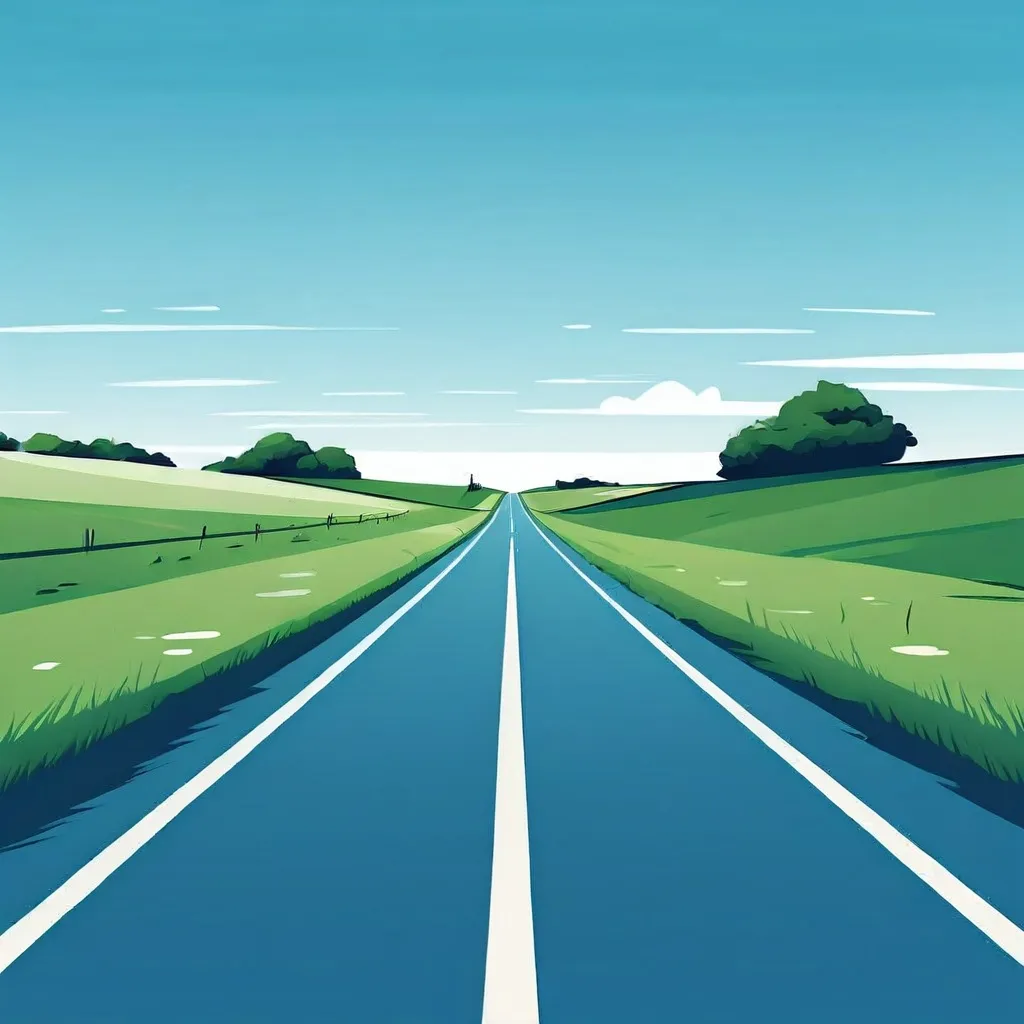
Driving on unmarked narrow country roads in the Netherlands presents unique challenges, demanding heightened awareness and adherence to fundamental rules. This article will guide you through crucial techniques for maintaining safe positioning, managing speed, and anticipating hazards on these rural routes. Understanding these principles is vital for both safe driving practice and success in your Dutch theory exam.
Article content overview
Driving on unmarked narrow country lanes in the Netherlands presents a unique set of challenges that demand heightened awareness and a deep understanding of fundamental traffic principles. Unlike busier urban roads with clear lane markings and extensive signage, these rural routes rely on drivers to interpret situations based on general traffic laws, anticipation, and established priority rules. Success in your Dutch driving theory exam, particularly with the CBR, hinges on mastering these nuanced skills, ensuring you can navigate these often-confusing environments safely and confidently. This article will guide you through the essential techniques for maintaining safe positioning, managing your speed, and anticipating hazards on these rural routes, helping you avoid common exam pitfalls and become a more responsible driver.
The absence of clear lane markings on many Dutch country roads means that the responsibility for orderly traffic flow falls heavily on the driver's judgment and adherence to basic principles. The fundamental rule is to keep as far to the right as possible, a principle that applies even when there are no visible lines delineating lanes. This isn't about rigidly hugging the absolute edge of the carriageway, but rather about maintaining a sensible position that allows for safe passage of oncoming traffic, especially on narrower stretches. When approaching bends or encountering parked vehicles, maintaining this rightward inclination is crucial, preventing unnecessary encroachment into the path of others.
On roads without clear lane markings, drivers must mentally divide the available space. The concept of "keeping to the right" is paramount. This means that even if a road appears wide enough for two vehicles side-by-side, drivers should still aim to position their vehicle in the right half of the carriageway. When overtaking or passing parked cars, this general principle still applies; maintain your rightward position unless there is a specific reason to deviate, such as an approaching vehicle. When driving on carriageways that are wide enough, you should still position yourself to the right of the centre line if it exists conceptually. This proactive approach to positioning minimises risk and promotes predictable driving behaviour, which is highly valued in the Dutch driving test.
Speed is a critical factor on unmarked country lanes. While the posted speed limits may indicate a maximum allowable speed, actual safe speed is always dependent on the road conditions, visibility, and potential for hazards. On narrow, winding roads, it is often necessary to reduce your speed significantly below the legal limit, especially when approaching concealed bends or junctions. The CBR exam frequently tests a candidate's ability to assess and adapt their speed to the prevailing conditions, rather than simply adhering to the highest permissible speed. Unmarked roads inherently carry a greater risk of unexpected encounters, making judicious speed control essential for avoiding collisions.
The defining characteristic of rural driving on unmarked roads is the increased need for anticipation and proactive hazard perception. Unlike urban environments where hazards are often clearly signalled or visible, country lanes can hide dangers around every bend. This includes concealed bends, cyclists emerging from side roads, agricultural vehicles, and unpredictable wildlife. Your ability to anticipate potential problems before they materialise is a cornerstone of safe driving and a key area assessed by the CBR. This involves constantly scanning the environment, looking far ahead, and considering what might happen next.
Concealed bends, or "blinde bochten" in Dutch, are particularly dangerous on unmarked country lanes. Because the road curves out of sight, you cannot see what is coming towards you. It is imperative to approach these bends at a reduced speed, positioning your vehicle towards the right side of the carriageway. This strategy gives you the best possible view around the bend and provides a greater buffer if an oncoming vehicle is present or emerges unexpectedly. Never assume that the road ahead is clear; always be prepared to react. Exam questions often centre on how to safely negotiate these types of bends, testing your understanding of speed reduction and positioning.
On unmarked rural roads, you are likely to encounter a wider variety of road users than in urban areas. This includes cyclists, moped riders, tractors, and horse-drawn carriages, all of whom have a right to use the road but may not always be as visible or predictable as other vehicles. It is your responsibility as a driver to be aware of their presence and to give them ample space. Cyclists, for instance, may ride two abreast or deviate from their expected path. Tractors can be slow-moving and wide. Always maintain a safe distance when passing, especially when encountering oncoming traffic.
Unmarked junctions and road crossings on country lanes are common and can be a source of confusion. While specific priority signs might be absent, general priority rules still apply. The fundamental principle to remember is that traffic from the right usually has priority, unless other rules or signs dictate otherwise. However, the absence of markings means that situations can be ambiguous, necessitating extreme caution. Always approach unmarked junctions with the expectation that other drivers might not yield, even if they are technically obliged to do so. This proactive approach to potential conflicts is critical for safe driving and is a frequent topic in CBR theory questions.
Even with the general rule, common sense and a defensive driving attitude are essential. If you are unsure who has priority, or if a situation looks dangerous, it is always safer to yield. This cautious approach is precisely what the CBR exam seeks to assess. For example, if you are emerging from a narrow farm track onto a slightly wider unmarked country road, you must be absolutely certain that the traffic on that country road will yield to you before proceeding. Remember, an accident at an unmarked junction can have severe consequences, especially on these often remote routes.
While we are discussing unmarked roads, it's important to note that even on country lanes, you might encounter specific road markings that provide crucial information. Broken white lines in the centre of the road usually indicate that you can cross them to overtake, provided it is safe to do so. However, a solid white line in the centre, or a solid edge line, signifies that you may not cross it. These lines are not always present, but when they are, they must be respected. Hatched road markings, often found where lanes merge or end, also indicate areas that should not be driven on. Pay close attention to any markings, however subtle, as they are designed to improve safety.
The Dutch CBR theory exam is designed to test your understanding of rules and your ability to apply them in realistic scenarios. On unmarked roads, common traps include:
To avoid these traps, always approach unmarked country lanes with a defensive mindset. Drive at a speed that allows you to stop safely within the distance you can see. Constantly scan for potential hazards and be prepared to yield. When in doubt, err on the side of caution. The CBR examiners are looking for drivers who demonstrate a thorough understanding of risk and a commitment to safe driving practices, especially in situations where road infrastructure offers less guidance.
Understanding the nuances of driving on unmarked Dutch country lanes is crucial for your CBR theory exam success. The questions will often present scenarios requiring you to apply these principles. Focus on understanding the why behind the rules – why is anticipation important? Why must you reduce speed on a concealed bend? Being able to explain the reasoning behind your actions will help you answer complex questions correctly. Practicing with mock exams that simulate these rural road situations is highly recommended.
Navigating unmarked country lanes in the Netherlands requires more than just knowing the basic rules; it demands constant vigilance, excellent anticipation skills, and a deep respect for other road users. Always remember to keep to the right, manage your speed appropriately, and be prepared for the unexpected around every bend or at every junction. By internalising these principles, you will not only be well-prepared for your CBR theory exam but also become a safer, more confident driver on all Dutch roads.
Unmarked Dutch country lanes require drivers to apply general traffic principles without the guidance of lane markings. The fundamental rule is to keep as far right as possible, while adjusting speed based on visibility, road width, and potential hazards. Concealed bends ("blinde bochten") demand particular caution, requiring reduced speed and correct positioning before entering. At unmarked junctions, traffic from the right generally has priority, but a defensive mindset is essential as situations can be ambiguous. The CBR exam frequently tests your ability to apply these principles in realistic rural scenarios, focusing on anticipation, appropriate speed selection, and correct vehicle positioning.
A short set of high-value points that capture the most important ideas from this article.
Always keep as far right as possible on unmarked roads, even when no lane lines are visible.
Safe speed depends on visibility and conditions, not just the posted limit; reduce significantly on blind curves.
Never assume the road ahead is clear around a concealed bend; always be prepared to react.
At unmarked junctions without signs, traffic from the right generally has priority.
Anticipation and constant scanning of the environment are the defining skills for rural unmarked road driving.
"Blinde bochten" (concealed bends) require reduced speed and rightward positioning before entering.
Broken white centre lines allow overtaking; solid white lines must not be crossed.
Hatched road markings indicate areas that may not be driven on.
When uncertain about priority at an unmarked junction, always yield as a defensive choice.
Agricultural vehicles, cyclists, and moped riders are common on rural lanes and may be less visible.
Assuming a narrow road is wide enough for two vehicles to pass comfortably when it is not.
Entering a concealed bend without slowing sufficiently, reducing reaction time.
Misjudging priority at unmarked junctions by not accounting for the general right-of-way rule.
Underestimating the speed or unpredictability of cyclists, tractors, or horse-drawn carriages.
Failing to look far enough ahead to anticipate hazards beyond the immediate line of sight.
Article content overview
A short set of high-value points that capture the most important ideas from this article.
Always keep as far right as possible on unmarked roads, even when no lane lines are visible.
Safe speed depends on visibility and conditions, not just the posted limit; reduce significantly on blind curves.
Never assume the road ahead is clear around a concealed bend; always be prepared to react.
At unmarked junctions without signs, traffic from the right generally has priority.
Anticipation and constant scanning of the environment are the defining skills for rural unmarked road driving.
"Blinde bochten" (concealed bends) require reduced speed and rightward positioning before entering.
Broken white centre lines allow overtaking; solid white lines must not be crossed.
Hatched road markings indicate areas that may not be driven on.
When uncertain about priority at an unmarked junction, always yield as a defensive choice.
Agricultural vehicles, cyclists, and moped riders are common on rural lanes and may be less visible.
Assuming a narrow road is wide enough for two vehicles to pass comfortably when it is not.
Entering a concealed bend without slowing sufficiently, reducing reaction time.
Misjudging priority at unmarked junctions by not accounting for the general right-of-way rule.
Underestimating the speed or unpredictability of cyclists, tractors, or horse-drawn carriages.
Failing to look far enough ahead to anticipate hazards beyond the immediate line of sight.
Explore related topics, search based questions, and concepts that learners often look up when studying Unmarked Dutch Roads. These themes reflect real search intent and help you understand how this topic connects to wider driving theory knowledge in the Netherlands.
Find clear and practical answers to common questions learners often have about Unmarked Dutch Roads. This section helps explain difficult points, remove confusion, and reinforce the key driving theory concepts that matter for learners in the Netherlands.
The primary challenge is the absence of lane markings and signage, which requires drivers to rely more heavily on anticipation, clear positioning, and general priority rules to safely navigate traffic and hazards.
On unmarked roads, you should generally keep as far to the right as possible, mentally dividing the road. Maintain a safe lateral distance from the centre line and any parked vehicles, driving in a straight line where feasible.
Anticipation means actively looking ahead and considering potential hazards such as oncoming vehicles, concealed bends, cyclists, or animals, and adjusting your speed and position accordingly.
Yes, if no specific signs or markings indicate otherwise, the general priority rules apply. This usually means giving way to vehicles approaching from your right, but always be observant and prepared to yield.
Concealed bends are a significant hazard on unmarked rural roads. You must reduce your speed well before the bend, position your vehicle towards the right side of the road, and be prepared for oncoming traffic or other obstacles that may be hidden from view.
Start your targeted search now to explore a vast library of official Dutch driving theory articles and guides. Reinforce your understanding of specific traffic rules or road signs to ensure you are fully prepared for your upcoming CBR theory exam. Discover comprehensive explanations tailored for success.