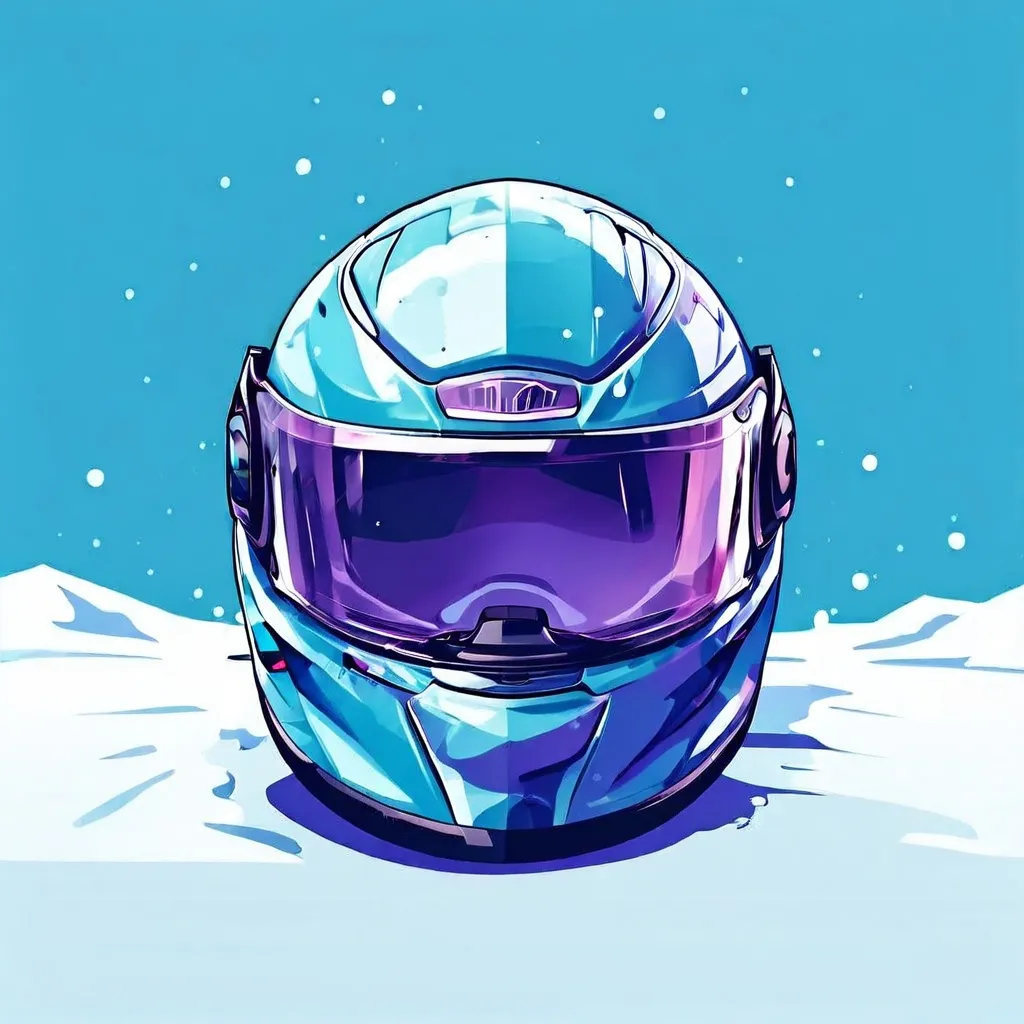
When snow and ice hit the Netherlands, the CBR may cancel practical exams for motorcycles and mopeds to ensure rider safety. This article clarifies which exams proceed and how weather-related cancellations occur, while highlighting that your theoretical knowledge of safe winter driving behaviour remains essential for any rider. Learn about CBR policies and how to prepare for potential disruptions and hazardous conditions.
Article content overview
The Dutch driving theory curriculum, administered by the CBR (Centraal Bureau Rijvaardigheidsbewijzen), covers a wide array of situations drivers might encounter. While much of the focus is on rules, signs, and safe behaviour, understanding how external factors like weather can impact driving and even exam schedules is also a critical component. In the Netherlands, winter weather, particularly snow and ice, can significantly affect practical driving exams for vulnerable road users such as moped and motorcycle riders. While theory exams generally continue, being aware of weather-related cancellations for practical tests is essential for planning your licensing journey.
The CBR prioritises the safety of all participants, and this extends to exam conditions. When severe winter weather is forecast, the CBR makes proactive decisions to ensure that candidates and examiners are not put at undue risk. This is especially true for motorcycles and mopeds, which offer less protection and are far more susceptible to changes in road surface conditions compared to cars. The CBR’s policy is to cancel practical exams for these categories when weather poses a significant hazard, such as widespread slippery roads due to snow or ice.
The CBR's decision to cancel practical exams is a precautionary measure based on weather forecasts and the inherent risks associated with riding motorcycles and mopeds in slippery, low-grip conditions. This ensures that candidates are not subjected to unnecessarily dangerous situations during their assessments.
While practical exams for motorcycles and mopeds may be called off, it's important to note that other CBR exams, including theory tests and practical exams for cars, trailers, and heavier vehicles, often proceed as usual. Local conditions can still lead to individual cancellations, but the general rule is that theory exams are less susceptible to weather disruptions than practical road tests. However, this does not diminish the importance of understanding winter driving principles, which are thoroughly covered in the theory curriculum.
When the CBR announces a cancellation of practical exams due to severe winter weather, it directly impacts candidates who had their tests scheduled for that day. The announcement typically comes from the CBR itself, and candidates, along with their driving instructors, will be notified. This proactive approach allows for timely rescheduling and minimises confusion. The primary goal is to ensure that no candidate is expected to undertake a potentially hazardous practical assessment.
Rescheduling cancelled practical exams is handled with priority to ensure that candidates do not face undue delays in obtaining their driving licenses. The CBR aims to offer a new appointment as soon as possible, often with preferential slots. It is crucial for candidates to stay informed through official CBR channels and to communicate with their driving school about any changes to their exam schedule. Understanding this process is part of the overall preparation for obtaining a Dutch driving license.
Although theory exams are less likely to be cancelled due to winter weather, the knowledge gained from these exams is paramount for safe driving, especially in adverse conditions. The Dutch driving theory extensively covers how to adapt your driving behaviour when road surfaces are compromised by rain, snow, or ice. Understanding these principles is not just about passing the exam; it is about ensuring your safety and the safety of others when you are on the road.
For motorcycle and moped riders, the stakes are particularly high. A loss of grip can lead to immediate loss of control. The theory exam will test your knowledge on topics such as:
When preparing for your theory exam, pay close attention to sections detailing driving in adverse weather. The CBR often includes questions about how to adjust your behaviour during rain, fog, snow, and icy conditions, as these are essential skills for safe driving in the Netherlands.
A hypothetical image here could illustrate a common hazard: a motorcycle encountering a patch of black ice, highlighting the sudden loss of traction that can occur. The text surrounding such an image would then explain the need for immediate, but controlled, counter-measures as taught in the theory.
To help you grasp these concepts, here are some essential terms and their definitions relevant to winter driving and CBR exam procedures:
The CBR theory exam often incorporates scenarios that test your understanding of how to behave in less-than-ideal conditions. Expect questions that present a situation with adverse weather and ask you to choose the safest course of action. For instance, you might be shown a scenario with icy roads and asked about appropriate speed, braking techniques, or the use of hazard lights.
A hypothetical scenario could present a question like: "You are driving your motorcycle and encounter a road surface covered in a thin layer of ice. What is the most important adjustment you should make?" Possible answers would likely include options related to speed reduction, braking technique, steering, or acceleration. The correct answer would always emphasise a cautious approach, such as significantly reducing speed and avoiding sudden movements.
Be wary of options that suggest maintaining normal speed or applying brakes suddenly. These actions are extremely dangerous on icy surfaces and are common 'distractors' in theory exam questions designed to catch candidates who haven't fully grasped winter driving principles.
While the CBR does its best to maintain exam schedules, severe weather can cause unforeseen disruptions. For motorcycle and moped candidates, understanding the possibility of practical exam cancellations due to weather is part of the preparation. It means being flexible and ready to reschedule without undue stress. More importantly, it underscores the value of the theoretical knowledge you acquire.
The rules and safe practices you learn for theory exams are your primary tools for navigating challenging conditions. Whether it's understanding the mechanics of reduced grip or knowing when and how to use your vehicle's lights, your theoretical foundation is what keeps you safe when the unexpected happens. Even if your practical exam is postponed, your continued study of winter driving behaviour will equip you better for when you can finally take to the road in safer conditions.
To truly prepare for the Dutch driving theory exam, especially the sections concerning adverse weather, consistent practice is key. Understanding the nuances of winter driving is not just about memorising facts; it's about applying them to real-world scenarios. The questions in the CBR exam are designed to assess your judgment and your ability to make safe decisions under various conditions.
By utilising practice sets that focus on these specific topics, you can familiarise yourself with the question formats and common pitfalls. This targeted practice will build your confidence and ensure that you are well-prepared for any winter driving-related questions on your CBR theory test, helping you to navigate the roads safely and successfully.
This article explains how the CBR handles winter weather disruptions for motorcycle and moped exams in the Netherlands, noting that practical exams for these vulnerable vehicles are cancelled when severe weather creates hazardous conditions, while theory exams typically continue. The content covers essential winter driving principles including reduced braking distances on slippery surfaces, the necessity of significantly lowering speed, proper visibility measures like using front fog lights, and the importance of anticipating hazards such as black ice. Learners should understand that while exam schedules may be disrupted, the theoretical knowledge gained about winter driving behaviour remains crucial for safe riding in adverse conditions, and that exam questions often test judgment in scenarios involving slippery roads and reduced visibility.
A short set of high-value points that capture the most important ideas from this article.
CBR cancels practical exams for motorcycles and mopeds when severe winter weather creates hazardous road conditions
Theory exams generally continue even during winter weather disruptions
Winter driving requires significant speed reduction and gentle, progressive braking techniques
Reduced grip on slippery surfaces makes motorcycles and mopeds far more vulnerable than cars
Your theoretical knowledge of winter driving principles is essential for real-world safety, not just passing exams
CBR (Centraal Bureau Rijvaardigheidsbewijzen) is the Dutch authority that administers both theory and practical driving exams
Practical exams for motorcycles and mopeds are the most likely to be cancelled due to weather, while car exams often proceed
Black ice is a thin, transparent ice layer that is extremely slippery and difficult to see
Winter tyres are designed with special compounds and tread patterns for better grip in cold temperatures and on snow or ice
The CBR aims to reschedule cancelled practical exams promptly with preferential appointment slots
Assuming that all CBR exams are cancelled when practical motorcycle or moped exams are called off
Maintaining normal driving speed when encountering icy or snow-covered road surfaces
Applying brakes suddenly on slippery surfaces instead of using gentle, progressive braking
Failing to adjust lighting appropriately when visibility is severely reduced in winter conditions
Underestimating the danger of black ice by not anticipating potential patches while riding
Article content overview
A short set of high-value points that capture the most important ideas from this article.
CBR cancels practical exams for motorcycles and mopeds when severe winter weather creates hazardous road conditions
Theory exams generally continue even during winter weather disruptions
Winter driving requires significant speed reduction and gentle, progressive braking techniques
Reduced grip on slippery surfaces makes motorcycles and mopeds far more vulnerable than cars
Your theoretical knowledge of winter driving principles is essential for real-world safety, not just passing exams
CBR (Centraal Bureau Rijvaardigheidsbewijzen) is the Dutch authority that administers both theory and practical driving exams
Practical exams for motorcycles and mopeds are the most likely to be cancelled due to weather, while car exams often proceed
Black ice is a thin, transparent ice layer that is extremely slippery and difficult to see
Winter tyres are designed with special compounds and tread patterns for better grip in cold temperatures and on snow or ice
The CBR aims to reschedule cancelled practical exams promptly with preferential appointment slots
Assuming that all CBR exams are cancelled when practical motorcycle or moped exams are called off
Maintaining normal driving speed when encountering icy or snow-covered road surfaces
Applying brakes suddenly on slippery surfaces instead of using gentle, progressive braking
Failing to adjust lighting appropriately when visibility is severely reduced in winter conditions
Underestimating the danger of black ice by not anticipating potential patches while riding
Explore related topics, search based questions, and concepts that learners often look up when studying Winter Weather & CBR Exams. These themes reflect real search intent and help you understand how this topic connects to wider driving theory knowledge in the Netherlands.
Find clear and practical answers to common questions learners often have about Winter Weather & CBR Exams. This section helps explain difficult points, remove confusion, and reinforce the key driving theory concepts that matter for learners in the Netherlands.
While practical exams for motorcycles and mopeds are frequently cancelled due to winter weather for safety reasons, theory exams typically proceed as scheduled. However, it's always best to check the CBR's official announcements for any potential changes.
If your practical exam is cancelled by the CBR due to weather, you will be notified. These exams can be rescheduled free of charge and are often given priority for the new appointment.
Your theory exam covers crucial knowledge about safe driving behaviour in adverse conditions, such as reduced visibility, slippery surfaces, and longer braking distances. This knowledge is vital for the safety of motorcycle and moped riders when they do ride, especially in winter.
Yes, the CBR theory curriculum includes modules on safe driving behaviour in various conditions, including winter precipitation, explaining how to adapt speed, braking, and visibility measures, such as using fog lights when necessary.
Start your targeted search now to explore a vast library of official Dutch driving theory articles and guides. Reinforce your understanding of specific traffic rules or road signs to ensure you are fully prepared for your upcoming CBR theory exam. Discover comprehensive explanations tailored for success.