
Prepare for the Dutch driving theory exam by practicing essential emergency equipment and roadside safety rules. This set covers the correct use and placement of warning triangles, the importance of reflective vests, and safe procedures during breakdowns or accidents on Dutch roads, ensuring you can mark hazards and protect yourself and others.
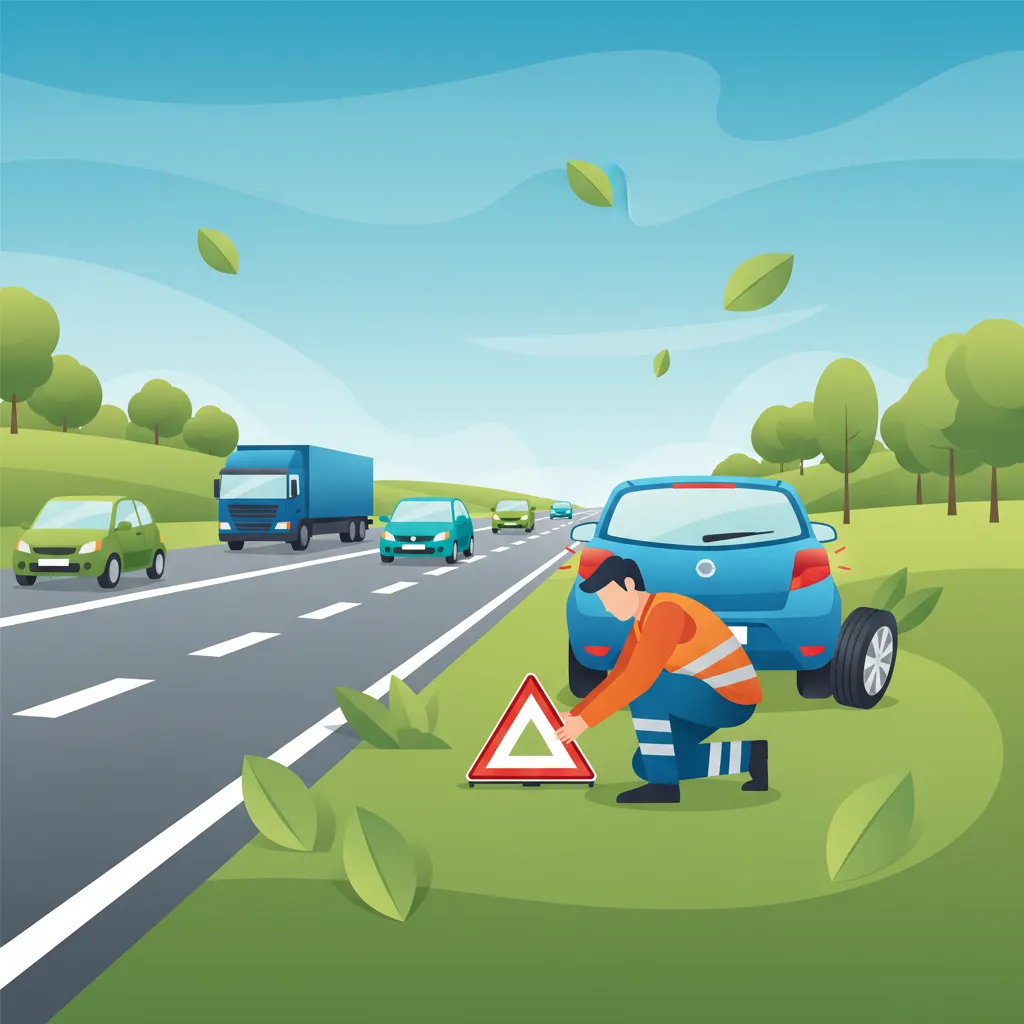
This practice set helps you master essential Dutch traffic rules for roadside emergencies. You'll review topics like correct warning triangle placement and personal visibility to prevent further danger. This is vital preparation for emergency situation questions on your Dutch driving theory exam, building confidence for the real test.
This set focuses on vital knowledge for dealing with unexpected roadside incidents, from correct warning triangle placement to ensuring personal visibility. Understand the rules to prevent further danger and pass questions related to emergency situations on your Dutch driving theory exam.
Preview sample questions from the Emergency Roadside Safety practice set to see how they help you prepare for the driving theory exam in the Netherlands.
Learners choose Emergency Roadside Safety to improve accuracy and understanding of key exam themes in the Netherlands. It offers realistic driving theory questions and targeted revision for effective preparation.
Find answers to the most common queries learners have when practising Emergency Roadside Safety, including how questions match the official theory exam in the Netherlands, how scoring works, and how this practice improves exam readiness.
A warning triangle must be placed clearly and visibly approximately 30 metres behind your broken-down vehicle, facing approaching traffic.
While not always mandatory for passenger cars to carry one, you are obliged to place a warning triangle in certain breakdown or accident situations, especially if hazard lights alone are insufficient.
Although not always mandatory for all occupants, wearing a fluorescent safety vest is strongly advised when waiting at the side of the road to significantly increase your visibility to passing drivers.
Always ensure passengers are moved to a safe location away from the active roadway, ideally behind a barrier or well away from traffic, especially children.
While not strictly mandated by Dutch law for passenger cars, it is good practice to carry spare bulbs for essential lights (headlights, brake lights) to ensure continued visibility and compliance, especially if a light fails unexpectedly.
By completing Emergency Roadside Safety, you will gain stronger rule knowledge, faster recognition of signs and situations, better decision making in traffic scenarios, and increased accuracy on exam style questions used in the Netherlands. These outcomes directly support higher scoring exam performance.
Explore additional related practice questions to reinforce your knowledge of Dutch emergency situations and accident prevention. This targeted topic revision provides further exam preparation, helping you compare scenarios and ensure comprehensive readiness for your official driving theory test.
Stay Safe on High-Speed Roads: Master Emergency Procedures

Master emergency procedures to stay safe and pass your Dutch driving theory exam.
When a Siren Sounds: Know Your Duty and Stay Safe for Your Dutch Driving Exam.
Be prepared and compliant: Master emergency procedures for your moped.

Stay calm and in control: Master mechanical failure responses for your Dutch driving exam.
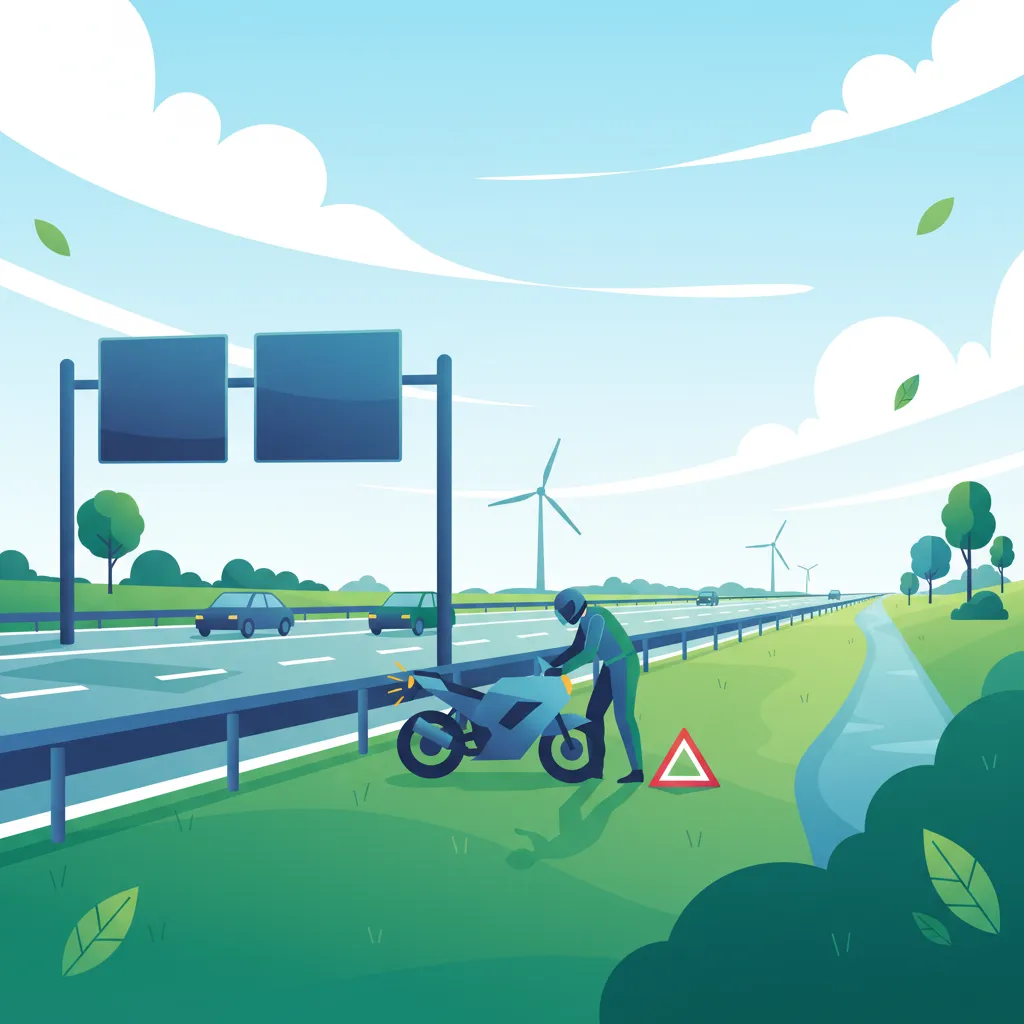
Master Dutch Motorcycle Breakdown Rules and Stay Safe on the Road.
Questions in Emergency Roadside Safety
Exam focused questionss
Emergency Roadside Safety offers quick, focused exam style practice to boost your Dutch knowledge for the driving theory exam in the Netherlands.
Emergency Roadside Safety helps learners in the Netherlands with clear explanations and targeted Dutch practice to improve essential driving theory topics.
This practice set is for all learners preparing for the Dutch driving theory exam who want to feel confident handling roadside emergencies. It addresses common misconceptions about emergency equipment and safety protocols, making it ideal for those who struggle with specific rules for breakdowns, accidents, or ensuring visibility in challenging conditions on Dutch roads.
Explore more topics for the Dutch driving theory exam in the Netherlands.
Select a practice category from the list to begin targeted revision for your Dutch driving theory exam. Whether it's road signs, traffic rules, or specific maneuvers, you can focus on improving your understanding and boosting your confidence for the official CBR test.
Practice Categories Overview