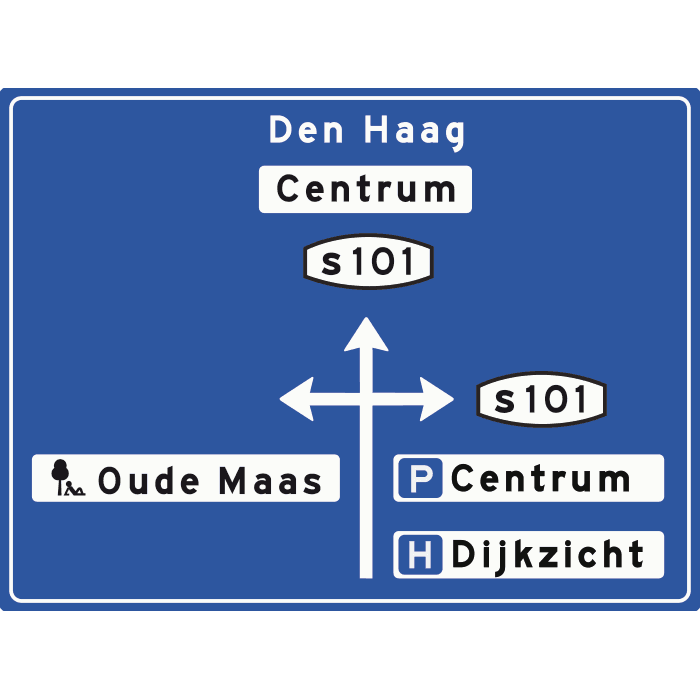
The K10 Advance Warning Panel road sign is designed to provide early lane and direction guidance within built-up areas, especially for complex city junctions. These urban approach panels prepare you for situations like multi-lane turns, bus lanes, tram crossings, or restricted turns, helping to reduce conflicts with vulnerable road users and public transport. It's crucial to choose your lane early and follow the indicated movements to navigate these junctions safely and successfully during your Dutch driving licence theory test.
The K10 'Advance Warning Panel' sign is crucial for navigating complex Dutch urban junctions, clearly indicating lane assignments and directions. Mastering this traffic sign explanation is vital for your driving theory test, enabling safe decision-making and preventing hazardous last-minute lane changes.
This information sign appears on the approach to complex junctions inside built up areas where several lanes, tram tracks, bus lanes or cycle facilities interact. It shows how lanes are assigned and which directions are permitted from each lane. By giving this overview in advance, the sign helps prevent last minute lane changes and supports safer interactions with vulnerable road users and public transport.
This sign gives early lane and direction information when you are approaching a complex junction in a built up area. It prepares you for bus lanes, tram tracks, cycle crossings or special turning rules so you can position your vehicle safely and in good time. Reading it early reduces stress and helps you keep full attention on pedestrians and other vulnerable road users.
Get clear, practical answers to the most common questions about the K10 - Advance Warning Panel Within Built-Up Area road sign. Learn how the sign works, what rules it represents, and how it affects real driving situations. This FAQ strengthens your understanding and supports accurate decision making for the Dutch driving theory exam in the Netherlands.
The K10 sign's main purpose is to give you advance notice and guidance for upcoming complex junctions within built-up areas. It helps you prepare for different lane requirements for turning, going straight, or merging, often involving buses, trams, or specific traffic flows.
When you see the K10 sign, you should immediately start paying attention to the lane markings and directional arrows. Check which lane you need to be in for your intended direction and change lanes safely and early if necessary. Always be prepared to yield to pedestrians, cyclists, and trams if indicated.
Yes, while the K10 sign itself doesn't directly prohibit actions, it guides you to specific lanes. Therefore, actions like changing lanes across solid lines when you're not supposed to, entering a turn-only lane if you intend to go straight, or blocking bus/tram lanes when not permitted are implicitly forbidden by the guidance the sign provides.
A common trap is not paying enough attention to the K10 sign until it's too late to change lanes safely. Learners might also get confused by visually similar signs or miss specific instructions for trams or buses. Always remember that advanced preparation and correct lane positioning are key to passing questions involving this sign.
No, the K10 sign is an information and guidance sign, not a priority sign. It informs you about upcoming lane arrangements and potential conflicts. You are still responsible for obeying traffic lights, other priority signs, and yielding to other road users as required by general traffic rules and specific junction layouts.
If the K10 sign shows multiple lanes for your intended direction, it means you have a choice. Pick the lane that best suits your position for the junction ahead. Be aware that sometimes there are subtle differences, like a lane ending or merging earlier, so continue to observe road markings and other signs.
A clear reference image of the K10 - Advance Warning Panel Within Built-Up Area road sign used in the Netherlands.
The K10 - Advance Warning Panel Within Built-Up Area road sign may also be known by these alternative names or terms.
The K10 - Advance Warning Panel Within Built-Up Area road sign is part of the Direction & Route Guidance (K) category, which groups together signs with similar rules and functions.
Mastering Dutch traffic rules means understanding subtle differences. Compare this sign with similar road signs to solidify your recall and excel in your theory test revision. Effective traffic sign comparison is key to confident driving and exam success.
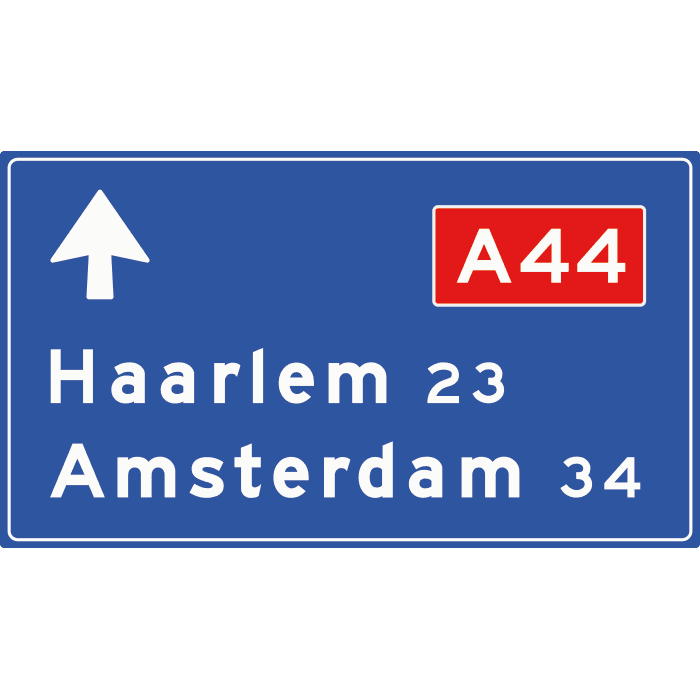
The K1 Sign: Your Close-Range Motorway Navigation Aid
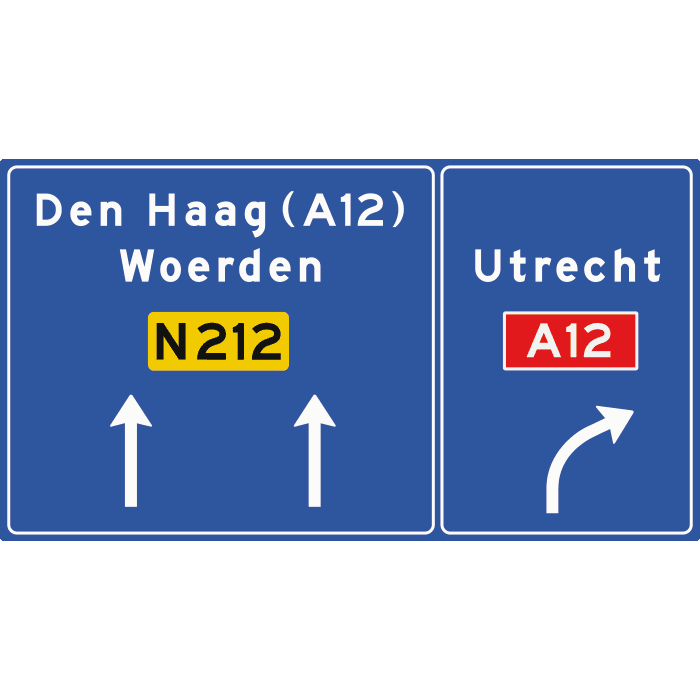
Use the K11 Lane Instructions sign to pick the right lane before a junction.
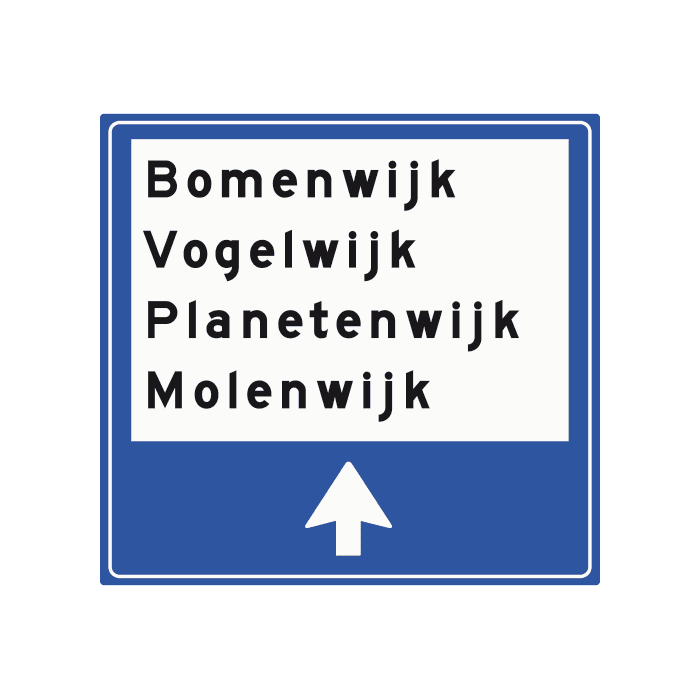
Understand the K12 Local Signpost for District Names in Urban Areas
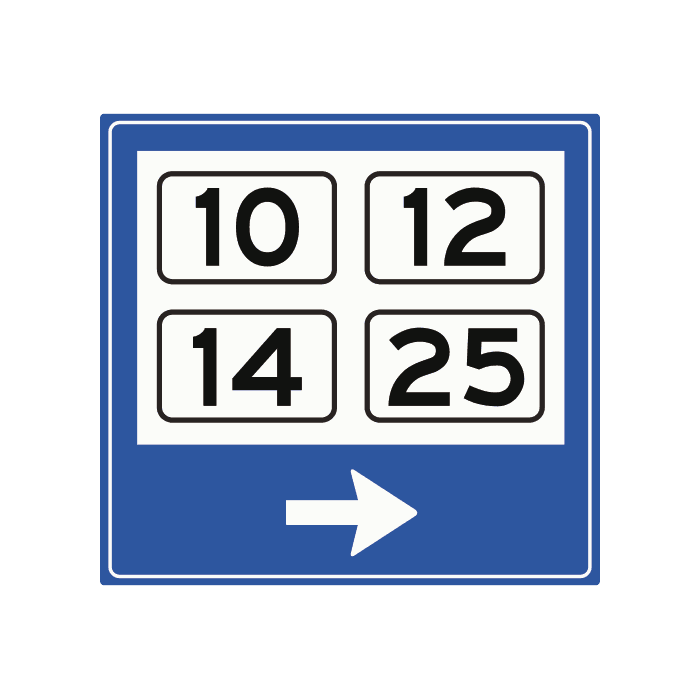
Understand the K13 Local Signpost for District Numbers in the Netherlands
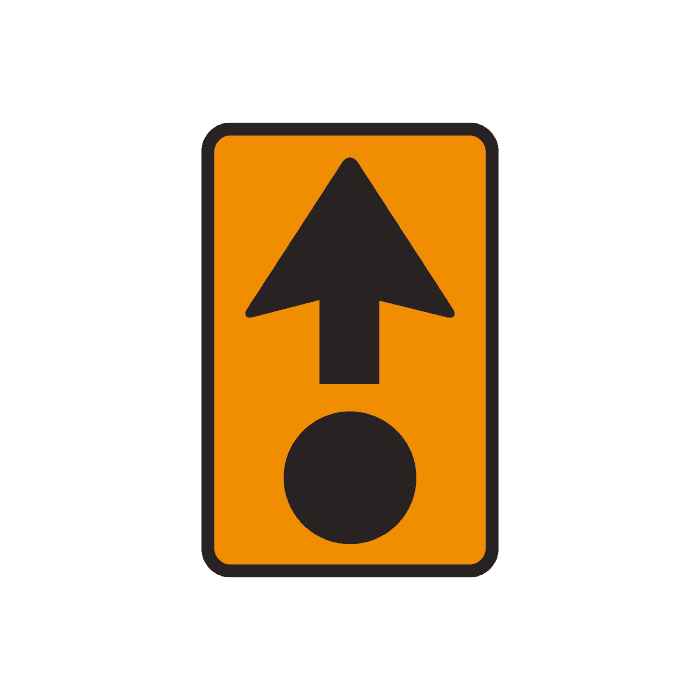
Follow the K14 sign for designated routes for vehicles carrying hazardous materials.

Follow the K15 Sign for Hazardous Materials Routes on Information Panels
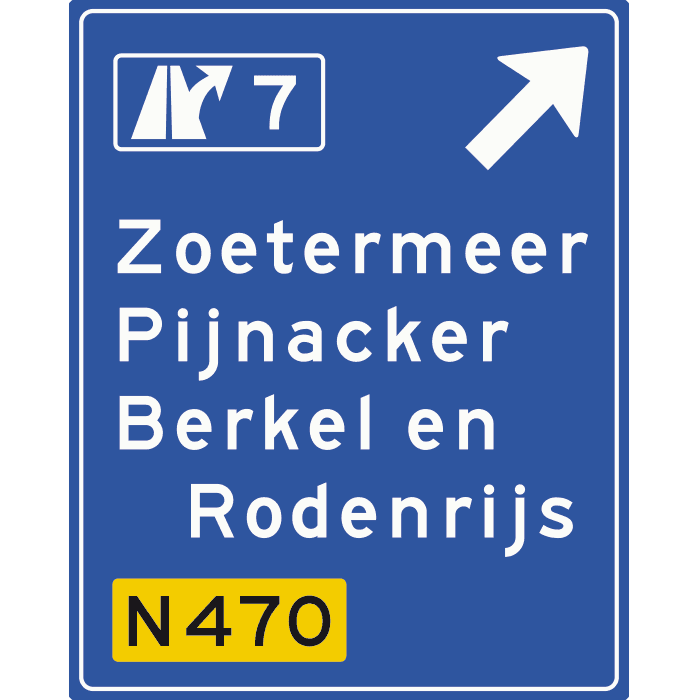
Prepare for your upcoming motorway exit with the K2 advance warning sign.
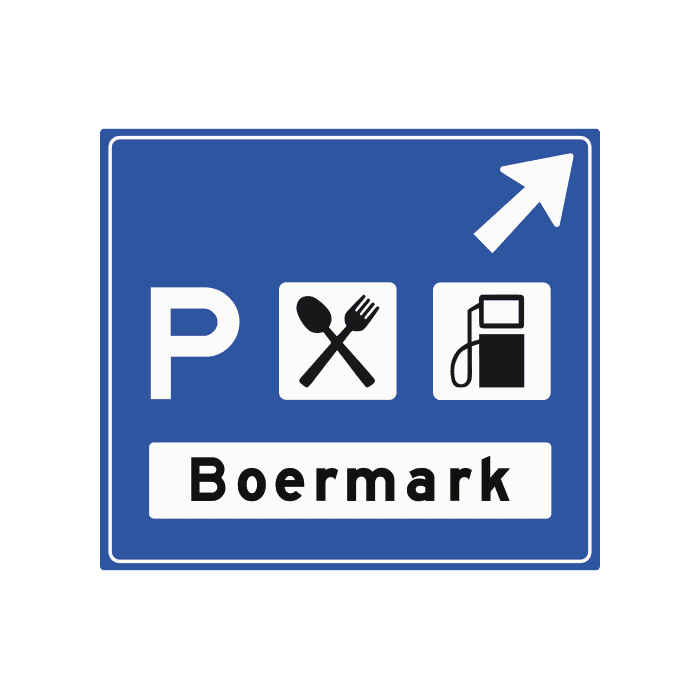
Motorway Service Area Information signs guide you to essential facilities ahead.
After reviewing the full list of Dutch road signs, deepen your understanding by exploring signs organized by category or practicing with targeted questions. This systematic approach ensures you fully grasp every sign's meaning and application, preparing you thoroughly for your CBR driving theory exam.
View All Dutch Road Signs