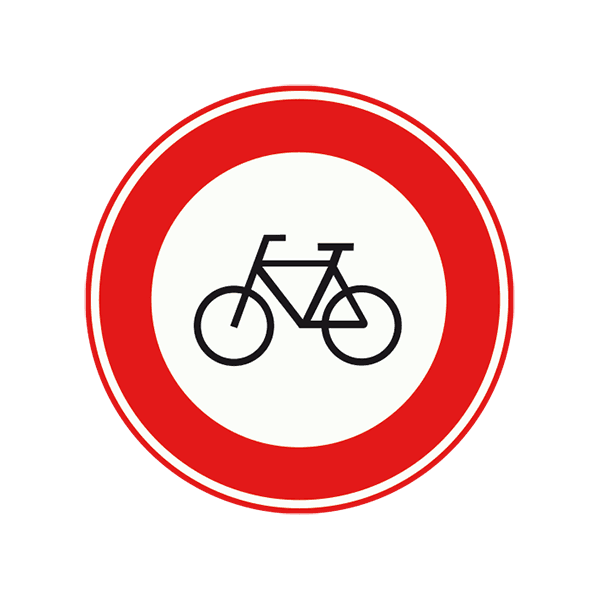
The C14 road sign, 'Closed to Bicycles & Non-motorized Disability Vehicles', indicates that cycling and the use of non-motorized mobility devices are not permitted beyond this point. This sign is typically placed in locations where bicycle traffic could pose a safety risk or cause significant disruption, such as tunnels or high-speed road sections. It does not automatically restrict pedestrian or motor traffic, but you should always be aware of other applicable signs. Remember to follow any designated detours or alternative routes for cyclists when encountering this prohibition.
The C14 sign, indicating "Closed to Bicycles & Non-motorized Disability Vehicles," is vital for road safety, preventing vulnerable users from entering unsuitable zones like tunnels or high-speed roads. Mastering this specific traffic sign explanation is crucial for your Dutch driving theory test and ensuring correct decisions on the road.
The C14 sign is a white circle with a red border and a bicycle symbol above an invalid carriage symbol, meaning closed to bicycles and non motor powered disability vehicles. It is used where these slow and vulnerable users would be at particular risk or cause disruption, for example in tunnels, on high speed roads, or at complex entrances. Other traffic may still be allowed, but cyclists must obey any separate verplicht fietspad or designated cycle route nearby.
This sign indicates that bicycles and non motorised disability vehicles are not allowed to use the road or path beyond the sign. The route is reserved for other traffic types, so cycling or moving along it in a hand driven invalid carriage is prohibited. Cyclists and users of these mobility aids must follow a parallel cycle path or another signed route that is designed for their speed and protection.
Get clear, practical answers to the most common questions about the C14 - Closed to Bicycles & Non-motorized Disability Vehicles road sign. Learn how the sign works, what rules it represents, and how it affects real driving situations. This FAQ strengthens your understanding and supports accurate decision making for the Dutch driving theory exam in the Netherlands.
The C14 sign explicitly prohibits cyclists and users of non-motorized disability vehicles from proceeding past it. You must find an alternative route or use facilities designated for cyclists if available.
No, the C14 sign by itself only restricts bicycles and non-motorized disability vehicles. Pedestrians and motor vehicles can still use the road unless other signs indicate otherwise.
This sign is used to enhance safety and traffic flow by preventing potential conflicts. It's often found on roads with high vehicle speeds, in tunnels, or on routes where mixing with bicycles would be particularly hazardous.
A common trap is assuming the sign also prohibits pedestrians or motor traffic. Learners might also forget that 'non-motorized disability vehicles' are also included in the ban. Always read the sign precisely and consider the group it belongs to.
No, handcycles are considered non-motorized mobility devices and are therefore prohibited past the C14 sign, just like regular bicycles.
You must not cycle past the C14 sign. Look for any signage indicating a detour for cyclists or an alternative route. If no detour is available, you may need to dismount and walk your bicycle, provided pedestrian access is permitted.
A clear reference image of the C14 - Closed to Bicycles & Non-motorized Disability Vehicles road sign used in the Netherlands.
The C14 - Closed to Bicycles & Non-motorized Disability Vehicles road sign may also be known by these alternative names or terms.
The C14 - Closed to Bicycles & Non-motorized Disability Vehicles road sign is part of the Closure & One-Way Signs (C) category, which groups together signs with similar rules and functions.
Reviewing related road signs like the C14 'Closed to Bicycles & Non-motorized Disability Vehicles' alongside similar Dutch traffic signs aids memory and reduces confusion during your theory test revision. Practise effective traffic sign comparison to boost your recognition skills and prepare thoroughly for the exam.
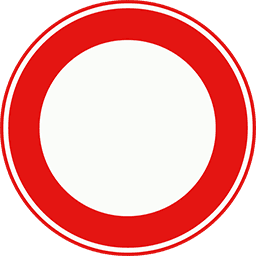
The C1 sign means 'Closed to All Vehicles', but pedestrians are welcome.
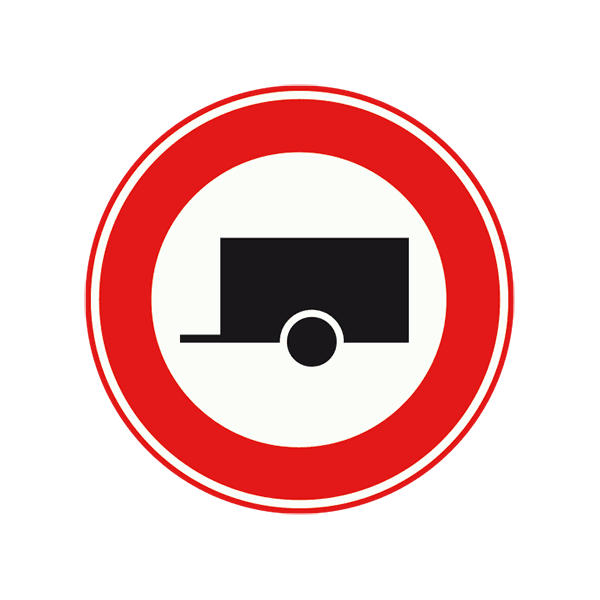
The C10 sign means no entry for motor vehicles towing trailers in the Netherlands.
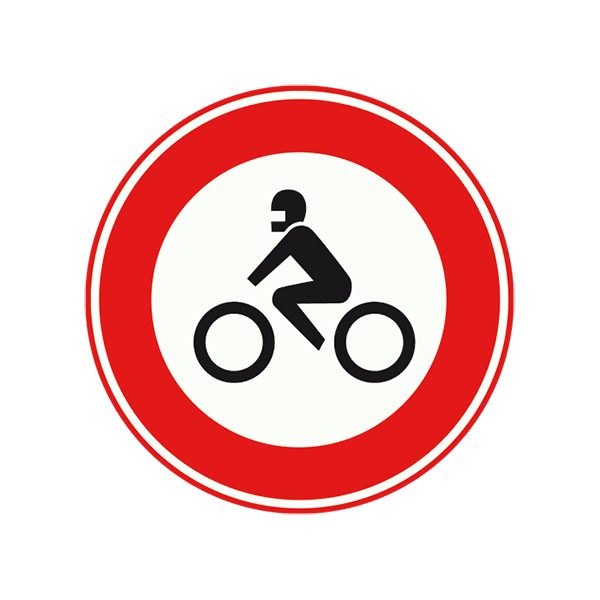
C11: Motorcycles are Prohibited on This Road
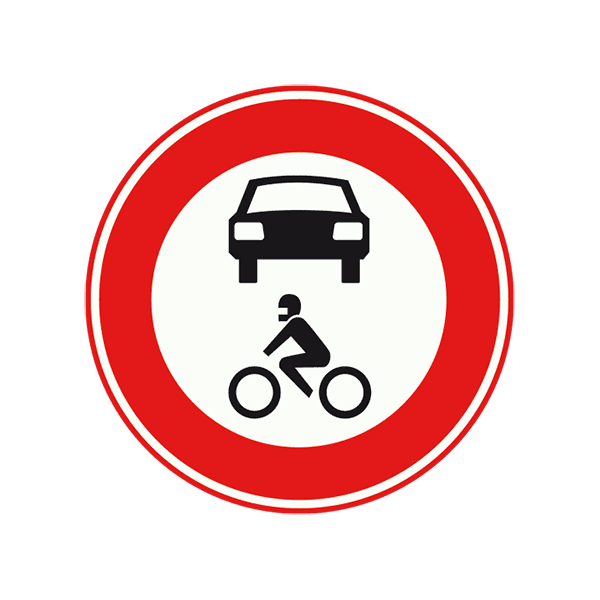
Understand the 'Closed to All Motor Vehicles' (C12) Prohibition Sign
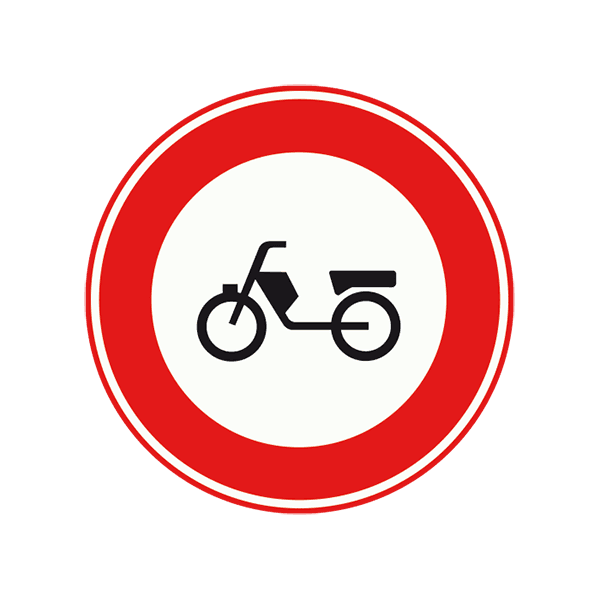
Understand the C13 sign: No Engine-Powered Mopeds or Disability Vehicles Allowed
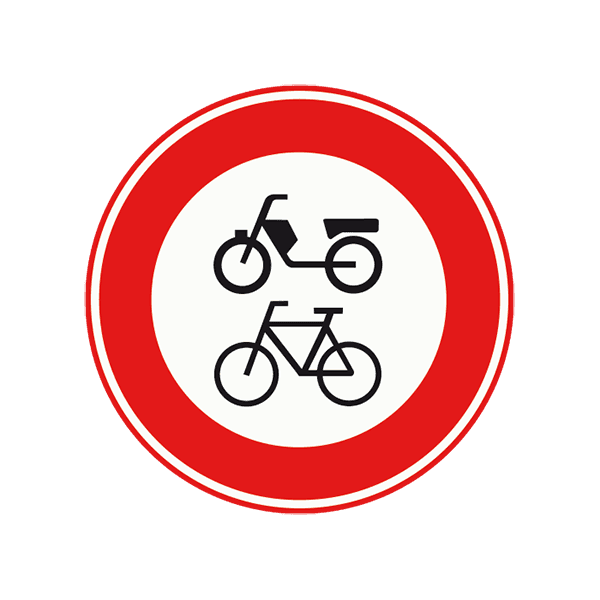
This C15 sign means no access for bicycles, mopeds, and disability vehicles.
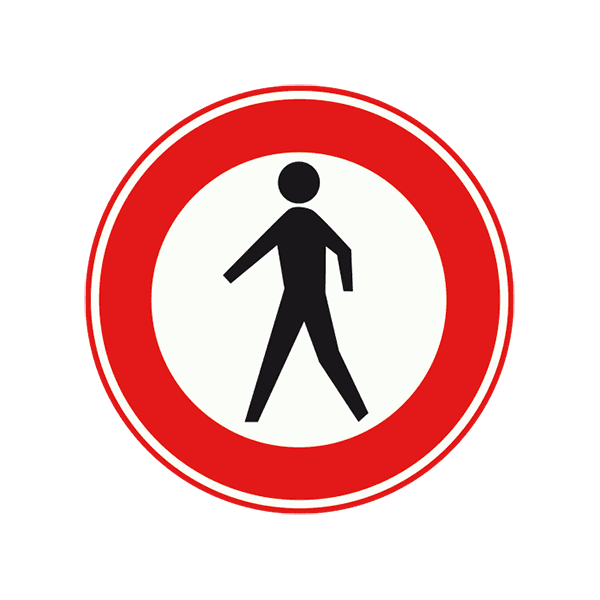
The C16 'Closed to Pedestrians' sign means you must not proceed on foot beyond this point.
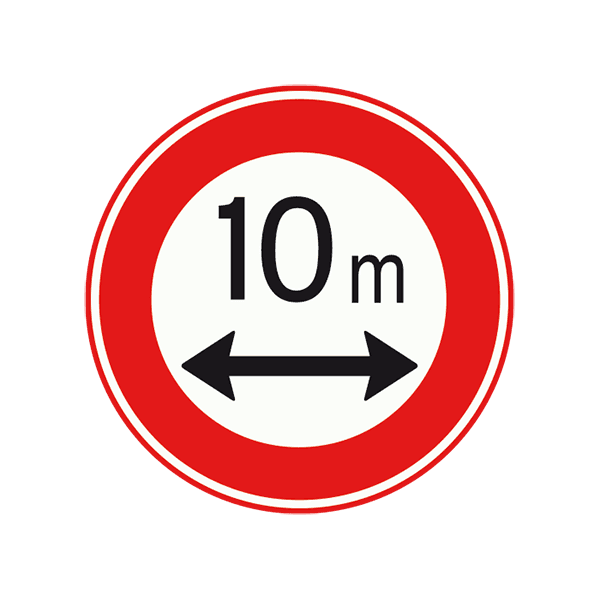
Learn the Meaning of the C17 'Closed to Vehicles Longer Than...' Road Sign
After reviewing the full list of Dutch road signs, deepen your understanding by exploring signs organized by category or practicing with targeted questions. This systematic approach ensures you fully grasp every sign's meaning and application, preparing you thoroughly for your CBR driving theory exam.
View All Dutch Road Signs