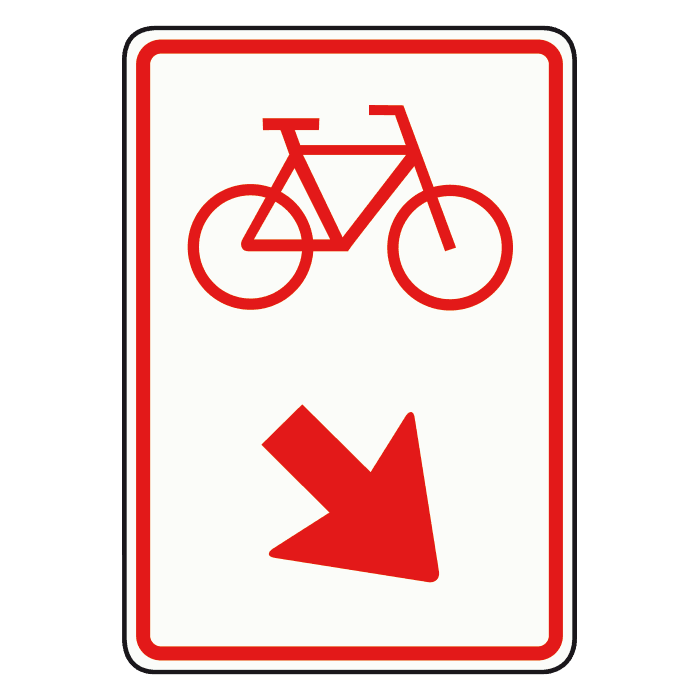
The D101 sign is an informational traffic sign used in the Netherlands, specifically directing cyclists and snorfietsers (low-speed mopeds) to pass on the right-hand side. This sign ensures that these road users are guided safely, often separating them from faster traffic or guiding them towards designated cycle paths. When you see this sign, remember it applies exclusively to cyclists and snorfietsers, indicating their required lane or side of the road.
This D101 road sign meaning is vital for cyclists and snorfietsers to ensure safe passage around obstacles and avoid conflicts in the Netherlands. Mastering this traffic sign explanation is crucial for your Dutch theory test revision and understanding mandatory routing on cycle paths.
D101 is a blue mandatory direction sign used specifically for cyclists and snorfiets riders. The white arrow shows that these users must pass the sign on the right, ensuring predictable movement around obstacles, build-outs, or kerbed islands. You will often see it where a cycle path branches away from the main roadway or where cyclists are guided between parked cars and the carriageway so that conflicts and side-swipes are reduced.
This sign instructs cyclists and snorfiets riders that they must pass to the right-hand side of the sign. It guides them safely around an obstacle, traffic island, or separation between carriageway and cycle facility. When you see this sign as a cyclist or snorfiets rider, move to the right of the panel in good time and stay within the marked path.
Get clear, practical answers to the most common questions about the D101 - Cyclists Pass on the Right road sign. Learn how the sign works, what rules it represents, and how it affects real driving situations. This FAQ strengthens your understanding and supports accurate decision making for the Dutch driving theory exam in the Netherlands.
The D101 sign's main purpose is to instruct cyclists and snorfietsers to always pass on the right side of the sign. This helps to organize traffic flow and ensure safety, particularly where road layouts might otherwise be confusing.
No, the D101 sign specifically targets cyclists and snorfietsers. As a car driver, you do not need to change your behaviour based on this sign, other than being aware that cyclists and snorfietsers have a designated path to the right.
Cyclists and snorfietsers are prohibited from passing on the left side of the D101 sign. They must also not ride against the direction indicated if that were implied by a more complex sign or road marking associated with it; the primary rule is to pass on the right.
The D101 sign explicitly allows and requires cyclists and snorfietsers to pass on the right side. They should follow the designated path or lane indicated by the sign and associated road markings, ensuring they stay to the right.
A common exam trap related to the D101 sign is mistakenly thinking it applies to all vehicles, or assuming it's a general 'keep right' instruction for everyone. Remember, it's specific to cyclists and snorfietsers and dictates their passing direction relative to the sign.
A clear reference image of the D101 - Cyclists Pass on the Right road sign used in the Netherlands.
The D101 - Cyclists Pass on the Right road sign may also be known by these alternative names or terms.
The D101 - Cyclists Pass on the Right road sign is part of the Mandatory Direction Signs (D) category, which groups together signs with similar rules and functions.
Master Dutch road signs by studying related symbols together. Comparing similar traffic signs like D101 with others helps reinforce sign recognition and improves your chances of passing your theory test.
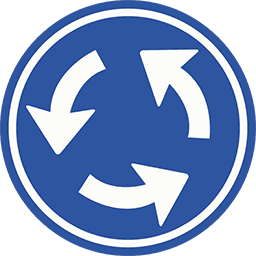
Understand the D1 Sign: Mandatory Counterclockwise Roundabout Traffic Flow
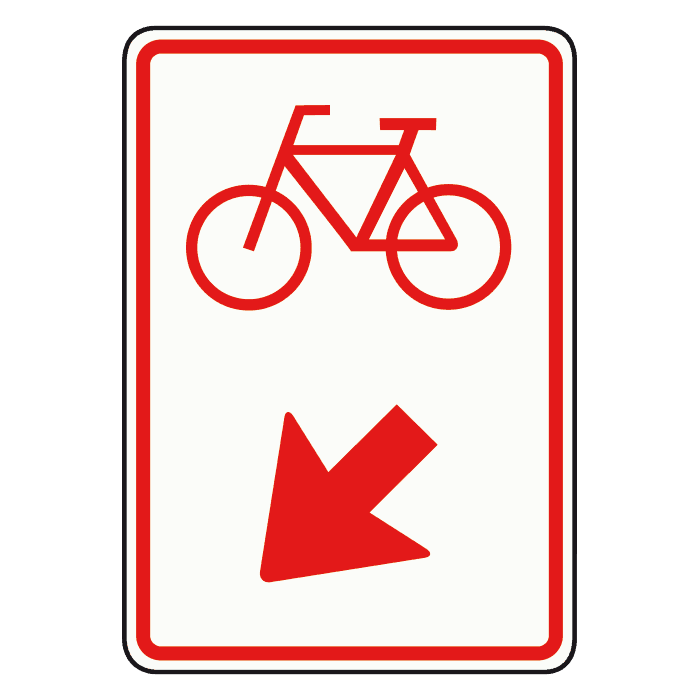
D102: Cyclists and Snorfietsers Must Pass on the Left
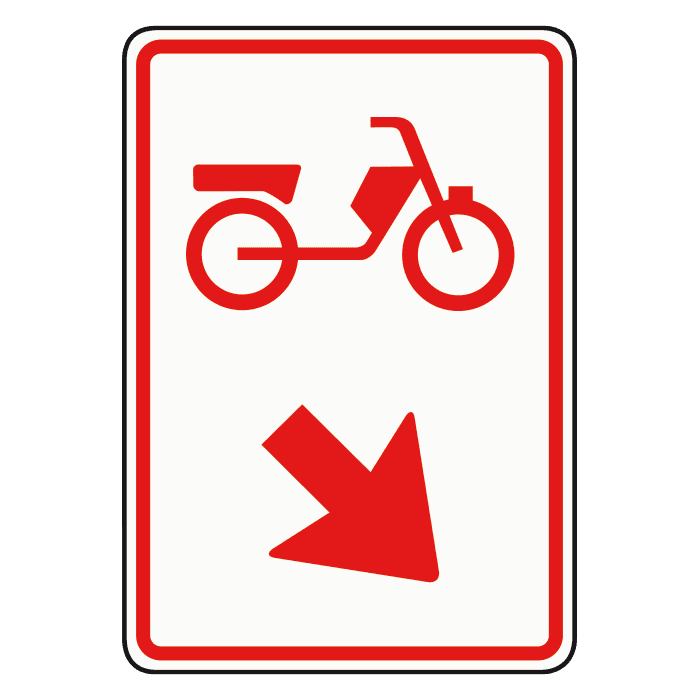
Mopeds Must Pass on the Right: Understanding the D103 Sign
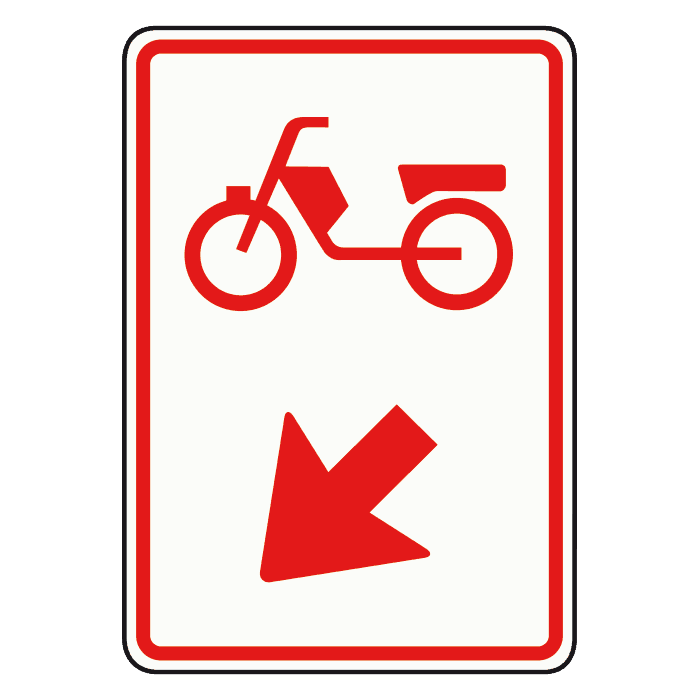
D104: Directing Mopeds and Speed-Pedelecs to Pass on the Left
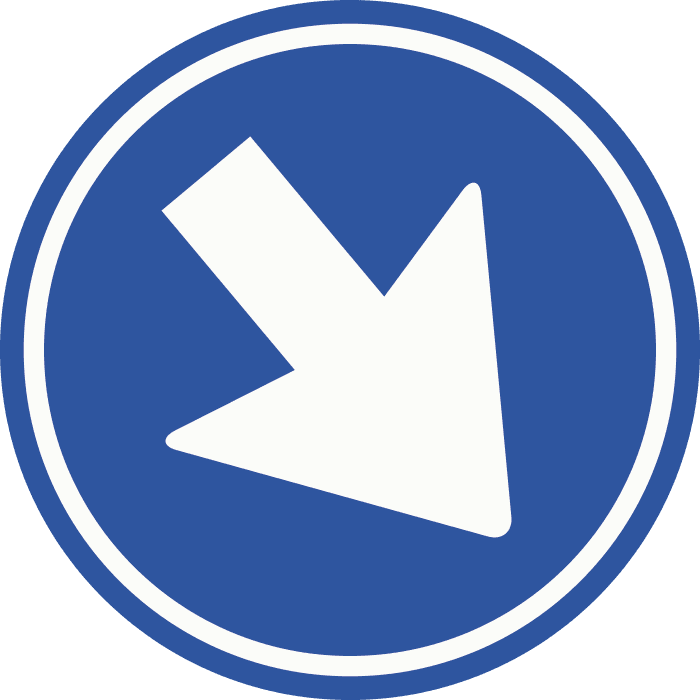
Know the D2 'Pass on the Right' traffic sign for safe Dutch driving.
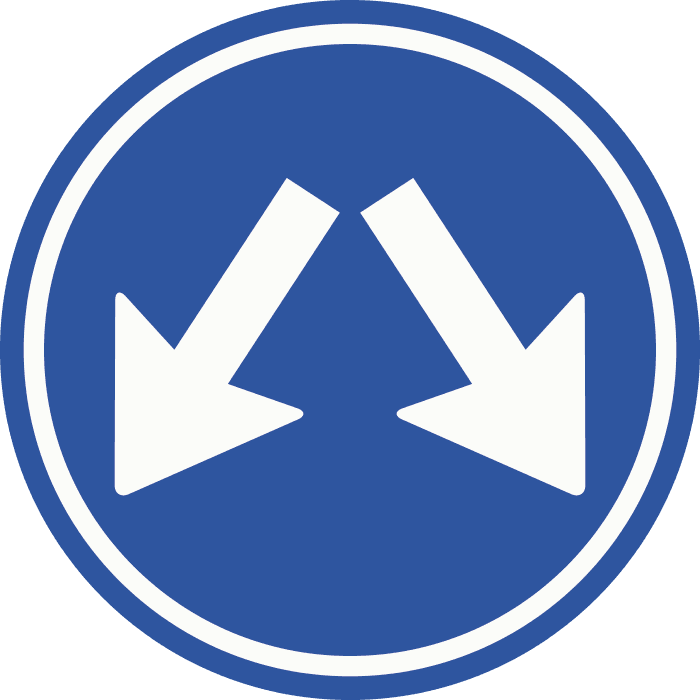
D3: Obstacles Ahead? You Can Pass on Either Side!
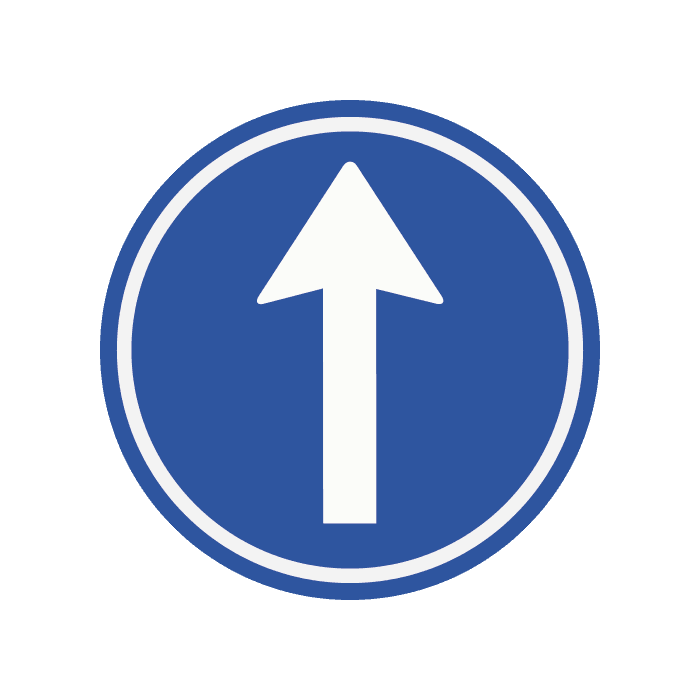
You must go straight ahead: the D4 mandatory direction sign explained.
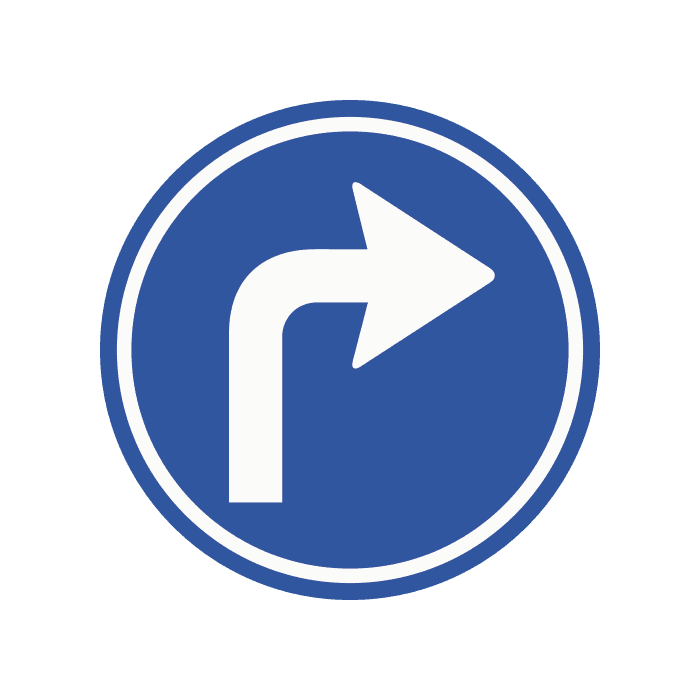
Mandatory Direction Right: You MUST turn right here!
After reviewing the full list of Dutch road signs, deepen your understanding by exploring signs organized by category or practicing with targeted questions. This systematic approach ensures you fully grasp every sign's meaning and application, preparing you thoroughly for your CBR driving theory exam.
View All Dutch Road Signs