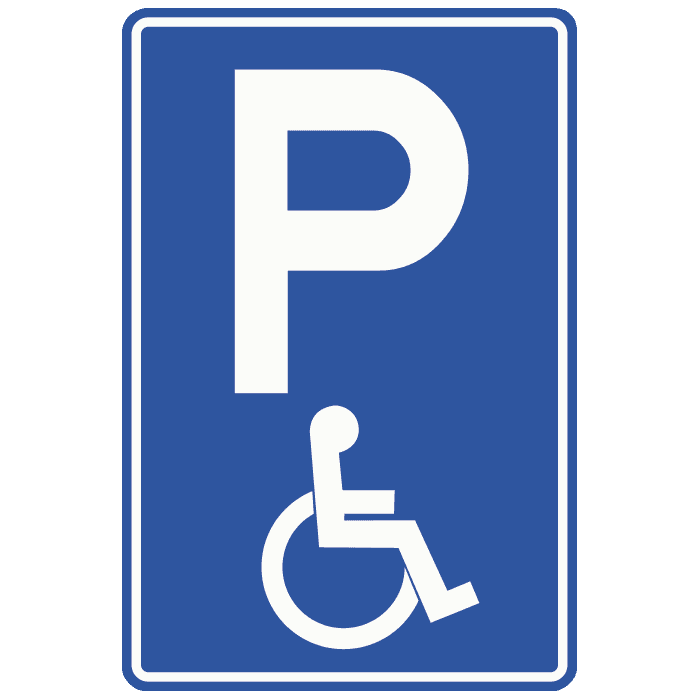
The E6 sign indicates a parking space specifically reserved for vehicles displaying a valid disability parking permit. This ensures accessible parking for individuals with disabilities. You may only park here if you or a passenger have a valid European disability parking card, which must be clearly displayed. This sign is part of general traffic information signs to designate specific parking areas.
Accurate road sign meaning for the E6 sign is vital to ensure accessibility for drivers with disabilities and to avoid improper use of reserved parking spaces. This detailed sign interpretation is essential for your Dutch driving theory test revision and understanding legal parking requirements.
The disabled parking sign marks a parking bay where special parking rights apply to holders of an official disability parking card. It does not give priority in traffic, but grants the right to park closer to buildings or facilities when space is limited. The card must be valid, belong to the person being transported and be placed clearly behind the windscreen for inspection.
This sign indicates that the marked parking space is reserved exclusively for vehicles carrying a person with a disability who has a valid disability parking card. As a driver you must only use this space when the official European parking card is clearly visible. The rule helps keep these spaces available close to entrances, care facilities and other essential locations.
Get clear, practical answers to the most common questions about the E6 - Disabled Parking Only road sign. Learn how the sign works, what rules it represents, and how it affects real driving situations. This FAQ strengthens your understanding and supports accurate decision making for the Dutch driving theory exam in the Netherlands.
The E6 sign means that the parking space is exclusively for vehicles carrying a valid disability parking permit. This is to ensure accessible parking for those who need it near facilities or entrances.
Only drivers or passengers who possess a valid European disability parking card are allowed to park in a space marked with the E6 sign. The permit must be clearly visible on the dashboard.
Parking in a disabled bay without a valid permit is prohibited and may result in a fine or the vehicle being towed. It prevents authorized individuals from accessing essential parking.
Yes, the disability parking permit must be clearly displayed on the dashboard of the vehicle so that it is easily visible to parking enforcement officers. Without a visible permit, parking here is not allowed.
A clear reference image of the E6 - Disabled Parking Only road sign used in the Netherlands.
The E6 - Disabled Parking Only road sign may also be known by these alternative names or terms.
The E6 - Disabled Parking Only road sign is part of the Parking and Stopping Signs (E) category, which groups together signs with similar rules and functions.
Master Dutch traffic rules by comparing related signs like the Disabled Parking (E6) sign with others. Practising traffic sign comparison and studying similar road signs improves your recognition and reduces exam errors during your theory test revision.

Understand the E1 'No Parking' Sign: What Drivers Need to Know
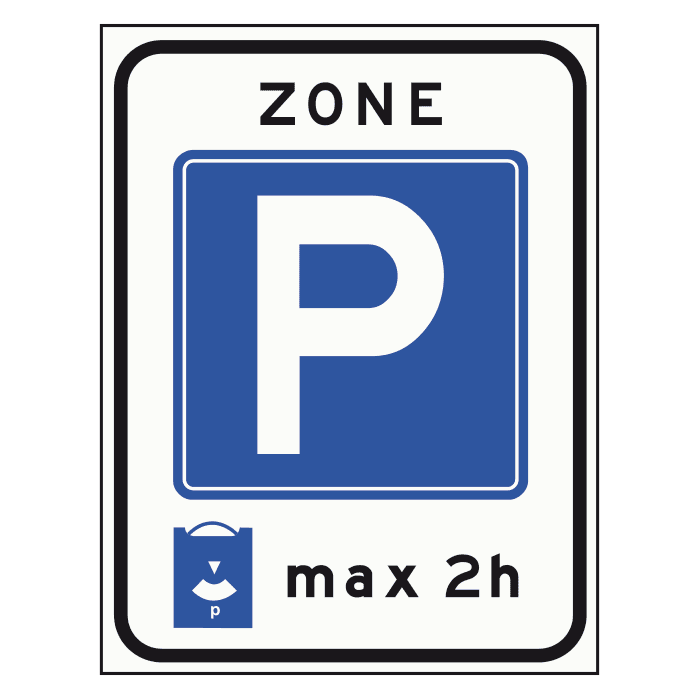
Understand the E10 Parking Disc Zone sign for limited parking.
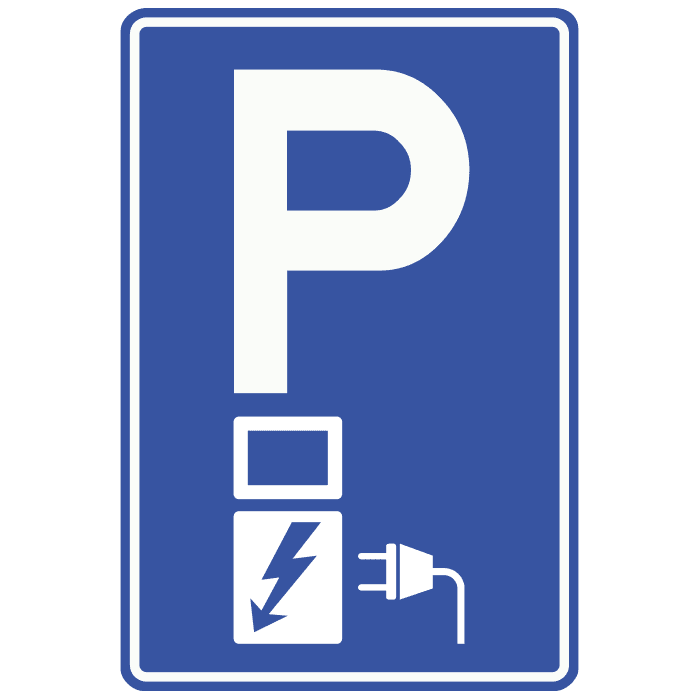
This sign means parking is only allowed for electric vehicles while actively charging.
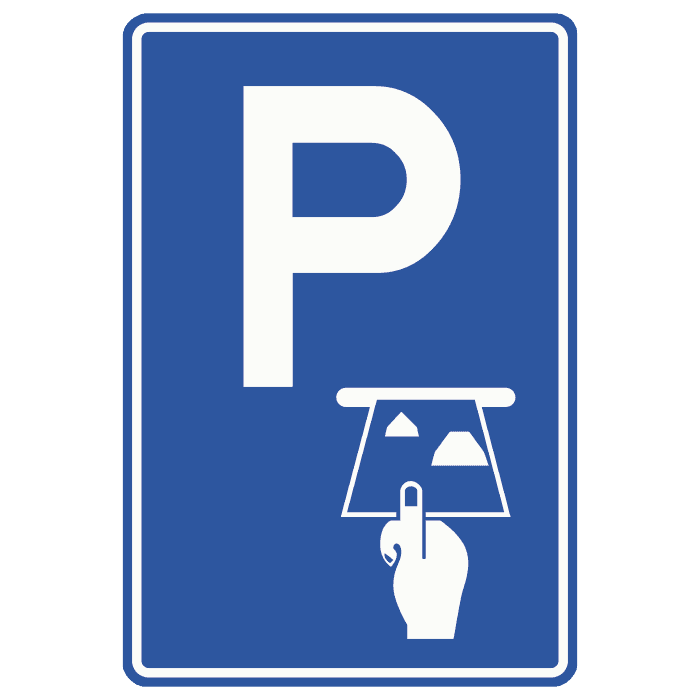
E102: This is a paid parking zone where you must pay with a card or meter.
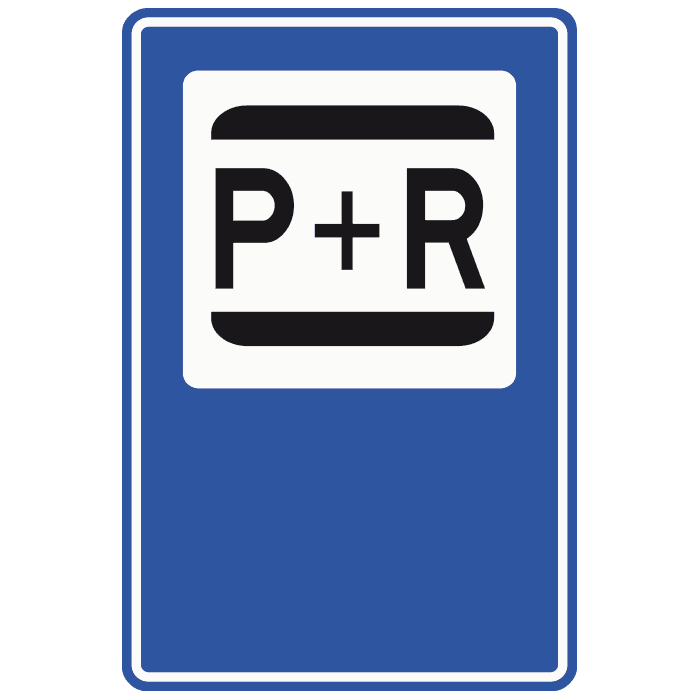
The E12 Park and Ride sign guides commuters to public transport hubs.
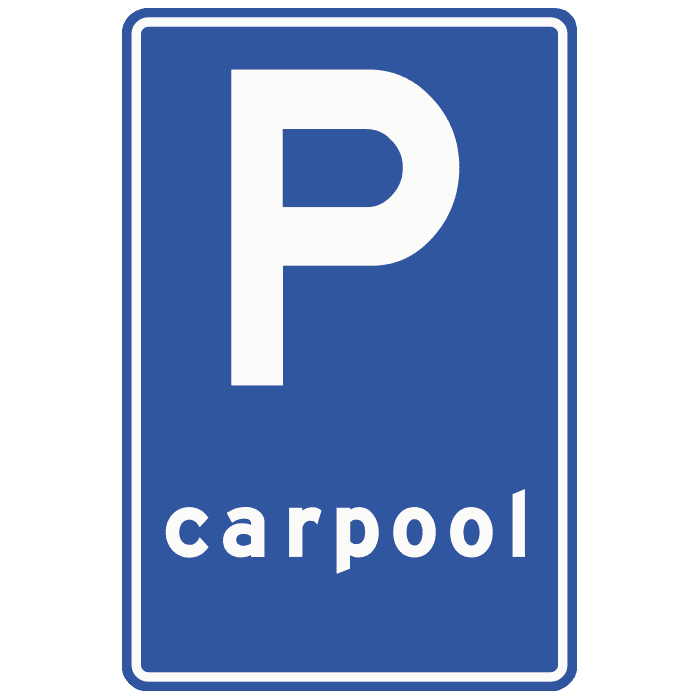
Carpool Parking: Designated spots for shared journeys.

The E2 Sign: Understanding the 'No Stopping' Rule on Dutch Roads
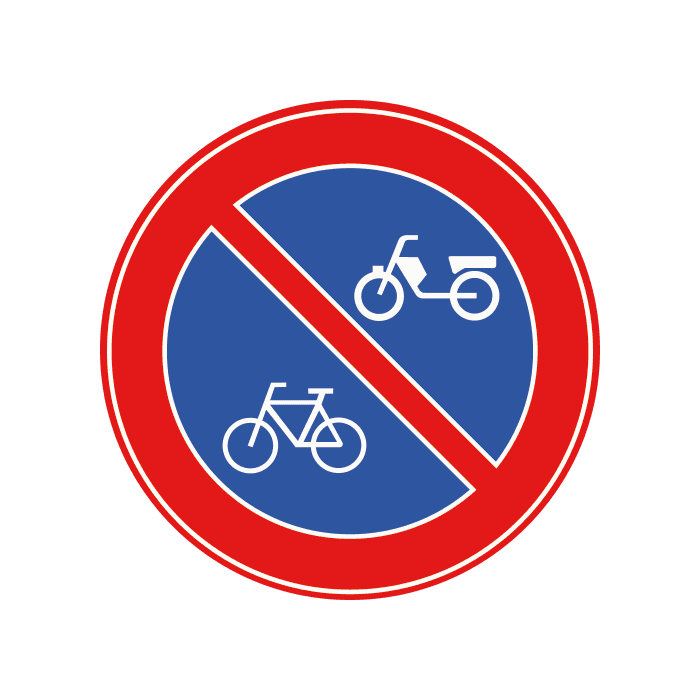
You Cannot Park Bicycles or Mopeds Here: Understand the E3 Sign.
After reviewing the full list of Dutch road signs, deepen your understanding by exploring signs organized by category or practicing with targeted questions. This systematic approach ensures you fully grasp every sign's meaning and application, preparing you thoroughly for your CBR driving theory exam.
View All Dutch Road Signs