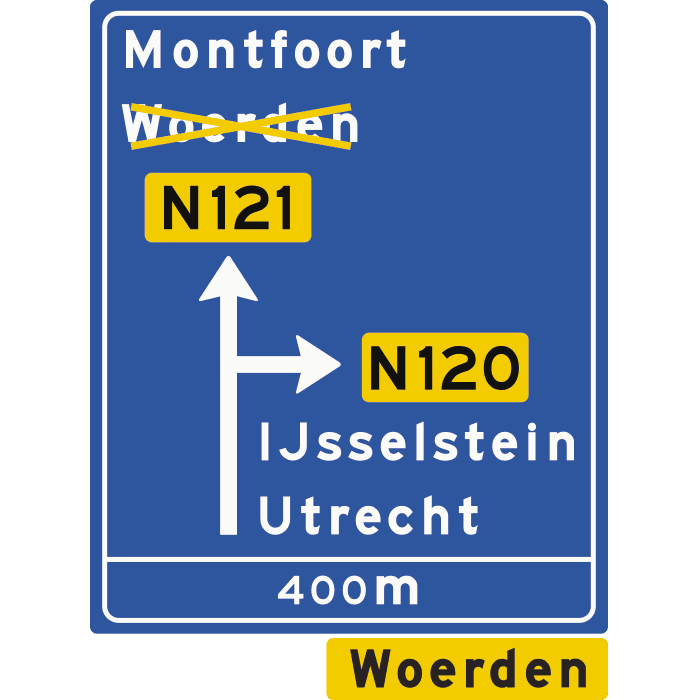
The K9 Diversion with Alternative Route sign is an important information sign you'll see when road works, incidents, or other closures mean your normal route is blocked. It clearly indicates a planned detour and guides you along the official alternative route using arrows and route letters or symbols. Following these signs ensures you stay on a route designed to manage traffic flow effectively, especially during disruptions. Always follow the indicated diversion until you see the 'end of diversion' signs.
Road sign K9 warns you of an upcoming non-motorway diversion, guiding you through temporary route changes due to incidents or roadworks. Understanding this traffic sign explanation is vital for safe navigation and successful theory test revision, ensuring you follow official detours correctly and avoid confusion.
An advance diversion sign on a non-motorway is placed before the point where traffic has to leave the normal route because of roadworks, incidents, or closures. It introduces the official detour, often with a specific diversion symbol that is repeated along the alternative route. Drivers are expected to read the sign early, change lanes or direction calmly, and follow the marked diversion until the end of the disruption.
This sign announces in advance that your usual route on a non-motorway road is disrupted and that a signed diversion is provided. It shows the detour direction using arrows, symbols, or route letters so that you can leave the main line in time. By following the indicated diversion consistently, you avoid blocked sections and unnecessary searching.
Get clear, practical answers to the most common questions about the K9 - Diversion with Alternative Route (Non-Motorway) road sign. Learn how the sign works, what rules it represents, and how it affects real driving situations. This FAQ strengthens your understanding and supports accurate decision making for the Dutch driving theory exam in the Netherlands.
The K9 sign's purpose is to guide drivers onto a pre-planned alternative route when their normal road ahead is closed. It ensures a consistent and managed detour, preventing drivers from taking unpredictable shortcuts and helping to maintain traffic flow.
When you see the K9 sign, you must follow the arrows and route symbols it indicates. These signs will lead you along the designated diversion route. Do not attempt to find your own shortcut; stick to the official alternative until you encounter signs indicating the end of the diversion.
While GPS can be useful, the K9 diversion signs indicate the officially planned and managed route. In situations with road works, the GPS might not be updated with the latest closure details or may suggest routes that aren't suitable for the diverted traffic. It's best practice to follow the signed diversion route provided by the K9 signs.
Ignoring the K9 diversion and using local streets to shortcut is a common prohibited action. It can lead to congestion in residential areas, create safety hazards for local residents, and may even result in fines. Always follow the official detour indicated by the K9 signs for efficient and safe traffic management.
Temporary diversion symbols might replace standard route numbers when the diversion is in place. This means you should follow these specific temporary markers consistently. They are part of the official diversion plan and will lead you back to your original route or towards your destination once the diversion ends.
You can resume your normal route only after you see specific signs indicating the 'end of diversion'. The K9 signs and their associated route symbols are in effect for the entire duration of the detour, so continue following them until you are formally released from the diversion.
A clear reference image of the K9 - Diversion with Alternative Route (Non-Motorway) road sign used in the Netherlands.
The K9 - Diversion with Alternative Route (Non-Motorway) road sign may also be known by these alternative names or terms.
The K9 - Diversion with Alternative Route (Non-Motorway) road sign is part of the Direction & Route Guidance (K) category, which groups together signs with similar rules and functions.
Comparing signs like the K9 'Diversion Advance Non-Motorway' with similar directional guidance signs sharpens your sign recognition skills. This focused study aids retention and reduces errors, crucial for effective theory test revision and real-world driving safety.
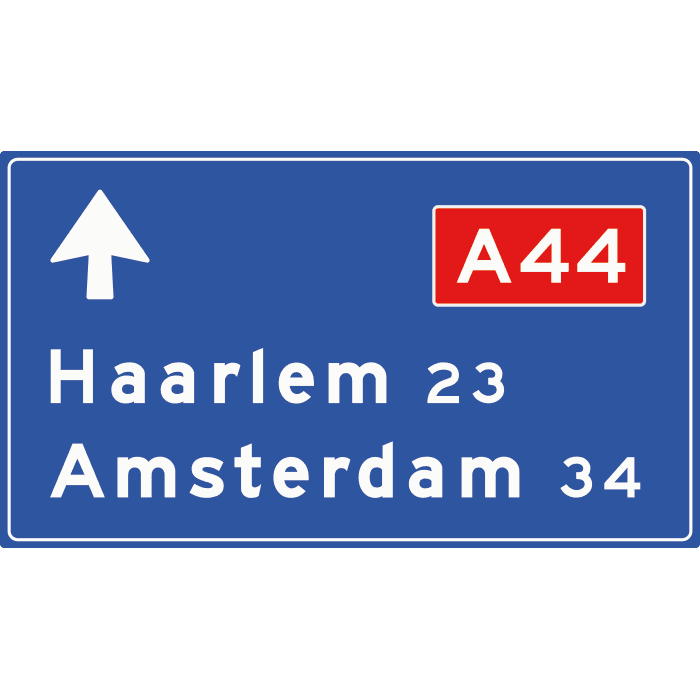
The K1 Sign: Your Close-Range Motorway Navigation Aid
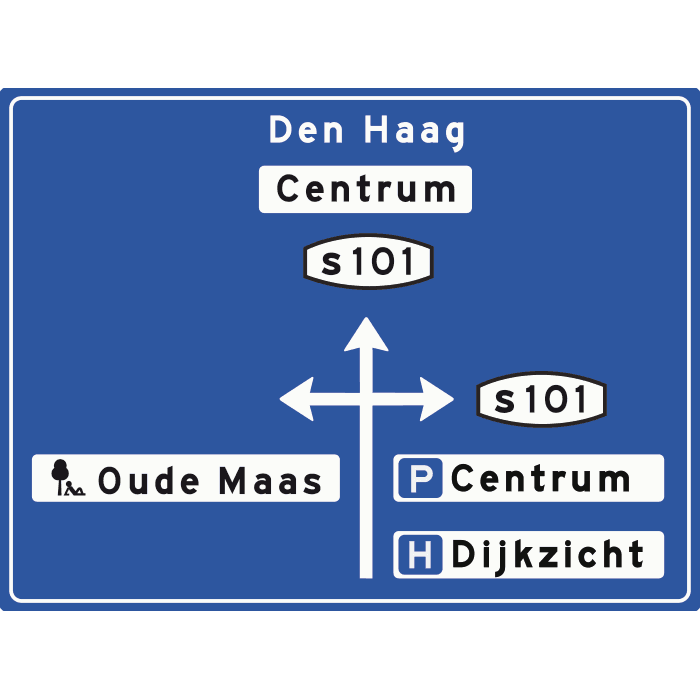
Prepare for complex city junctions with the K10 Advance Warning Panel sign.
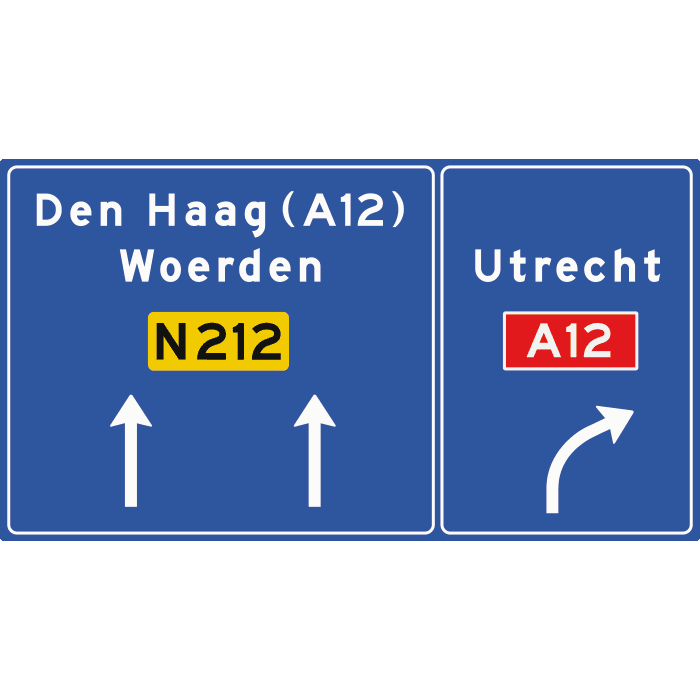
Use the K11 Lane Instructions sign to pick the right lane before a junction.
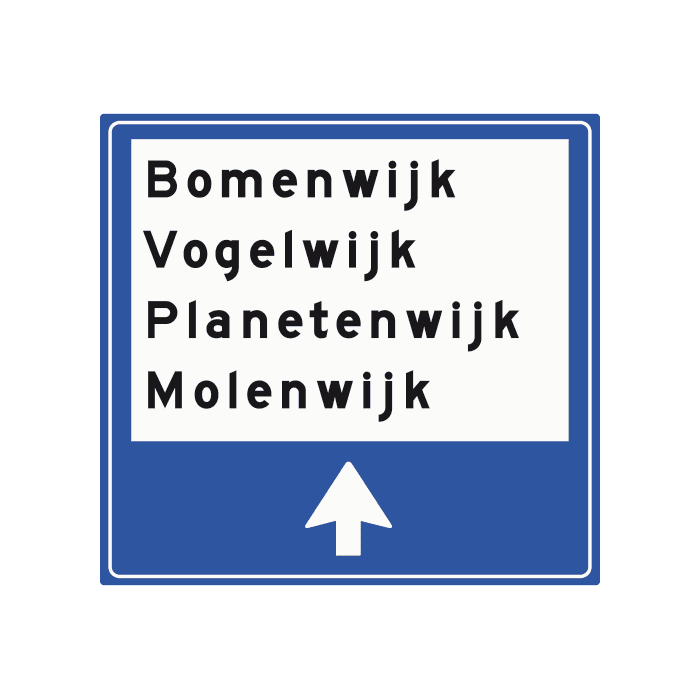
Understand the K12 Local Signpost for District Names in Urban Areas
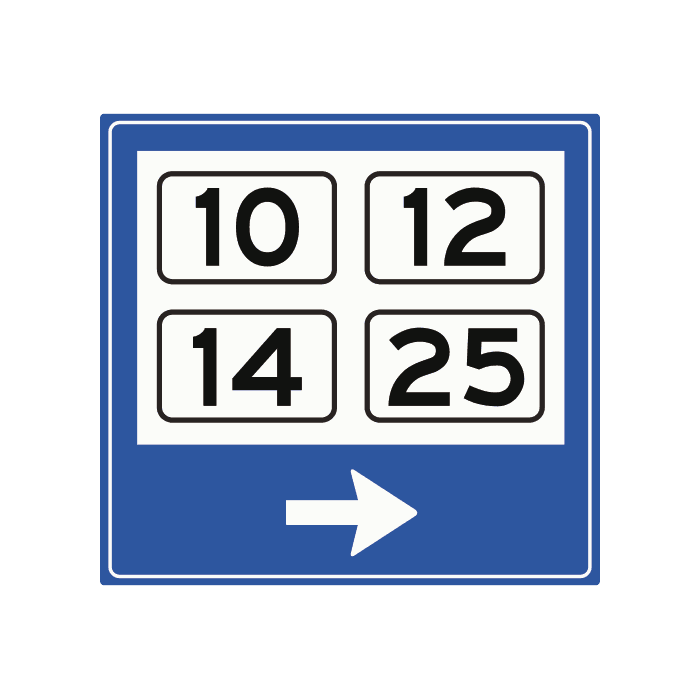
Understand the K13 Local Signpost for District Numbers in the Netherlands
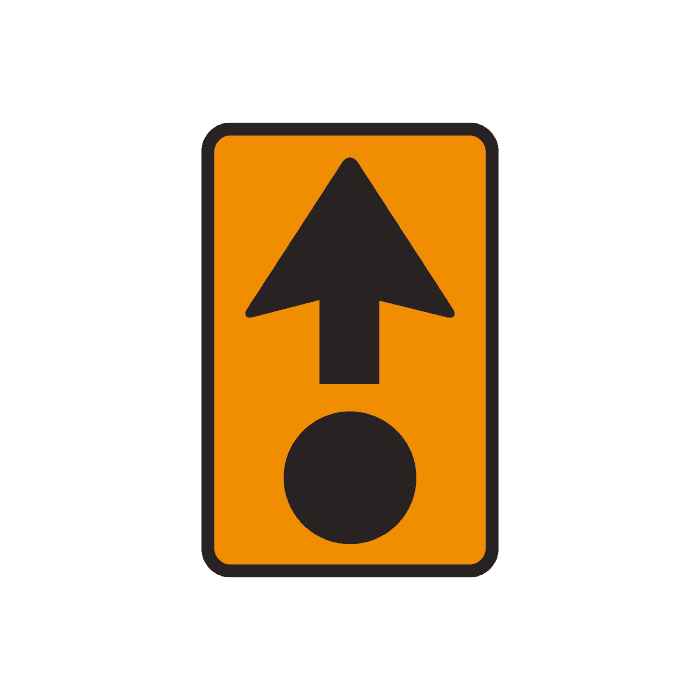
Follow the K14 sign for designated routes for vehicles carrying hazardous materials.

Follow the K15 Sign for Hazardous Materials Routes on Information Panels
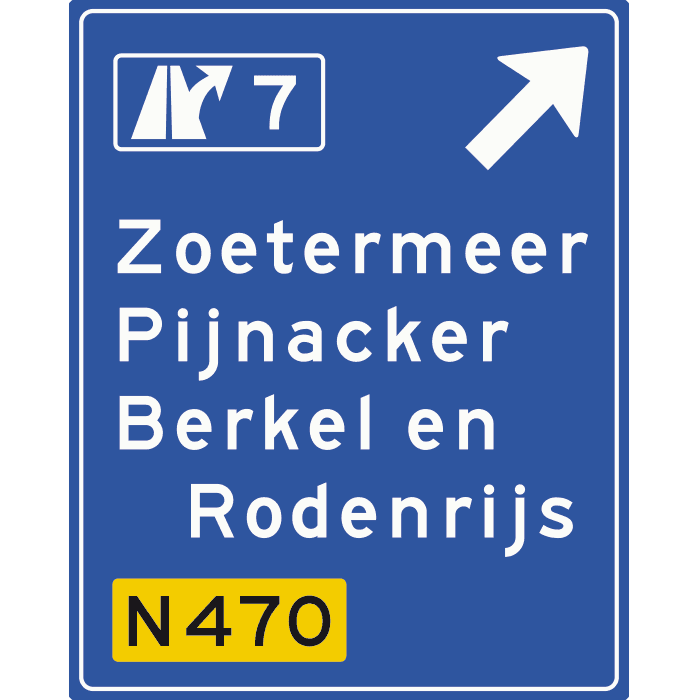
Prepare for your upcoming motorway exit with the K2 advance warning sign.
After reviewing the full list of Dutch road signs, deepen your understanding by exploring signs organized by category or practicing with targeted questions. This systematic approach ensures you fully grasp every sign's meaning and application, preparing you thoroughly for your CBR driving theory exam.
View All Dutch Road Signs