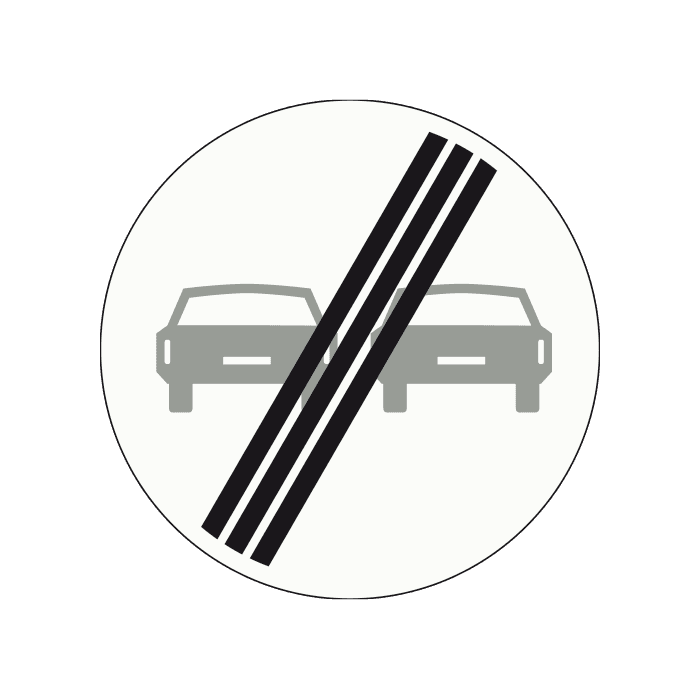
You've reached the F2 sign, which marks the end of a no-overtaking zone for motor vehicles in the Netherlands. This means you can resume overtaking if it's safe and permitted by general traffic rules, such as not crossing a solid white line. Always check your surroundings and ensure your manoeuvre is safe before proceeding, as other restrictions might still apply if indicated by separate signs.
Accurately understanding this F2 road sign meaning is crucial for safe driving, as it indicates where motor vehicle overtaking restrictions end, allowing you to resume passing other vehicles legally. Mastering this traffic sign explanation ensures you comply with Dutch traffic rules and prepares you thoroughly for your driving theory test revision.
The end of no overtaking for motor vehicles sign shows where a previous overtaking ban ceases to apply. Beyond the sign, drivers may overtake according to the general rules in Dutch traffic law, including respecting solid lines, speed limits, and upcoming hazards. It is often placed after bends, hills, or narrow sections where overtaking becomes safe again under good conditions.
This sign indicates the end of a section where motor vehicles were prohibited from overtaking. From this point, normal overtaking rules apply again, provided that the maneuver is safe, legal, and not restricted by markings. Drivers must still judge speed, distance, and visibility carefully before deciding to pass another vehicle.
Get clear, practical answers to the most common questions about the F2 - End of No Overtaking — Motor Vehicles road sign. Learn how the sign works, what rules it represents, and how it affects real driving situations. This FAQ strengthens your understanding and supports accurate decision making for the Dutch driving theory exam in the Netherlands.
The F2 sign indicates that a prohibition on motor vehicles overtaking has finished. From this point, normal overtaking rules and regulations apply again, provided it is safe and legal to do so.
You can resume overtaking as soon as you have passed the F2 sign, but only if conditions permit. This means ensuring there's no oncoming traffic, sufficient visibility, and no other signs or road markings prohibit overtaking.
Yes, absolutely. While the F2 sign lifts the specific overtaking ban, general Dutch traffic rules still apply. You must not overtake if it's unsafe, if road markings (like a solid white line) prohibit it, or if other signs (e.g., a general prohibition sign or a speed limit sign indicating limited visibility) indicate otherwise.
A common trap is assuming you can immediately overtake at maximum speed or aggressively after seeing the F2 sign. Remember, the sign only lifts the ban; safety and general rules always take precedence. Learners sometimes forget to check for other potential restrictions or assess safety thoroughly.
The F2 sign specifically ends the prohibition for motor vehicles to overtake. Generally, this means you can overtake other vehicles, provided it's safe and legal. However, you must still adhere to rules regarding overtaking stationary vehicles or emergency services if applicable, and always check for specific local restrictions.
A clear reference image of the F2 - End of No Overtaking — Motor Vehicles road sign used in the Netherlands.
The F2 - End of No Overtaking — Motor Vehicles road sign may also be known by these alternative names or terms.
The F2 - End of No Overtaking — Motor Vehicles road sign is part of the Overtaking & Lane Directives (F) category, which groups together signs with similar rules and functions.
Comparing signs like the 'End of No Overtaking' (F2) with similar directives sharpens your ability to recall specific meanings. Effective traffic sign comparison aids your Dutch theory test revision by highlighting distinctions crucial for safe driving.
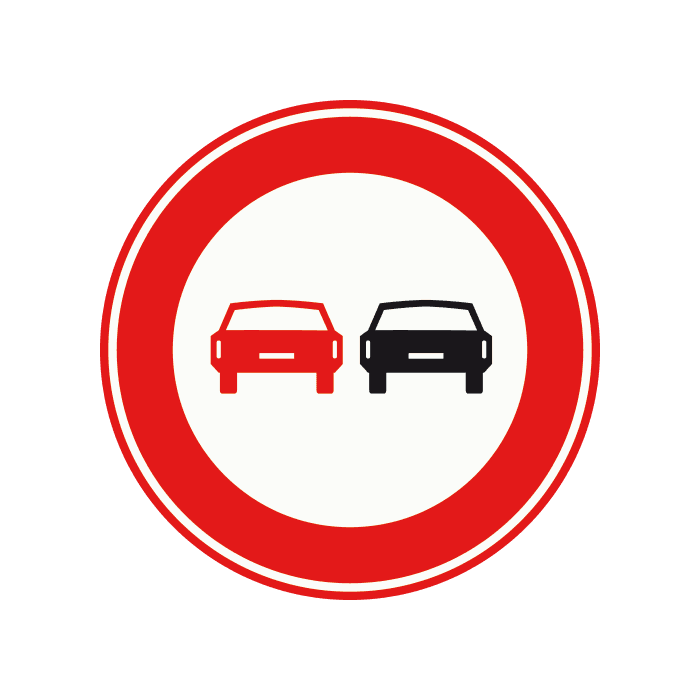
Understand the F1 'No Overtaking - Motor Vehicles' Traffic Sign
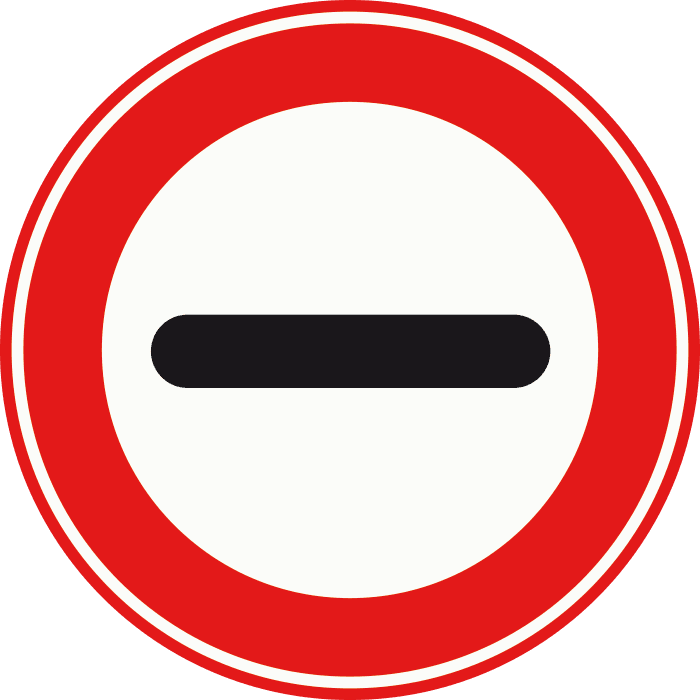
Stop on Command: Understanding the F10 Authority Stop Road Sign
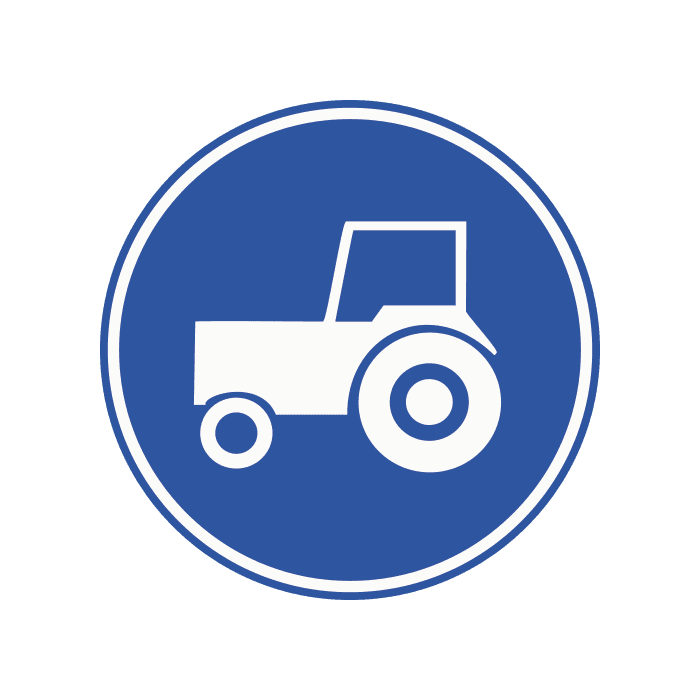
Understand the F11 'Passing Lane - Slow Vehicles Must Use' Traffic Sign
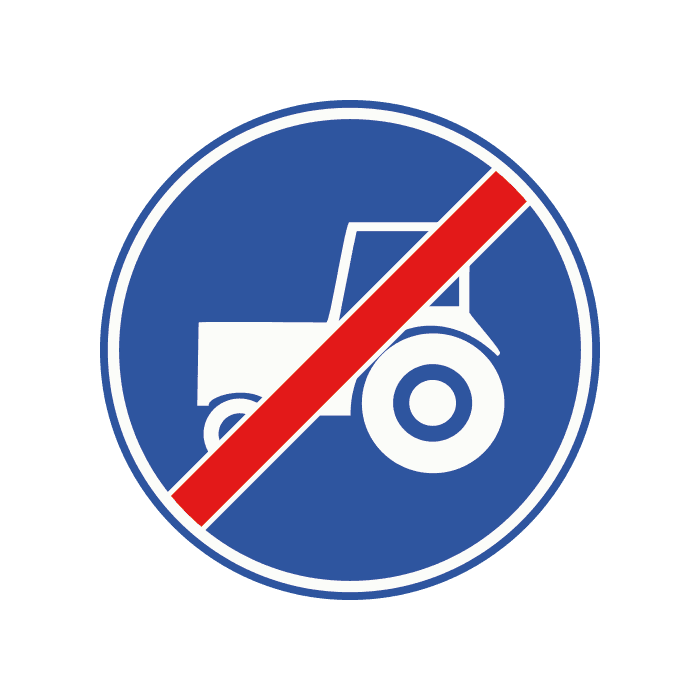
The slow-vehicle passing lane is ending – prepare to merge!
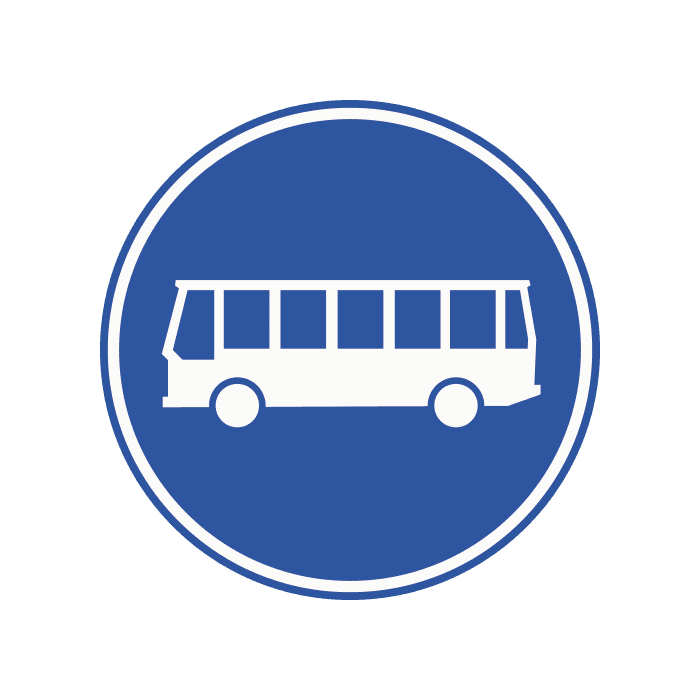
The F13 sign indicates a lane exclusively for buses.
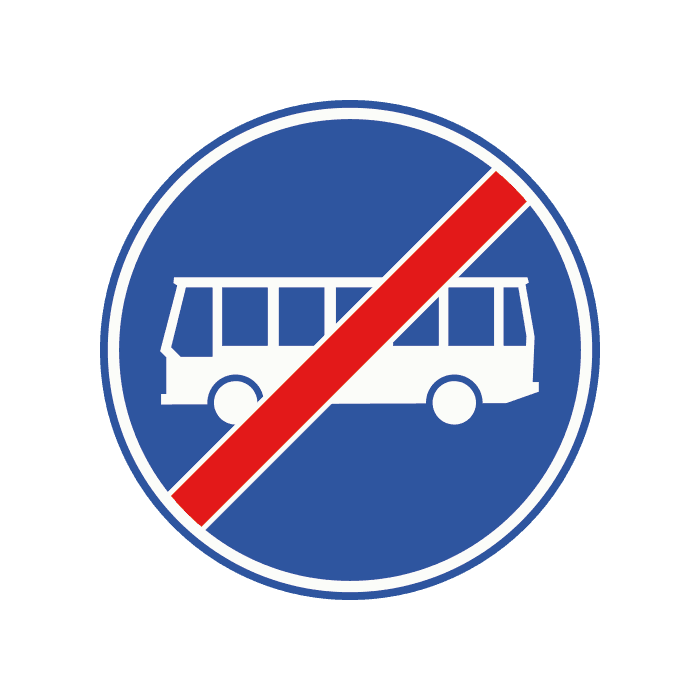
The F14 sign marks the end of an exclusive bus lane, signalling a return to normal traffic sharing.
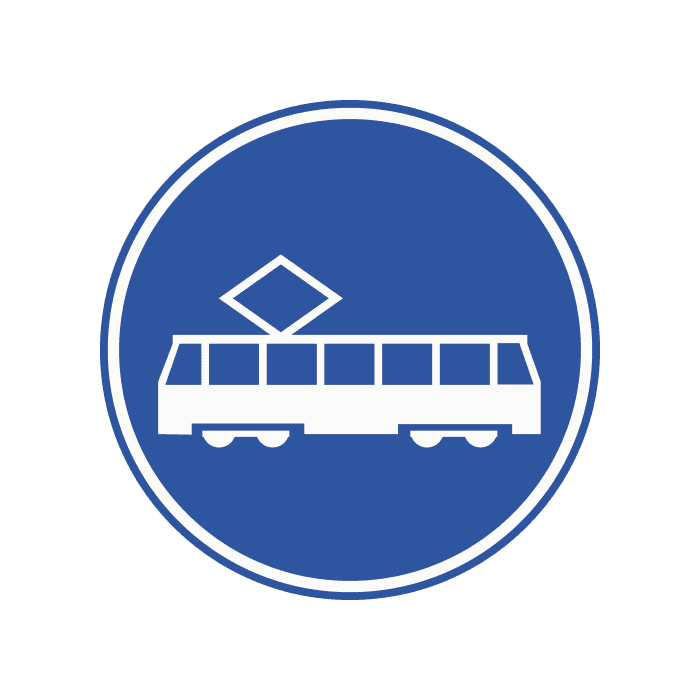
Learn About the F15 Tram Lane Road Sign: Exclusive Use for Trams
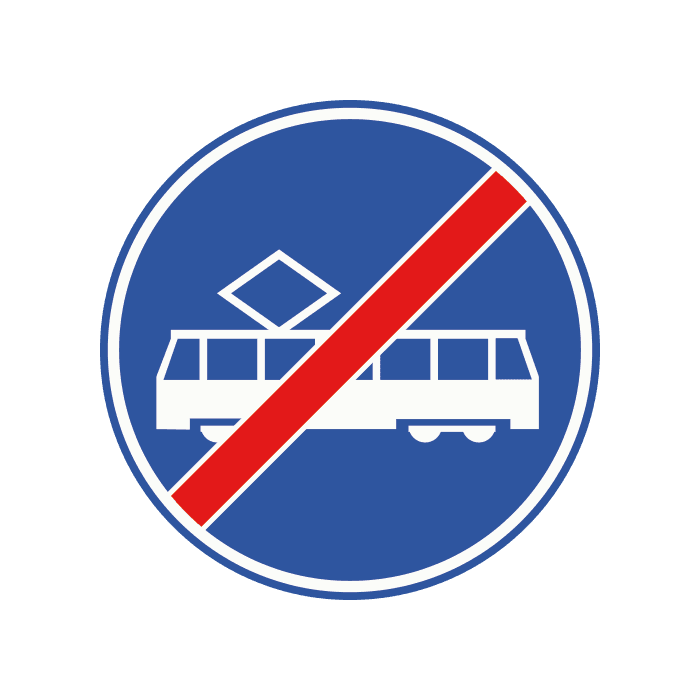
The F16 sign marks the end of a tram-only lane, allowing mixed traffic to resume.
After reviewing the full list of Dutch road signs, deepen your understanding by exploring signs organized by category or practicing with targeted questions. This systematic approach ensures you fully grasp every sign's meaning and application, preparing you thoroughly for your CBR driving theory exam.
View All Dutch Road Signs