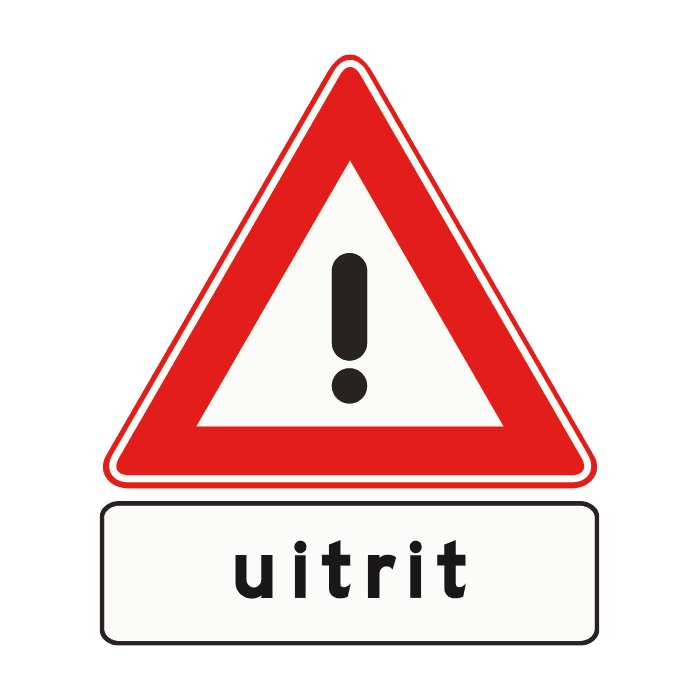
The J37 sign is a crucial Dutch traffic sign used to warn drivers of a potential danger that isn't covered by a more specific warning sign. It's always accompanied by a supplementary plate that details the exact nature of the risk ahead. This sign group, while not explicitly defined here, functions as a general alert. Upon seeing this sign, your primary action is to immediately read the supplementary plate to understand the specific hazard, then adjust your speed and positioning accordingly, and be prepared to react by stopping if necessary.
Master the J37 General Danger sign by understanding its supplementary plate, crucial for your theory test revision. This sign requires careful interpretation of the specific hazard ahead to ensure safe driving and compliance with Dutch traffic rules.
This sign is a generic warning triangle used together with an additional plate to highlight a specific danger not covered by any other standard sign. The plate may describe, for example, unusual crossing traffic, unexpected obstacles, or a special local situation. The combination instructs drivers to pay extra attention, reduce speed, and be ready to react appropriately to the hazard mentioned on the supplementary text.
This sign warns of a danger that is not covered by a specific warning sign and is usually explained on an additional plate. You must read the supplementary text carefully, then adapt your speed, observation, and lane position to the described hazard so you can react safely even if the situation is unusual.
Get clear, practical answers to the most common questions about the J37 - General Danger (Supplementary Plate Specifies Hazard) road sign. Learn how the sign works, what rules it represents, and how it affects real driving situations. This FAQ strengthens your understanding and supports accurate decision making for the Dutch driving theory exam in the Netherlands.
The J37 sign indicates a general danger ahead that requires your attention. Crucially, it always appears with a supplementary plate which specifies the exact nature of the hazard. You must always read this plate to know what danger to expect.
When you encounter the J37 General Danger sign, your immediate priority is to read the supplementary plate. This will tell you what the specific danger is (e.g., 'children', 'animals', 'icy road'). Once you understand the hazard, you must adjust your speed and driving position to safely navigate it. Be prepared to stop if necessary.
The main prohibited action when seeing a J37 sign is to ignore the supplementary plate, as it contains vital information about the hazard. Another is to maintain your current speed and not prepare for any potential risks described on the plate. Always assume the danger indicated is significant enough to warrant caution.
A common trap is assuming you know the danger without reading the supplementary plate. Learners might also fail to adjust their speed sufficiently based on the indicated hazard. Remember, the J37 itself is a general warning; the plate provides the specific context you need to react correctly for the exam.
Yes, the J37 sign is often used for unique or temporary hazards that don't have a standard, dedicated warning sign. The supplementary plate allows authorities to quickly communicate specific risks, such as a temporary road closure, unexpected debris, or a specific event happening nearby, ensuring drivers are alerted to unusual situations.
A clear reference image of the J37 - General Danger (Supplementary Plate Specifies Hazard) road sign used in the Netherlands.
The J37 - General Danger (Supplementary Plate Specifies Hazard) road sign may also be known by these alternative names or terms.
The J37 - General Danger (Supplementary Plate Specifies Hazard) road sign is part of the Warning Signs (J) category, which groups together signs with similar rules and functions.
Reviewing related road signs, like this General Danger supplementary plate (J37), alongside others aids in distinguishing subtle differences and improves overall sign recognition. Mastering traffic sign comparison and revision through such focused study strengthens your preparation for the Dutch theory test.
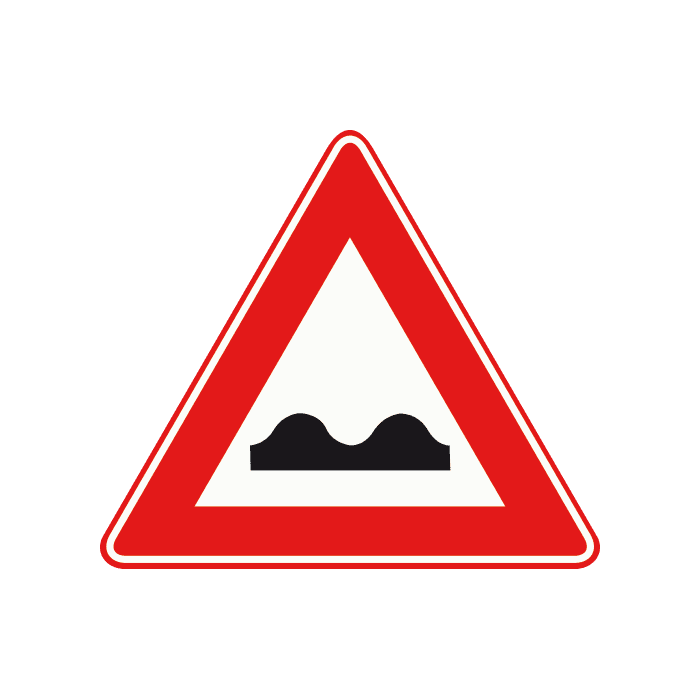
Prepare for Uneven Roads with the J1 Poor Road Surface Warning Sign
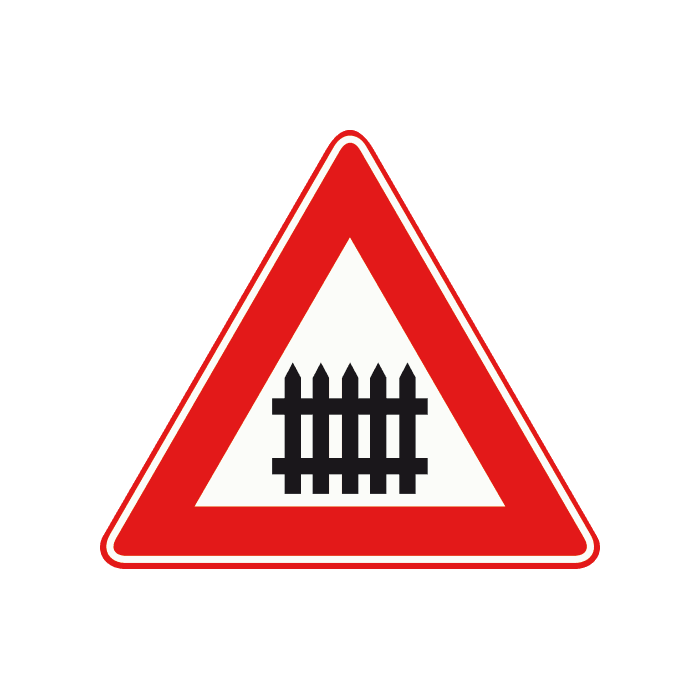
Understand the J10 Warning Sign for Level Crossings with Barriers
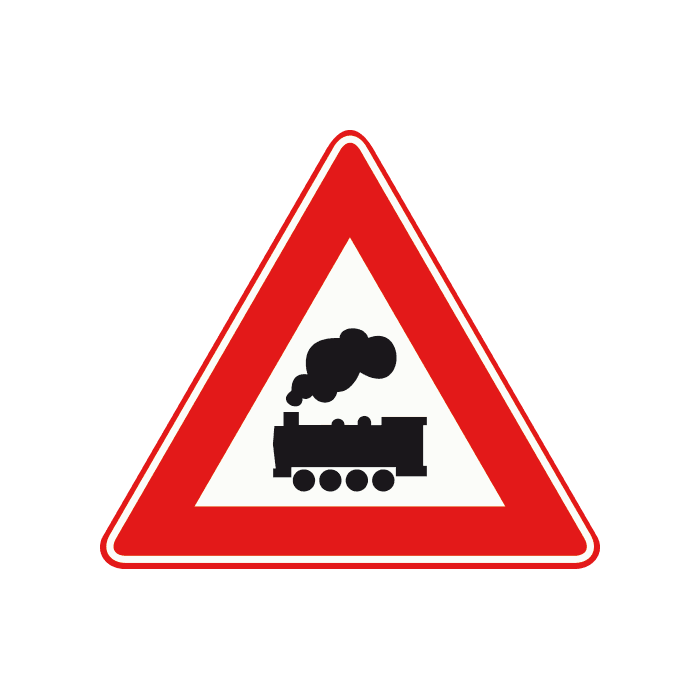
Prepare for ungated rail crossings with the J11 Level Crossing without Barriers sign.
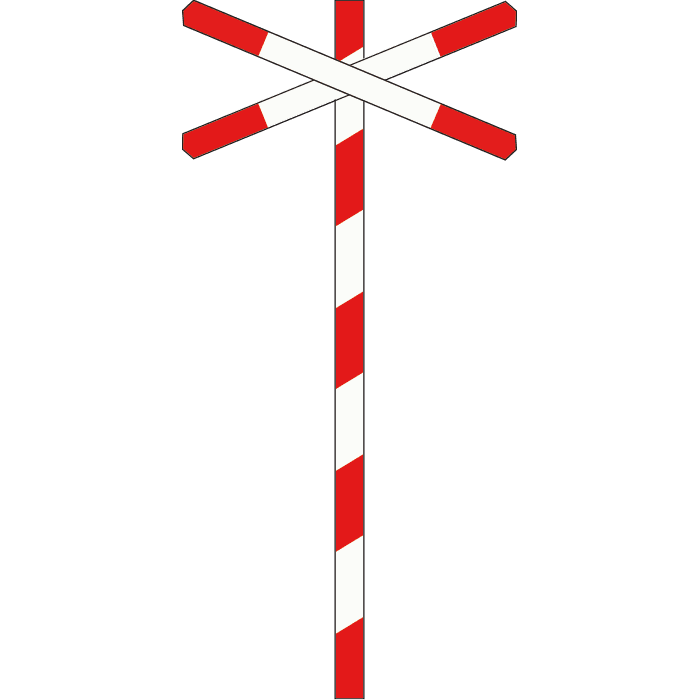
J12 Single St. Andrew’s Cross: Warning of a Single Railway Track Ahead
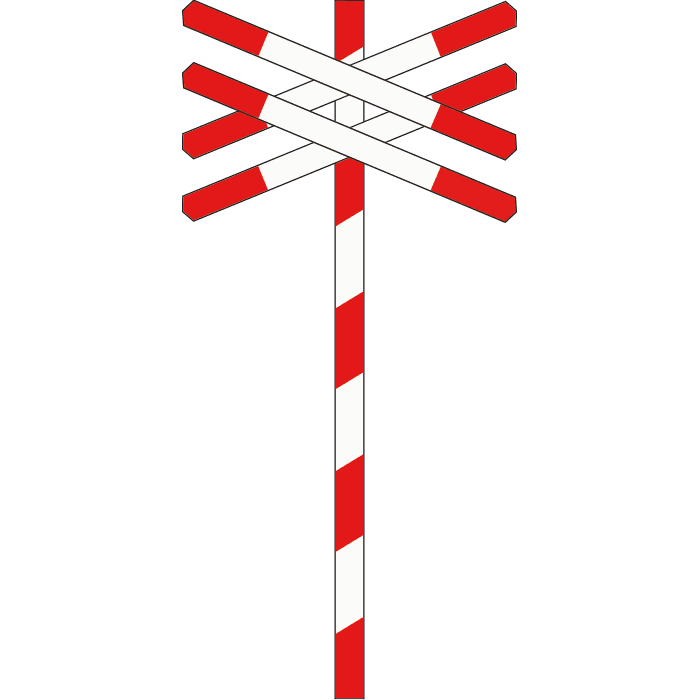
Prepare for the J13 Double St. Andrew’s Cross indicating multiple railway tracks ahead.
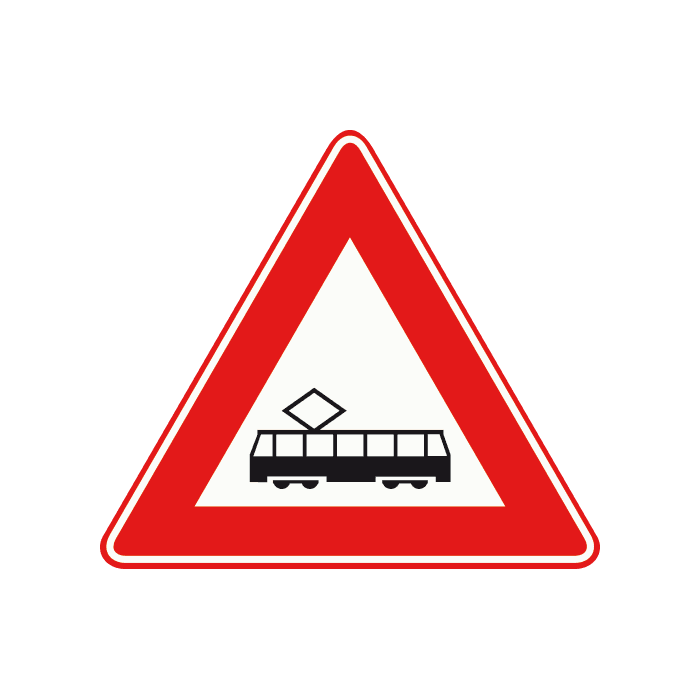
Prepare for the J14 Tram Crossing sign – a warning of potential hazards ahead.
After reviewing the full list of Dutch road signs, deepen your understanding by exploring signs organized by category or practicing with targeted questions. This systematic approach ensures you fully grasp every sign's meaning and application, preparing you thoroughly for your CBR driving theory exam.
View All Dutch Road Signs