The K15 sign is an integrated symbol on general direction panels, specifically indicating routes approved for hazardous materials (hazmat) traffic in the Netherlands. At complex junctions, these symbols help guide hazmat vehicles along designated paths without needing separate signs. Drivers of hazmat vehicles must pay close attention to these symbols and choose the branch marked with them, especially when general navigation might suggest a different path. Always prioritize the hazmat symbols to ensure safe and compliant routing.
This K15 sign integrates hazmat routing directly onto general direction panels, guiding drivers of dangerous goods. Essential for safe navigation and theory test revision, it helps identify approved routes at junctions to maintain a protective corridor.
This sign integrates hazmat routing information into general direction panels so that drivers of dangerous goods vehicles can see which branch of a junction they are allowed to take. Special symbols or shields mark the approved directions on the same board as ordinary traffic guidance. This avoids confusion, limits extra sign clutter and ensures that hazmat traffic remains on the intended protective corridor through the network.
This sign shows hazmat route symbols integrated into general direction panels at a junction. It tells drivers of dangerous goods vehicles which branch of the route is approved so they can follow the correct corridor without separate posts or extra sign clutter. Watching for these symbols in time prevents last second lane changes that could create additional danger.
Get clear, practical answers to the most common questions about the K15 - Hazardous Materials Route Indication on Information Signs road sign. Learn how the sign works, what rules it represents, and how it affects real driving situations. This FAQ strengthens your understanding and supports accurate decision making for the Dutch driving theory exam in the Netherlands.
The K15 sign is a symbol integrated into general direction panels. It specifically points out which branches or routes are approved for vehicles carrying hazardous materials (ADR vehicles). It ensures that dangerous goods traffic is clearly guided at junctions.
If you are driving a vehicle carrying hazardous materials, you must choose the route or branch that is explicitly marked with the hazmat symbols shown by the K15 indication. If general navigation arrows suggest a different route, the hazmat symbols take precedence.
In situations where general route indications seem to conflict with the hazmat route symbols (K15), you must always follow the posted hazmat route signs. These symbols are specifically placed to ensure the safe passage of dangerous goods, and ignoring them can lead to serious consequences or prohibited areas.
Yes, these designated hazmat routes might have specific restrictions, such as prohibitions for certain tunnels or areas protected for water resources. Always be aware that following the K15 indication means you are on a route approved for hazmat, and you must adhere to any additional signs or restrictions that apply to that specific path.
The theory exam tests your knowledge of all traffic signs, including those related to specific vehicle types or goods. Understanding the K15 sign is crucial because it involves priority and safety rules for hazardous materials transport, demonstrating your ability to handle complex traffic situations and specific regulations.
The K15 symbol is integrated into general route or direction panels. These are information signs that provide guidance at junctions or along routes. The symbol's purpose is to add specific information for hazmat traffic onto these general direction signs, rather than being a standalone sign.
A clear reference image of the K15 - Hazardous Materials Route Indication on Information Signs road sign used in the Netherlands.

The K15 - Hazardous Materials Route Indication on Information Signs road sign may also be known by these alternative names or terms.
The K15 - Hazardous Materials Route Indication on Information Signs road sign is part of the Direction & Route Guidance (K) category, which groups together signs with similar rules and functions.
Reviewing adjacent or similar Dutch road signs, like variations in direction and route guidance, sharpens your sign recognition and reduces confusion. Practicing traffic sign comparison aids memory and boosts confidence for your theory test revision.
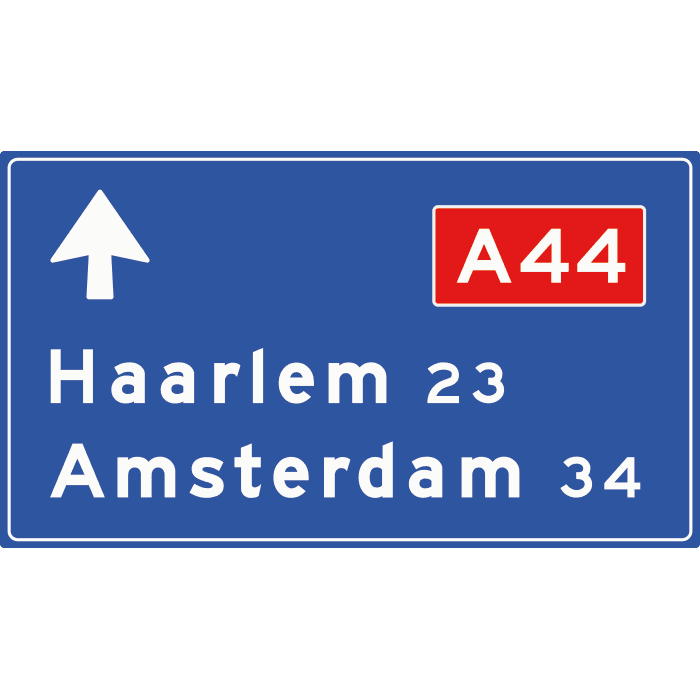
The K1 Sign: Your Close-Range Motorway Navigation Aid
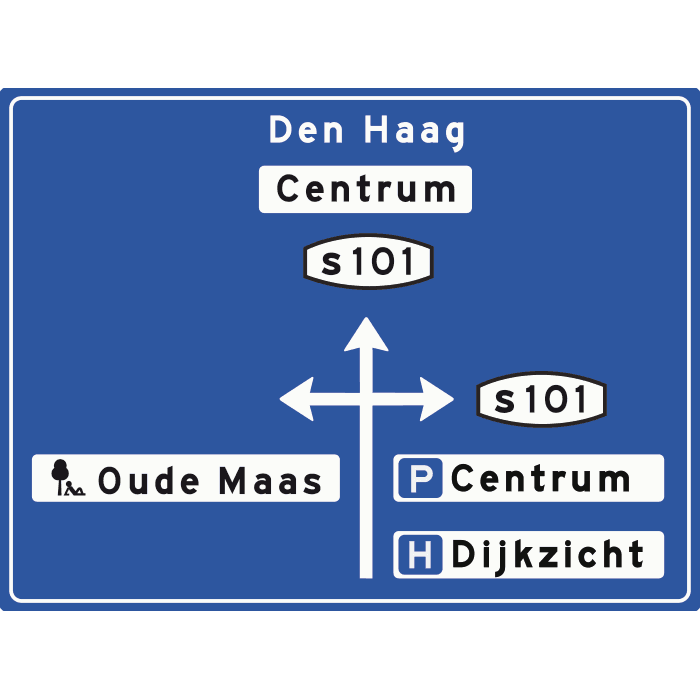
Prepare for complex city junctions with the K10 Advance Warning Panel sign.
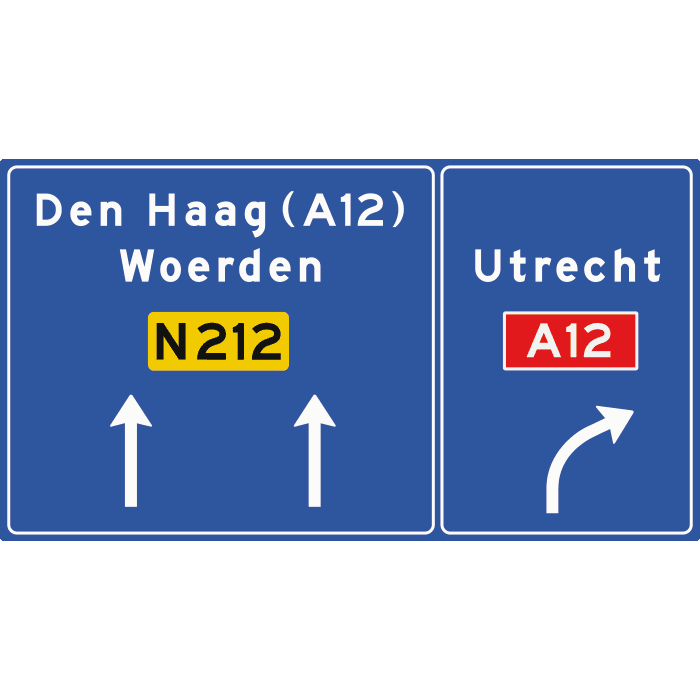
Use the K11 Lane Instructions sign to pick the right lane before a junction.
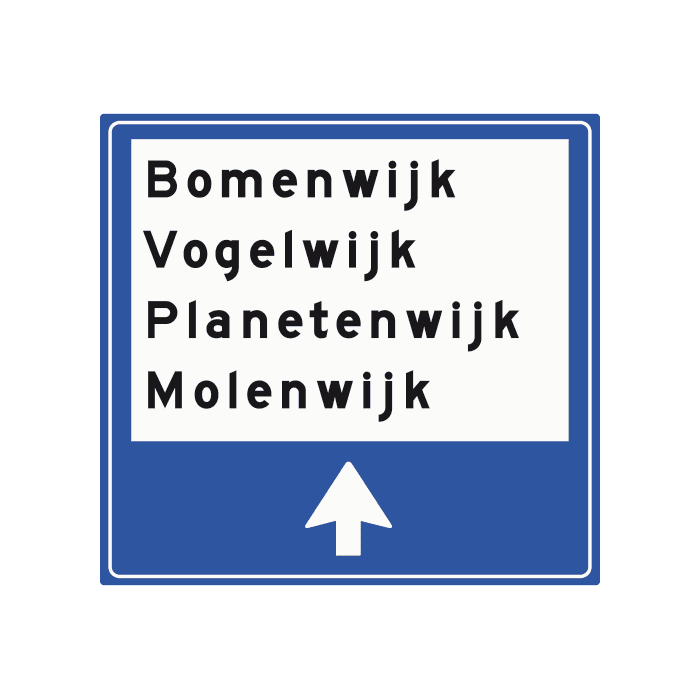
Understand the K12 Local Signpost for District Names in Urban Areas
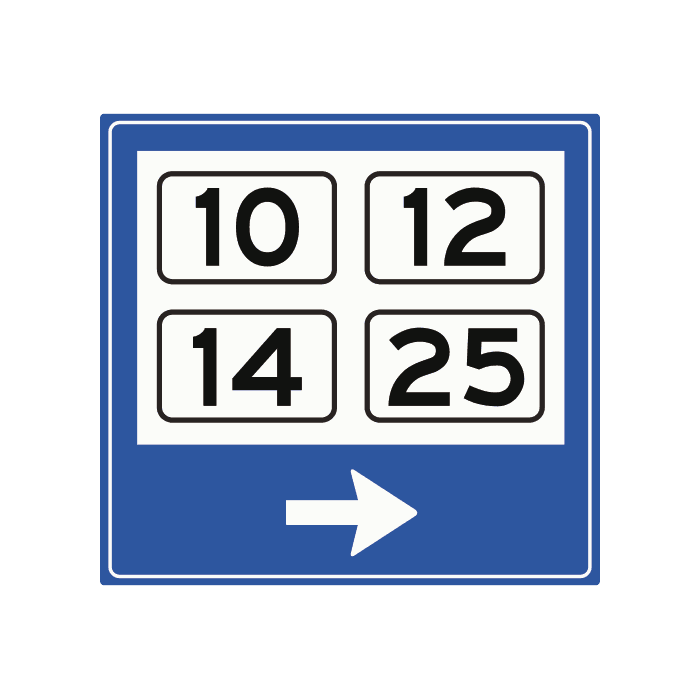
Understand the K13 Local Signpost for District Numbers in the Netherlands
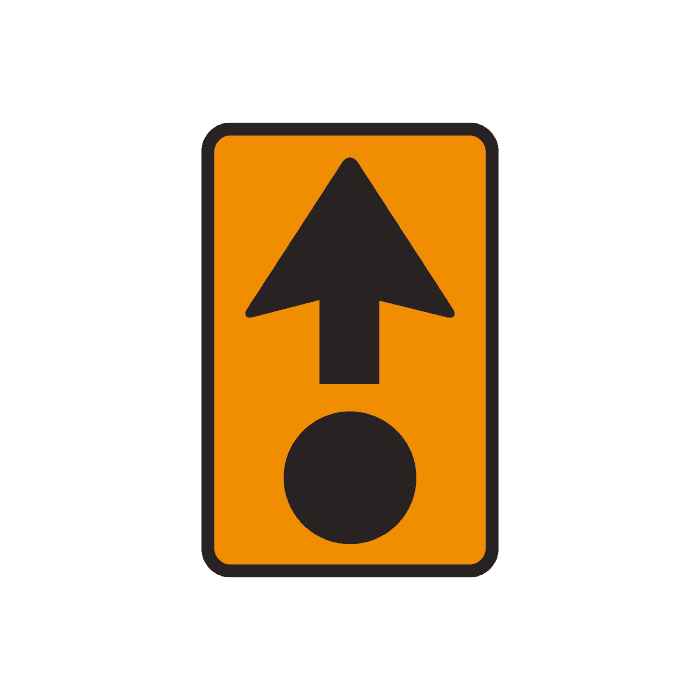
Follow the K14 sign for designated routes for vehicles carrying hazardous materials.
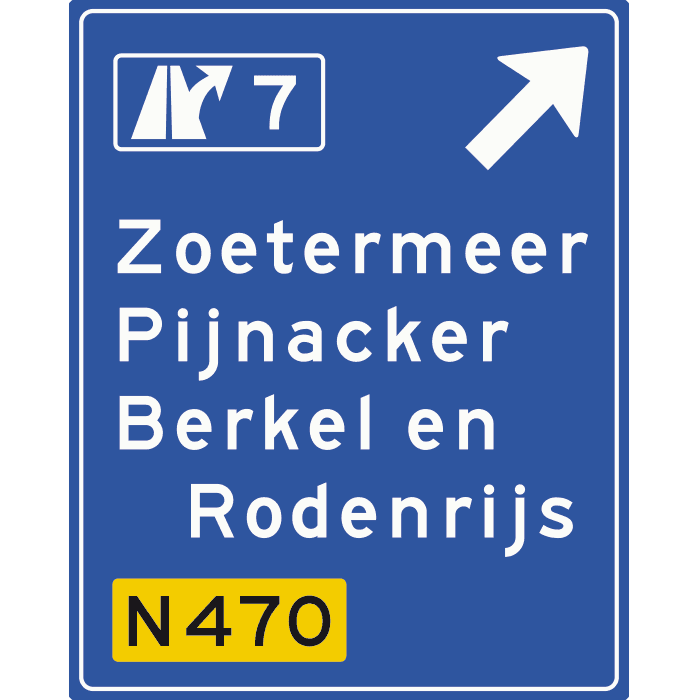
Prepare for your upcoming motorway exit with the K2 advance warning sign.
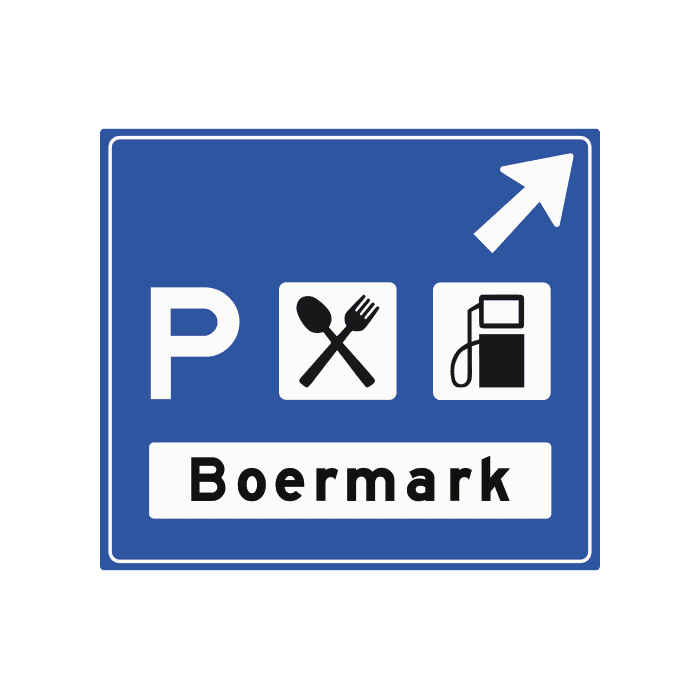
Motorway Service Area Information signs guide you to essential facilities ahead.
After reviewing the full list of Dutch road signs, deepen your understanding by exploring signs organized by category or practicing with targeted questions. This systematic approach ensures you fully grasp every sign's meaning and application, preparing you thoroughly for your CBR driving theory exam.
View All Dutch Road Signs