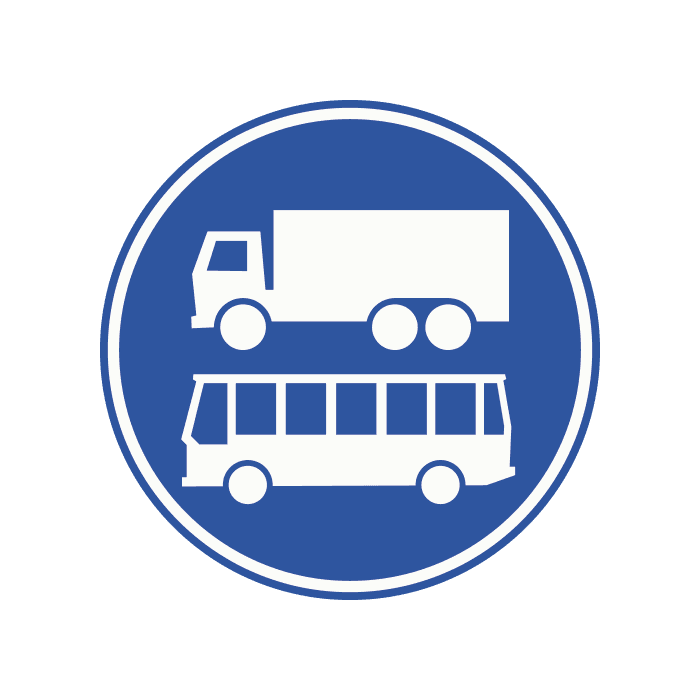
The F19 road sign indicates a lane or carriageway specifically designated for lorries and buses, often referred to as a heavy-vehicle corridor. This sign is crucial for organizing traffic flow and enhancing safety for larger vehicles. Unless a supplementary sign explicitly permits it, light vehicles like cars are prohibited from using this lane. Always pay close attention to any time restrictions indicated on sub-signs, as these may alter when the lane is exclusively for heavy vehicles.
Master the 'Lorry and Bus Lane Only' (F19) sign to correctly identify and avoid restricted lanes, a crucial aspect for your theory test revision. Proper recognition ensures compliance with Dutch traffic rules and smooth navigation, enhancing your understanding of sign interpretation.
The lorry and bus lane only sign designates a traffic lane that is intended for heavy goods vehicles and buses. It is usually applied on busy roads or approaches to junctions where separating large vehicles improves capacity and safety. Drivers of cars, motorcycles, and other light vehicles may not drive, stop, or park in this lane, except where an additional sign grants specific permissions.
This sign indicates a lane or carriageway reserved exclusively for lorries and buses. It keeps heavy and large vehicles in a dedicated lane so that traffic flow becomes more orderly and predictable. Light vehicles such as cars and motorcycles must stay out of this lane unless a supplementary sign clearly states that they may use it under certain conditions.
Get clear, practical answers to the most common questions about the F19 - Lorry and Bus Lane / Carriageway Only road sign. Learn how the sign works, what rules it represents, and how it affects real driving situations. This FAQ strengthens your understanding and supports accurate decision making for the Dutch driving theory exam in the Netherlands.
The F19 sign means that the lane or carriageway ahead is exclusively for lorries and buses. Other vehicles, including cars, are generally not allowed to use it unless a specific sub-sign grants permission.
No, typically you cannot drive your car in a lane marked with the F19 sign. This lane is reserved for heavy vehicles like lorries and buses to improve traffic organisation and safety. Only if a supplementary sign explicitly states otherwise (e.g., for local deliveries) can other vehicles use it.
Sub-signs accompanying the F19 sign can provide important additional information. They might specify times of day when the lane is exclusively for lorries and buses, or they could grant permission for certain types of vehicles (like cars making local deliveries) to use the lane during specific periods. Always read the sub-sign carefully.
When you encounter the F19 sign, you are generally prohibited from using the designated lane with your car. You are also prohibited from stopping or parking within this specific corridor, as it needs to remain clear for lorries and buses.
Yes, cars are allowed in an F19 lane only if a supplementary sign explicitly grants permission. This often applies to situations like access for local deliveries or specific times when the restriction is lifted. Without such a sub-sign, assume cars are not permitted.
The F19 sign is important for the theory test because it assesses your understanding of road designations and your ability to follow specific lane rules. Failing to adhere to these restrictions, like entering a dedicated bus or lorry lane, can lead to incorrect answers in exam questions about priority and lane usage.
A clear reference image of the F19 - Lorry and Bus Lane / Carriageway Only road sign used in the Netherlands.
The F19 - Lorry and Bus Lane / Carriageway Only road sign may also be known by these alternative names or terms.
The F19 - Lorry and Bus Lane / Carriageway Only road sign is part of the Overtaking & Lane Directives (F) category, which groups together signs with similar rules and functions.
Mastering Dutch road signs like the F19 'Lorry and Bus Lane Only' requires understanding subtle differences. Comparing this sign with similar traffic signs aids recognition and boosts your theory test revision.
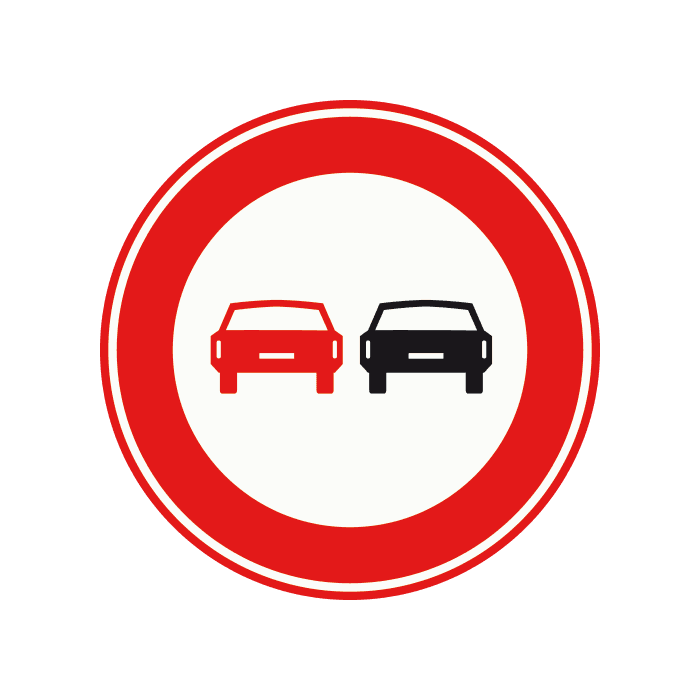
Understand the F1 'No Overtaking - Motor Vehicles' Traffic Sign
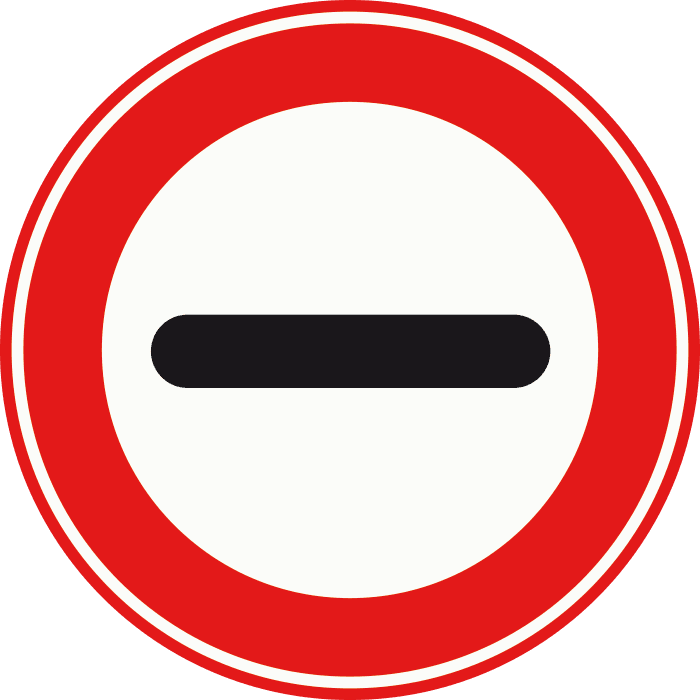
Stop on Command: Understanding the F10 Authority Stop Road Sign
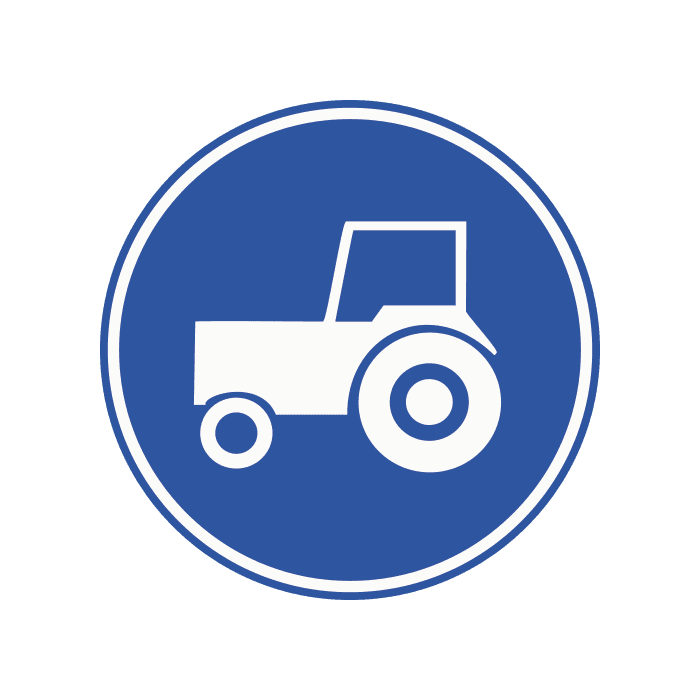
Understand the F11 'Passing Lane - Slow Vehicles Must Use' Traffic Sign
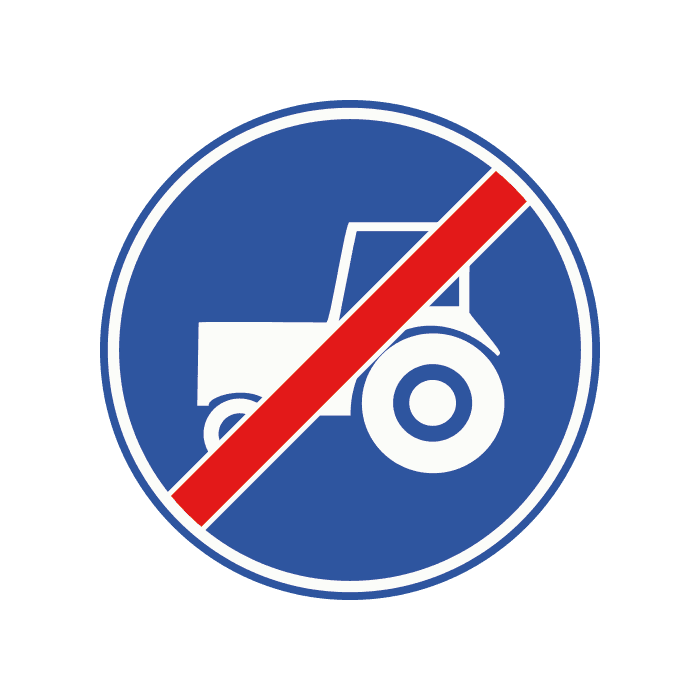
The slow-vehicle passing lane is ending – prepare to merge!
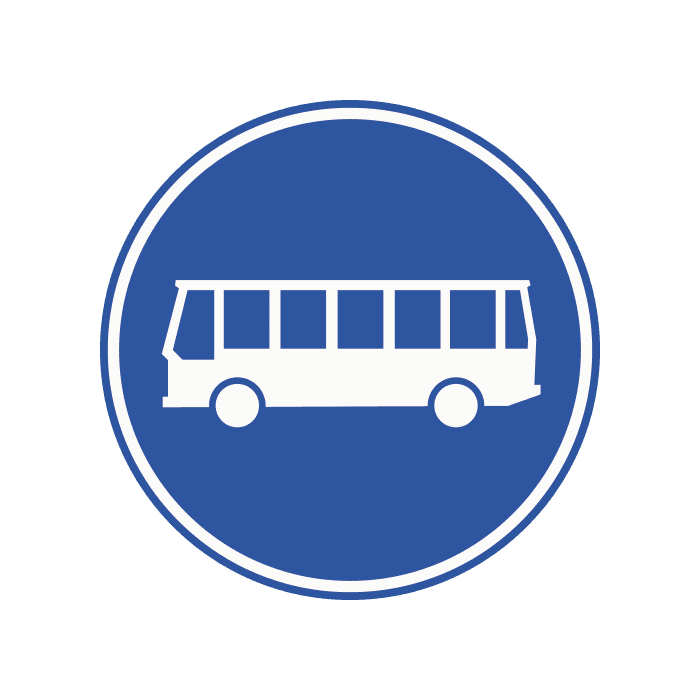
The F13 sign indicates a lane exclusively for buses.
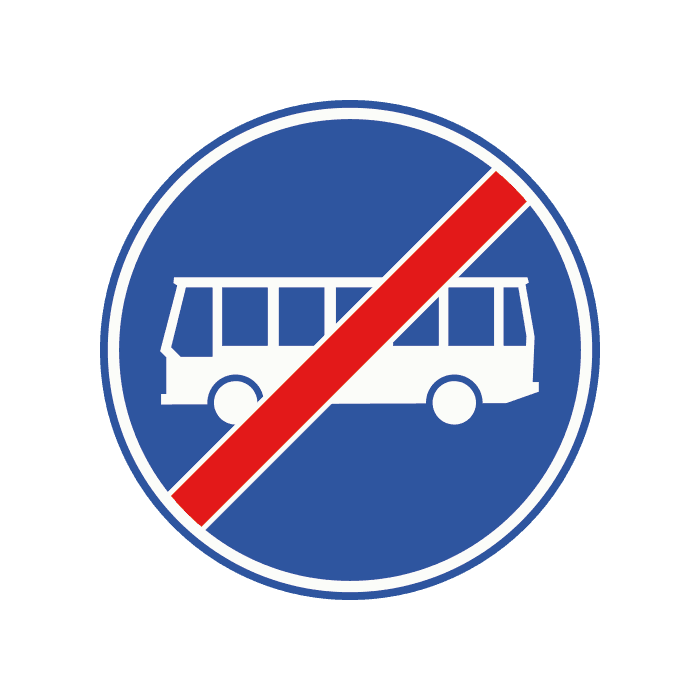
The F14 sign marks the end of an exclusive bus lane, signalling a return to normal traffic sharing.
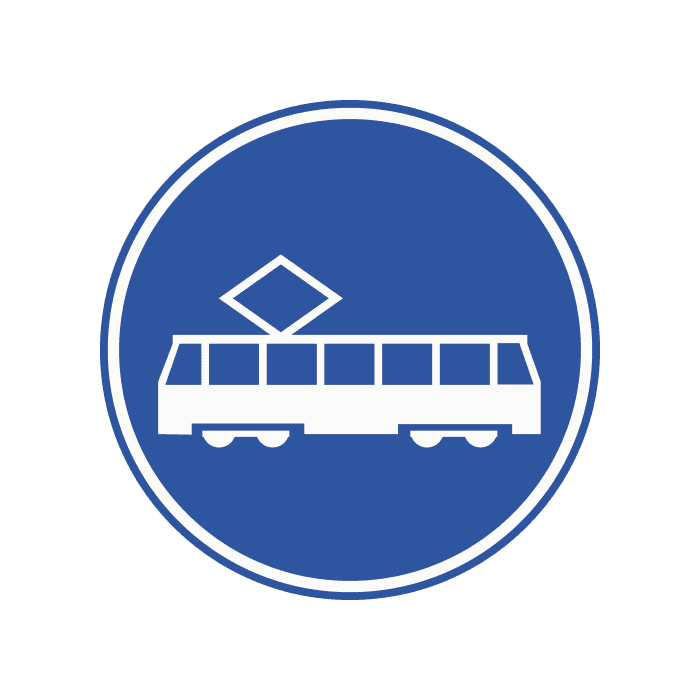
Learn About the F15 Tram Lane Road Sign: Exclusive Use for Trams
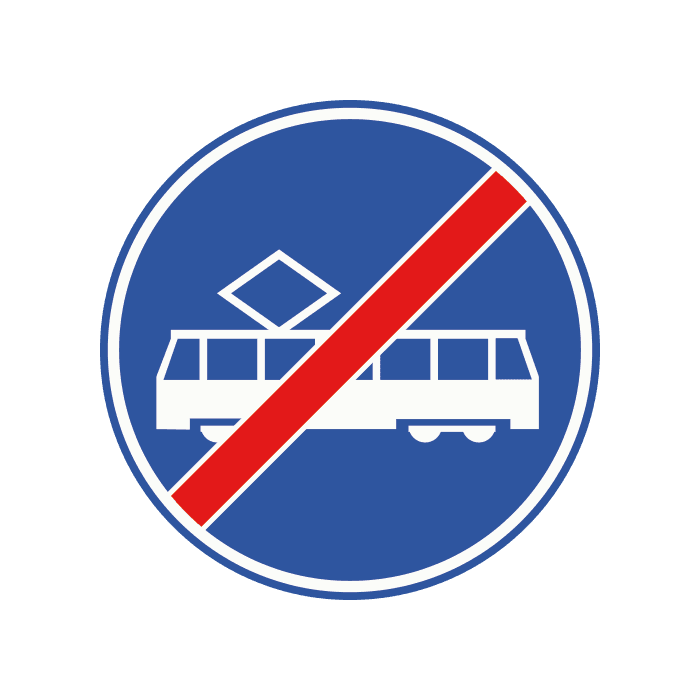
The F16 sign marks the end of a tram-only lane, allowing mixed traffic to resume.
After reviewing the full list of Dutch road signs, deepen your understanding by exploring signs organized by category or practicing with targeted questions. This systematic approach ensures you fully grasp every sign's meaning and application, preparing you thoroughly for your CBR driving theory exam.
View All Dutch Road Signs