The D3 traffic sign, also known as 'Pass on Either Side' or 'Split traffic point', informs drivers that they may safely pass an obstacle or island on either the left or the right. This sign is typically found at traffic islands or central medians, guiding you to choose the clearest path. It's important to follow the indicated directions safely, ensuring smooth traffic flow, especially in areas where lanes merge or diverge.
Master the 'Pass on Either Side' D3 sign to correctly navigate obstacles and junctions in the Netherlands, a crucial step for your theory test revision. This road sign explanation helps you understand when and how to safely pass mandatory direction indicators for your driving knowledge.
D3 is a blue mandatory direction sign that indicates an obstacle may be passed on both sides. The two arrows show that traffic can flow to the left and to the right of a central refuge, bollard, or median without restriction to one side only. It is commonly placed where carriageways divide or rejoin, at complex junction islands, or at traffic calming features designed to slow vehicles while keeping the road open.
This sign tells drivers that they may pass the indicated obstacle, island, or road feature on either the left or the right side. Both routes are permitted, so you can choose the side that best matches your lane, destination, or traffic conditions. You should still adapt your speed, check mirrors and blind spots, and keep a safe lateral distance from other vehicles when passing.
Get clear, practical answers to the most common questions about the D3 - Pass on Either Side road sign. Learn how the sign works, what rules it represents, and how it affects real driving situations. This FAQ strengthens your understanding and supports accurate decision making for the Dutch driving theory exam in the Netherlands.
The D3 sign, meaning 'Pass on Either Side', indicates that you can safely navigate around an obstacle, such as a central island or median, by passing it on either the left or the right. It essentially provides two clear routes around the obstruction.
You'll commonly encounter the D3 sign at channelized islands or central medians in the road. It's used to manage traffic flow when an obstruction requires vehicles to split and then rejoin, ensuring you know you have a choice of paths.
When you see the D3 sign, you must not stop directly in front of it or block both available passageways. The sign's purpose is to guide traffic, so obstructing either path defeats its function and can create a dangerous situation.
Yes, the D3 sign specifically allows you to pass the obstacle on either the left or the right. Your choice should be based on the traffic situation and what feels safest and most efficient at that moment, always following lane direction safely.
Understanding the D3 sign is crucial for your theory exam as it tests your ability to interpret traffic guidance signs. You'll need to know that it offers a choice of paths around an obstacle, and exam questions may focus on identifying the correct action or common mistakes like blocking the way.
While the D3 sign is quite distinct in its message of 'pass either side', it's important to differentiate it from signs that might indicate a mandatory direction around an obstacle (e.g., pass on the right only). Always read the specific message of each sign carefully.
A clear reference image of the D3 - Pass on Either Side road sign used in the Netherlands.
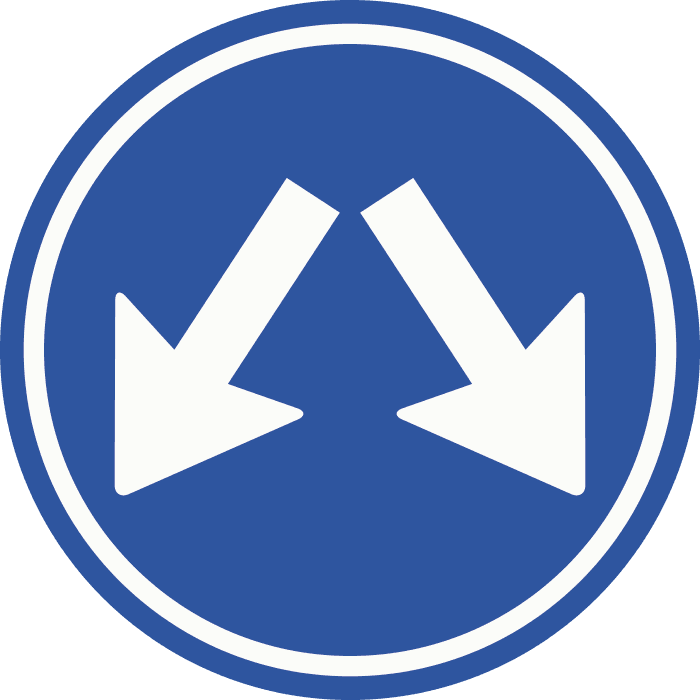
The D3 - Pass on Either Side road sign may also be known by these alternative names or terms.
The D3 - Pass on Either Side road sign is part of the Mandatory Direction Signs (D) category, which groups together signs with similar rules and functions.
Comparing this 'Pass on Either Side' D3 sign with related traffic signs helps cement your understanding and reduces confusion. Effective traffic sign comparison and revision are key for mastering Dutch road rules and passing your theory test.
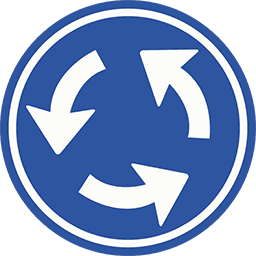
Understand the D1 Sign: Mandatory Counterclockwise Roundabout Traffic Flow
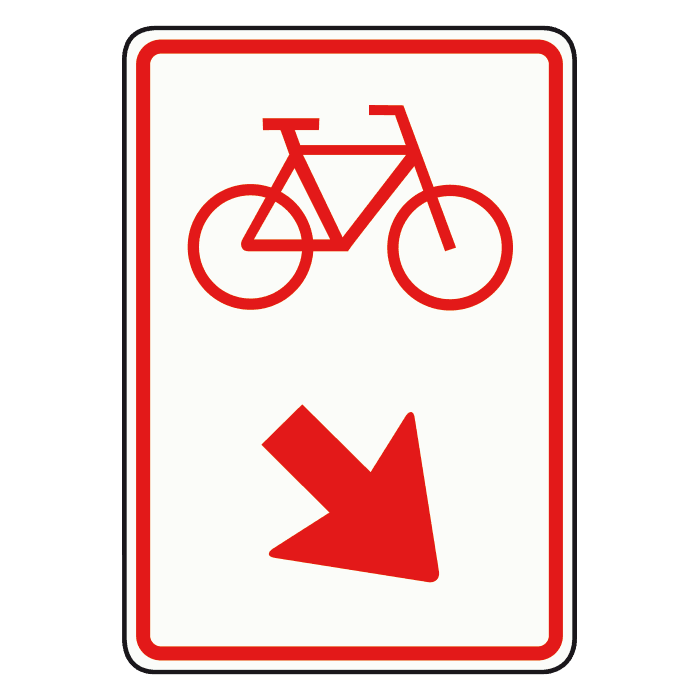
Cyclists and Snorfietsers Must Pass on the Right of this D101 Sign.
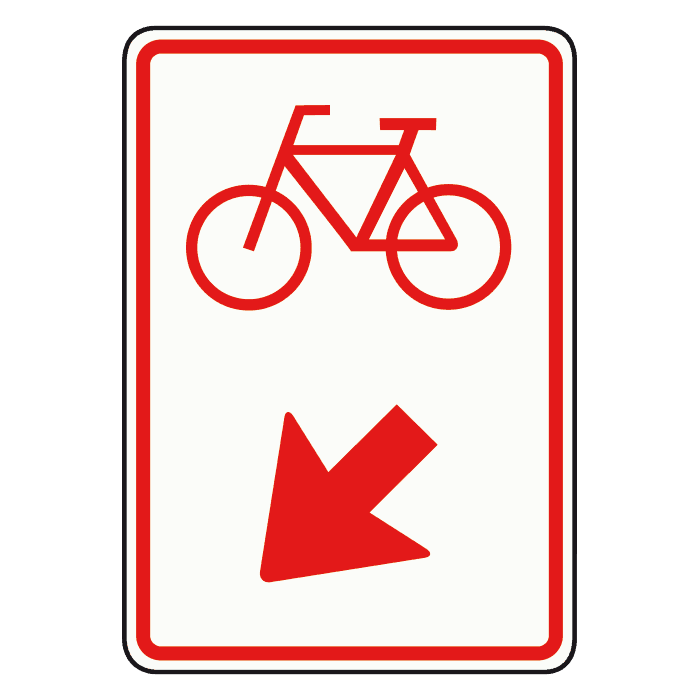
D102: Cyclists and Snorfietsers Must Pass on the Left
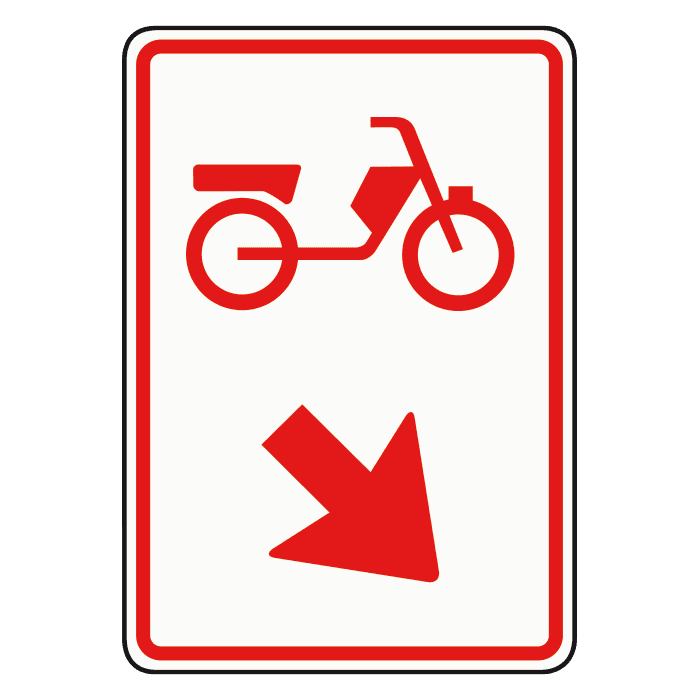
Mopeds Must Pass on the Right: Understanding the D103 Sign
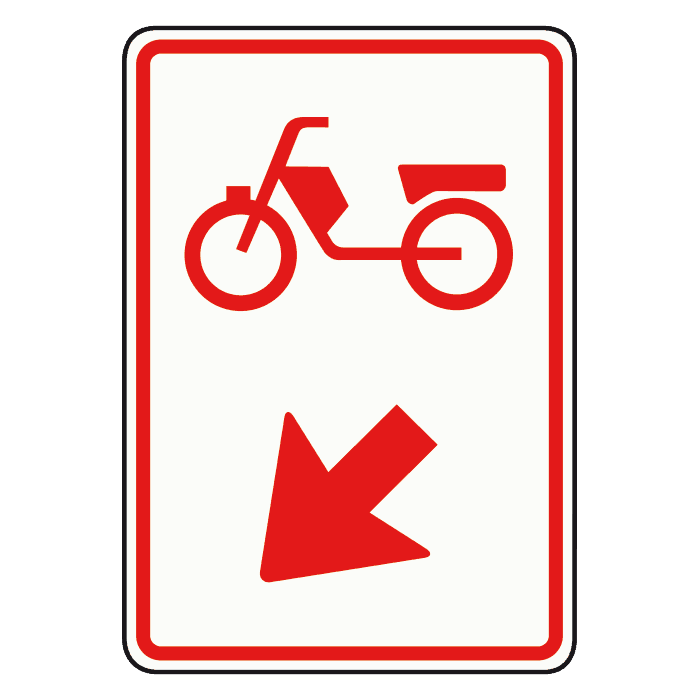
D104: Directing Mopeds and Speed-Pedelecs to Pass on the Left

Know the D2 'Pass on the Right' traffic sign for safe Dutch driving.
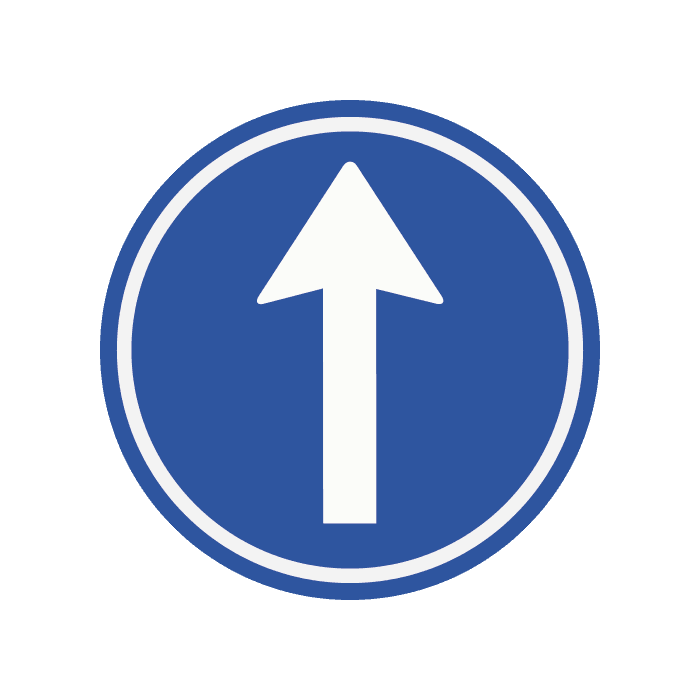
You must go straight ahead: the D4 mandatory direction sign explained.
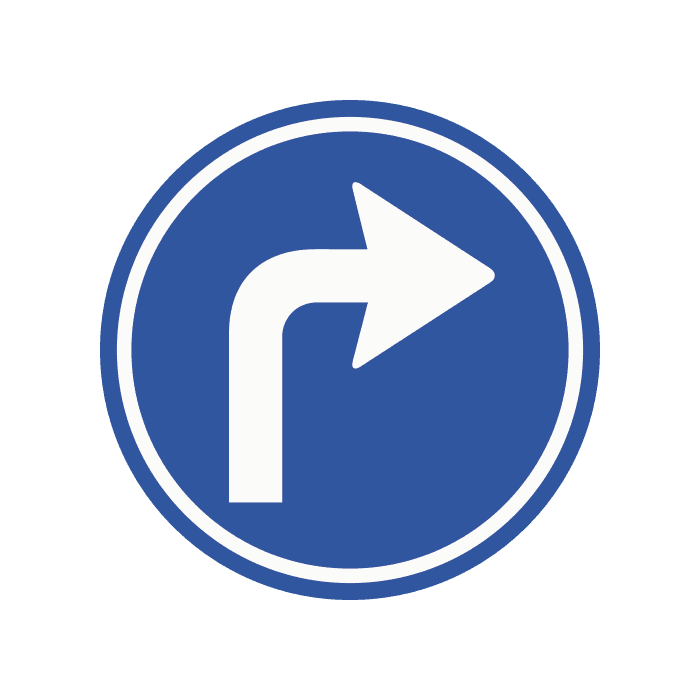
Mandatory Direction Right: You MUST turn right here!
After reviewing the full list of Dutch road signs, deepen your understanding by exploring signs organized by category or practicing with targeted questions. This systematic approach ensures you fully grasp every sign's meaning and application, preparing you thoroughly for your CBR driving theory exam.
View All Dutch Road Signs