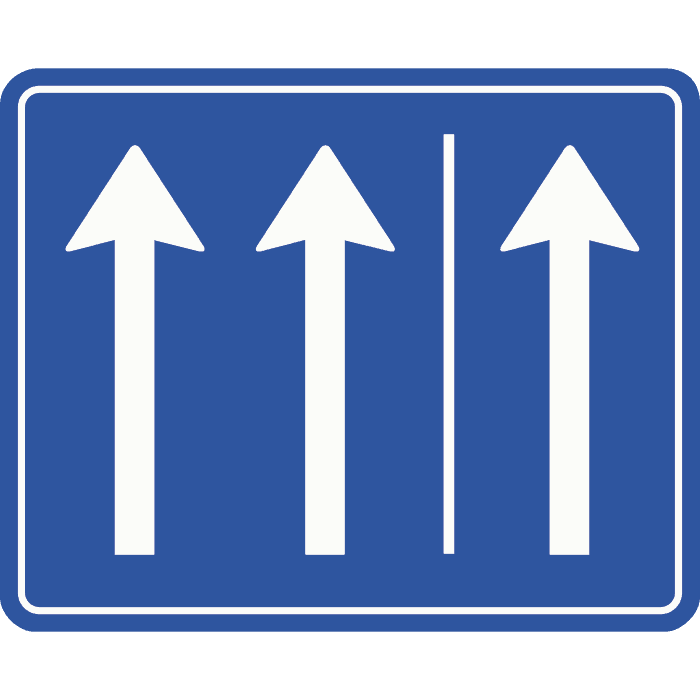
The C23-01 Rush-Hour Lane Open sign indicates that an additional lane, often the hard shoulder, is now available for traffic to help ease congestion during busy periods. This dynamic traffic management system allows for increased road capacity when needed. When you see this sign illuminated, it means you can use the indicated lane as a normal traffic lane, but always pay close attention to any variable speed limits or lane control signals displayed above the carriageway. Remember, this lane is only active during specified peak times.
This sign indicates a temporarily opened rush-hour lane, crucial for managing traffic flow in the Netherlands. Mastering its meaning is vital for your theory test revision and understanding Dutch traffic rules.
A rectangular sign with a white downward arrow over a lane indicates that the rush hour lane or shoulder is opened to general traffic under dynamic traffic management. It is used on busy roads and autosnelweg corridors during peak periods to increase capacity. The sign always works together with lane control signals and speed displays above or beside the carriageway.
This sign shows that the rush hour lane or hard shoulder is temporarily open as an extra traffic lane. You may drive in this lane as in a normal lane, while carefully following the lane control signals and variable speed limits. Use the lane to improve traffic flow, but always keep safe distances and be prepared to return to the regular lanes.
Get clear, practical answers to the most common questions about the C23-01 - Rush-Hour Lane Open road sign. Learn how the sign works, what rules it represents, and how it affects real driving situations. This FAQ strengthens your understanding and supports accurate decision making for the Dutch driving theory exam in the Netherlands.
The C23-01 sign means that an extra lane, like the hard shoulder, is open for use by drivers. This is typically implemented during peak traffic hours to increase road capacity and reduce congestion. You should treat it as a normal traffic lane when this sign is active.
You can use the lane when the C23-01 sign is displayed, indicating it's open to traffic. This system is dynamic, meaning the lane is only open during specific periods, usually rush hours. Always check for associated overhead signals for speed limits and lane instructions.
You should not stop unnecessarily in the open lane, ignore any speed limits or lane control signals shown on overhead gantries, or use the lane outside of the active periods when the sign indicates it's closed. The lane is for driving, not for stopping.
Yes, while the C23-01 sign permits you to use the extra lane, you must always adhere to any variable speed limits displayed on overhead signs. Also, be aware of merging traffic when entering or exiting this lane, and do not use it if the sign is not illuminated.
'Hard shoulder running' or 'peak lane open' signs, such as C23-01, are part of dynamic traffic management strategies. Their main purpose is to increase the available road space and improve traffic flow during predictable periods of high demand, like morning and evening rush hours, thereby reducing travel times and easing congestion.
A clear reference image of the C23-01 - Rush-Hour Lane Open road sign used in the Netherlands.
The C23-01 - Rush-Hour Lane Open road sign may also be known by these alternative names or terms.
The C23-01 - Rush-Hour Lane Open road sign is part of the Closure & One-Way Signs (C) category, which groups together signs with similar rules and functions.
Comparing signs like the 'Rush-Hour Lane Open' with related traffic signs sharpens your recognition skills and boosts memory recall for better theory test revision. Understanding subtle differences in road signs is key to accurate traffic sign comparison during your Dutch licence exam.
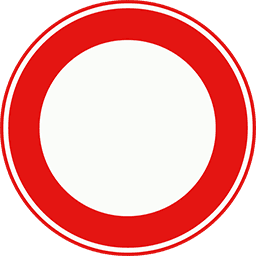
The C1 sign means 'Closed to All Vehicles', but pedestrians are welcome.
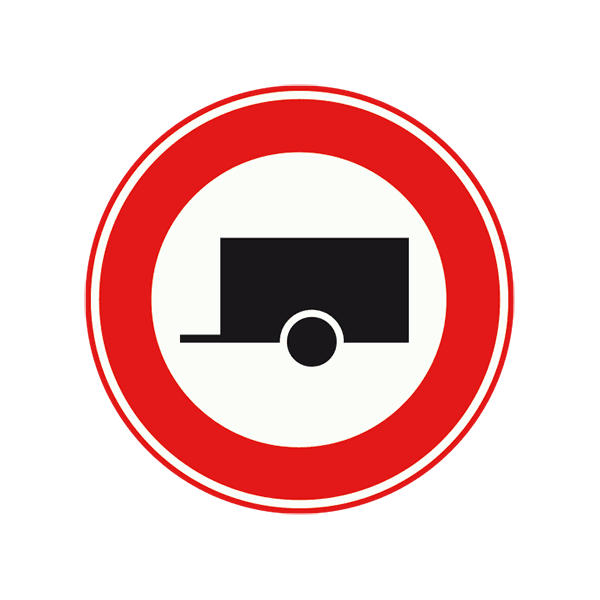
The C10 sign means no entry for motor vehicles towing trailers in the Netherlands.
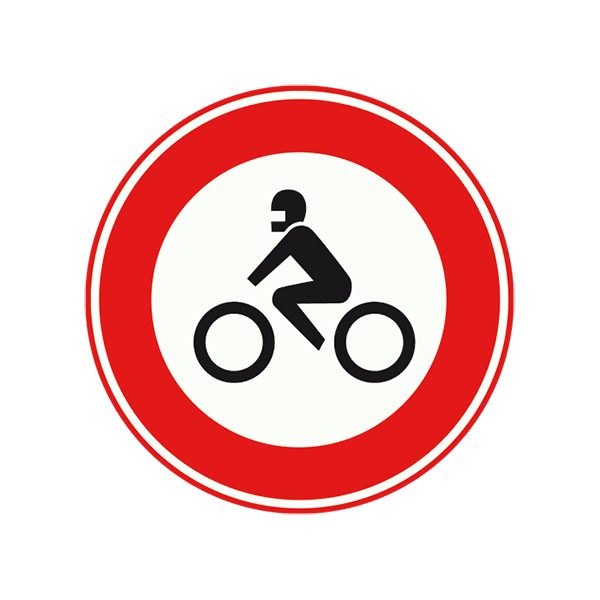
C11: Motorcycles are Prohibited on This Road
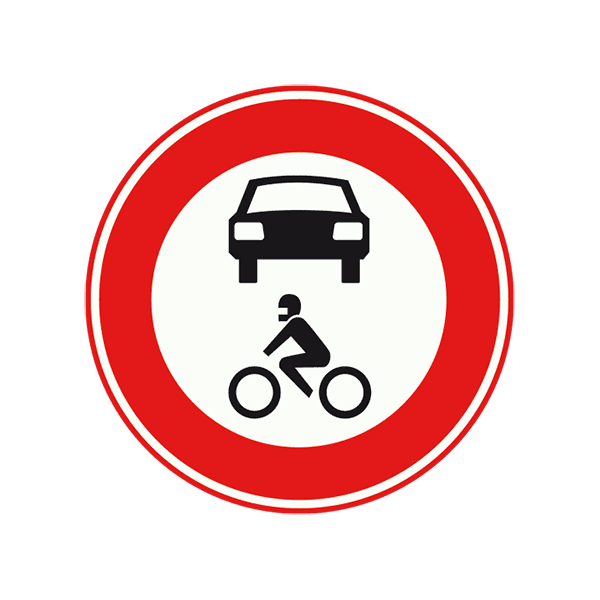
Understand the 'Closed to All Motor Vehicles' (C12) Prohibition Sign
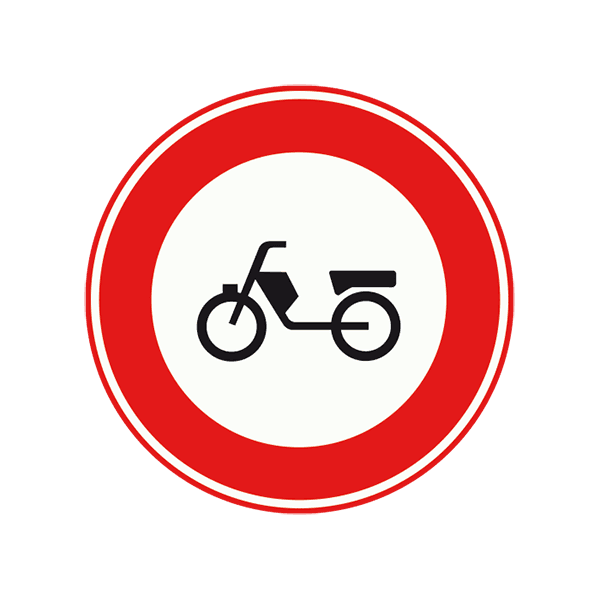
Understand the C13 sign: No Engine-Powered Mopeds or Disability Vehicles Allowed
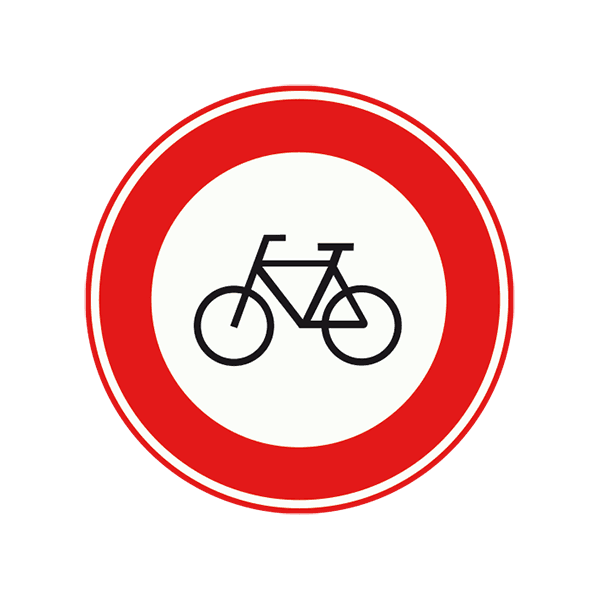
Understand the C14 sign: Bicycles and non-motorized disability vehicles prohibited.
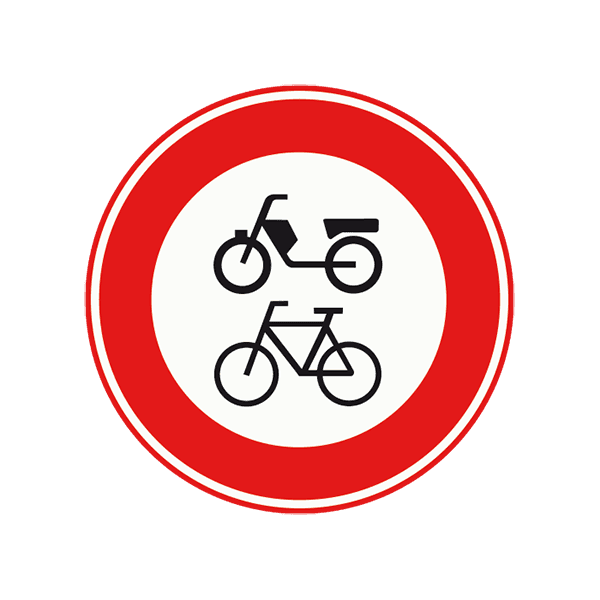
This C15 sign means no access for bicycles, mopeds, and disability vehicles.
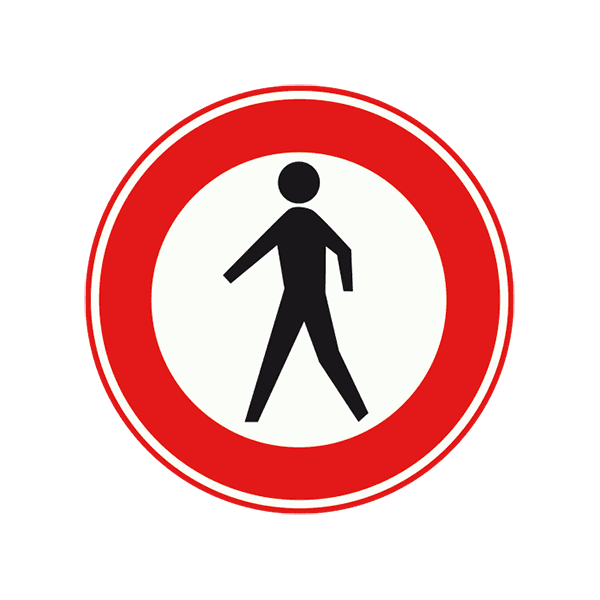
The C16 'Closed to Pedestrians' sign means you must not proceed on foot beyond this point.
After reviewing the full list of Dutch road signs, deepen your understanding by exploring signs organized by category or practicing with targeted questions. This systematic approach ensures you fully grasp every sign's meaning and application, preparing you thoroughly for your CBR driving theory exam.
View All Dutch Road Signs