The J38 'Speed Bump' traffic sign alerts you to a vertical change in the road surface ahead, designed to calm traffic. You must reduce your speed significantly before reaching it to avoid damaging your vehicle or destabilizing two-wheeled vehicles. Always aim to cross the bump squarely with your wheels straight, ideally maintaining a gentle throttle rather than braking sharply on the bump itself. This sign is often found in residential areas or 30-km/h zones where traffic calming is a priority.
Master the meaning of the J38 Speed Bump warning sign, essential for understanding Dutch traffic rules and preparing for your theory test. This sign requires prompt speed reduction and careful crossing to ensure safety and vehicle stability on Dutch roads.
This warning sign marks the presence of a speed bump, raised plateau, or similar traffic-calming device in the road. Its purpose is to physically slow vehicles to a safe speed, particularly in residential areas, near schools, or other places with vulnerable road users. The sign alerts drivers to reduce speed in advance, choose an appropriate gear, and cross the bump in a straight line to maintain stability.
This sign warns of a speed bump or similar raised feature that forces traffic to slow down. Drivers must reduce speed in time, especially when carrying passengers or riding a motorcycle or moped, and cross the bump in a straight and controlled manner to avoid damage, loss of grip, or discomfort.
Get clear, practical answers to the most common questions about the J38 - Speed Bump road sign. Learn how the sign works, what rules it represents, and how it affects real driving situations. This FAQ strengthens your understanding and supports accurate decision making for the Dutch driving theory exam in the Netherlands.
The J38 sign indicates a raised section of the road ahead, commonly known as a speed bump or hump. Its purpose is to force drivers to slow down to a safe speed, thereby calming traffic in areas like residential zones. You should anticipate this by reducing your speed before reaching the bump.
When you see the J38 sign, you must slow down to a speed that allows you to cross the bump comfortably and safely. It's best to cross the bump squarely with your wheels straight. Avoid braking sharply while on the bump, as this can be uncomfortable and potentially destabilize your vehicle or a motorcycle. Maintaining a gentle throttle is recommended.
Yes, the J38 sign implicitly prohibits certain actions. You should not cross the speed bump at high speed, as this can cause damage to your vehicle's suspension and is dangerous for all road users. Braking sharply directly on the bump is also advised against, as it can lead to instability and discomfort.
A common mistake is not slowing down enough before the bump, or braking too hard on the bump itself. Learners might also misunderstand that the sign is a warning to slow down gradually, not a command to stop. The theory exam tests your understanding of the need to reduce speed well in advance and cross safely, often in conjunction with other signs indicating lower speed zones.
You will typically encounter the J38 Speed Bump sign in areas where traffic calming measures are in place. This commonly includes residential streets, school zones, and designated 30-km/h areas. The sign serves as a visual cue to remind drivers of the need for caution and reduced speed in these environments.
A clear reference image of the J38 - Speed Bump road sign used in the Netherlands.
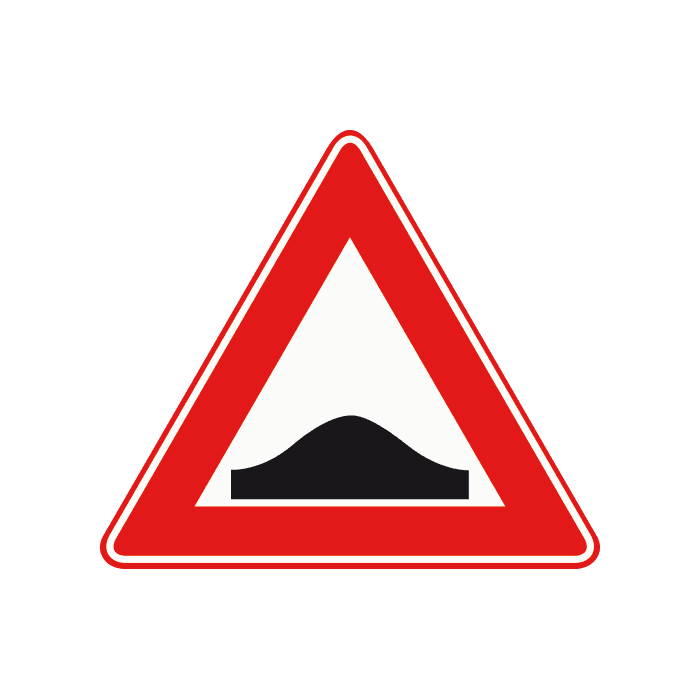
The J38 - Speed Bump road sign may also be known by these alternative names or terms.
The J38 - Speed Bump road sign is part of the Warning Signs (J) category, which groups together signs with similar rules and functions.
Comparing this speed bump sign with similar warning signs helps reinforce your understanding and improve recall for the Dutch theory test. Practising traffic sign comparison is key to mastering road signs and ensuring exam readiness.
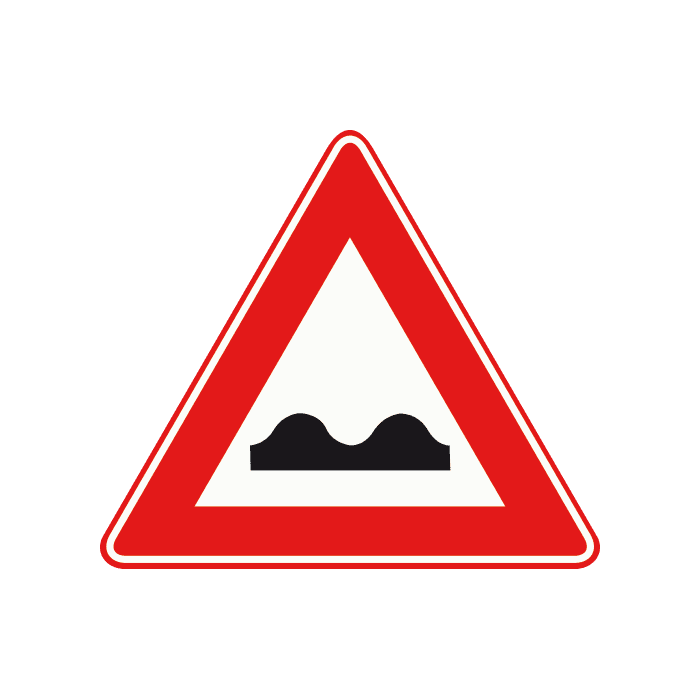
Prepare for Uneven Roads with the J1 Poor Road Surface Warning Sign
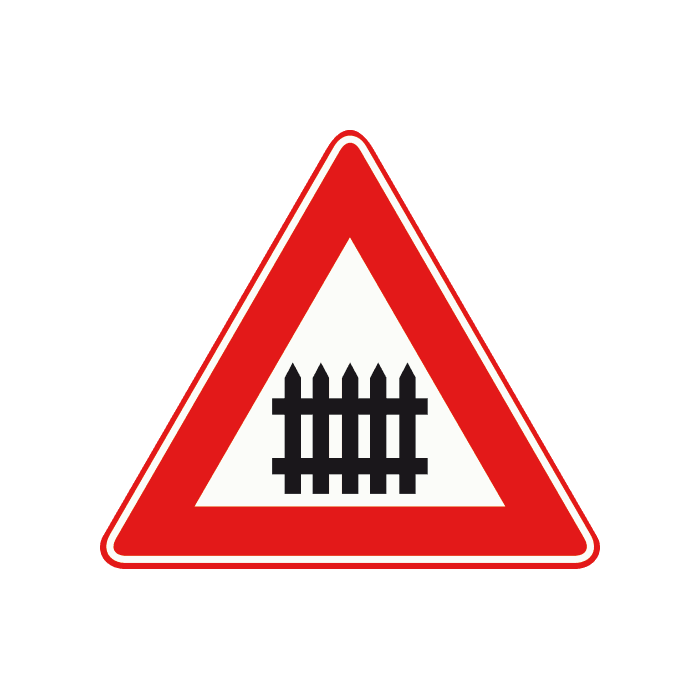
Understand the J10 Warning Sign for Level Crossings with Barriers
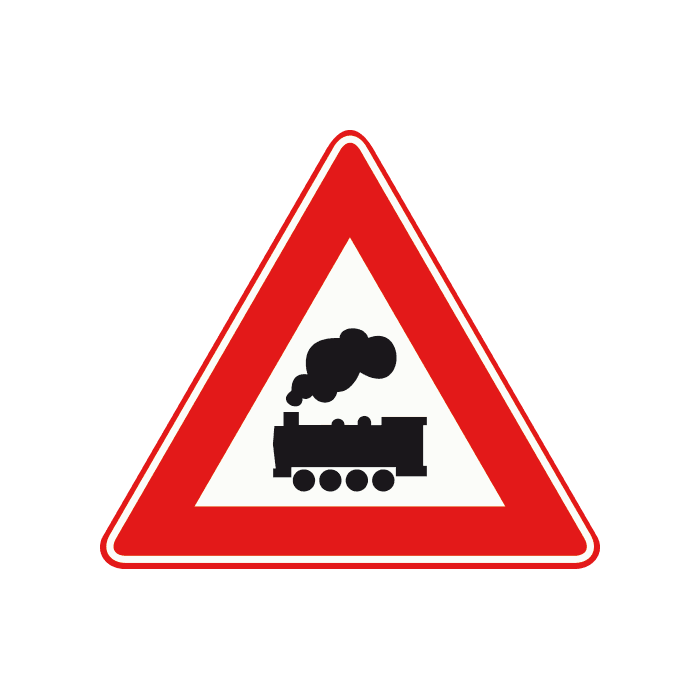
Prepare for ungated rail crossings with the J11 Level Crossing without Barriers sign.
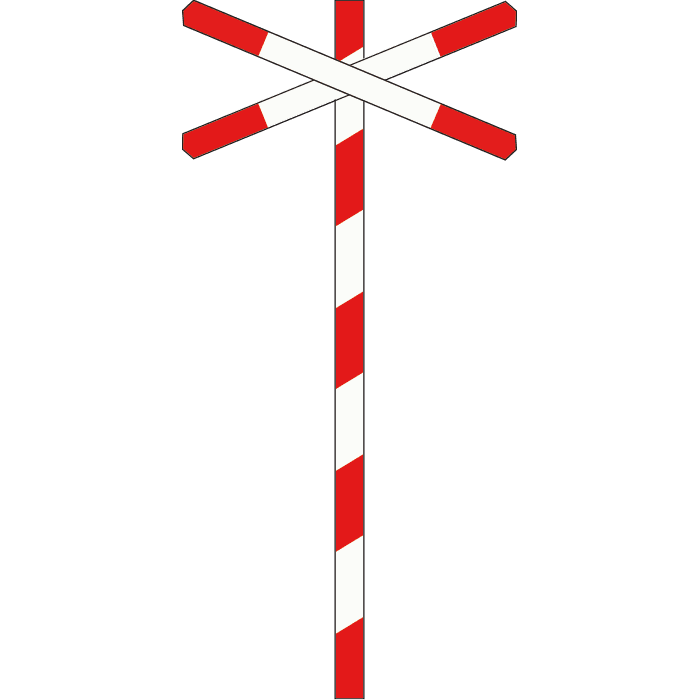
J12 Single St. Andrew’s Cross: Warning of a Single Railway Track Ahead
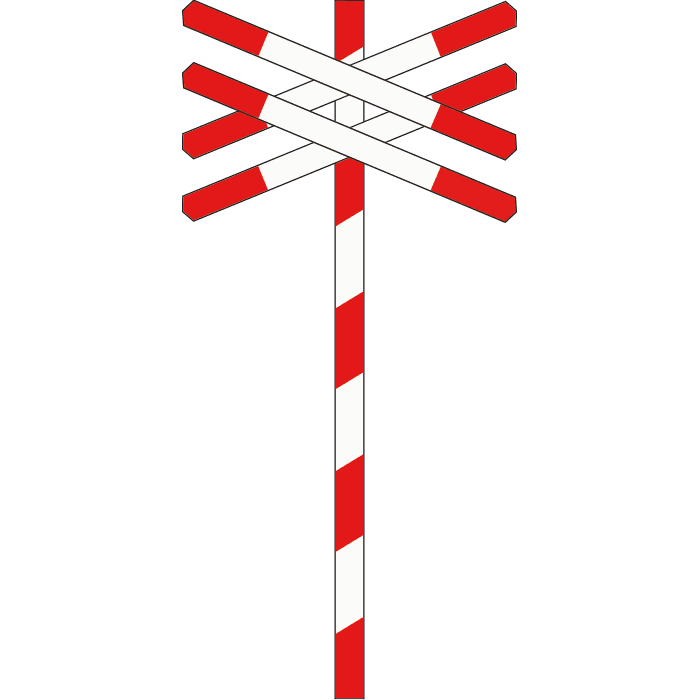
Prepare for the J13 Double St. Andrew’s Cross indicating multiple railway tracks ahead.
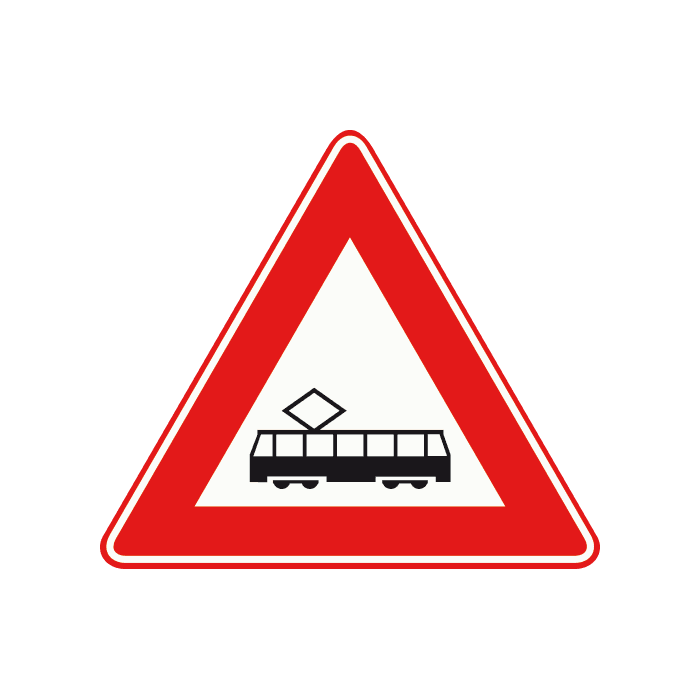
Prepare for the J14 Tram Crossing sign – a warning of potential hazards ahead.
After reviewing the full list of Dutch road signs, deepen your understanding by exploring signs organized by category or practicing with targeted questions. This systematic approach ensures you fully grasp every sign's meaning and application, preparing you thoroughly for your CBR driving theory exam.
View All Dutch Road Signs