
Dive into the core principles of Dutch traffic law and safe driving behavior. This central hub provides clear explanations of all vital theory topics, from complex priority rules to understanding specific road signs. Develop a complete and accurate grasp of the concepts required to confidently pass your official CBR driving theory test in the Netherlands.
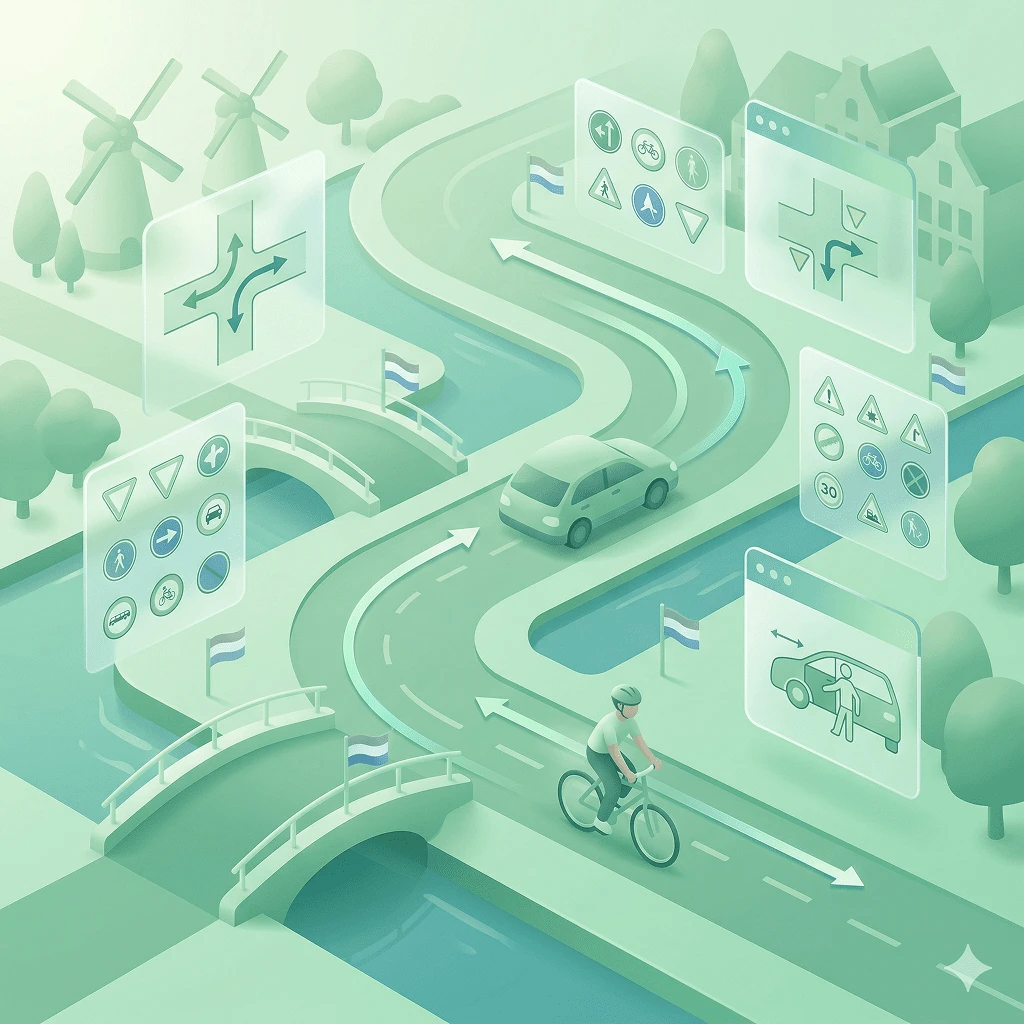
Strengthen your knowledge by focusing on essential driving theory subjects including complex traffic rules, priority conventions, and road signs. Our structured curriculum allows you to master specific areas to ensure you are fully prepared for the Dutch exam.
11 topics
8 topics
7 topics
4 topics
3 topics
2 topics
1 topic
1 topic
1 topic
1 topic
1 topic
1 topic
Seamlessly browse hundreds of official Dutch theory topics to deepen your driving theory knowledge and prepare for the CBR exam. This structured approach helps clarify complex traffic rules, master road signs, and effectively revise common theory test questions for your licence.
Filter by category
8 theory topics found

Consuming alcohol significantly impairs the skills required to drive safely, increasing the risk of accidents. Even small amounts of alcohol can negatively affect your reaction time, judgment, coordination, and perception. This section details these effects and explains why it is strictly forbidden to drive under the influence, adhering to Dutch traffic regulations.

Driving demands your full attention, yet mobile phone use is a primary cause of driver distraction in the Netherlands. This page explains why using any mobile communication device—even hands-free—can impair your ability to perceive hazards, react quickly, and maintain control of your vehicle. You'll learn the specific prohibitions and the crucial difference between legally allowed and genuinely safe behaviour.
Hazard perception is a foundational skill for every safe driver, involving continuous observation and anticipation of potential dangers. It goes beyond simply seeing what's in front of you; it's about actively processing the road environment to predict how situations might develop. This page explains how to cultivate strong hazard perception skills vital for navigating Dutch roads and succeeding in your theory test.

Tailgating, or following too closely, is one of the riskiest driving behaviors. It drastically reduces your reaction time and braking distance, making it nearly impossible to avoid a rear-end collision if the vehicle ahead slows or stops suddenly. This page explains why proper following distance is vital for safety, especially given the traffic conditions in the Netherlands.

Defensive driving is a proactive approach to road safety where you continuously monitor your surroundings and anticipate potential hazards, rather than just reacting to them. In the Netherlands, this means understanding how to predict the actions of other road users and adjusting your own behavior to mitigate risks, ultimately contributing to safer traffic flow for everyone.
Safe following distance is the vital gap drivers must keep between their vehicle and the one ahead. This distance ensures you have sufficient time to react and stop safely if the vehicle in front brakes unexpectedly. It directly impacts your ability to prevent rear-end collisions and is a fundamental aspect of safe driving in the Netherlands.
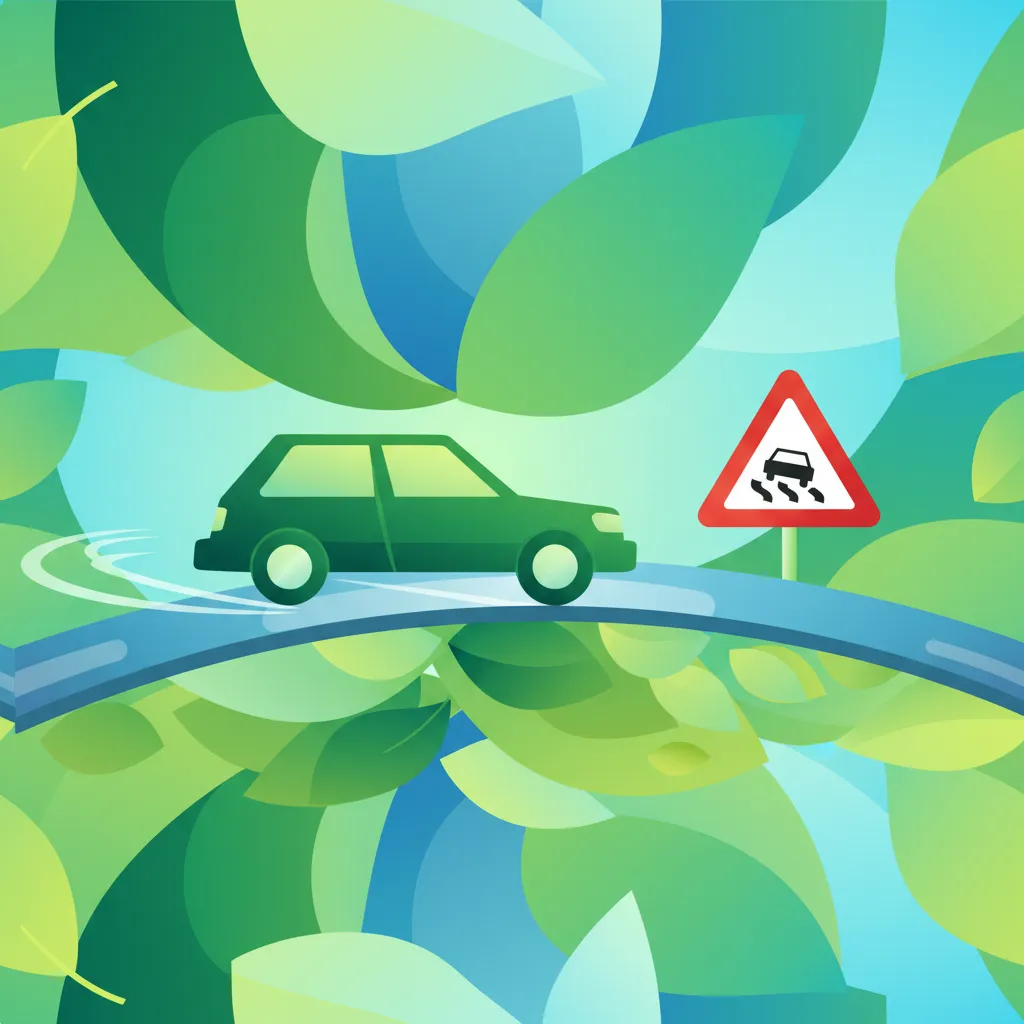
Slippery roads dramatically reduce the friction between your vehicle's tires and the road surface, making it much harder to accelerate, steer, and brake effectively. In the Netherlands, various weather conditions and road factors can lead to dangerously low grip. This page will guide you through recognizing these conditions and adapting your driving style to maintain control and ensure safety.

Dutch roads are dynamic environments shared by many different types of road users, each with unique characteristics and levels of vulnerability. As a driver, it's essential to understand how to interact safely with pedestrians, cyclists, motorcyclists, and larger vehicles like trucks and buses. This requires adapting your driving style, maintaining sufficient distance, and always remaining vigilant to ensure mutual safety.
Dive into our extensive collection of Dutch driving theory articles to deepen your understanding of traffic rules, road signs, and safe driving practices. Each guide provides valuable insights and clarifications essential for confidently preparing for your official CBR theory exam.
Dutch Driving Theory Articles