
Before starting any journey on Irish roads, ensure you are fully fit to drive. This section details the critical impact of alcohol, drugs, medication, fatigue, and distractions on your driving performance and judgment, as required by the RSA and for your Driver Theory Test.
Understanding how alcohol, medication, and distractions impair your reaction time is a critical requirement for passing the Irish Driver Theory Test and maintaining safety. These articles provide detailed guidance on RSA regulations regarding driver fitness, drug impairment, and the serious consequences of poor decision-making on Irish roads.
As a learner driver, you are subject to lower alcohol limits than general road users, a critical rule designed to protect you and others on the road. This guide outlines the legal blood alcohol thresholds and explains how enforcement works during roadside checks, accidents, or traffic offences.
Driving under the influence is a serious criminal offence with significant legal consequences in Ireland. This guide explains the mandatory blood alcohol thresholds for learners and the role of An Garda Síochána in enforcing road safety through roadside impairment testing. Mastering these rules is essential for both passing your theory test and maintaining safety on Irish roads.
Learn the physiological and cognitive effects of driving while tired and why it is a frequent focus in the Irish Driver Theory Test. This guide covers the legal implications of ignoring drowsiness, the dangers of micro-sleeps, and the RSA-recommended strategies for safe, effective rest breaks.
This category provides critical explanations on maintaining driver fitness, covering the significant impacts of alcohol, drugs, and distractions on your ability to drive safely in Ireland. Prepare thoroughly for your Driver Theory Test by mastering these essential rules and learner guidance topics.
As a learner driver, you are subject to lower alcohol limits than general road users, a critical rule designed to protect you and others on the road. This guide outlines the legal blood alcohol thresholds and explains how enforcement works during roadside checks, accidents, or traffic offences.
Updated on Oct 11, 2026
Driving under the influence is a serious criminal offence with significant legal consequences in Ireland. This guide explains the mandatory blood alcohol thresholds for learners and the role of An Garda Síochána in enforcing road safety through roadside impairment testing. Mastering these rules is essential for both passing your theory test and maintaining safety on Irish roads.
Updated on Oct 11, 2026
Learn the physiological and cognitive effects of driving while tired and why it is a frequent focus in the Irish Driver Theory Test. This guide covers the legal implications of ignoring drowsiness, the dangers of micro-sleeps, and the RSA-recommended strategies for safe, effective rest breaks.
Updated on Sep 29, 2026
Understanding the physical impact of a moment of distraction is essential for passing the Irish Driver Theory Test and becoming a safe driver. This guide breaks down how phone use or fatigue degrades your reaction time, ultimately increasing the 'thinking distance' required to stop your vehicle. You will learn how these factors contribute to collision risks and why they remain a key focus of the Rules of the Road.
Updated on Sep 29, 2026
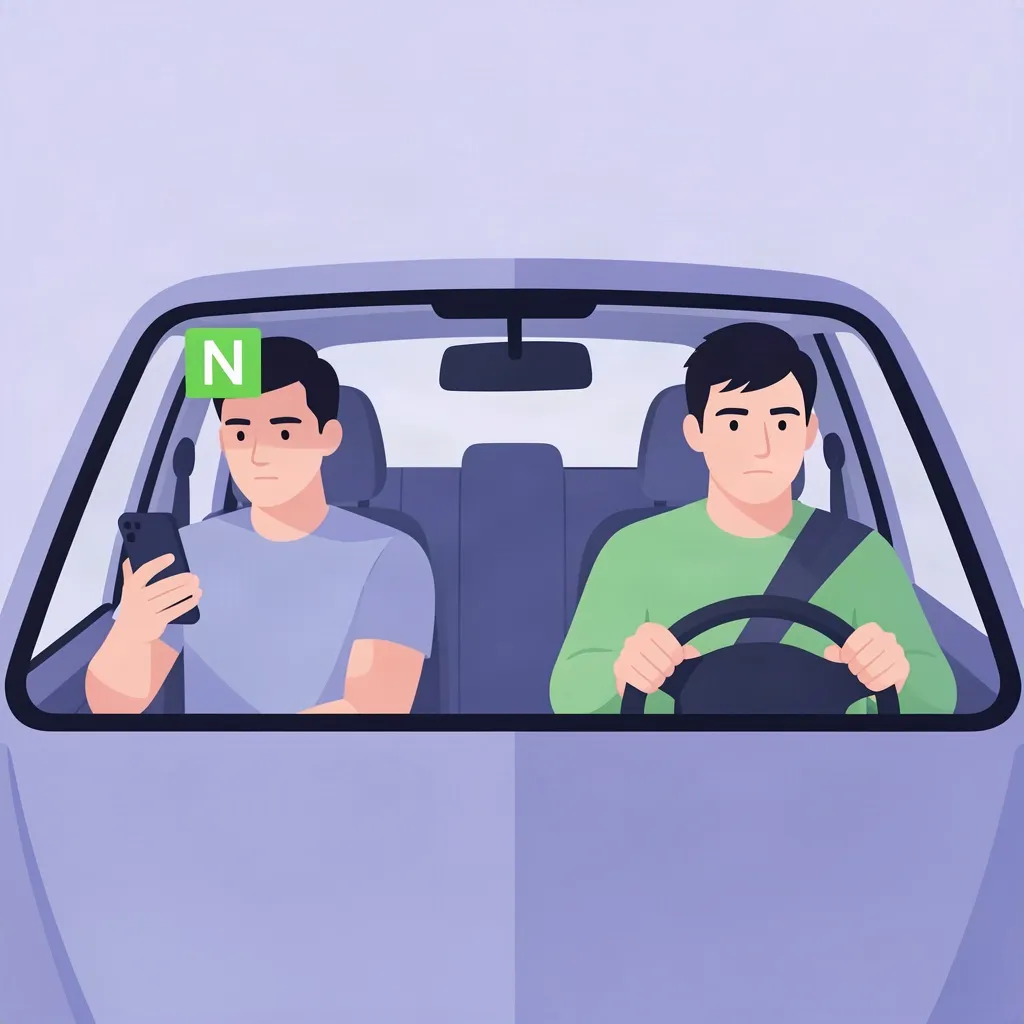
Transitioning from a learner to a novice driver in Ireland requires not just vehicle control, but the mental discipline to remain in charge of your own safety environment. This guide examines how social dynamics inside the car can impact your hazard perception and decision-making, emphasizing why you must uphold RSA standards regardless of passenger influence. Understanding these psychological barriers is essential for passing the test and developing long-term, safe driving habits.
Updated on Aug 29, 2026

Safely navigating Ireland's roads requires understanding how your health impacts your driving ability. This article details the requirements for Group 1 licence holders, referencing official RSA guidelines and relevant EU law to ensure you meet the necessary driver fitness standards for your learner permit or full licence.
Updated on Jul 8, 2026

This article details the legal framework in Ireland that prohibits the use of mobile phones by drivers. You will learn about the specific offences, the severe risks associated with distracted driving, and why maintaining full attention is paramount for both passing your Driver Theory Test and driving safely on Irish roads.
Updated on Jul 8, 2026
Long journeys and motorway driving in Ireland can lead to dangerous driver fatigue. This article will equip you with the knowledge to recognise the signs of tiredness, understand its risks, and implement effective management strategies, including the RSA's recommended 'Stop, Sip, Sleep' approach, to ensure your safety and prepare you for the Driver Theory Test.
Updated on Jul 8, 2026

Mobile phones, even when used hands-free, create cognitive distraction and divided attention, hindering your brain's capacity to process critical road information. This article explains the science behind this impairment and why it's vital for your safety and success in the Irish Driver Theory Test, where hazard perception is key.
Updated on Jul 8, 2026
Discover other categories connected to Driver Fitness: Alcohol, Drugs & Distraction IE. These sections help you explore additional topics, expand your understanding of driving theory in Irish, and build a more complete picture of the rules and situations tested during the exam.
Find answers to common questions learners ask about Driver Fitness: Alcohol, Drugs & Distraction IE. This section helps clarify difficult concepts, highlight critical exam information, and support your preparation for the Irish driving theory exam in Ireland.
Impaired driving in Ireland refers to operating a vehicle while your ability to do so safely is reduced by alcohol, illegal drugs, prescription or over-the-counter medications, fatigue, or other distractions.
Ireland has different blood alcohol concentration (BAC) limits depending on the driver's experience. For fully licensed drivers, the general limit is 50mg of alcohol per 100ml of blood, but for learner permit holders and novice drivers, it's 20mg per 100ml. It's always safest to avoid alcohol completely when driving.
Many medications, both prescription and over-the-counter, can cause drowsiness, dizziness, blurred vision, or affect reaction times. Always read the medication warnings and consult your doctor or pharmacist if you are unsure about its effect on your ability to drive safely.
Fatigue significantly slows reaction times, impairs judgment, and reduces hazard awareness, much like driving under the influence of alcohol. It can lead to micro-sleeps and increase the risk of serious accidents. Planning regular breaks on long journeys is essential.
Using a mobile phone, even hands-free, is a major distraction that diverts your attention from the road. This can lead to missed hazards, delayed reactions, and serious accidents. It is illegal to use a hand-held mobile phone while driving in Ireland.
Start your structured learning journey by diving into our comprehensive article categories. Each section covers vital information, from traffic signs to hazard awareness, helping you build a solid foundation for the official Irish Driver Theory Test and confident driving.
Browse Theory Article Categories