
Prepare for the Irish Driver Theory Test by understanding how to safely navigate adverse weather and rural road challenges. This section provides vital knowledge on stopping distances, visibility, and hazard perception specific to Ireland's unique driving environment.
These resources cover the critical RSA guidelines for handling reduced visibility, slick road surfaces, and the specific hazards found on narrow rural routes throughout Ireland. Use this guidance to sharpen your hazard perception skills and confidently navigate the common scenarios featured in the official Driver Theory Test.
Understanding the specific risks associated with rural driving is a critical component of the Irish Driver Theory Test. This article explains how to spot hidden dangers before they become critical and how to properly react when you see standard warning signage. Mastering these skills will prepare you to handle the unpredictable nature of the Irish countryside safely and confidently.
Learning to operate your vehicle's lighting and climate control systems correctly is a fundamental requirement of the RSA Rules of the Road. This guide details the specific conditions under which you must use dipped headlights, fog lamps, and demisters to ensure you remain visible to others and maintain a clear view of the road ahead. Proper use of these features is not only critical for your safety but also a common topic tested in the Irish Driver Theory Test.
Driving on dark, rural roads in Ireland requires a heightened sense of awareness and strict adherence to RSA lighting standards. This guide explains how to appropriately use your headlights to maximize visibility and how to adjust your speed to remain within your safe stopping distance. Mastering these techniques is essential for both your practical safety and for correctly answering hazard perception questions in your theory exam.
Prepare for the Irish Driver Theory Test with in-depth articles on safely navigating rain, reduced visibility at night, and unpredictable country roads. Understand critical concepts like stopping distances and hazard perception to enhance your driving knowledge and pass your exam.
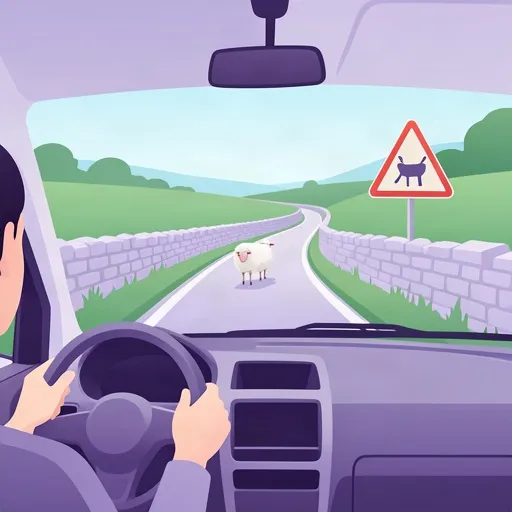
Understanding the specific risks associated with rural driving is a critical component of the Irish Driver Theory Test. This article explains how to spot hidden dangers before they become critical and how to properly react when you see standard warning signage. Mastering these skills will prepare you to handle the unpredictable nature of the Irish countryside safely and confidently.
Updated on Sep 19, 2026
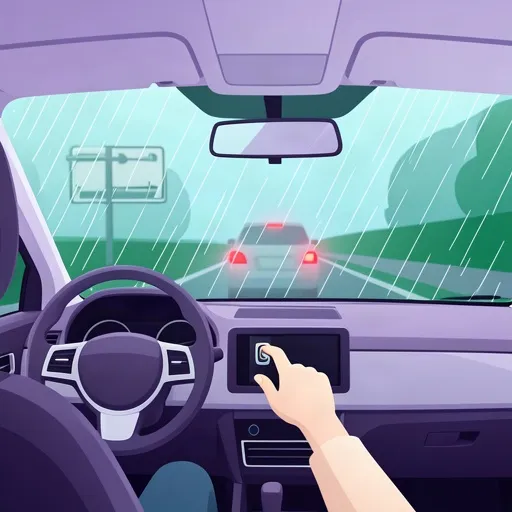
Learning to operate your vehicle's lighting and climate control systems correctly is a fundamental requirement of the RSA Rules of the Road. This guide details the specific conditions under which you must use dipped headlights, fog lamps, and demisters to ensure you remain visible to others and maintain a clear view of the road ahead. Proper use of these features is not only critical for your safety but also a common topic tested in the Irish Driver Theory Test.
Updated on Aug 27, 2026
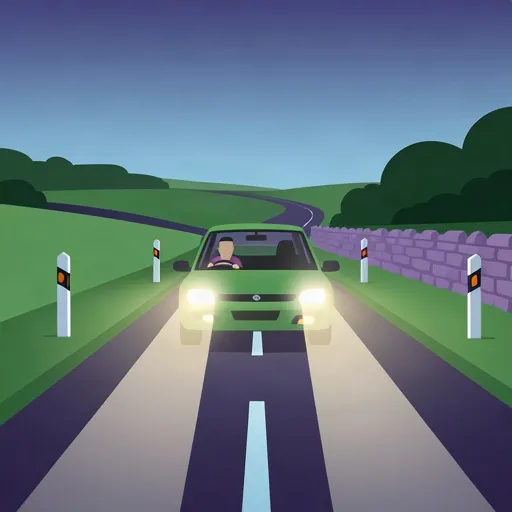
Driving on dark, rural roads in Ireland requires a heightened sense of awareness and strict adherence to RSA lighting standards. This guide explains how to appropriately use your headlights to maximize visibility and how to adjust your speed to remain within your safe stopping distance. Mastering these techniques is essential for both your practical safety and for correctly answering hazard perception questions in your theory exam.
Updated on Aug 26, 2026
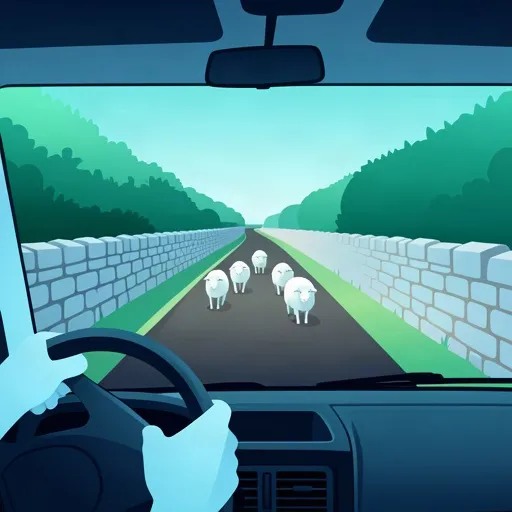
Driving after dark in rural Ireland requires heightened awareness and adherence to specific safety rules found in the RSA’s Rules of the Road. This guide explains how to identify potential hazards like livestock and vulnerable road users, while offering practical advice on managing your vehicle’s lighting for maximum visibility and safety. Mastering these techniques is vital for both your practical driving skills and your performance in the Driver Theory Test.
Updated on Aug 26, 2026
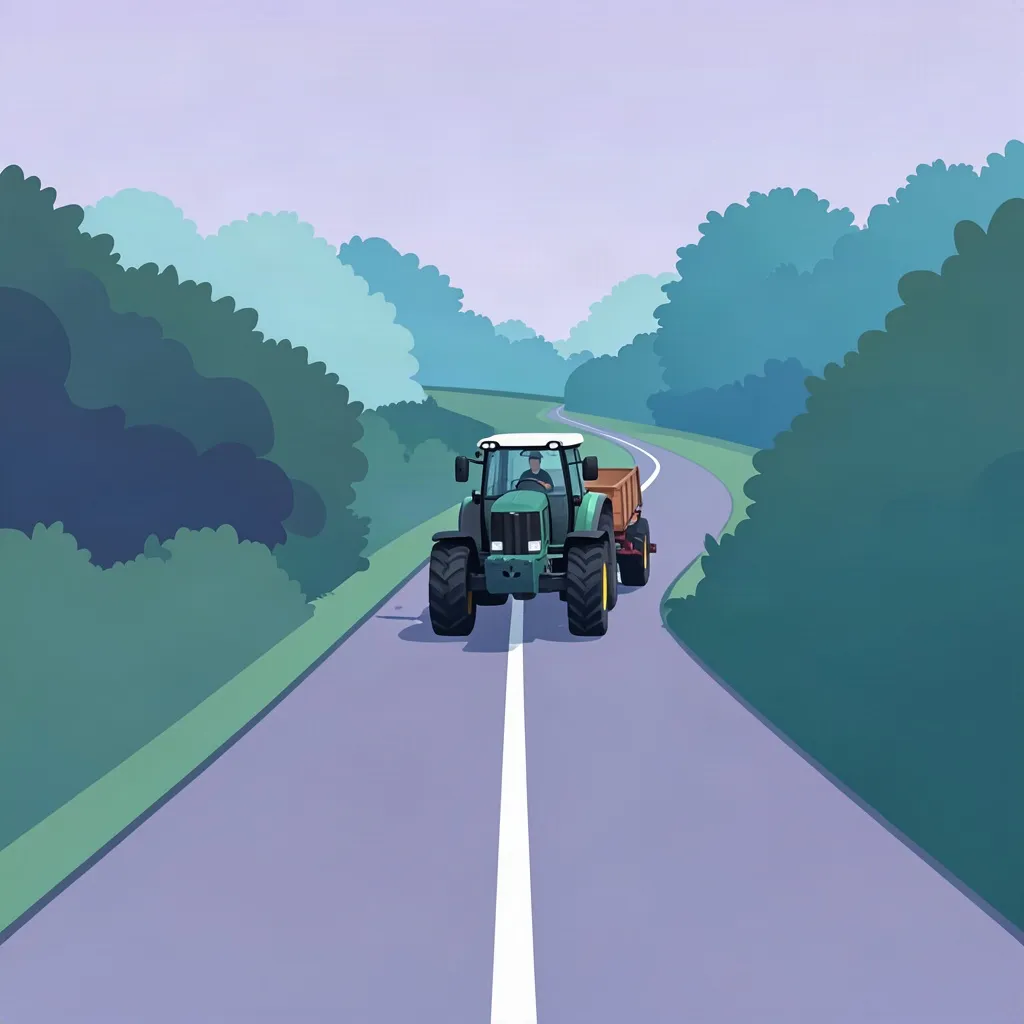
Learners often misunderstand that the posted speed limit represents the maximum speed under ideal conditions, not a mandate to travel at that pace regardless of the environment. This guide explains how to identify hidden dangers on rural routes and why you must always maintain a speed that allows you to stop within the distance you can see to be clear. Mastering this concept is vital for the RSA theory exam and your lifelong safety as a driver.
Updated on Aug 23, 2026

Proper use of your vehicle's lighting is a core requirement for both safety and legal compliance on Irish roads. This guide clarifies when to use dipped headlights versus fog lamps, helping you avoid common exam traps and ensuring you understand how to prevent dazzling other road users in varying conditions.
Updated on Jul 16, 2026

As autumn arrives in Ireland, drivers face unique challenges like reduced visibility from a low sun and treacherous road conditions due to wet leaves. This article explains these hazards and how they relate to the official Irish Rules of the Road, preparing you for safe driving and the Driver Theory Test. Learn essential techniques to navigate these seasonal dangers effectively and maintain control of your vehicle.
Updated on Jul 8, 2026

Driving in Ireland presents unique challenges during rainy weather, significantly impacting visibility and increasing the risk of aquaplaning. This guide explains these dangers and offers practical advice directly relevant to the Rules of the Road and your preparation for the Irish Driver Theory Test. Learn how to maintain control and stay safe on wet surfaces.
Updated on Jul 8, 2026
Learner drivers in Ireland often underestimate the dangers of wet weather on stopping distances. This article, based on RSA guidance, will clarify why wet roads drastically increase the distance it takes to stop your vehicle. You will learn to accurately calculate and anticipate longer stopping distances, a critical skill for both road safety and your Driver Theory Test.
Updated on Jul 8, 2026

Driving in Ireland presents unique challenges during periods of heavy rain and surface water. This article delves into the specific advice from the Road Safety Authority (RSA) and the Rules of the Road concerning reduced visibility, hydroplaning risks, and the importance of increased stopping distances. It prepares you for the Driver Theory Test by clarifying essential safety practices and legal considerations for wet conditions.
Updated on Jul 8, 2026
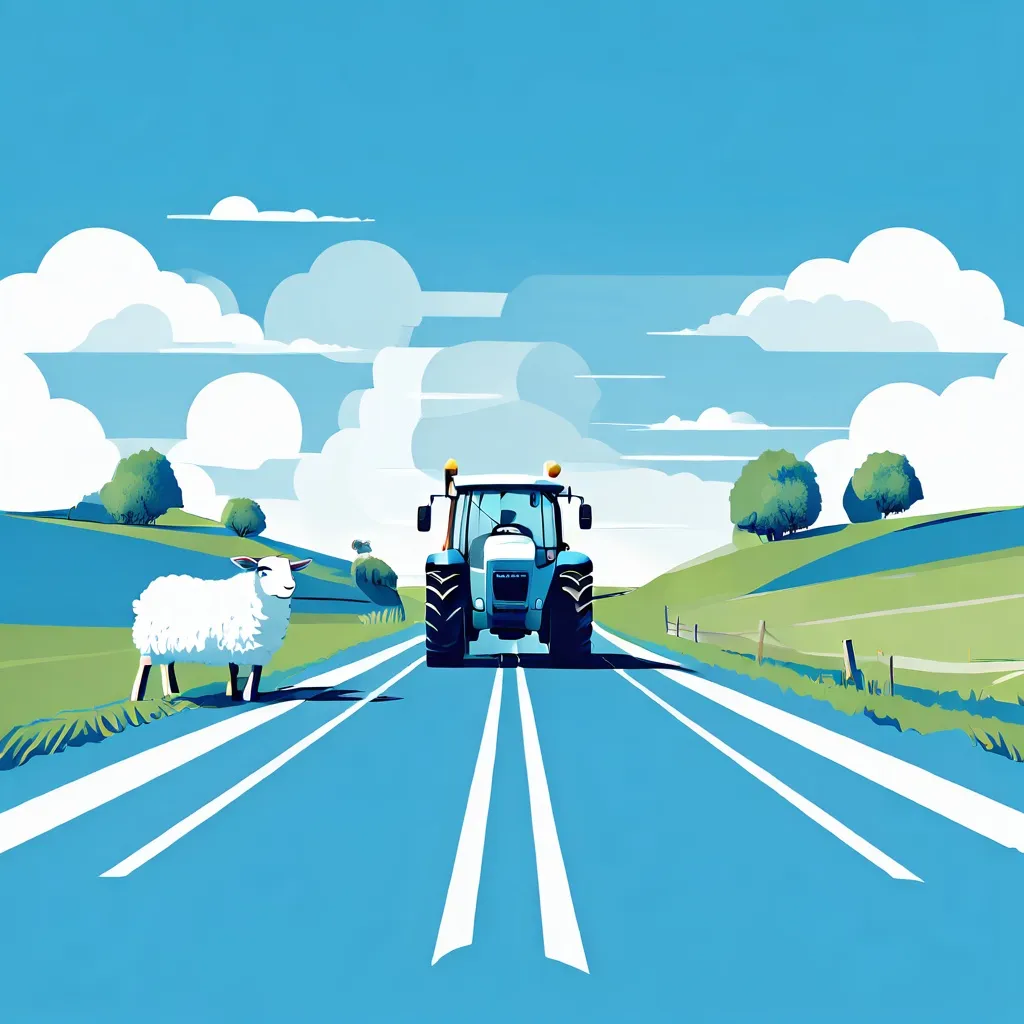
Driving on Ireland's rural roads presents unique challenges, from slow-moving tractors and unpredictable livestock to unseen bends. This guide explains how to anticipate and safely manage these hazards, aligning with RSA guidelines and the Driver Theory Test curriculum. Prepare yourself by learning the specific skills needed to navigate these complex environments safely and confidently.
Updated on Jul 8, 2026

Driving in Ireland requires constant awareness of road conditions, especially when wet. This article breaks down how wet surfaces affect your vehicle's total stopping distance, covering perception, reaction, and braking times. Familiarise yourself with the RSA's guidance to ensure you maintain safe distances and pass your Driver Theory Test.
Updated on Jul 8, 2026
Discover other categories connected to Irish Weather & Country Road Driving. These sections help you explore additional topics, expand your understanding of driving theory in Irish, and build a more complete picture of the rules and situations tested during the exam.
Find answers to common questions learners ask about Irish Weather & Country Road Driving. This section helps clarify difficult concepts, highlight critical exam information, and support your preparation for the Irish driving theory exam in Ireland.
The most important rule for driving in heavy rain in Ireland is to significantly reduce your speed. This allows you to increase your stopping distance, manage the risk of aquaplaning, and maintain better control of your vehicle. Always ensure you can stop within the distance you can see to be clear.
In Ireland, front and rear fog lights should only be used when visibility is seriously reduced, typically when you cannot see more than 100 metres ahead. Always switch them off immediately once visibility improves to avoid dazzling other drivers.
On rural Irish roads, be vigilant for hazards such as tractors and other slow-moving farm machinery, animals (like sheep or cattle) that might stray onto the road, cyclists, pedestrians, blind bends, and narrow road edges. Always anticipate potential dangers and adjust your speed accordingly.
Darkness significantly reduces your field of vision and your ability to judge speed and distance. You must rely more on your headlights, be extra alert for hazards, and be aware of unlit road users like cyclists or pedestrians. Ensure your headlights are correctly aimed and clean.
The Driver Theory Test in Ireland includes questions on hazard perception and safe driving practices relevant to adverse weather and rural conditions. Understanding these topics is crucial for passing the test and for developing safe driving habits on Irish roads.
Start your structured learning journey by diving into our comprehensive article categories. Each section covers vital information, from traffic signs to hazard awareness, helping you build a solid foundation for the official Irish Driver Theory Test and confident driving.
Browse Theory Article Categories