
Prepare for the Dutch driving theory exam by practicing how to respond to hazards in rain, fog, snow, and darkness. This set covers crucial topics like hydroplaning, slippery road surfaces, and adjusting your driving for reduced visibility, ensuring you understand CBR safety standards.
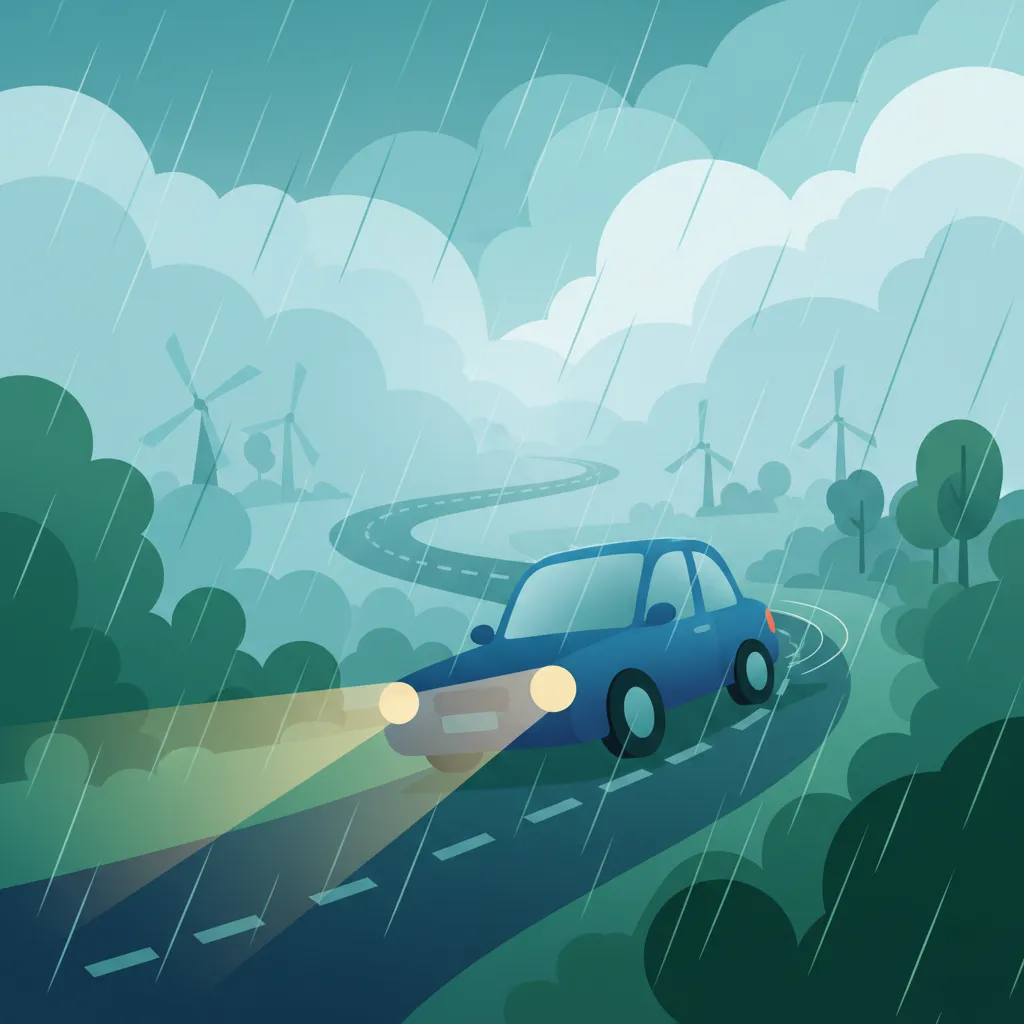
This practice set helps you revise critical hazard perception skills for driving in poor weather and low visibility, essential for your Dutch driving theory exam. Master scenarios involving hydroplaning, fog, and slippery roads to understand official traffic rules. This comprehensive driving theory practice will boost your confidence and readiness for the exam.
Navigate through various scenarios that highlight increased risks during adverse weather and low visibility. Learn how to effectively manage situations involving hydroplaning, reduced sight distance, and slippery roads, all vital for the Dutch driving theory exam.
Preview sample questions from the Poor Weather & Visibility practice set to see how they help you prepare for the driving theory exam in the Netherlands.
Learners choose Poor Weather & Visibility to improve accuracy and understanding of key exam themes in the Netherlands. It offers realistic driving theory questions and targeted revision for effective preparation.
Find answers to the most common queries learners have when practising Poor Weather & Visibility, including how questions match the official theory exam in the Netherlands, how scoring works, and how this practice improves exam readiness.
Heavy rain increases the risk of hydroplaning, where your tires lose contact with the road due to water buildup. It also makes roads very slippery, especially after a dry period when oil and dirt mix with water, significantly extending braking distances.
According to Dutch rules, you should use front fog lights if visibility is less than 200 metres due to mist, fog, rain, or snow. Rear fog lights should only be used if visibility drops below 50 metres, as they can dazzle other drivers.
If your car starts to hydroplane, slowly release the accelerator and engage the clutch. Keep your eyes on the direction you want to drive. Do not brake or steer sharply until your vehicle regains traction with the road surface.
Yes, braking distance increases considerably in poor weather. On wet roads, it can be at least double compared to dry conditions. On icy or snow-covered roads, it can be even longer, requiring significant speed reduction and increased following distance.
In misty or foggy conditions, reduce your speed by half and double your following distance. Avoid sudden braking; releasing the accelerator smoothly is usually safer. Use front fog lights if visibility is below 200 metres, and rear fog lights if below 50 metres.
By completing Poor Weather & Visibility, you will gain stronger rule knowledge, faster recognition of signs and situations, better decision making in traffic scenarios, and increased accuracy on exam style questions used in the Netherlands. These outcomes directly support higher scoring exam performance.
Continuing with related practice questions strengthens your hazard perception skills across various conditions. This comprehensive approach ensures robust preparation for the Dutch driving theory exam and builds confidence in applying traffic rules.
Drive Safely Through the Haze: Essential Rules for Foggy Conditions
Drive Safely: Mastering Speed Adaptation for Challenging Dutch Road Conditions
Master the Road After Dark: Crucial Skills for Your Dutch Driving Theory Exam
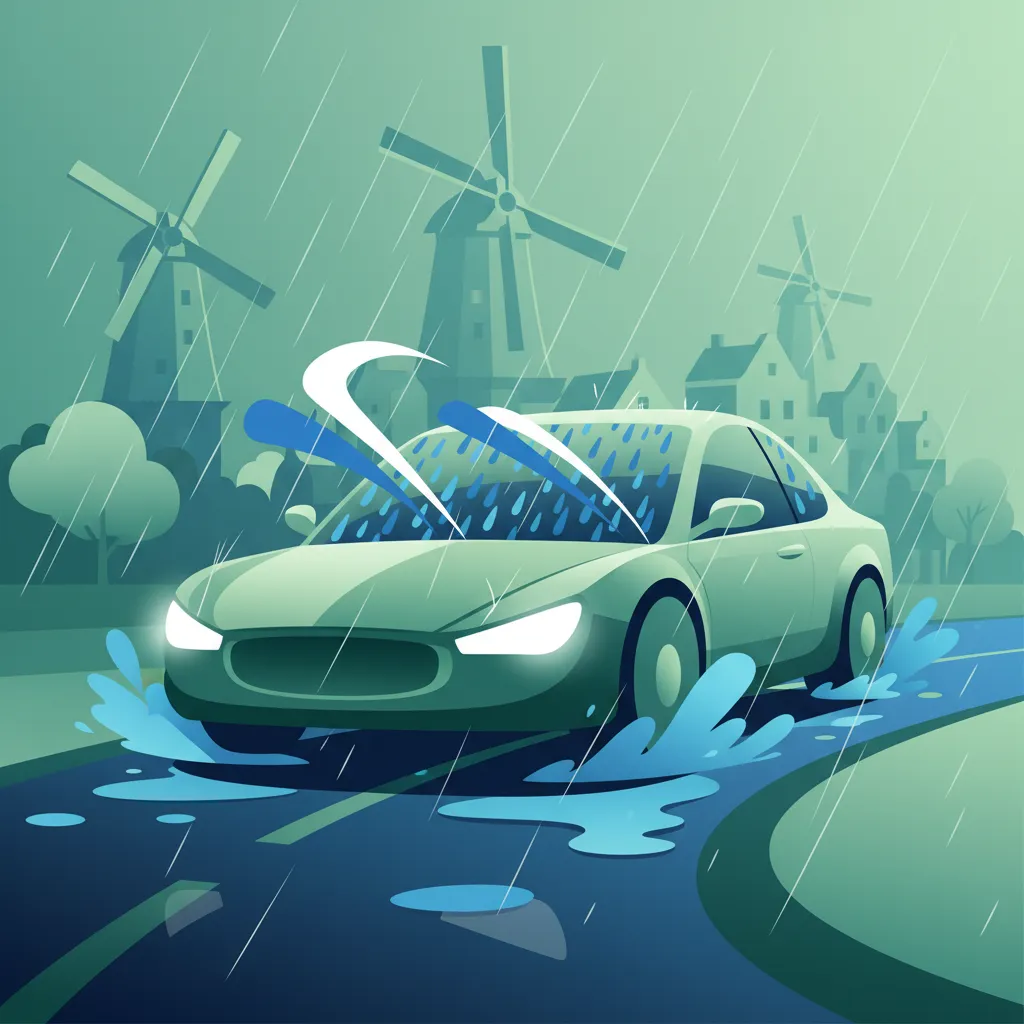
Master Wet Weather Driving Skills & Avoid Aquaplaning for Your CBR Exam
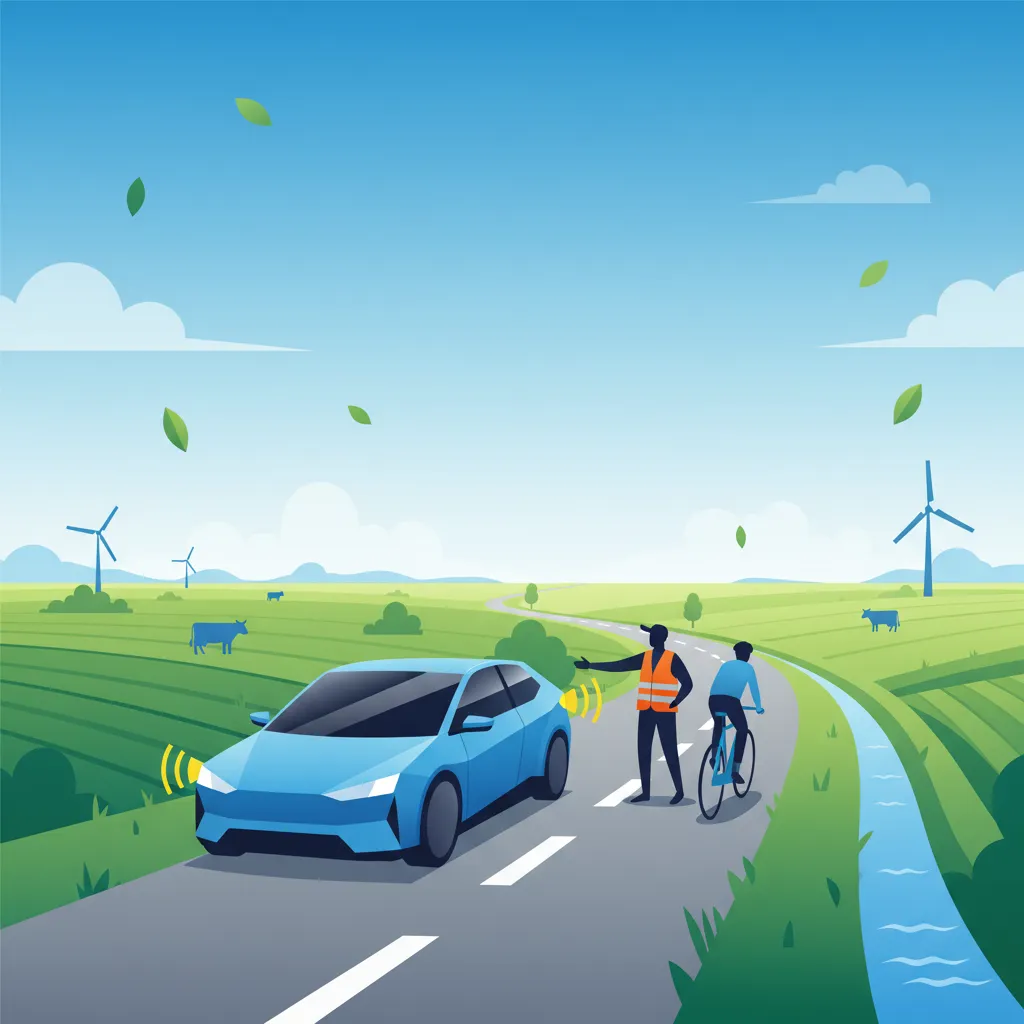
Master emergency procedures to stay safe and pass your Dutch driving theory exam.
Master challenging weather conditions for a safer ride and a passing score.
Questions in Poor Weather & Visibility
Exam focused questionss
Poor Weather & Visibility offers quick, focused exam style practice to boost your Dutch knowledge for the driving theory exam in the Netherlands.
Poor Weather & Visibility helps learners in the Netherlands with clear explanations and targeted Dutch practice to improve essential driving theory topics.
This practice set is ideal for intermediate learners preparing for the Dutch driving theory exam. If you struggle with anticipating risks in bad weather, misjudge appropriate speeds, or are unsure about fog light usage, this set will help solidify your understanding and improve your hazard perception skills for the CBR test.
Explore more topics for the Dutch driving theory exam in the Netherlands.
Select a practice category from the list to begin targeted revision for your Dutch driving theory exam. Whether it's road signs, traffic rules, or specific maneuvers, you can focus on improving your understanding and boosting your confidence for the official CBR test.
Practice Categories Overview