
Enhance your hazard perception skills for pedestrians with this practice set from Dutch Driving License Theory. You'll tackle scenarios involving children near roads, hidden pedestrians behind parked vehicles, and low-visibility situations at night. This practice is essential to improve your anticipation and ensure you pass the official CBR driving theory exam in the Netherlands.
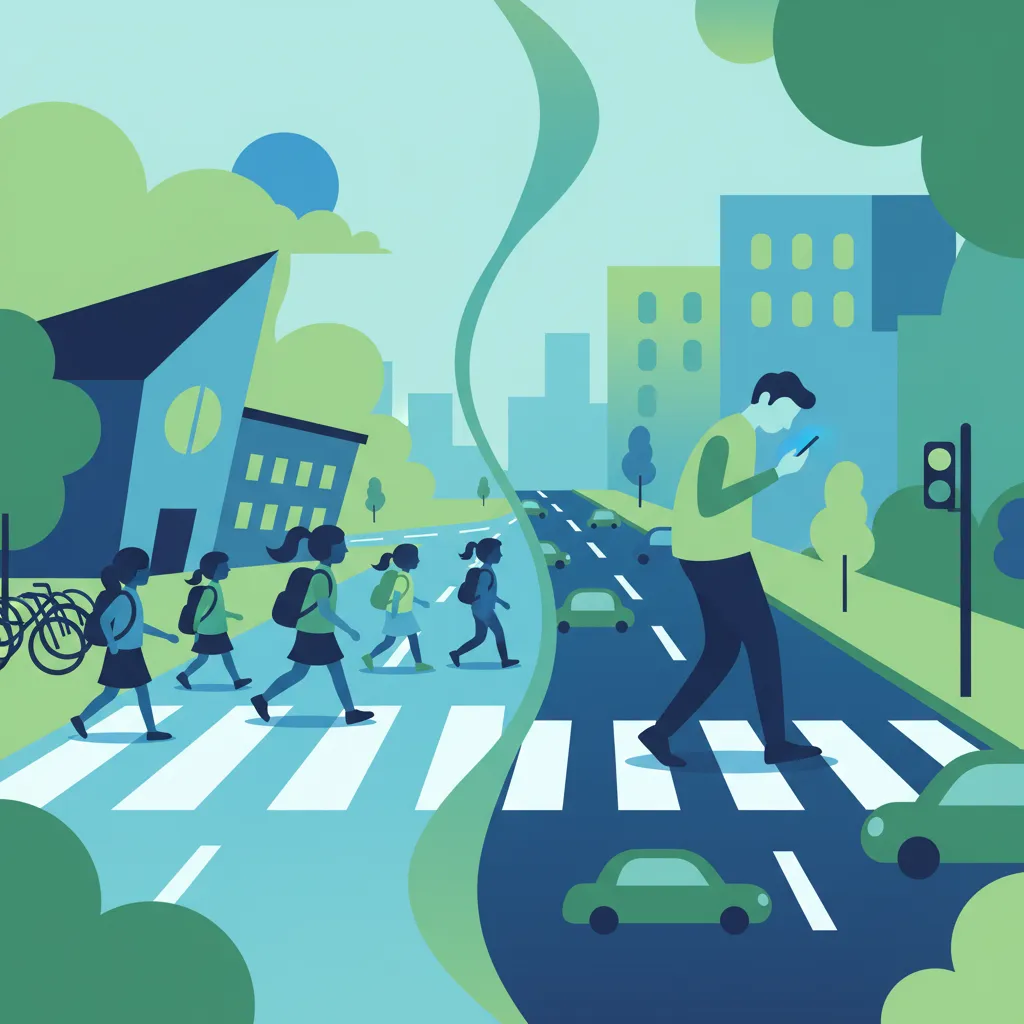
This essential practice set strengthens your ability to identify and react to pedestrian risks in Dutch traffic, crucial for safe driving. By tackling various scenarios, you'll improve your hazard perception skills and confidently prepare for the Dutch driving theory exam. Start your driving theory practice now to meet all CBR standards.
This set covers critical scenarios where pedestrians can pose a risk, including school areas, zebra crossings, and situations where they might be hidden or distracted. Develop your ability to react safely and prevent accidents by understanding vulnerable road user behavior for the Dutch driving theory exam.
Preview sample questions from the Pedestrian Hazards practice set to see how they help you prepare for the driving theory exam in the Netherlands.
Learners choose Pedestrian Hazards to improve accuracy and understanding of key exam themes in the Netherlands. It offers realistic driving theory questions and targeted revision for effective preparation.
Find answers to the most common queries learners have when practising Pedestrian Hazards, including how questions match the official theory exam in the Netherlands, how scoring works, and how this practice improves exam readiness.
Pedestrian hazard perception involves actively observing, recognising, and predicting potential dangers involving pedestrians on or near the road. It helps you anticipate their movements and react safely, preventing accidents.
Children often have less awareness of traffic risks and can act unpredictably, playing on pavements, hiding between cars, or crossing without looking. Drivers must always be extra cautious around them and reduce speed.
At a zebra crossing (pedestrian crossing), you must give way to pedestrians who are crossing or intend to cross. Make it clear you plan to stop by releasing the gas and braking lightly, signalling your intention to traffic behind you.
In darkness, pedestrians are very difficult to see. Adjust your speed, use appropriate lighting, and anticipate the presence of pedestrians, especially on unlit roads without footpaths. Stay closer to the middle of the road if safe, to protect pedestrians on the side.
Always look carefully between and under parked cars to spot any signs of pedestrians, especially children, who might suddenly step into the road. Reduce your speed in residential areas with parked cars.
By completing Pedestrian Hazards, you will gain stronger rule knowledge, faster recognition of signs and situations, better decision making in traffic scenarios, and increased accuracy on exam style questions used in the Netherlands. These outcomes directly support higher scoring exam performance.
Exploring related practice questions helps reinforce your understanding of vulnerable road users and various traffic scenarios involving pedestrians. This structured topic revision ensures comprehensive exam preparation for your Dutch driving theory test.
Master Urban Hazards: Anticipate Risks and React Safely in City Traffic.
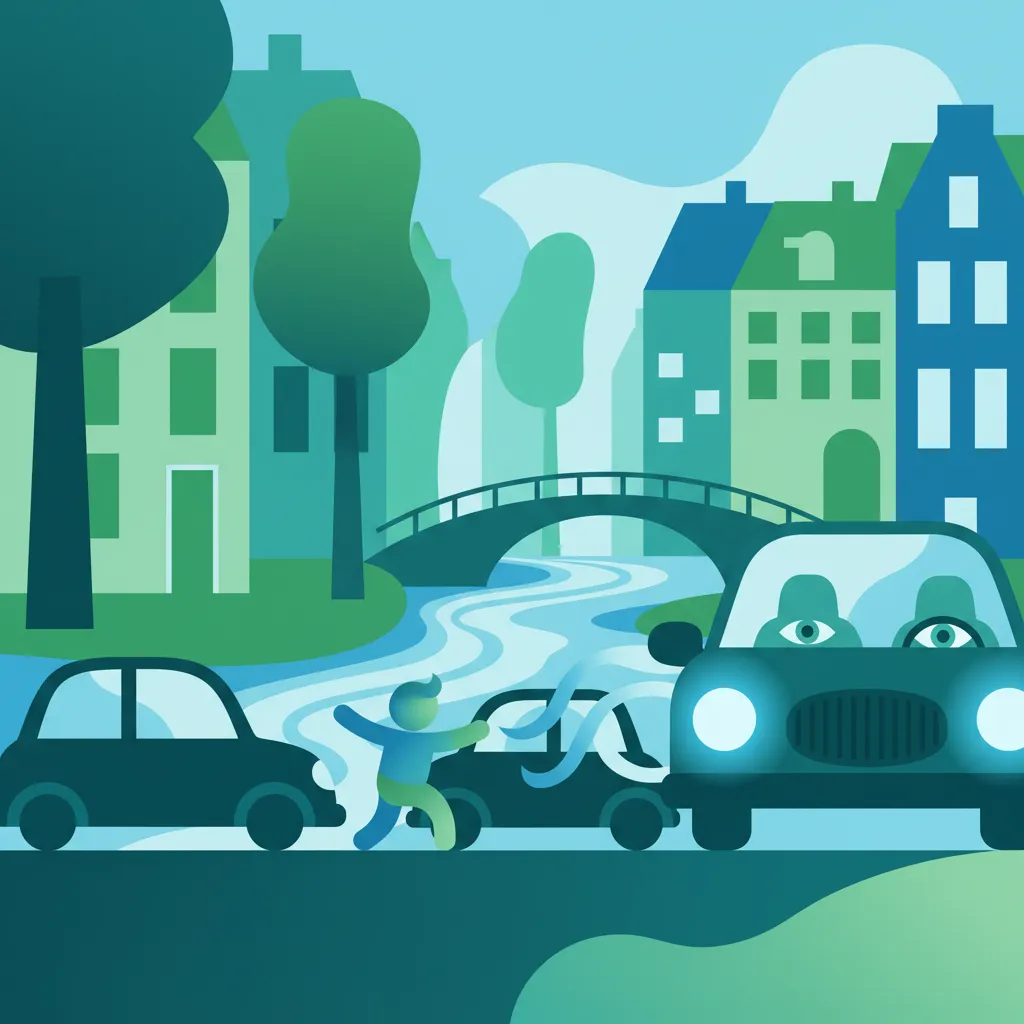
Master Vigilance: Protecting Our Most Vulnerable Road Users
Sharpen your skills in spotting vulnerable road users to ace your Dutch theory exam.
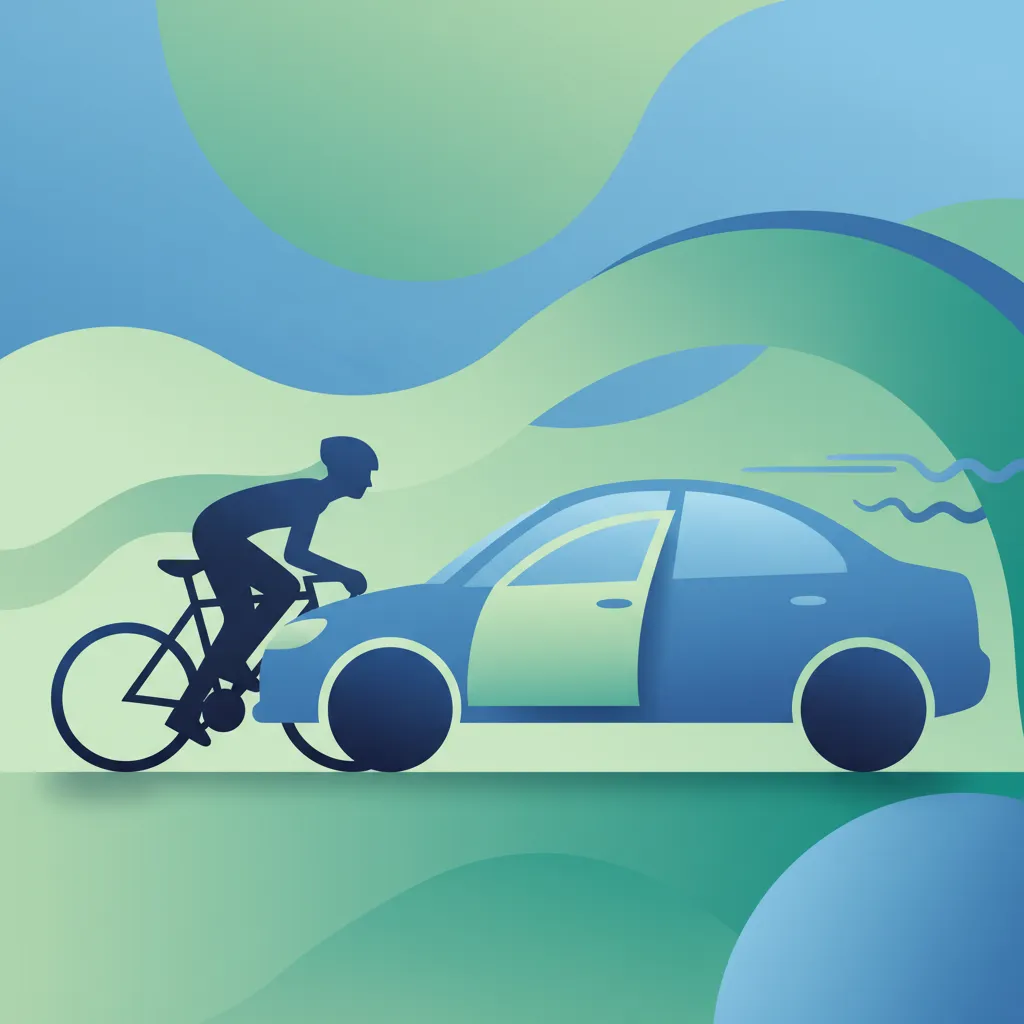
Master Cyclist Hazard Recognition for Your Dutch Driving Exam.
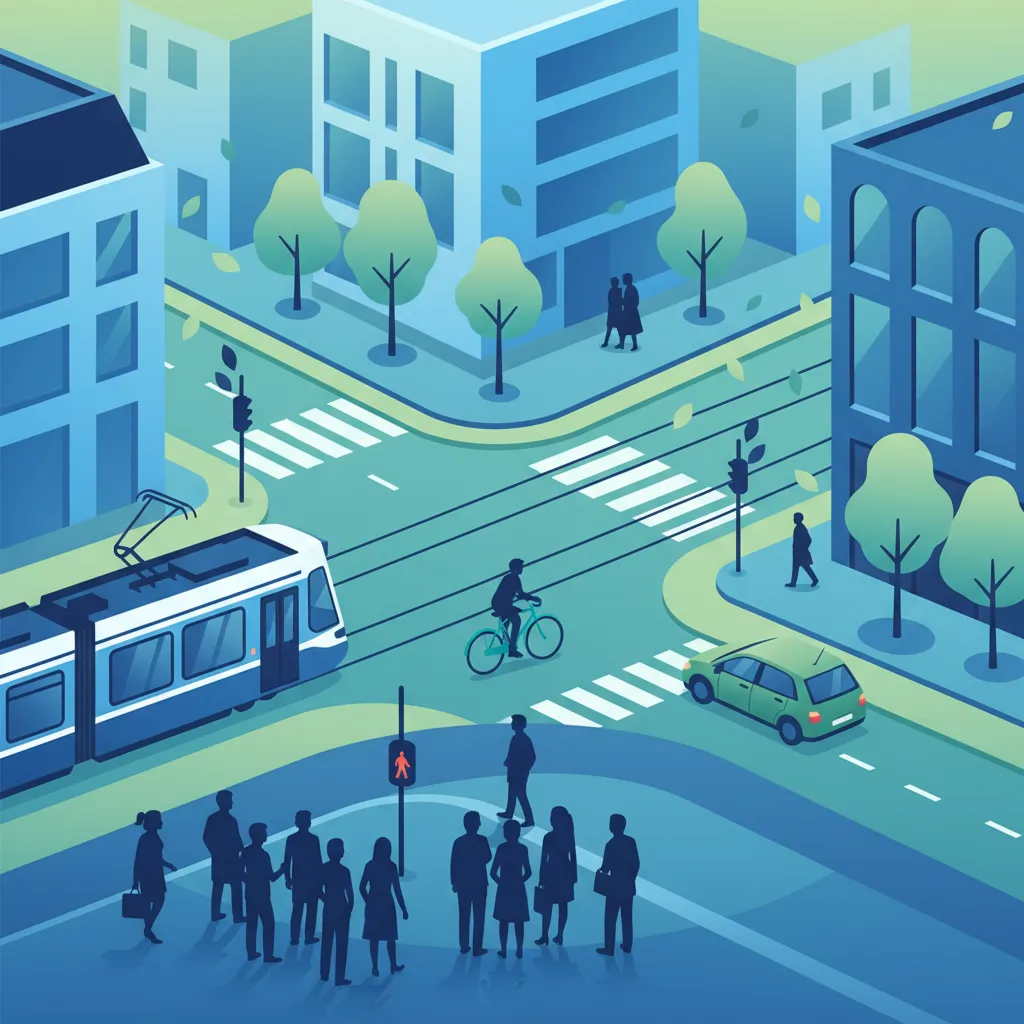
Master pedestrian priority to navigate Dutch intersections safely and pass your CBR exam.
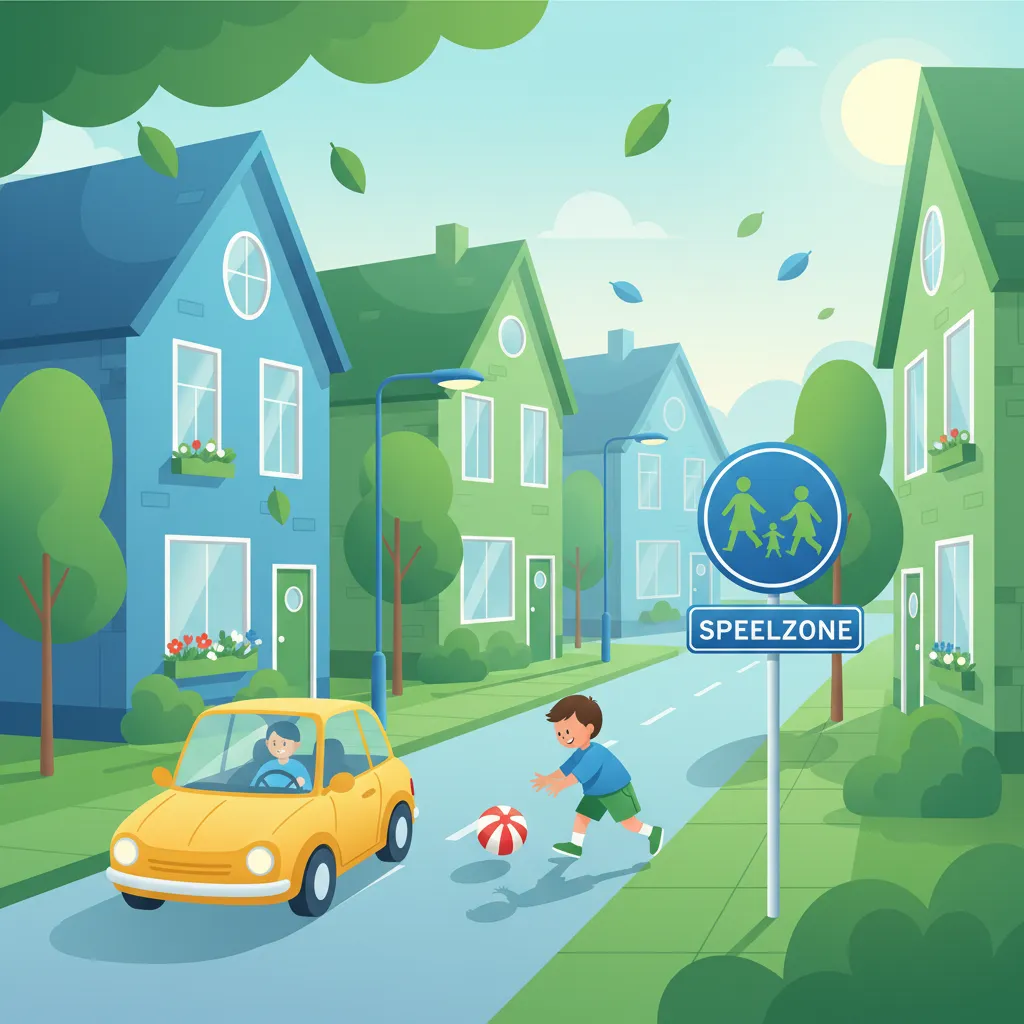
Mastering Safe Driving Where Children Play and Residents Live
Questions in Pedestrian Hazards
Exam focused questionss
Pedestrian Hazards offers quick, focused exam style practice to boost your Dutch knowledge for the driving theory exam in the Netherlands.
Pedestrian Hazards helps learners in the Netherlands with clear explanations and targeted Dutch practice to improve essential driving theory topics.
This practice set is ideal for beginners and intermediate learners preparing for the Dutch driving theory exam. It addresses common challenges in perceiving vulnerable road users and helps build the necessary anticipation skills to avoid dangerous situations, ensuring you are well-prepared for real-world driving and the CBR test.
Explore more topics for the Dutch driving theory exam in the Netherlands.
Select a practice category from the list to begin targeted revision for your Dutch driving theory exam. Whether it's road signs, traffic rules, or specific maneuvers, you can focus on improving your understanding and boosting your confidence for the official CBR test.
Practice Categories Overview