
This practice set helps you master forbidden parking and stopping rules essential for the Dutch driving license theory exam. Understand where you absolutely cannot stop or park, including bus stops, cycle lanes, and yellow-marked areas. Prepare for CBR-like scenarios and confidently navigate Dutch traffic regulations, ensuring safety for all road users.
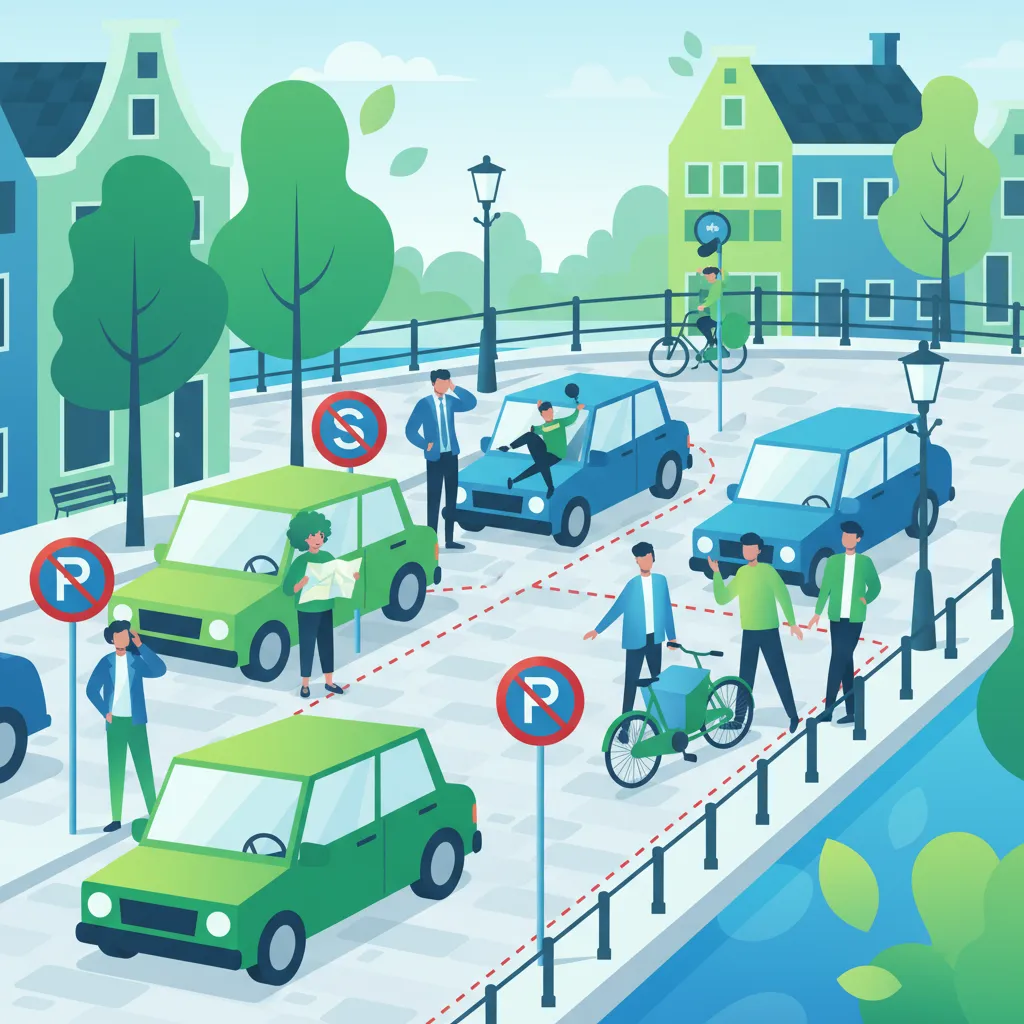
Navigate the complexities of Dutch parking and stopping regulations with this focused practice set. It covers essential rules for various situations, from urban intersections to special zones, helping you understand crucial restrictions and improve your exam readiness.
Navigate the complexities of Dutch parking and stopping regulations with this focused practice set. It covers essential rules for various situations, from urban intersections to special zones, helping you understand crucial restrictions and improve your exam readiness.
Preview sample questions from the Prohibited Parking practice set to see how they help you prepare for the driving theory exam in the Netherlands.
Learners choose Prohibited Parking to improve accuracy and understanding of key exam themes in the Netherlands. It offers realistic driving theory questions and targeted revision for effective preparation.
Find answers to the most common queries learners have when practising Prohibited Parking, including how questions match the official theory exam in the Netherlands, how scoring works, and how this practice improves exam readiness.
Stopping is a brief halt to let passengers in/out or load/unload goods, while parking is leaving your vehicle for a longer period. Both have specific rules, and some areas strictly prohibit one or both.
Parking is prohibited in front of entrances/exits, within five meters of an intersection, on continuous yellow lines, and where parking signs explicitly forbid it (like the E-1 sign).
Yes, you are allowed to stop at a bus stop briefly to pick up or drop off passengers, but parking there for a longer duration is strictly forbidden to ensure public transport flow.
A solid yellow line means both stopping and parking are completely prohibited, even momentarily. It signifies areas where any halt would cause a hazard or obstruction to traffic or access.
No, parking and stopping are prohibited on a cycle lane or on the carriageway directly next to a cycle lane, as this obstructs cyclists and creates danger for vulnerable road users.
A broken yellow line along the kerb prohibits parking, but allows for brief stopping to pick up or drop off passengers or to load/unload goods. This is a key distinction from a solid yellow line.
By completing Prohibited Parking, you will gain stronger rule knowledge, faster recognition of signs and situations, better decision making in traffic scenarios, and increased accuracy on exam style questions used in the Netherlands. These outcomes directly support higher scoring exam performance.
Continuing with related practice questions helps reinforce your understanding of Dutch traffic rules for parking and stopping. These additional topic revision sets provide diverse scenarios crucial for your theory test practice and overall exam preparation, ensuring no detail is overlooked.
Master Dutch Parking Distances: Prevent Hazards and Pass Your Exam!

Know where and when you can briefly stop without breaking Dutch traffic rules.
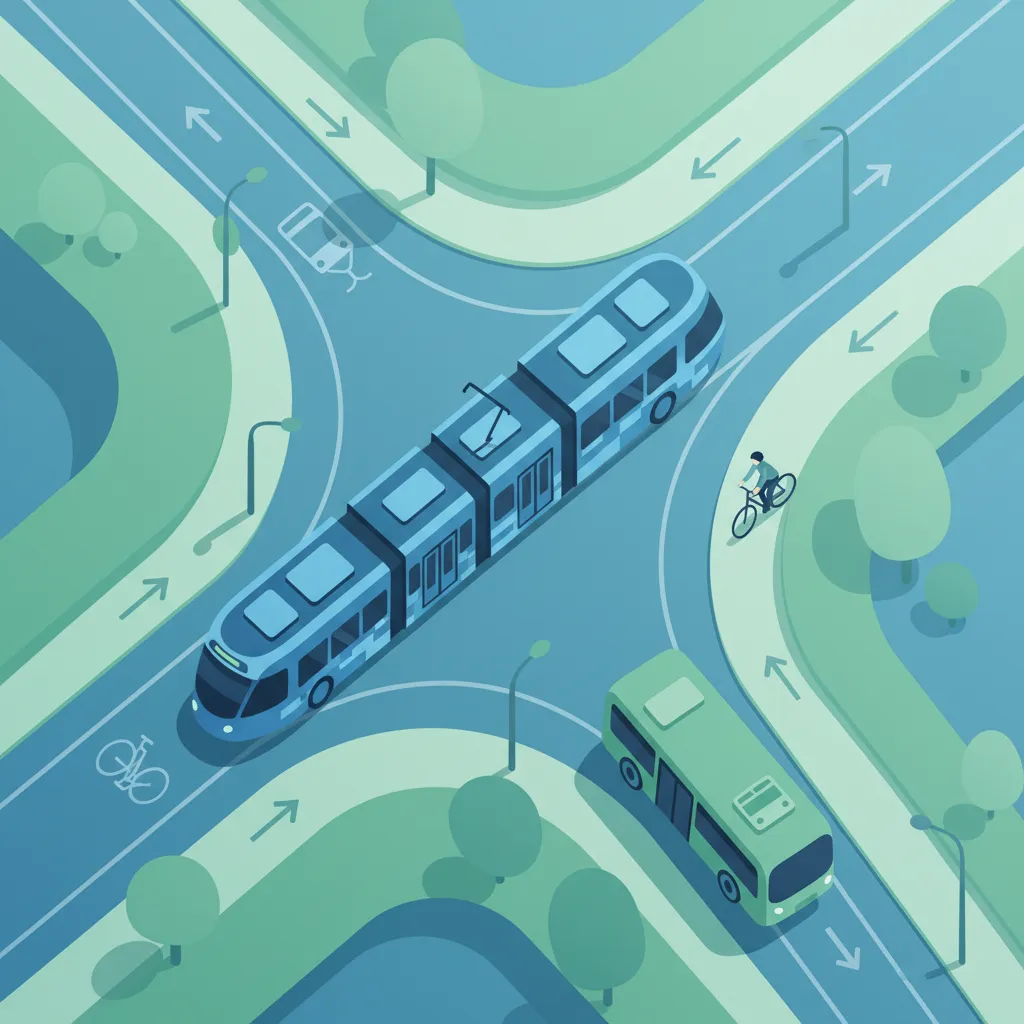
Master the Rules for Special Lanes and Avoid Costly Mistakes on Your Dutch Driving Exam.
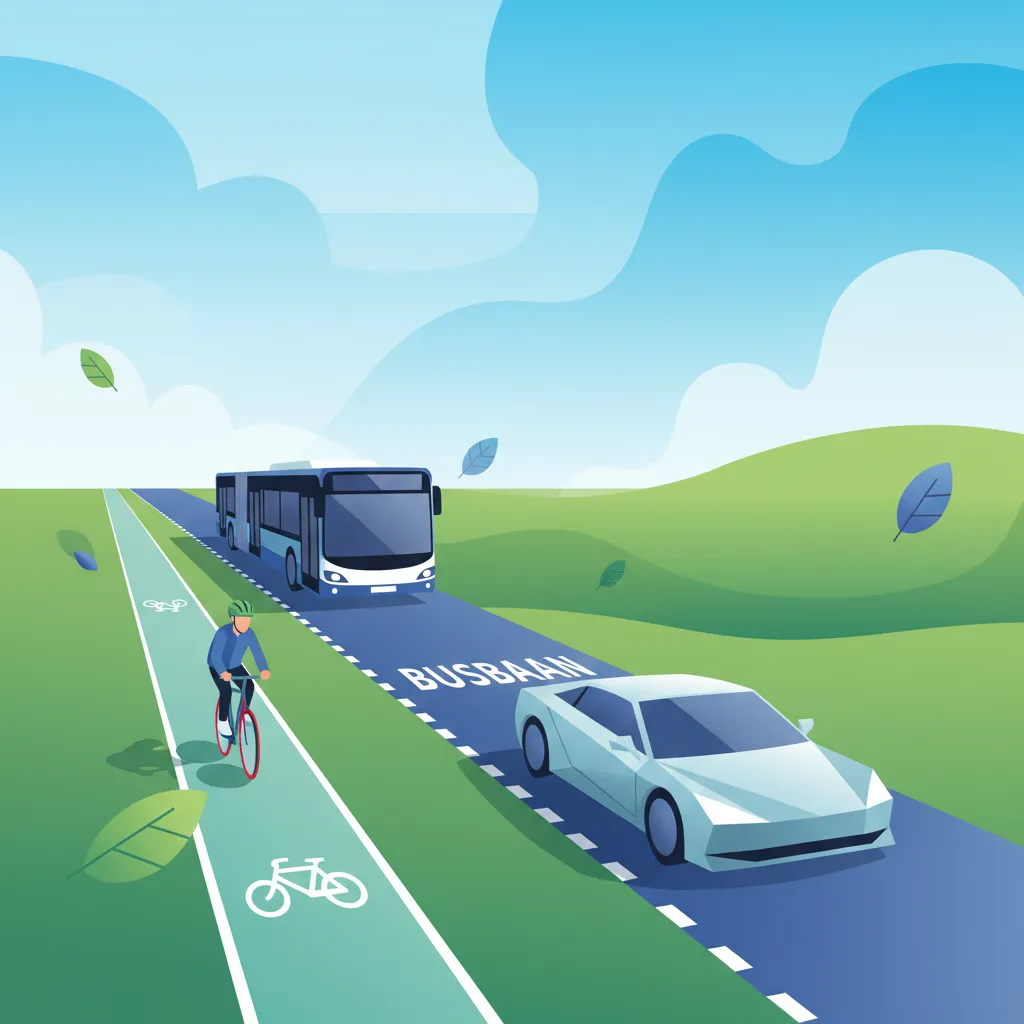
Master Dutch Bus and Bicycle Lane Rules for Your Theory Exam
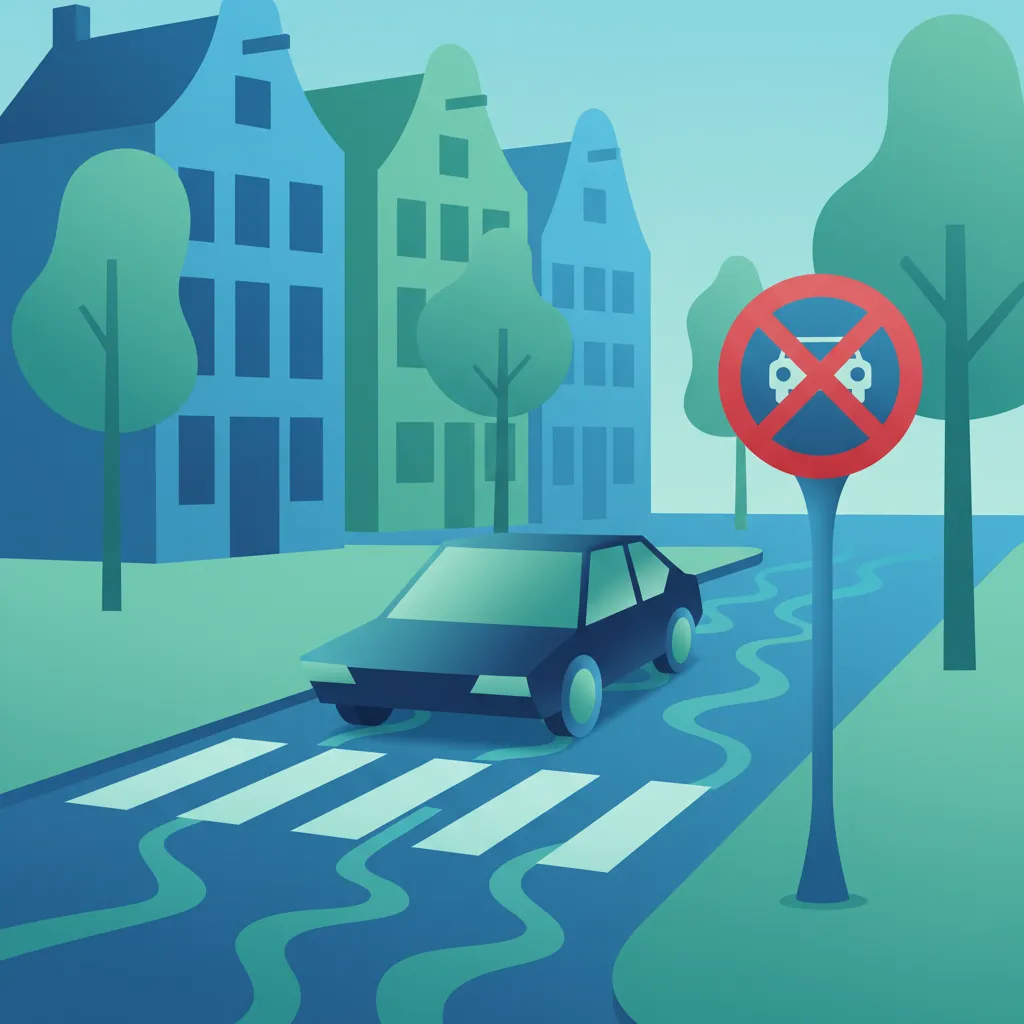
Master the rules for zigzag lines and critical no stopping zones to boost your exam score.
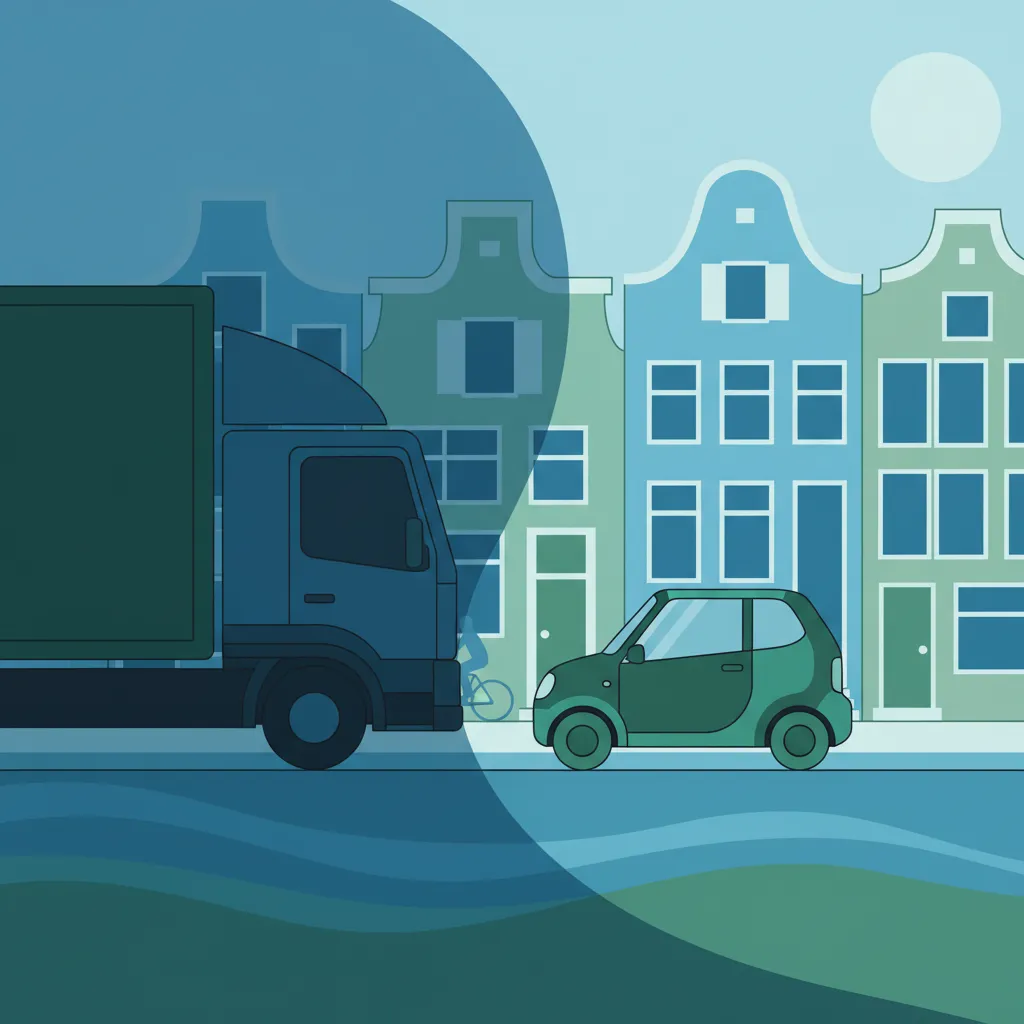
Don't let blind spots cause parking fines or worse. Master visibility rules.
Questions in Prohibited Parking
Exam focused questionss
Prohibited Parking offers quick, focused exam style practice to boost your Dutch knowledge for the driving theory exam in the Netherlands.
Prohibited Parking helps learners in the Netherlands with clear explanations and targeted Dutch practice to improve essential driving theory topics.
This set is for intermediate learners preparing for the Dutch driving theory exam who often confuse parking and stopping rules or struggle with specific forbidden zones. It's also great for beginners wanting a solid foundation in Dutch parking regulations, ensuring you avoid common mistakes and confidently tackle related exam questions.
Explore more topics for the Dutch driving theory exam in the Netherlands.
Select a practice category from the list to begin targeted revision for your Dutch driving theory exam. Whether it's road signs, traffic rules, or specific maneuvers, you can focus on improving your understanding and boosting your confidence for the official CBR test.
Practice Categories Overview