
In the Netherlands, many urban areas feature shared spaces where drivers must safely interact with pedestrians and cyclists. This practice set helps you understand the specific responsibilities of drivers in these environments, focusing on observation, priority rules, and adjusting your speed. Prepare for your official Dutch driving theory exam by practising common scenarios and tricky situations related to shared urban zones.

This practice set helps you confidently revise essential rules for navigating shared urban spaces in the Netherlands. Master interactions with vulnerable road users, anticipate movements, and understand low-speed expectations. This crucial driving theory practice prepares you for specific scenarios on your Dutch driving theory exam.
Navigate challenging shared urban spaces with confidence. This set covers essential rules and best practices for interacting with vulnerable road users, emphasising low-speed expectations, anticipating movement, and clear communication to prepare you for the Dutch driving theory exam.
Preview sample questions from the Shared Urban Spaces practice set to see how they help you prepare for the driving theory exam in the Netherlands.
Learners choose Shared Urban Spaces to improve accuracy and understanding of key exam themes in the Netherlands. It offers realistic driving theory questions and targeted revision for effective preparation.
Find answers to the most common queries learners have when practising Shared Urban Spaces, including how questions match the official theory exam in the Netherlands, how scoring works, and how this practice improves exam readiness.
Shared urban spaces are areas in Dutch cities where cars, cyclists, and pedestrians share the same road surface with minimal or no physical separation. Drivers are expected to proceed with extreme caution and at very low speeds, prioritising vulnerable road users.
While specific pedestrian crossings (zebra crossings) grant clear priority, in general shared spaces, drivers must always be prepared to yield to pedestrians. The emphasis is on driver responsibility to anticipate movements and ensure the safety of pedestrians, even if there's no marked crossing.
The primary difference lies in the level of segregation and driver responsibility. Regular urban roads often have clear lanes, cycle paths, and pavements. Shared spaces intentionally blend these, requiring drivers to adopt a highly defensive approach, maintain very low speeds, and constantly anticipate unpredictable interactions with all road users.
Eye contact is crucial for non-verbal communication in shared spaces. It helps drivers, cyclists, and pedestrians confirm intentions and avoid misunderstandings. Making eye contact can signal your awareness and willingness to yield, helping to prevent accidents in unpredictable environments.
By completing Shared Urban Spaces, you will gain stronger rule knowledge, faster recognition of signs and situations, better decision making in traffic scenarios, and increased accuracy on exam style questions used in the Netherlands. These outcomes directly support higher scoring exam performance.
Further your Dutch driving theory test preparation by tackling related practice questions on urban environments. These sets offer varied scenarios to reinforce rules for vulnerable road users and enhance your exam preparation.
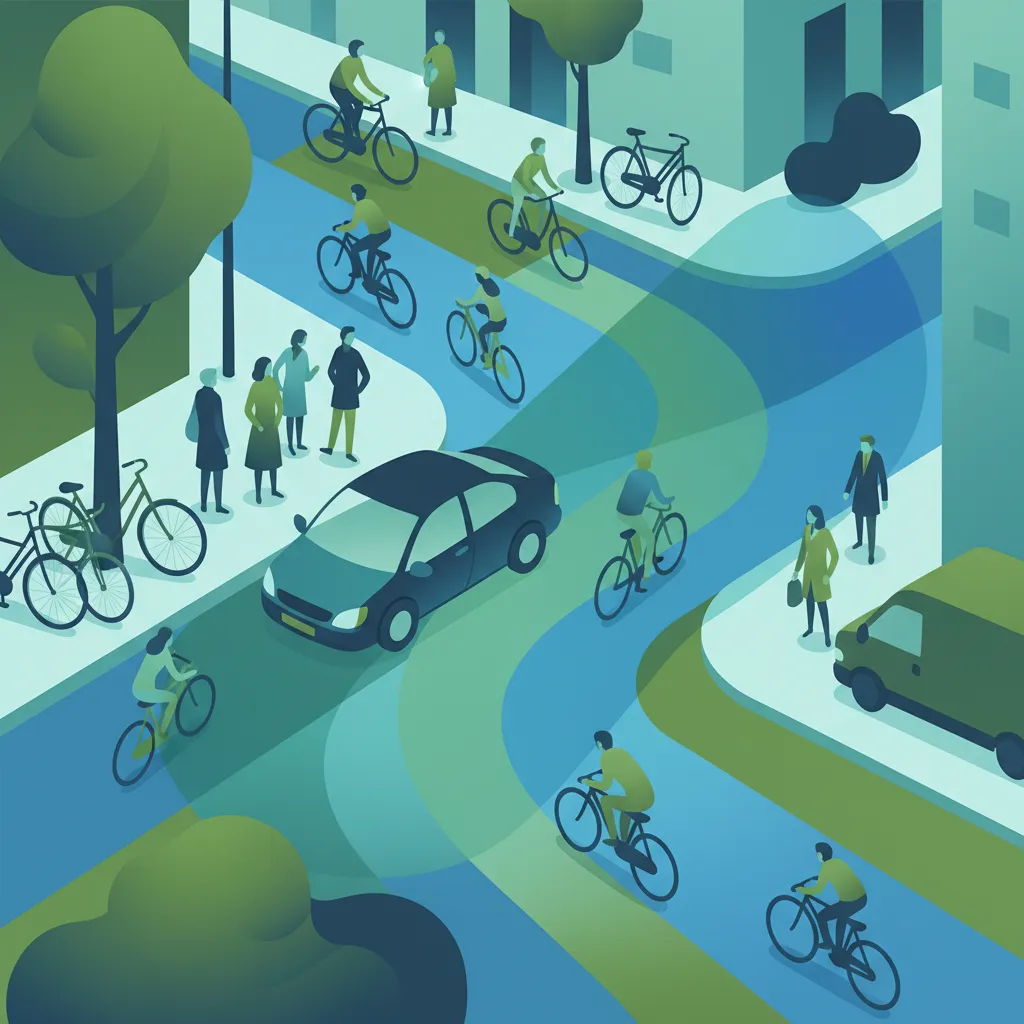
Master Urban Hazards: Anticipate Risks and React Safely in City Traffic.
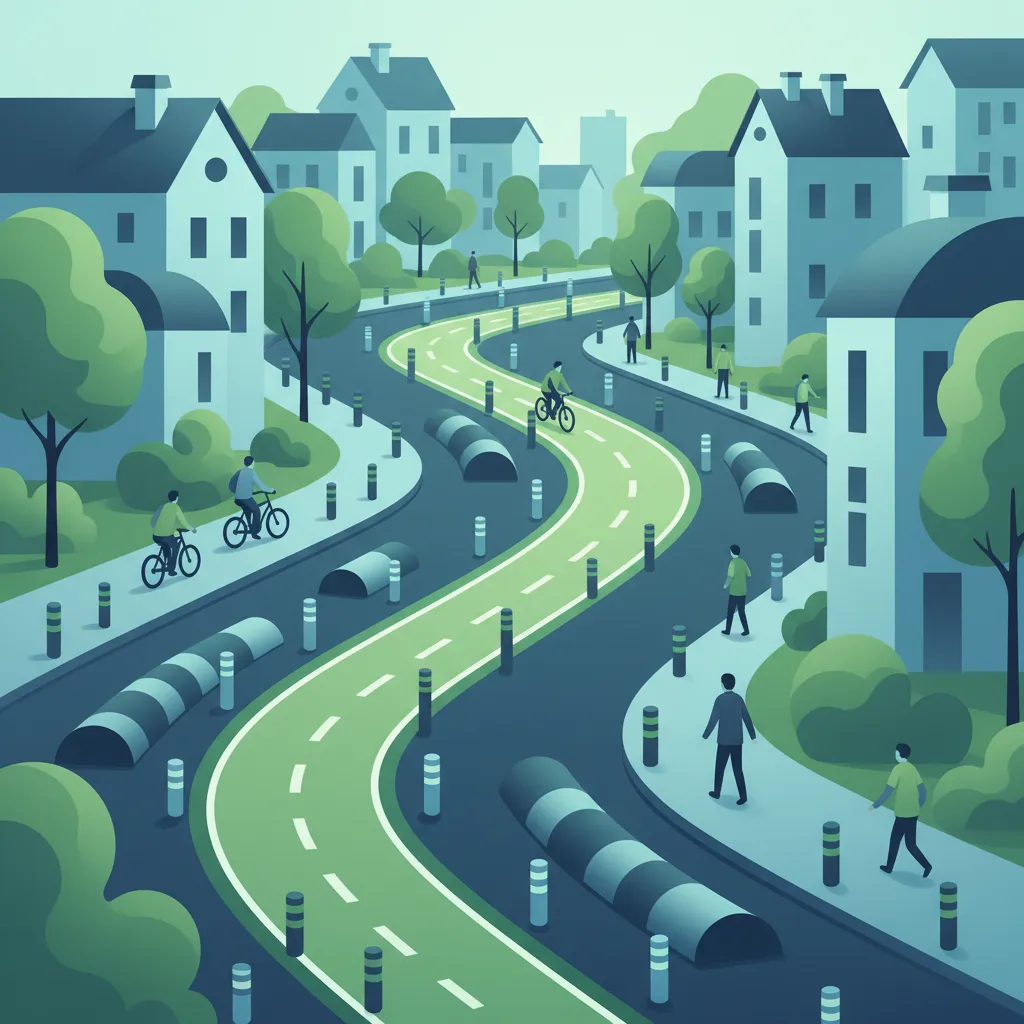
Master the rules for traffic calming zones and drive confidently through Dutch cities.
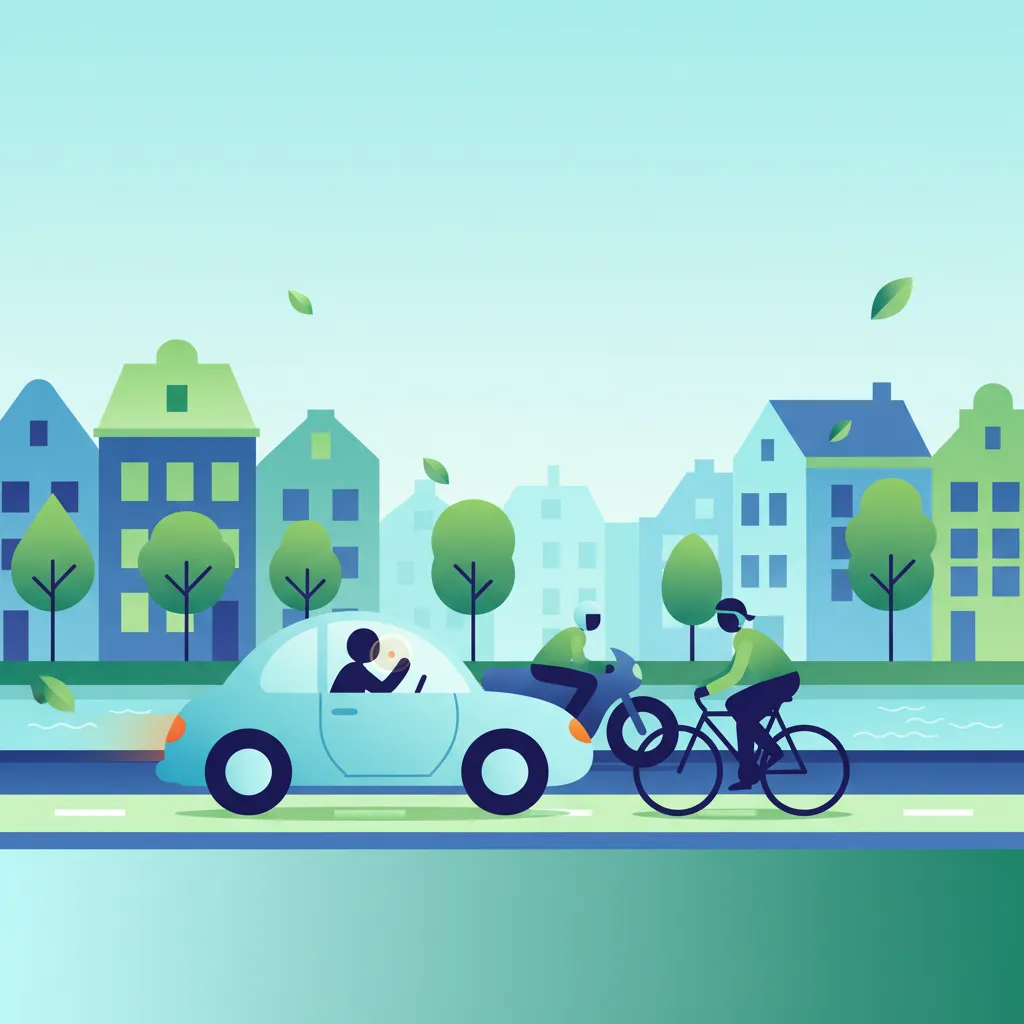
Sharpen your skills in spotting vulnerable road users to ace your Dutch theory exam.
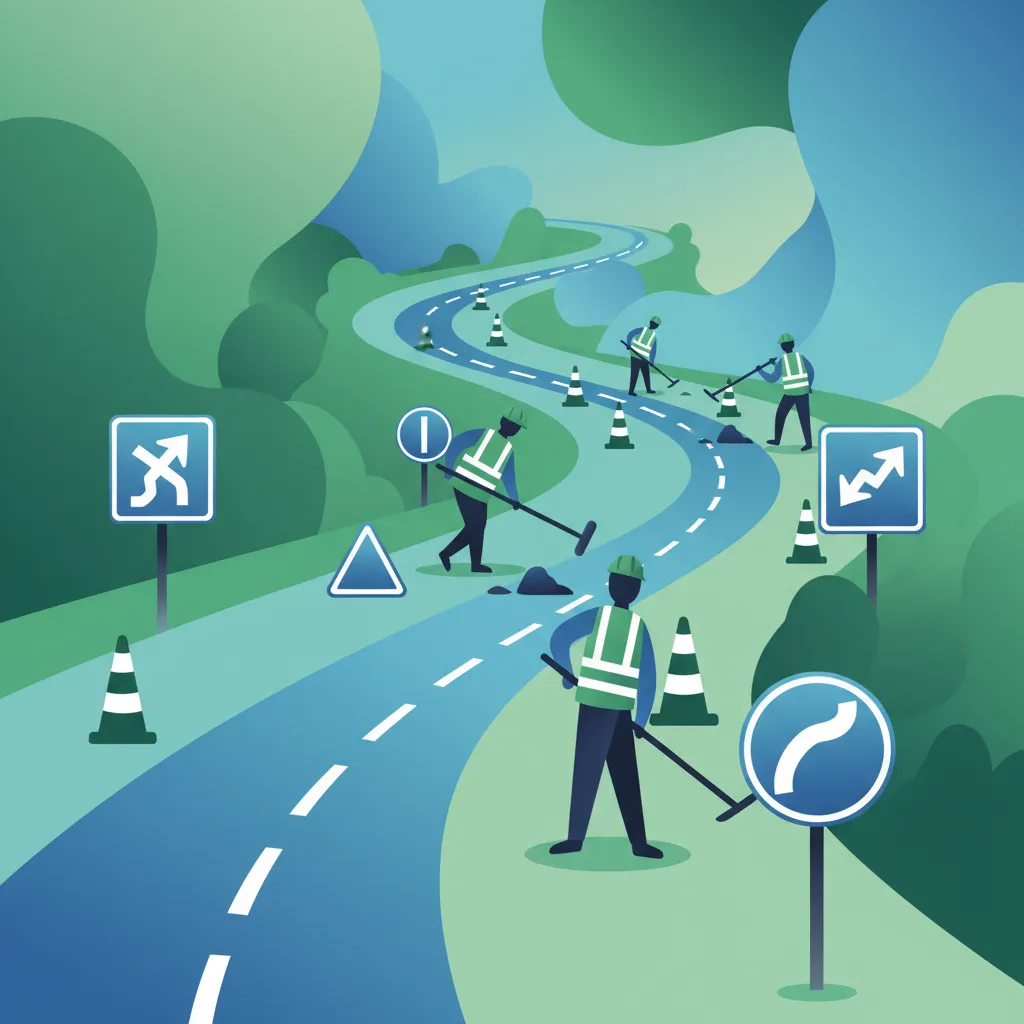
Master the complexities of road work zones to drive safely and ace your Dutch theory exam.
Protect Vulnerable Road Users and Pass Your Dutch Driving Theory Exam with Confidence.
Master Cyclist Hazard Recognition for Your Dutch Driving Exam.
Questions in Shared Urban Spaces
Exam focused questionss
Shared Urban Spaces offers quick, focused exam style practice to boost your Dutch knowledge for the driving theory exam in the Netherlands.
Shared Urban Spaces helps learners in the Netherlands with clear explanations and targeted Dutch practice to improve essential driving theory topics.
This practice set is ideal for intermediate learners preparing for the Dutch driving theory exam, especially those who find busy city traffic challenging. If you struggle with anticipating vulnerable road users or understanding priority in less clearly defined areas, this set will sharpen your skills and build confidence for real-world driving situations.
Explore more topics for the Dutch driving theory exam in the Netherlands.
Select a practice category from the list to begin targeted revision for your Dutch driving theory exam. Whether it's road signs, traffic rules, or specific maneuvers, you can focus on improving your understanding and boosting your confidence for the official CBR test.
Practice Categories Overview