
Prepare for your Dutch driving theory exam by practicing scenarios involving variable and electronic speed limits. This set focuses on how to react to dynamic speed changes on highways and motorways, understanding lane control signals, and adapting your speed for safety. Get ready to confidently interpret matrix signs and comply with the latest Dutch traffic regulations.

This practice set helps you master interpreting electronic and variable speed limits crucial for your Dutch driving theory test. It covers dynamic speed changes, matrix signs, and how to react to ensure safe driving and avoid penalties. Enhance your exam preparation and confidently apply Dutch traffic rules.
Learn to interpret electronic matrix signs and respond appropriately when speed limits change dynamically. This set covers various scenarios, from temporary reductions for traffic flow to advisory limits during adverse weather, ensuring you know how to avoid penalties and drive safely according to Dutch traffic rules.
Preview sample questions from the Dynamic Speed Limits practice set to see how they help you prepare for the driving theory exam in the Netherlands.
Learners choose Dynamic Speed Limits to improve accuracy and understanding of key exam themes in the Netherlands. It offers realistic driving theory questions and targeted revision for effective preparation.
Find answers to the most common queries learners have when practising Dynamic Speed Limits, including how questions match the official theory exam in the Netherlands, how scoring works, and how this practice improves exam readiness.
Variable and electronic speed limits are mandatory speed restrictions displayed on digital matrix signs above highways and motorways. They can change dynamically based on traffic flow, road conditions, weather, or incidents to manage traffic efficiently and enhance safety.
Yes, electronic speed limits displayed on matrix signs are always mandatory in the Netherlands. They are not advisory speeds and must be followed strictly, even if they differ from static signs on the roadside. In case of conflicting signs, the lowest indicated speed applies.
You must immediately adjust your speed to comply with the new limit displayed on the electronic sign. If the speed is reduced, you should slow down safely and promptly. These changes are often accompanied by yellow flashing lights on the sign, indicating a dynamic situation like traffic congestion.
Failure to adhere to any posted speed limit, including those on electronic signs, can result in traffic fines and penalties according to Dutch law. It also poses a safety risk to yourself and other road users, especially during adverse conditions or heavy traffic.
Yes, electronic matrix signs can display both speed limits and lane control signals. A green arrow indicates the lane may be used, while a white arrow typically gives advance notice of a red cross, meaning the lane must be cleared as soon as possible.
By completing Dynamic Speed Limits, you will gain stronger rule knowledge, faster recognition of signs and situations, better decision making in traffic scenarios, and increased accuracy on exam style questions used in the Netherlands. These outcomes directly support higher scoring exam performance.
The current practice set on variable speed limits is essential. To master all aspects of Dutch traffic rules and prepare for your CBR theory test, explore more related practice questions on dynamic road systems. These additional sets offer critical topic revision and deepen your understanding for comprehensive exam preparation.
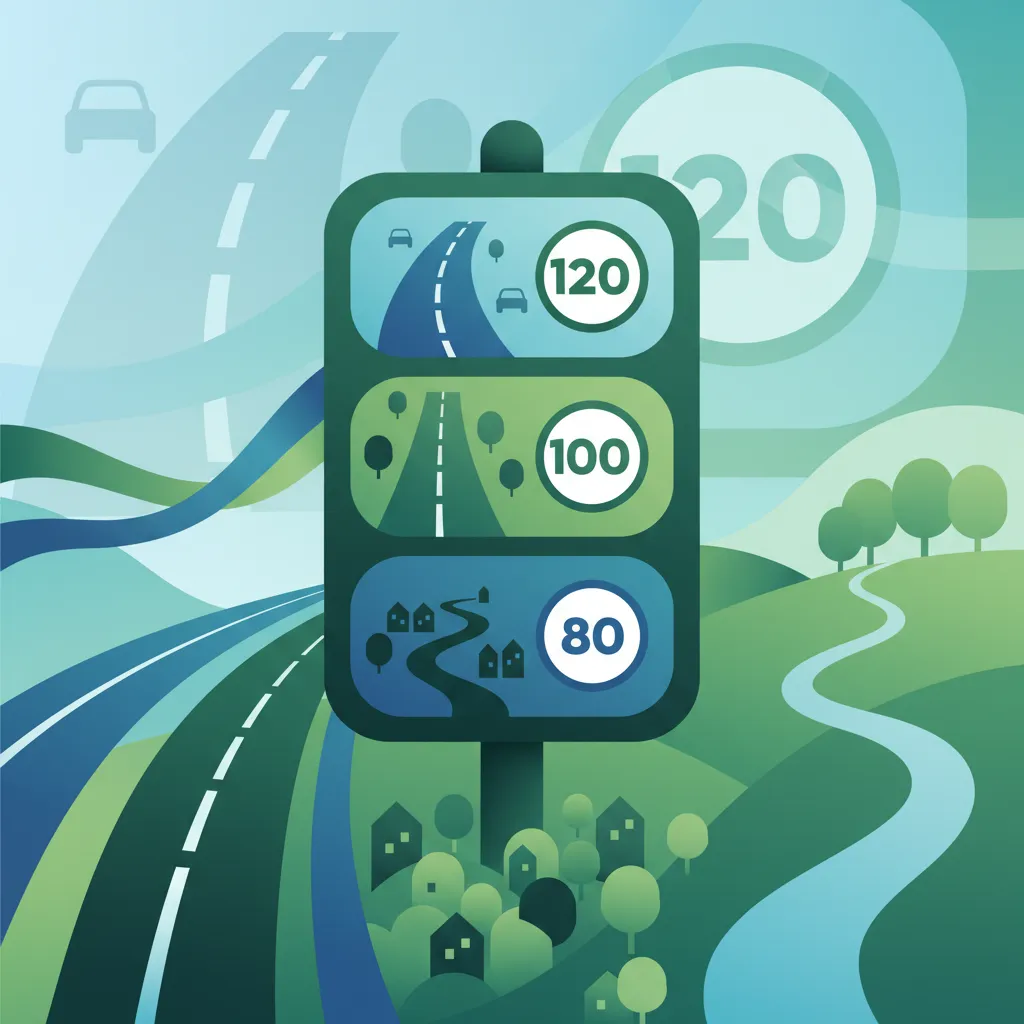
Master the Default Speed Rules and Ace Your Dutch Driving Theory Exam!
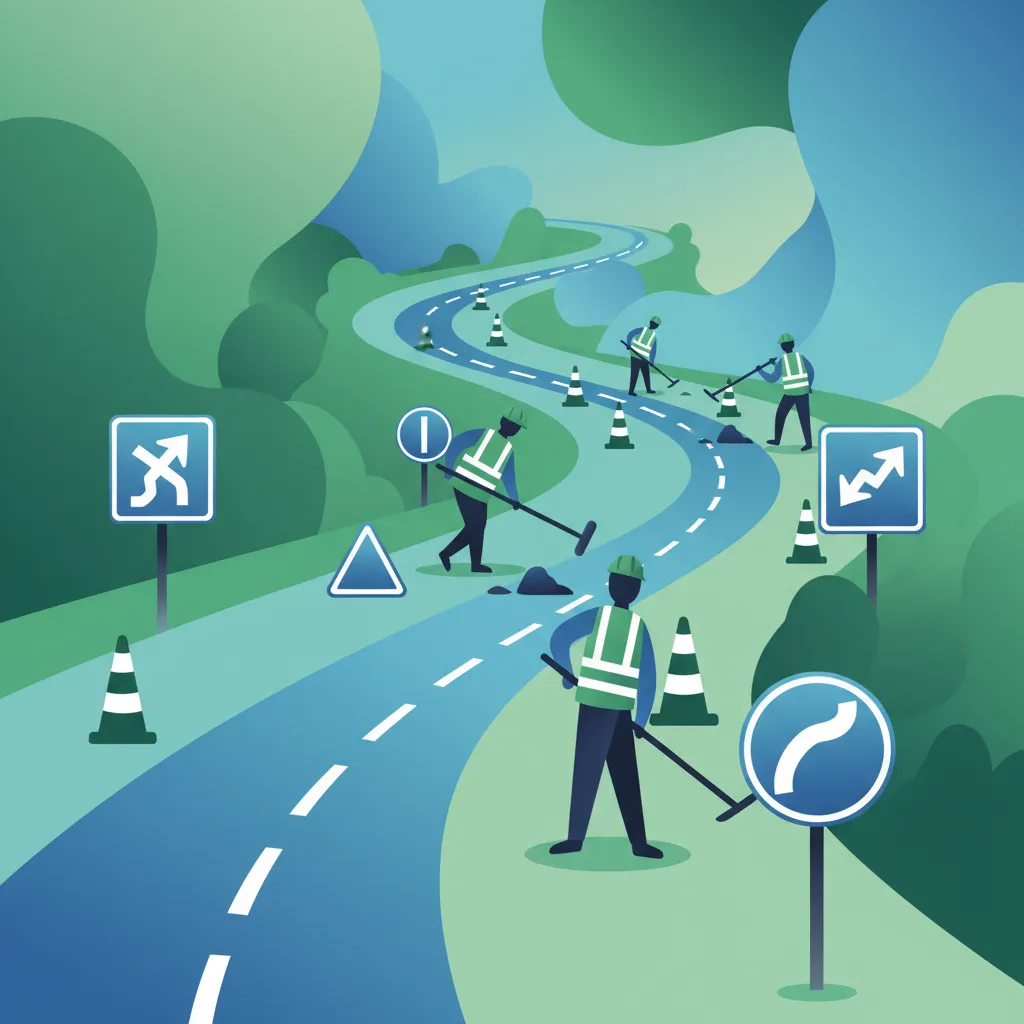
Master the complexities of road work zones to drive safely and ace your Dutch theory exam.
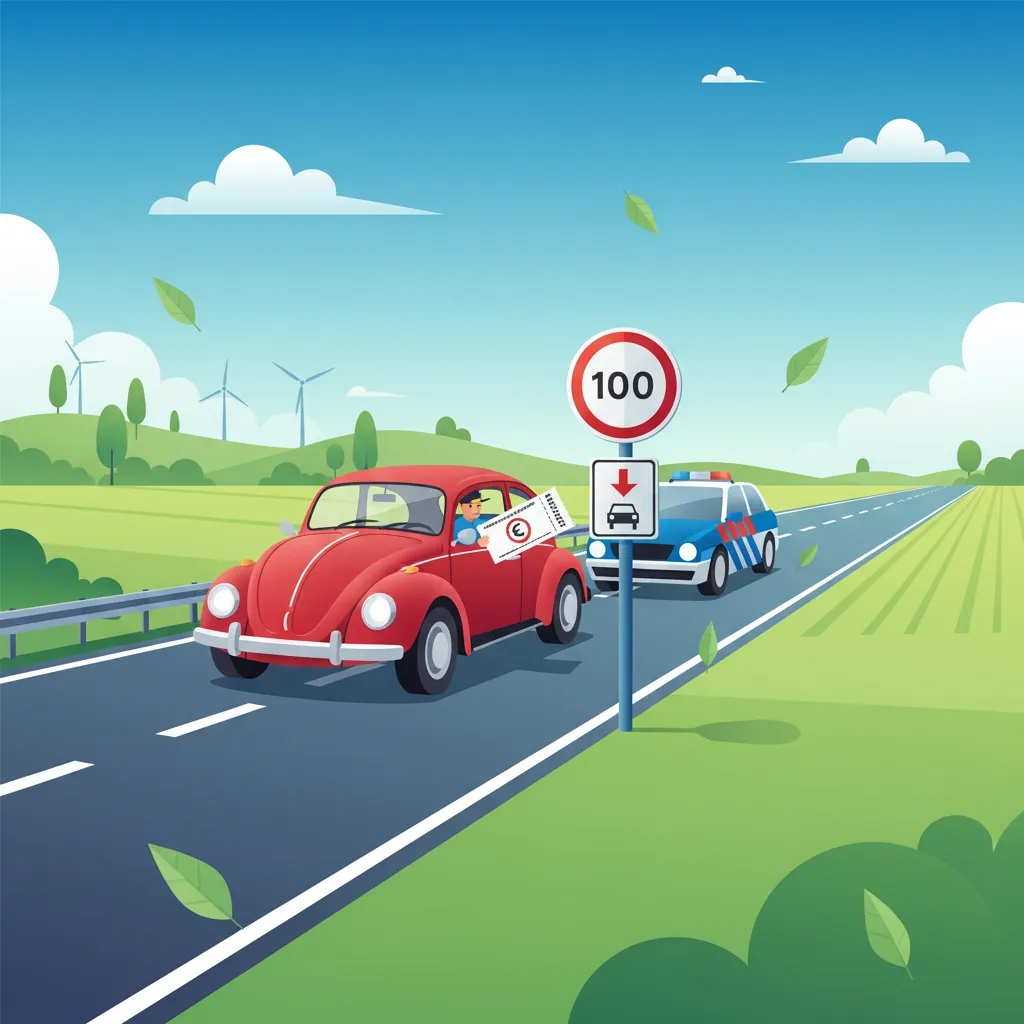
Avoid costly mistakes: Understand Dutch traffic penalties.

Drive Safely: Mastering Speed Adaptation for Challenging Dutch Road Conditions
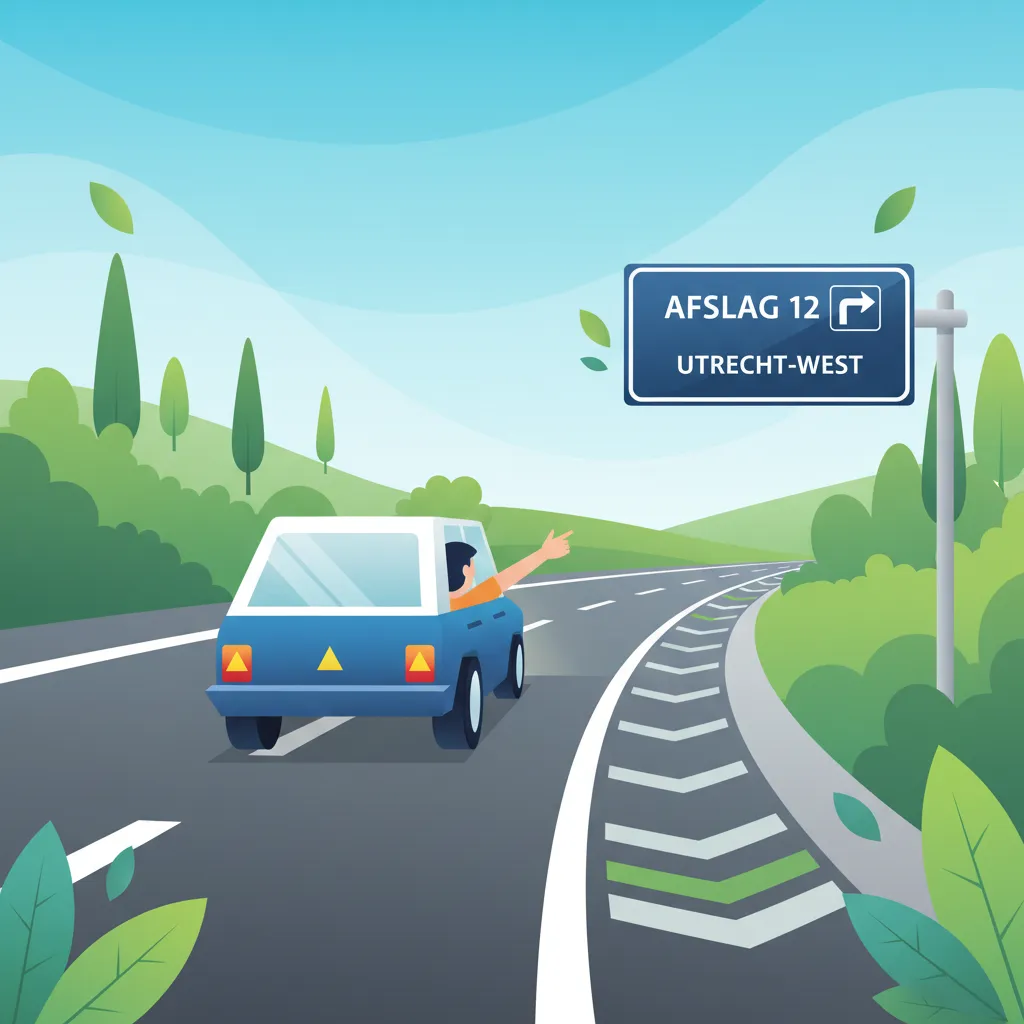
Exit the Motorway Safely: Crucial Skills for Your Dutch Driving Exam.

Master crucial speed regulations for safer Dutch roads and your CBR exam.
Questions in Dynamic Speed Limits
Exam focused questionss
Dynamic Speed Limits offers quick, focused exam style practice to boost your Dutch knowledge for the driving theory exam in the Netherlands.
Dynamic Speed Limits helps learners in the Netherlands with clear explanations and targeted Dutch practice to improve essential driving theory topics.
This practice set is ideal for intermediate learners preparing for the Dutch driving theory exam, particularly those who find dynamic speed regulations confusing. It addresses common misunderstandings about electronic signs and temporary limits, helping you build confidence in interpreting complex traffic situations on Dutch roads.
Explore more topics for the Dutch driving theory exam in the Netherlands.
Select a practice category from the list to begin targeted revision for your Dutch driving theory exam. Whether it's road signs, traffic rules, or specific maneuvers, you can focus on improving your understanding and boosting your confidence for the official CBR test.
Practice Categories Overview