
Dive into the core principles of Dutch traffic law and safe driving behavior. This central hub provides clear explanations of all vital theory topics, from complex priority rules to understanding specific road signs. Develop a complete and accurate grasp of the concepts required to confidently pass your official CBR driving theory test in the Netherlands.
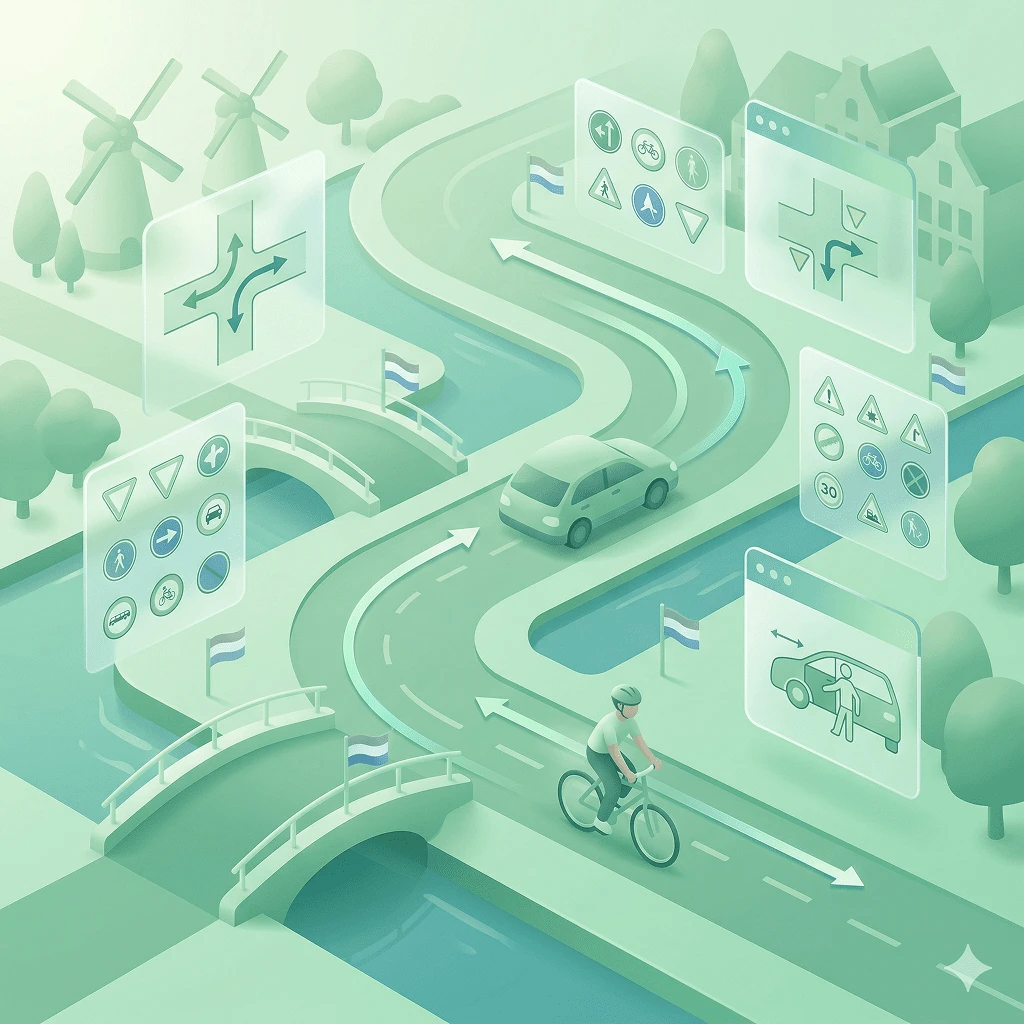
Strengthen your knowledge by focusing on essential driving theory subjects including complex traffic rules, priority conventions, and road signs. Our structured curriculum allows you to master specific areas to ensure you are fully prepared for the Dutch exam.
11 topics
8 topics
7 topics
4 topics
3 topics
2 topics
1 topic
1 topic
1 topic
1 topic
1 topic
1 topic
Seamlessly browse hundreds of official Dutch theory topics to deepen your driving theory knowledge and prepare for the CBR exam. This structured approach helps clarify complex traffic rules, master road signs, and effectively revise common theory test questions for your licence.
Filter by category
7 theory topics found
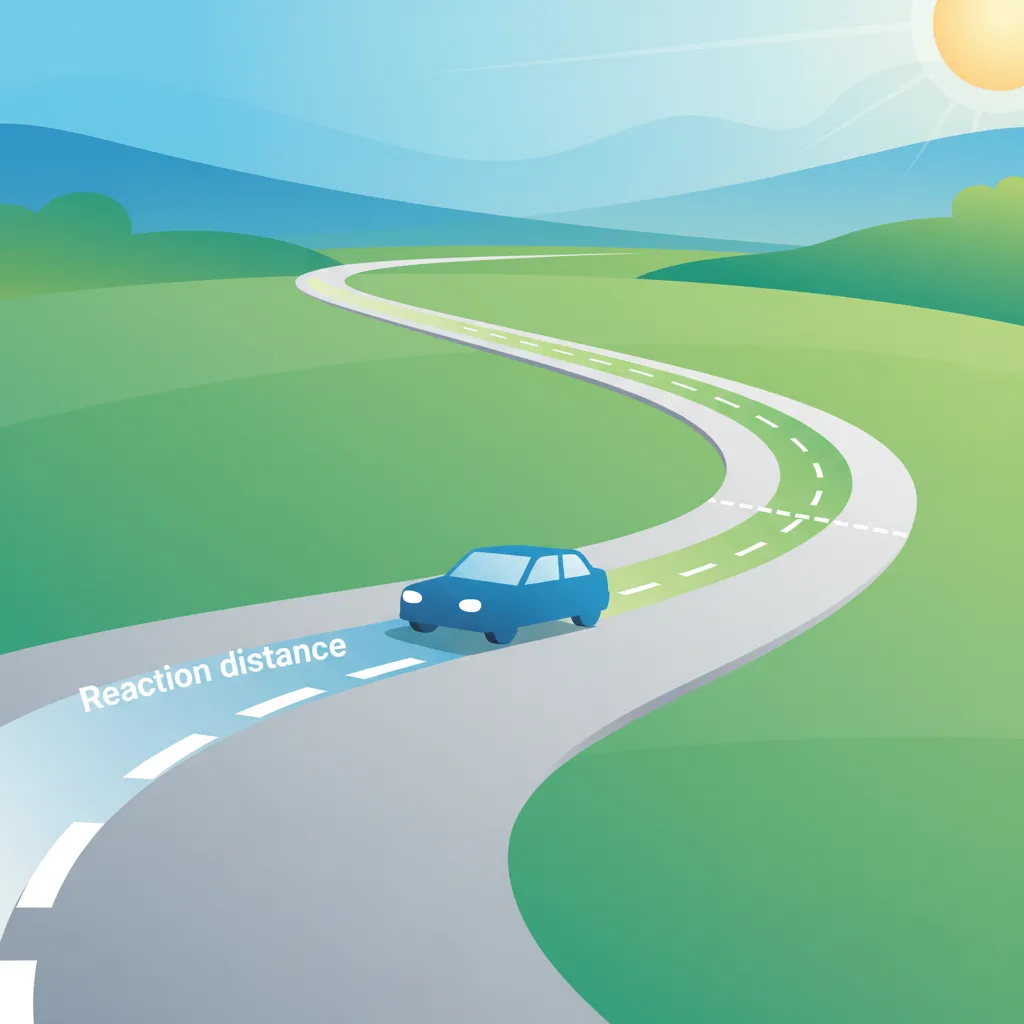
When you're driving, the total distance your vehicle needs to stop is comprised of two parts: the distance you travel while reacting to a hazard, and the distance you travel while actively braking. Both of these components are directly influenced by your speed. It's crucial to understand that stopping distance doesn't increase proportionally with speed; even a slight increase in speed can dramatically extend the distance required to come to a complete stop.

In the Netherlands, speed limits are clearly defined legal maximums that vary significantly across different road environments. While these limits set the fastest you are allowed to drive, the core principle of Dutch traffic law emphasizes that your speed must always be adapted to ensure safety. This means drivers must constantly assess conditions and often drive below the posted maximum.
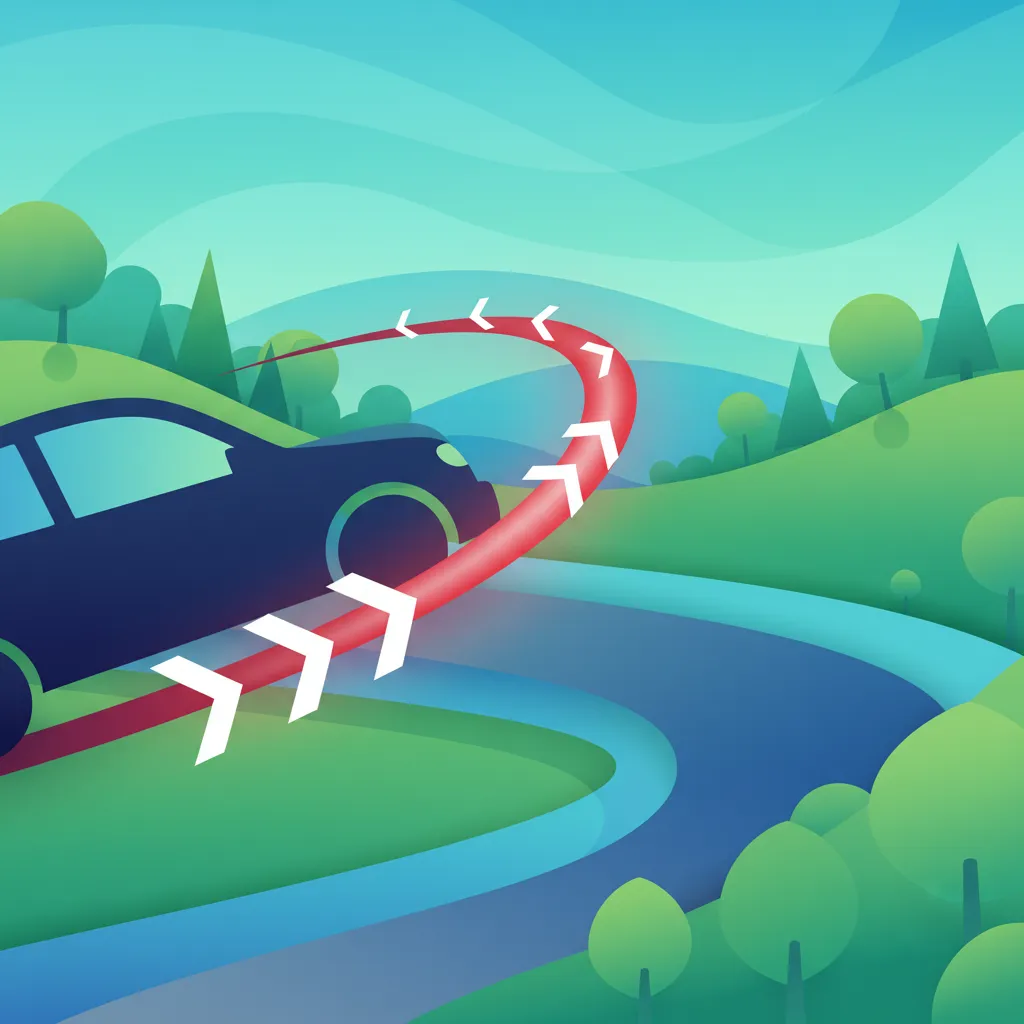
Braking distance refers to the distance your vehicle covers from the moment you actively press the brake pedal until it comes to a complete halt. This phase is crucial for avoiding collisions and managing vehicle control, especially when driving on Dutch roads. Unlike reaction distance, which involves your response time, braking distance focuses solely on the vehicle's physical stopping capability once braking has initiated.

Stopping distance is the total ground a vehicle covers from the moment a driver identifies a hazard until the vehicle comes to a complete stop. This critical concept is composed of two phases: the reaction distance and the braking distance. Mastering the distinction between these and how various factors influence them is essential for safe driving and performing well on your Dutch theory test.
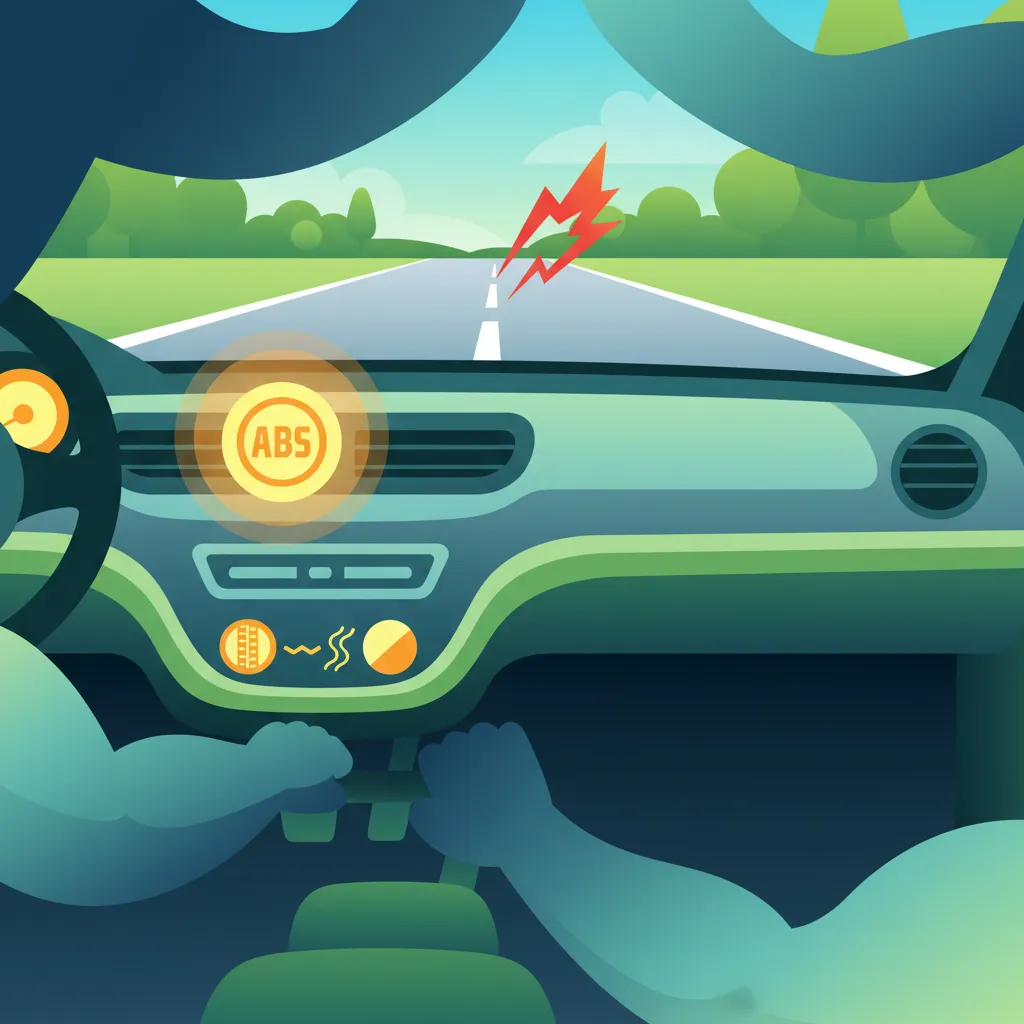
Emergency braking refers to the rapid and forceful application of your vehicle's brakes when an immediate, unforeseen hazard demands you stop as quickly as possible. This decisive action is crucial in Dutch traffic scenarios where sudden obstacles or changes require instant stopping power. Understanding the proper technique, especially with modern safety features like ABS, is vital for both your theory exam and real-world safety.
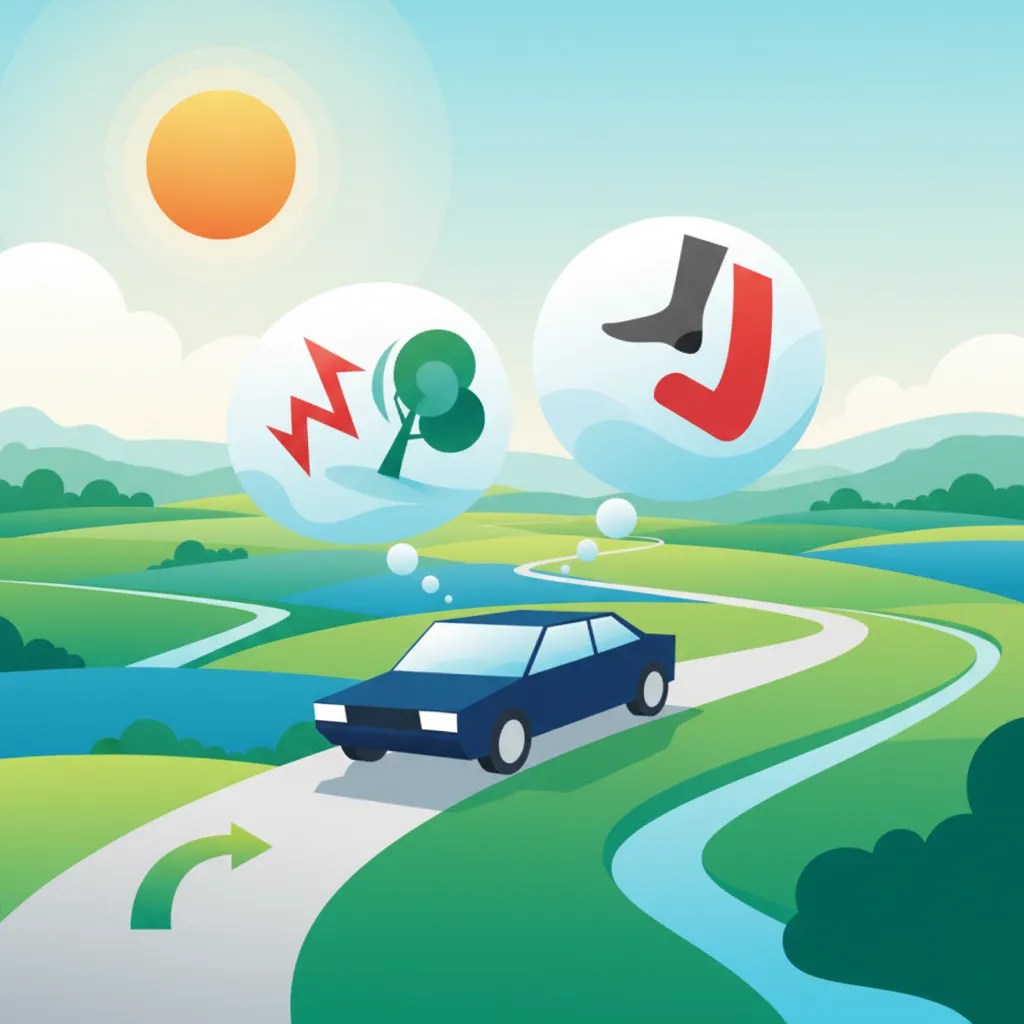
Reaction distance is the crucial space your vehicle covers from the moment you perceive a hazard until you physically start to apply the brakes. This interval involves your perception, decision-making, and physical reaction time. As speed increases, so does reaction distance, directly impacting your total stopping ability. Mastering this concept is fundamental for anticipating dangers and driving safely on Dutch roads.
In Dutch driving theory, 'safe speed' is the speed at which you can maintain full control of your vehicle and react effectively to any situation, regardless of the posted speed limit. It emphasizes a dynamic approach to driving, where your speed must continuously adapt to real-time road conditions, traffic density, visibility, and potential hazards. Mastering this principle is crucial for both your CBR theory exam and safe driving in practice.
Dive into our extensive collection of Dutch driving theory articles to deepen your understanding of traffic rules, road signs, and safe driving practices. Each guide provides valuable insights and clarifications essential for confidently preparing for your official CBR theory exam.
Dutch Driving Theory Articles