
This comprehensive practice set will prepare you for questions about elderly pedestrians and mobility scooter users for your Dutch driving theory exam. Learn the specific rules, understand priority situations, and practice how to demonstrate extra caution and patience. It's vital to know these regulations to drive safely and pass your CBR exam in the Netherlands.
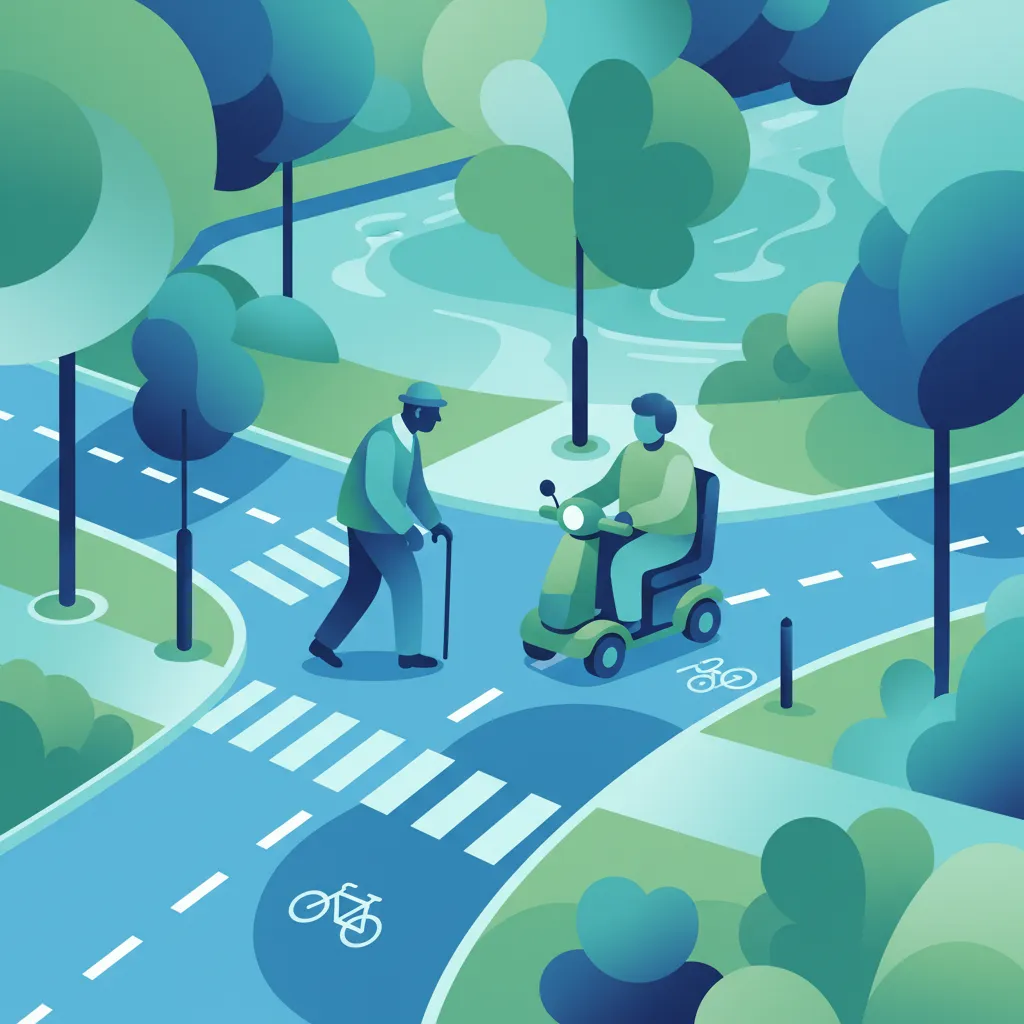
This practice set prepares you for real-world scenarios involving vulnerable road users, focusing on elderly pedestrians and mobility scooters. Reinforce essential Dutch traffic rules for priority and required caution at junctions, crucial for your driving theory test revision. Enhance your practical driving knowledge and exam preparation.
Prepare for scenarios involving elderly pedestrians and mobility scooters. This set covers priority rules, required caution at junctions, and understanding the varying movement patterns of these road users. It focuses on Dutch traffic legislation to ensure you know how to respond safely and correctly.
Preview sample questions from the Elderly & Mobility Scooters practice set to see how they help you prepare for the driving theory exam in the Netherlands.
Learners choose Elderly & Mobility Scooters to improve accuracy and understanding of key exam themes in the Netherlands. It offers realistic driving theory questions and targeted revision for effective preparation.
Find answers to the most common queries learners have when practising Elderly & Mobility Scooters, including how questions match the official theory exam in the Netherlands, how scoring works, and how this practice improves exam readiness.
Elderly pedestrians often have reduced vision, poorer mobility, slower response times, and decreased hearing, making their participation in traffic more dangerous. Drivers must account for these factors and give them extra time and space.
Rules for mobility scooters depend on where they are driving. If they are on the carriageway, cycle lane, or cycle/moped path, they follow driver rules. If they are on the pavement or footpath, or crossing a carriageway from pavement to pavement, they follow pedestrian rules.
Yes, if a disability vehicle (mobility scooter) crosses a pedestrian crossing from one pavement or footpath to another, its driver is considered a pedestrian and has priority over other vehicles.
You should take extra caution, anticipate slower movements, and be prepared to give them more time to cross. Always make it clear you intend to stop if they are at a pedestrian crossing or indicate a desire to cross, ensuring their safety.
When using the pavement or footpath, mobility scooter drivers are subject to the rules applicable to pedestrians, and the speed limit in this case is 6 km/h.
By completing Elderly & Mobility Scooters, you will gain stronger rule knowledge, faster recognition of signs and situations, better decision making in traffic scenarios, and increased accuracy on exam style questions used in the Netherlands. These outcomes directly support higher scoring exam performance.
Continuing with related practice questions ensures you thoroughly understand all nuances concerning pedestrians and vulnerable road users. This focused topic revision is crucial for effective exam preparation and mastering Dutch traffic rules for your theory test.

Master Moped Priority: Ride Smart, Pass Your CBR Exam.

Master the art of urban driving where roads are shared, not separated.

Stay Ahead of the Unexpected: Master Pedestrian Hazard Perception

Sharpen your skills in spotting vulnerable road users to ace your Dutch theory exam.

Master the rules for traffic calming zones and drive confidently through Dutch cities.
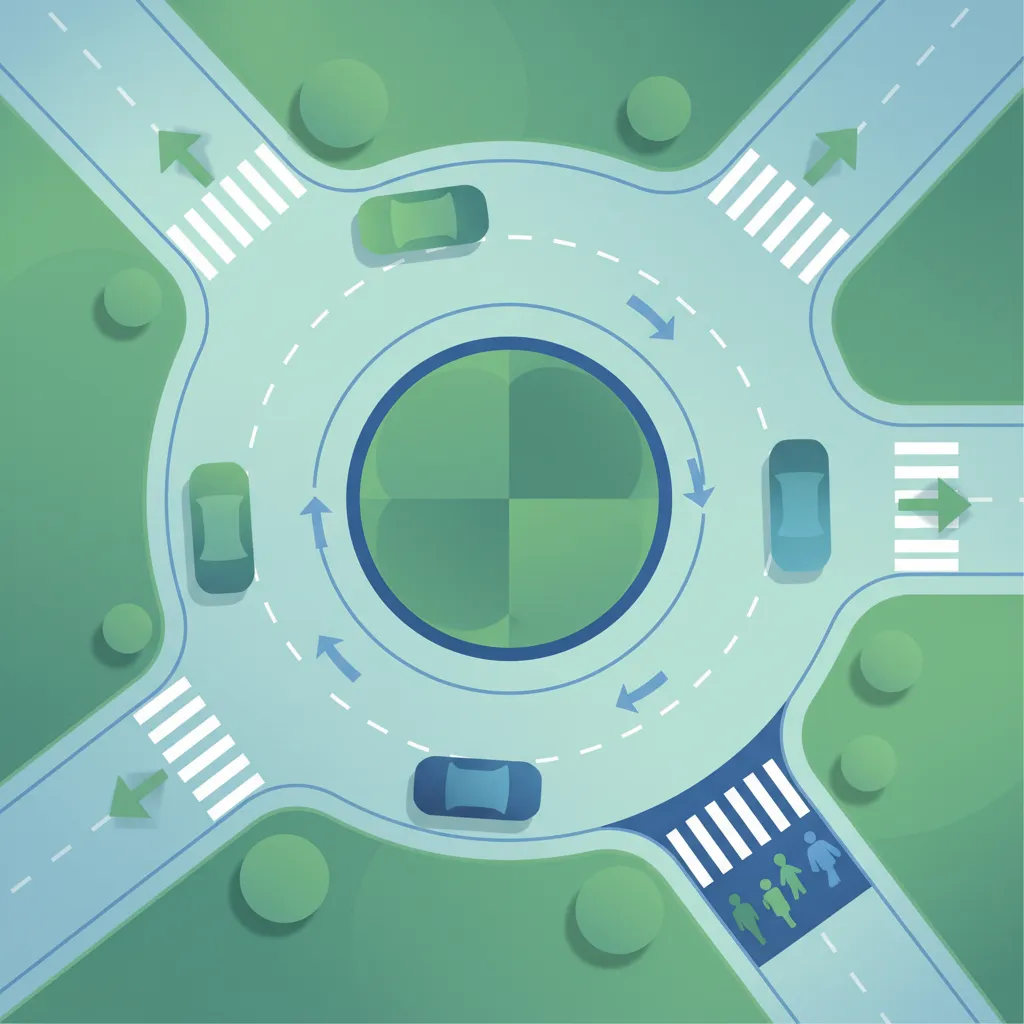
Navigate Dutch Roundabouts with Confidence: Your Guide to Entry and Priority.
Questions in Elderly & Mobility Scooters
Exam focused questionss
Elderly & Mobility Scooters offers quick, focused exam style practice to boost your Dutch knowledge for the driving theory exam in the Netherlands.
Elderly & Mobility Scooters helps learners in the Netherlands with clear explanations and targeted Dutch practice to improve essential driving theory topics.
This practice set is ideal for intermediate learners preparing for the Dutch driving theory exam who want to solidify their knowledge of vulnerable road users. If you often feel uncertain about priority rules for mobility scooters or how to safely interact with elderly pedestrians, this set will clarify common ambiguities and help you avoid typical exam mistakes.
Explore more topics for the Dutch driving theory exam in the Netherlands.
Select a practice category from the list to begin targeted revision for your Dutch driving theory exam. Whether it's road signs, traffic rules, or specific maneuvers, you can focus on improving your understanding and boosting your confidence for the official CBR test.
Practice Categories Overview