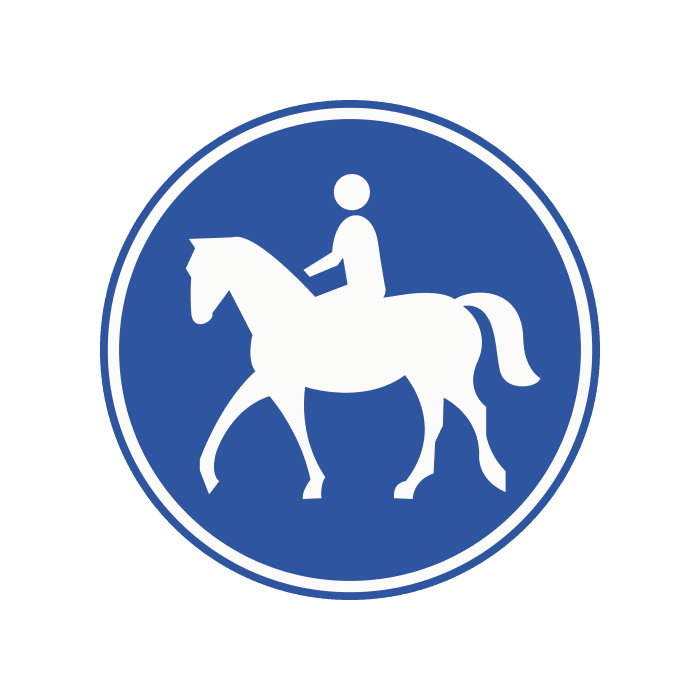
The G9 sign indicates the beginning of a dedicated path for horse riders, often referred to as a bridle path or equestrian path. As this is a special road designation sign, it's crucial to understand that unless explicitly indicated otherwise, other traffic, including cyclists and motorists, is prohibited from using this path. This separation ensures the safety of both horse riders and other road users, minimising potential conflicts. When you encounter this sign, be aware that you must not enter this path with your vehicle.
Understanding the G9 bridle path sign meaning is crucial for safe navigation, ensuring you know where equestrian traffic has dedicated access and how to behave nearby. Mastering this specific traffic sign explanation helps you anticipate interactions with horses and riders, which is vital for your Dutch driving theory test preparation.
The G9 sign marks the start of a dedicated bridle path, designed with surfaces, width, and routing suitable for horses and riders. By separating equestrian traffic from motor vehicles and cyclists, it reduces startle risks and conflicts at higher speeds. Only horse riders, and any users indicated by additional signs, may use this path, and they must still obey general safety, signalling, and crossing rules at junctions.
This sign indicates a bridle path intended primarily for horse riders. From this point, riders may use the path to travel safely away from heavier traffic, while other road users must stay off it unless an extra sign explicitly permits them. Riders should keep their horse under control and be considerate at crossings and near other users.
Get clear, practical answers to the most common questions about the G9 - Start of Bridle Path road sign. Learn how the sign works, what rules it represents, and how it affects real driving situations. This FAQ strengthens your understanding and supports accurate decision making for the Dutch driving theory exam in the Netherlands.
The G9 sign, 'Start of Bridle Path', marks the beginning of a designated route exclusively for horse riders. Its primary purpose is to separate equestrian traffic from motor and cycle traffic, thereby enhancing safety for everyone and protecting horses from unsuitable road surfaces.
Generally, no. The G9 sign signifies that the path is for horse riders only. Unless there's a specific sign allowing it, cyclists, pedestrians, and users of motorized vehicles are prohibited from using the bridle path to avoid conflicts and ensure the safety of the horses.
If you see the G9 sign, it means you must not enter this path with your vehicle. It is reserved for horse riders. You should continue on the regular road and be mindful that horse riders may be using adjacent paths.
While the G9 sign itself excludes other traffic, there might be accompanying signs or junctions where shared use is permitted. However, by default, assume the path is exclusively for horse riders and do not enter it with your car, bicycle, or other motorized transport unless another sign specifically permits it.
A common trap is assuming that just because a path is present, other traffic can use it. Remember that the G9 sign specifically designates it for horses and excludes others. You might also be tested on understanding that 'other traffic' includes cyclists and mopeds, not just cars.
A clear reference image of the G9 - Start of Bridle Path road sign used in the Netherlands.
The G9 - Start of Bridle Path road sign may also be known by these alternative names or terms.
The G9 - Start of Bridle Path road sign is part of the Area, Road & Path Designations (G) category, which groups together signs with similar rules and functions.
Master Dutch traffic signs by comparing related ones, helping to differentiate subtle meanings and improve recognition accuracy for your theory test revision. Exploring similar road signs side-by-side aids effective traffic sign comparison and strengthens your overall understanding.
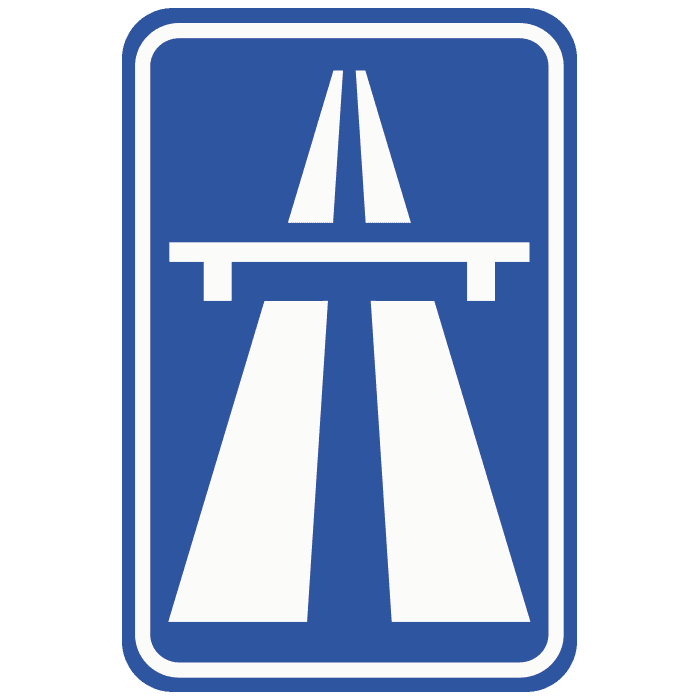
The G1 sign marks the beginning of a motorway where special rules apply.
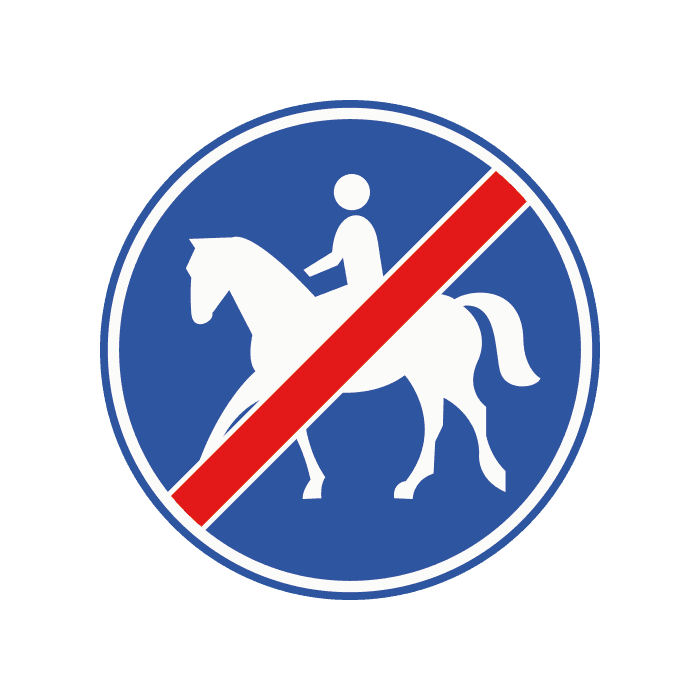
The G10 'End of Bridle Path' sign means the route is no longer exclusively for horse riders.
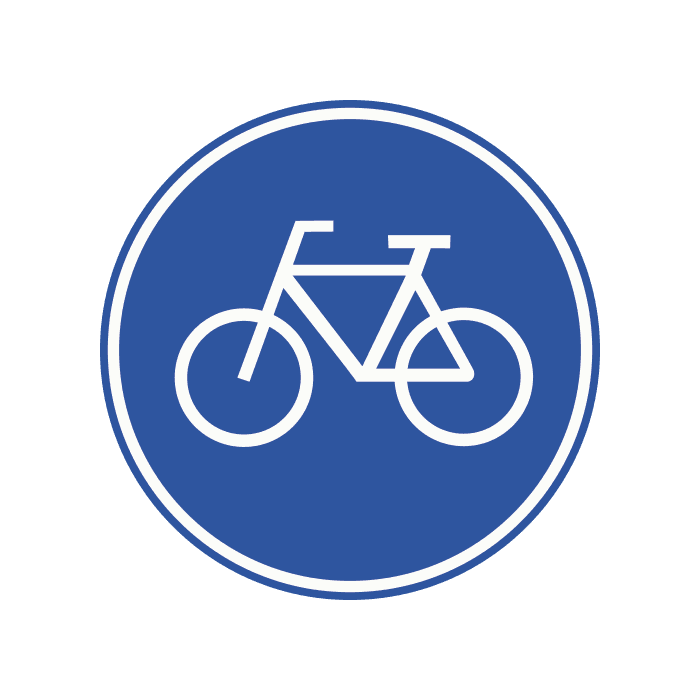
You must use this cycle path: G11 Mandatory Cycle Path sign ahead.
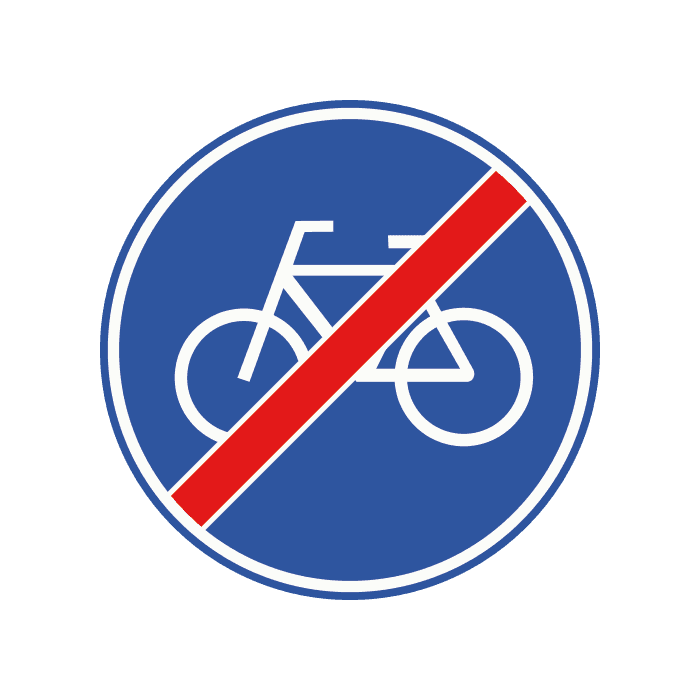
The G12 sign signals the end of your mandatory cycle path obligation.
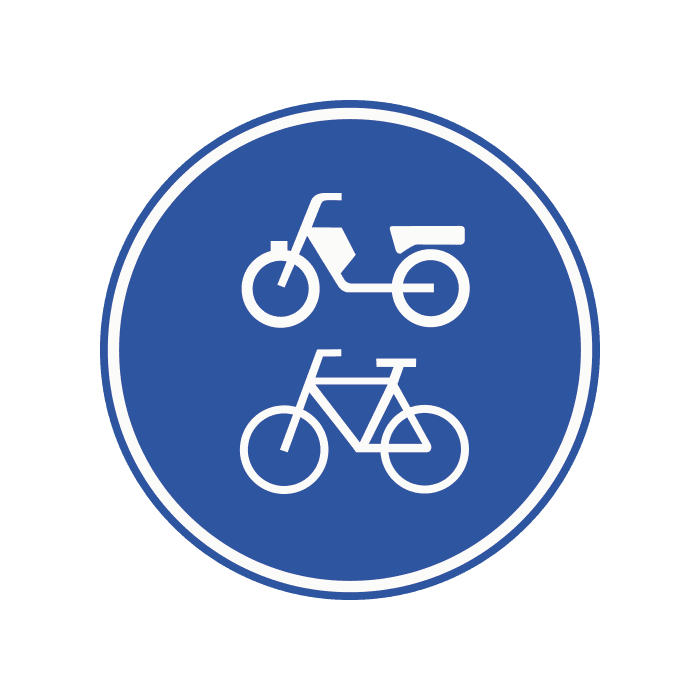
The G12a sign means you must use the mandatory cycle and moped path.
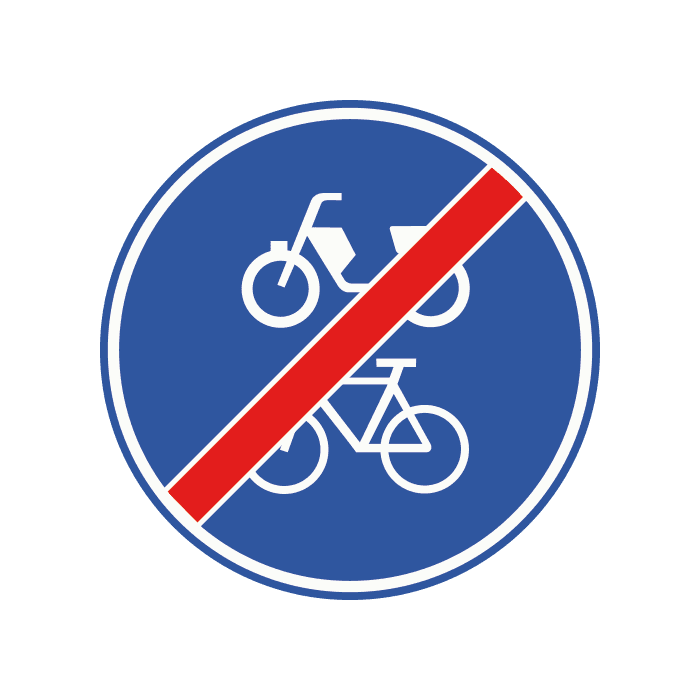
You're no longer required to use the combined cycle/moped path after this sign.
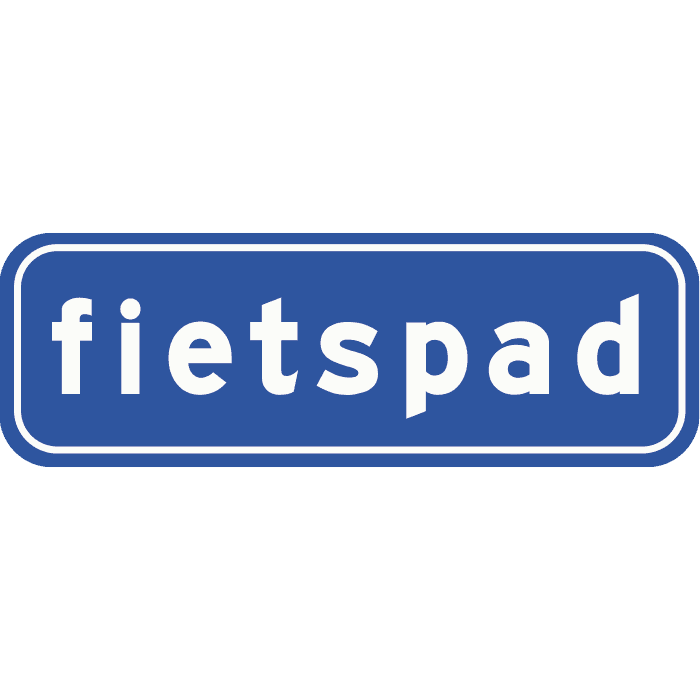
The G13 sign means the cycle path is optional, giving you a choice.
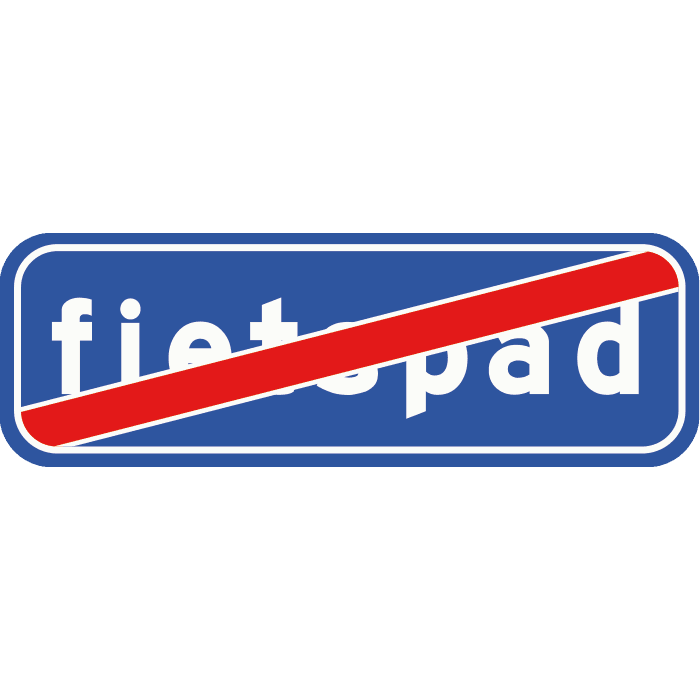
The G14 sign marks the end of an optional cycle path.
After reviewing the full list of Dutch road signs, deepen your understanding by exploring signs organized by category or practicing with targeted questions. This systematic approach ensures you fully grasp every sign's meaning and application, preparing you thoroughly for your CBR driving theory exam.
View All Dutch Road Signs