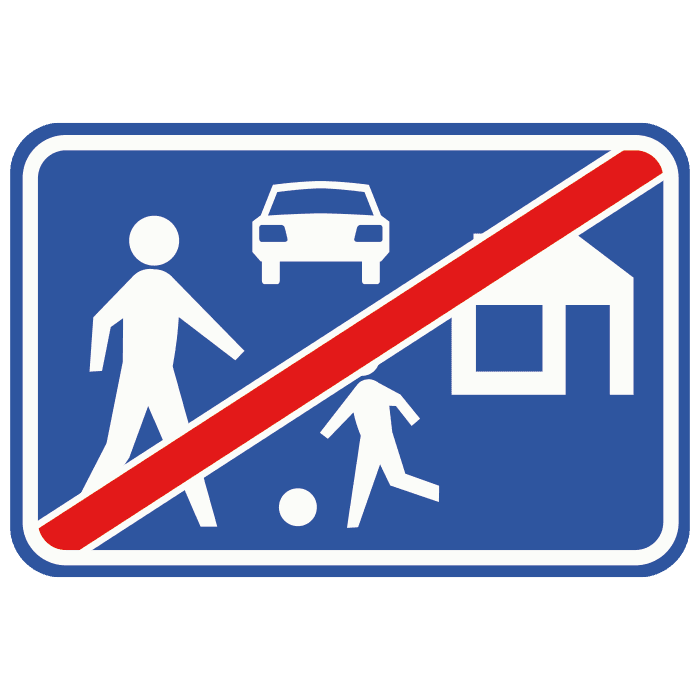
The G6 sign, indicating the end of an 'Erf' or Living Street, signals that the special traffic regime with its low speeds and pedestrian priority is over. As you pass this sign, regular road rules and standard speed limits resume. Be prepared to adjust your speed accordingly and be more aware of other traffic, as the focus shifts back from pedestrian-first to standard road user interaction.
Understanding the G6 sign is crucial for navigating the transition from a Living Street (Erf) to normal road conditions in the Netherlands. This road sign explanation helps you recognize when special rules end, ensuring you re-adapt to standard traffic laws and speed limits for your theory test revision.
The G6 sign marks the boundary where a residential erf ends and the road returns to the standard urban regime. Beyond it, the very low walking-pace speed limit and strict pedestrian priority are no longer in force, although normal protection of vulnerable road users remains. Drivers must again follow general speed limits, parking rules, and priority systems for the type of road and area they are entering.
This sign indicates the end of an erf, so the special living-street rules no longer apply. From this point, normal road traffic rules and higher speed limits for the built-up area resume, unless other signs state otherwise. Drivers should smoothly accelerate to an appropriate speed while still respecting pedestrians, cyclists, and local priority regulations.
Get clear, practical answers to the most common questions about the G6 - End of ‘Erf’ (Living Street) road sign. Learn how the sign works, what rules it represents, and how it affects real driving situations. This FAQ strengthens your understanding and supports accurate decision making for the Dutch driving theory exam in the Netherlands.
The G6 sign means you are leaving a Living Street (Woonerf). The special rules that prioritize pedestrians and cyclists and require very low speeds no longer apply. You should resume normal driving speeds and follow standard traffic regulations and priority rules.
You will see the G6 sign at the exit of a designated 'Erf' or Living Street area. These are typically residential areas where pedestrians, cyclists, and children have priority, and vehicles are expected to drive very slowly as if they were residents.
The G6 sign signifies the end of the 'Erf' low-speed regime, not necessarily an immediate new speed limit. However, standard Dutch speed limits will now apply, which might be 30 km/h, 50 km/h, or higher depending on the road. You must be prepared to adjust your speed to the prevailing limit and general traffic conditions.
A common mistake is assuming you can continue driving at the slow 'Erf' pace beyond the G6 sign, or continuing to expect pedestrians to always give way to you. Learners sometimes forget that normal priority rules and speeds apply immediately after the sign.
No, the relaxed parking rules of the 'Erf' typically do not extend past the G6 sign. You must now park according to the standard local regulations for the road you have entered. Parking restrictions might be indicated by other signs or road markings.
A clear reference image of the G6 - End of ‘Erf’ (Living Street) road sign used in the Netherlands.
The G6 - End of ‘Erf’ (Living Street) road sign may also be known by these alternative names or terms.
The G6 - End of ‘Erf’ (Living Street) road sign is part of the Area, Road & Path Designations (G) category, which groups together signs with similar rules and functions.
Understanding the distinctions between similar road signs is key to accurate recognition and fewer mistakes during your theory test revision. Comparing these signs directly helps reinforce your knowledge of Dutch traffic rules and prepare for challenging exam questions.
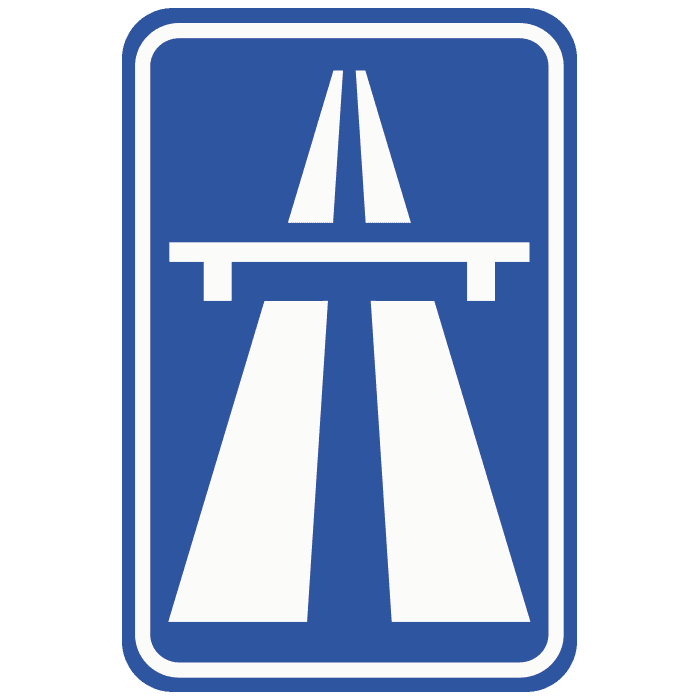
The G1 sign marks the beginning of a motorway where special rules apply.
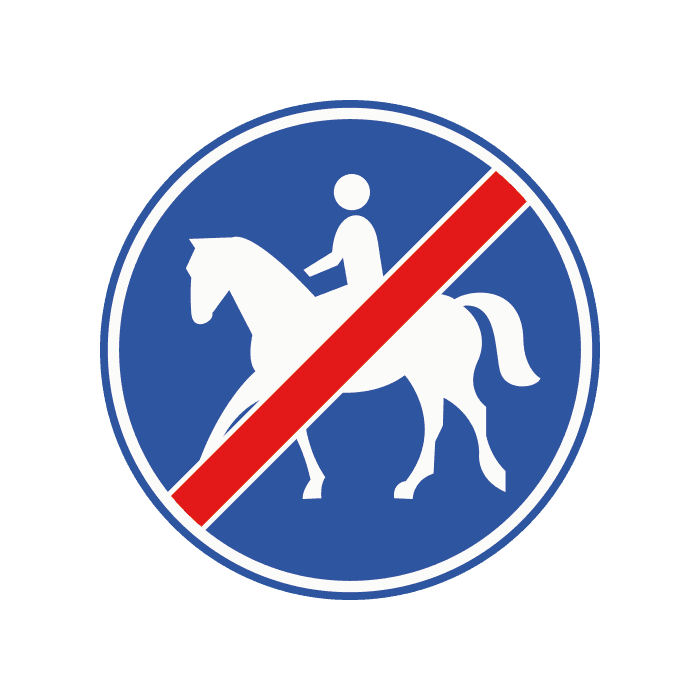
The G10 'End of Bridle Path' sign means the route is no longer exclusively for horse riders.
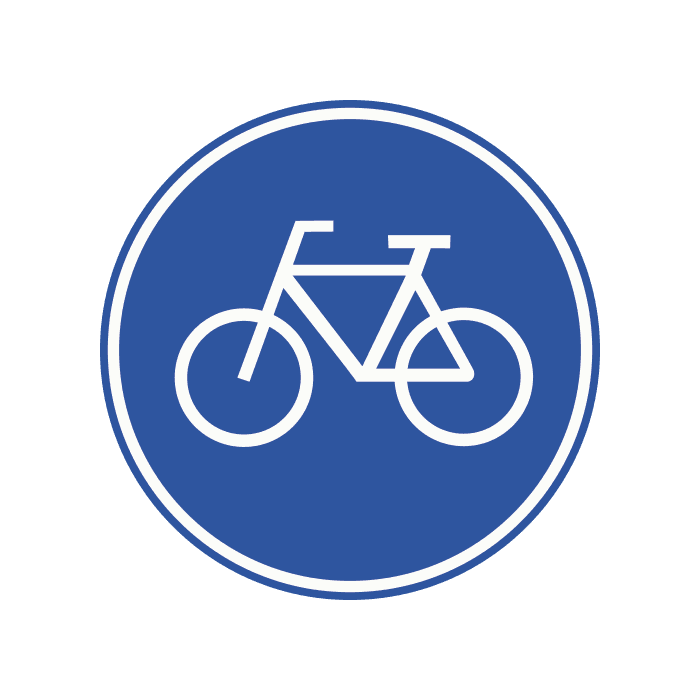
You must use this cycle path: G11 Mandatory Cycle Path sign ahead.
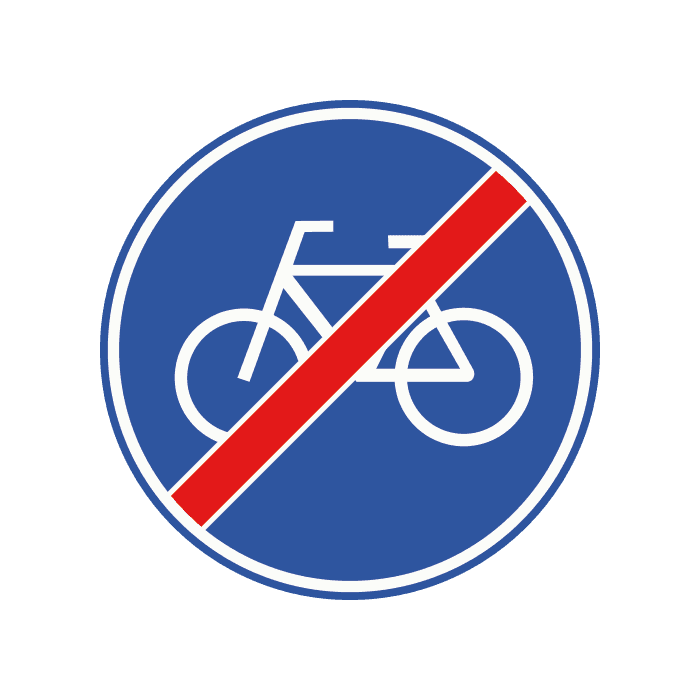
The G12 sign signals the end of your mandatory cycle path obligation.
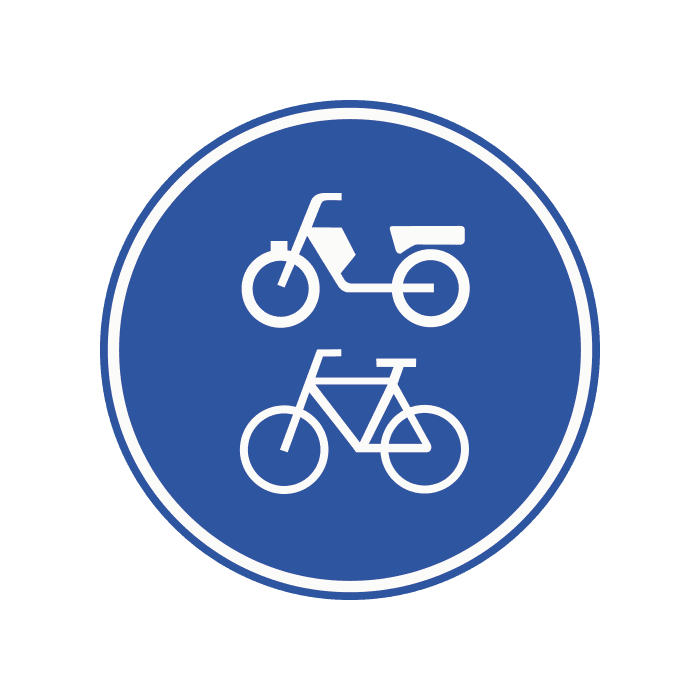
The G12a sign means you must use the mandatory cycle and moped path.
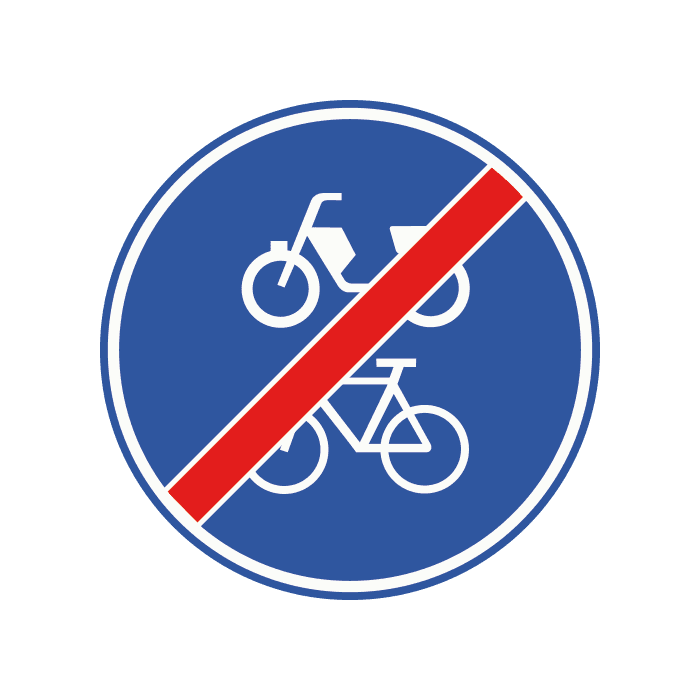
You're no longer required to use the combined cycle/moped path after this sign.

The G13 sign means the cycle path is optional, giving you a choice.
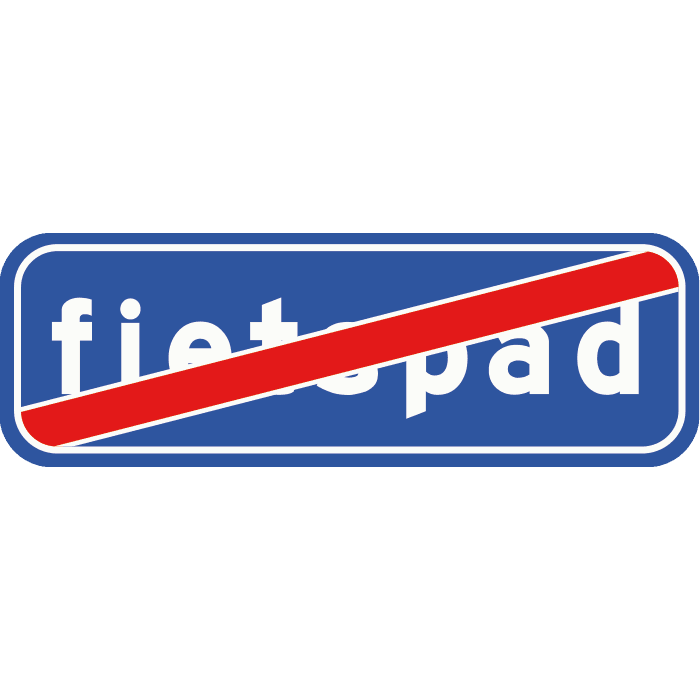
The G14 sign marks the end of an optional cycle path.
After reviewing the full list of Dutch road signs, deepen your understanding by exploring signs organized by category or practicing with targeted questions. This systematic approach ensures you fully grasp every sign's meaning and application, preparing you thoroughly for your CBR driving theory exam.
View All Dutch Road Signs