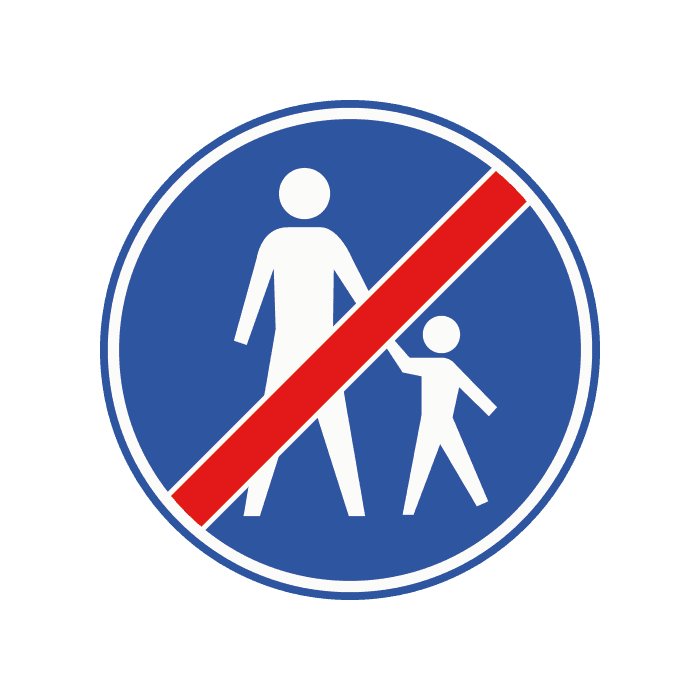
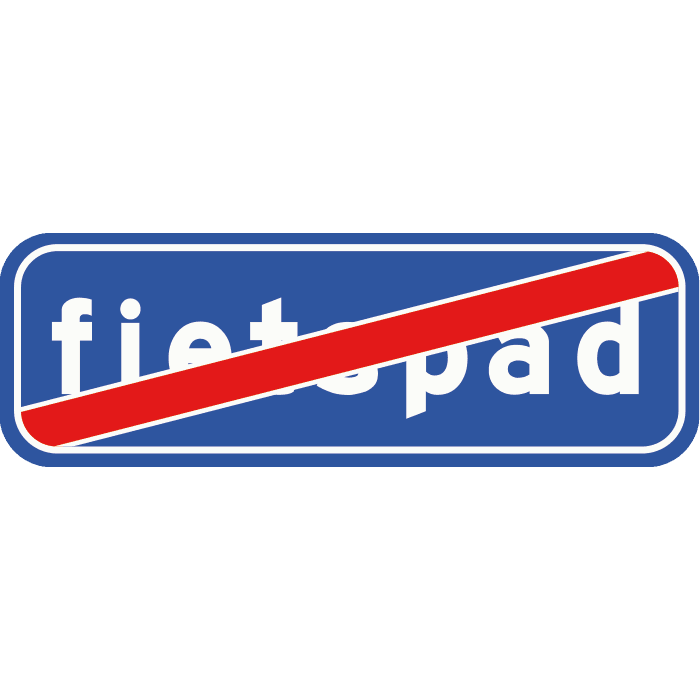
This G8 sign, known as the 'End of Footpath' sign, marks the spot where a designated pedestrian-only path concludes. Beyond this point, the path is no longer exclusively for pedestrians, and general access rules take over. You must pay close attention to any subsequent signs that indicate the new designation, which could be a mixed-use path, a verge, or a local access route. Be prepared to adjust your driving behaviour accordingly and share the space if the path becomes shared.
This sign marks the end of a dedicated footpath, signaling that regular traffic rules and shared-use possibilities now apply. Understanding this change is crucial for both pedestrians and other road users to navigate safely during your theory test revision.
The G8 sign shows where a footpath designation ends and the status of the adjacent path or verge changes. After passing it, pedestrians may share space with other users, such as cyclists, or may have to move to a different facility indicated by further signage. All road users should immediately adapt to the new rules, paying close attention to markings, pictograms, and additional panels near the sign.
This sign indicates the end of a designated footpath. From this point, the path or verge is no longer reserved exclusively for pedestrians, and a different rule set may apply, such as a mixed path, cycle path, or ordinary verge. Check the following signs and adjust your behaviour to the new type of facility.
Get clear, practical answers to the most common questions about the G8 - End of Footpath road sign. Learn how the sign works, what rules it represents, and how it affects real driving situations. This FAQ strengthens your understanding and supports accurate decision making for the Dutch driving theory exam in the Netherlands.
The G8 sign indicates that the dedicated pedestrian footpath you have been observing is no longer exclusive to pedestrians. Normal traffic rules will now apply to this path, and you should be aware of any new designations indicated by subsequent signs. It signals a change in the priority and usage of the path ahead.
Upon seeing the G8 sign, you should anticipate that the path ahead may be used by vehicles or other road users, not just pedestrians. Be vigilant for further signage that clarifies the new designation, such as a shared path or verge. Adjust your speed and awareness to be prepared for mixed traffic.
A common exam trap is assuming that the path remains pedestrian-only after the G8 sign. Learners might fail to look for or correctly interpret subsequent signs indicating a mixed-use path. Always remember the G8 means the special pedestrian designation has ended, and you must follow the next posted rules.
Not necessarily. The G8 sign only signifies the end of the *pedestrian-only* designation. Whether you can drive on the path depends entirely on what the *next* sign or road marking indicates. It could become a shared path with cyclists, a verge where limited vehicle access is permitted, or revert to a normal road.
If the G8 sign is part of a larger zone, you might encounter a 'zone-end' variant. This means the specific restrictions or designations that applied within that zone are now lifted. Always confirm with any immediate follow-up signs to understand the exact nature of the path or road ahead.
A clear reference image of the G8 - End of Footpath road sign used in the Netherlands.
The G8 - End of Footpath road sign may also be known by these alternative names or terms.
The G8 - End of Footpath road sign is part of the Area, Road & Path Designations (G) category, which groups together signs with similar rules and functions.
Study related Dutch road signs side-by-side to sharpen your recall and avoid confusion. Comparing similar signs, like the G8 'End of Footpath' with other path designations, aids in accurate theory test revision and builds confidence for the exam.
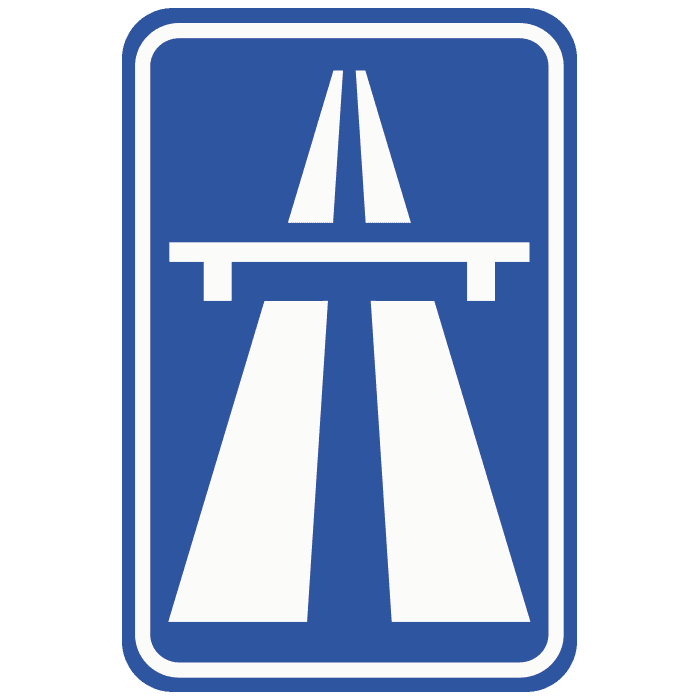
The G1 sign marks the beginning of a motorway where special rules apply.
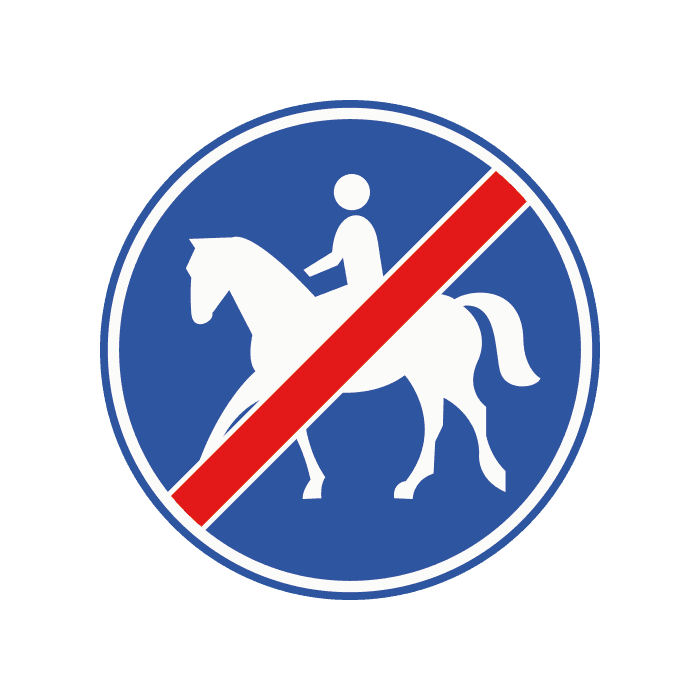
The G10 'End of Bridle Path' sign means the route is no longer exclusively for horse riders.
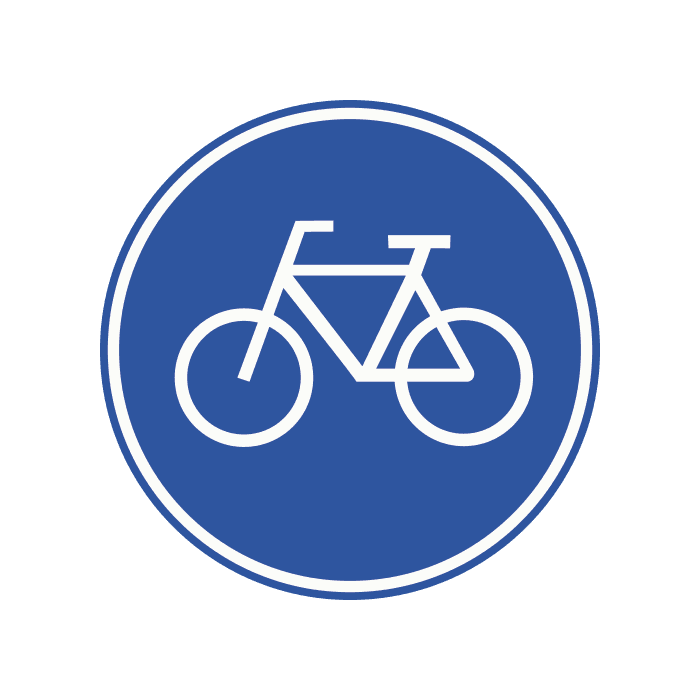
You must use this cycle path: G11 Mandatory Cycle Path sign ahead.
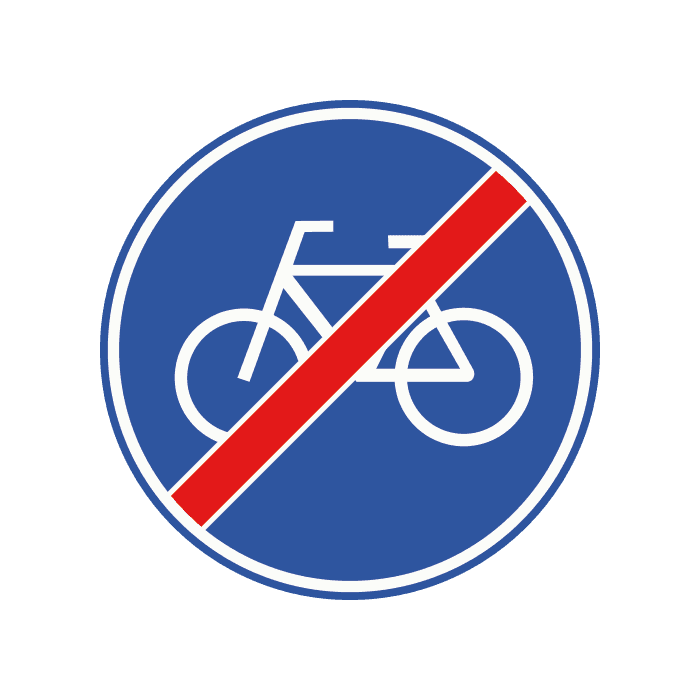
The G12 sign signals the end of your mandatory cycle path obligation.
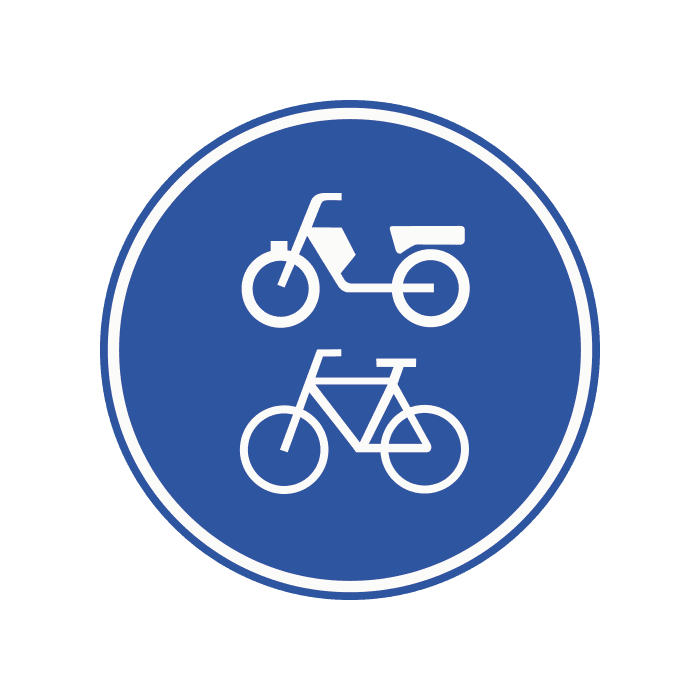
The G12a sign means you must use the mandatory cycle and moped path.
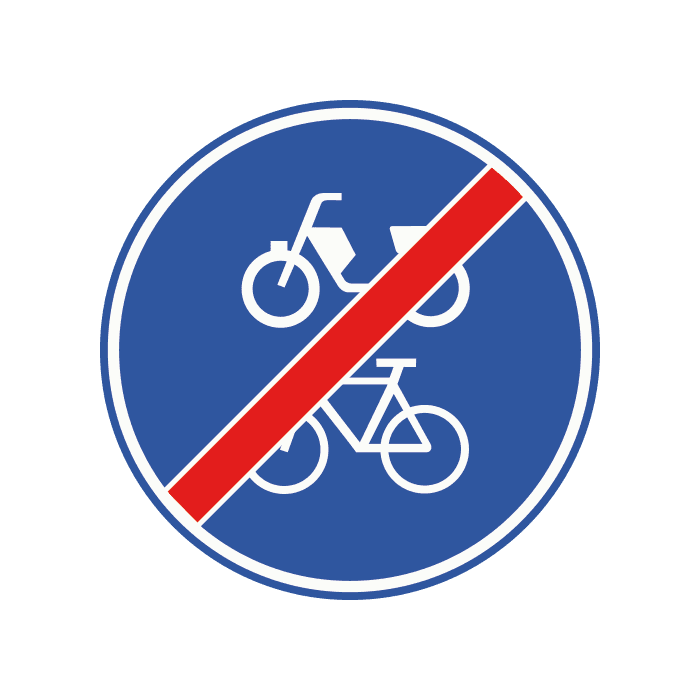
You're no longer required to use the combined cycle/moped path after this sign.

The G13 sign means the cycle path is optional, giving you a choice.
The G14 sign marks the end of an optional cycle path.
After reviewing the full list of Dutch road signs, deepen your understanding by exploring signs organized by category or practicing with targeted questions. This systematic approach ensures you fully grasp every sign's meaning and application, preparing you thoroughly for your CBR driving theory exam.
View All Dutch Road Signs