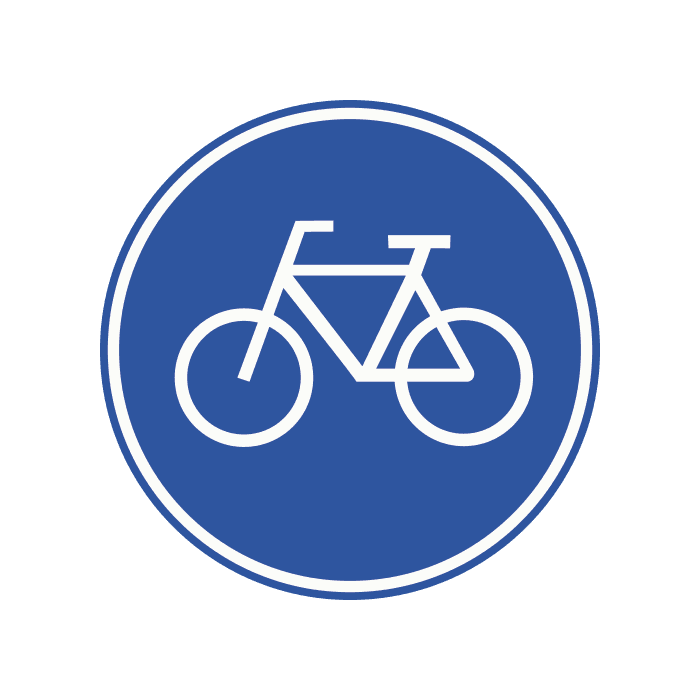
The G11 sign indicates the start of a mandatory cycle path, meaning cyclists are legally required to use this dedicated facility and are prohibited from riding on the adjacent carriageway. This sign is crucial for separating bicycle traffic from motor vehicles to enhance safety and traffic flow. As a driver, while this sign primarily addresses cyclists, it implies you should be aware of cyclists consistently using this path and expect them not to be on the main road.
This G11 sign marks the beginning of a mandatory cycle path, signalling that cyclists must use this dedicated route. Proper interpretation is crucial for road safety and compliance, making it a vital topic for your theory test revision and understanding Dutch traffic rules.
At the beginning of a mandatory cycle path, the round blue sign shows a white bicycle symbol and signals a dedicated verplicht fietspad. Cyclists must ride on this path wherever it is passable and may not choose the parallel carriageway. Local rules for snorfiets users are often shown on supplementary plates, while bromfiets riders usually use a different facility. Cyclists should respect any shared use markings, side road priorities and crossings along the path.
This sign indicates the start of a mandatory cycle path, or verplicht fietspad, that cyclists are obliged to use. From this point, bicycle traffic must use the marked path instead of the main carriageway. The facility separates cyclists from motor vehicles, so riders must stay on it, adjust their speed and behave predictably toward other path users.
Get clear, practical answers to the most common questions about the G11 - Start of Mandatory Cycle Path road sign. Learn how the sign works, what rules it represents, and how it affects real driving situations. This FAQ strengthens your understanding and supports accurate decision making for the Dutch driving theory exam in the Netherlands.
The G11 sign means that a cycle path is mandatory for cyclists. They must use this path and are not allowed to cycle on the main road alongside it. For drivers, it highlights that cyclists will be using a designated area.
When you see the G11 sign, you know that cyclists are required to use the cycle path. This means you should not expect cyclists on the main carriageway, and you should anticipate them using the dedicated path, especially near junctions or when passing.
No, if the G11 sign is displayed, cyclists are prohibited from riding on the adjacent carriageway. They must use the marked cycle path. The only exception might be if local regulations or supplementary signs, particularly concerning 'snorfietsen' (mopeds), indicate otherwise.
A common trap is confusing this with a non-mandatory cycle path sign (like G10), or assuming cyclists have a choice. For drivers, it's important to remember that the presence of G11 strictly enforces the use of the cycle path for cyclists, impacting where you expect to see them.
The rules for 'snorfietsen' can vary. While the G11 sign mandates cycle path use for standard bicycles, 'snorfietsen' may have different rules depending on local policy and any supplementary plates attached to the sign. Always check for additional signage.
A clear reference image of the G11 - Start of Mandatory Cycle Path road sign used in the Netherlands.
The G11 - Start of Mandatory Cycle Path road sign may also be known by these alternative names or terms.
The G11 - Start of Mandatory Cycle Path road sign is part of the Area, Road & Path Designations (G) category, which groups together signs with similar rules and functions.
Master Dutch traffic rules by comparing related road signs like the mandatory cycle path indicators. Understanding the subtle differences between similar traffic signs aids memory and reduces errors during your theory test revision.
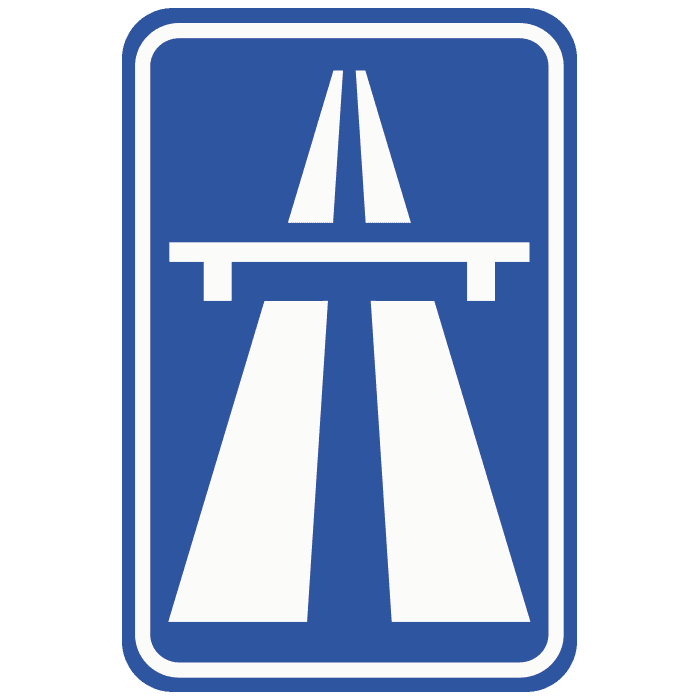
The G1 sign marks the beginning of a motorway where special rules apply.
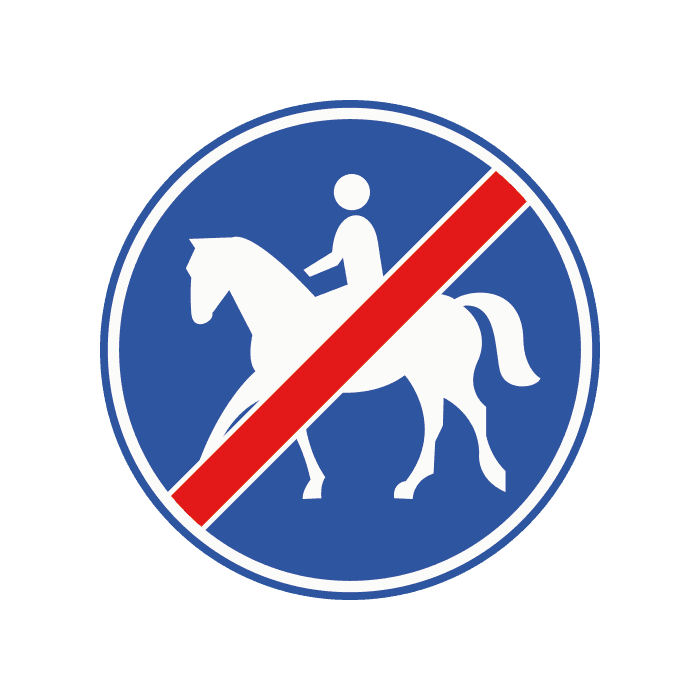
The G10 'End of Bridle Path' sign means the route is no longer exclusively for horse riders.
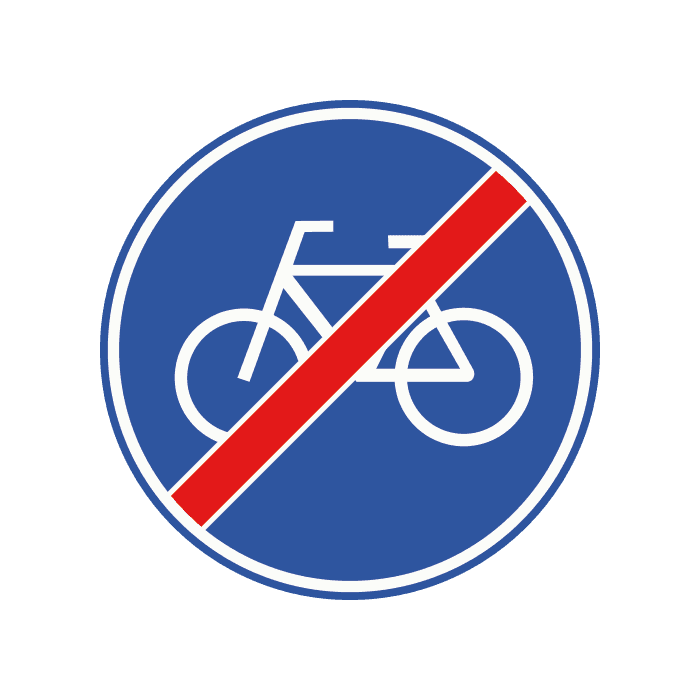
The G12 sign signals the end of your mandatory cycle path obligation.
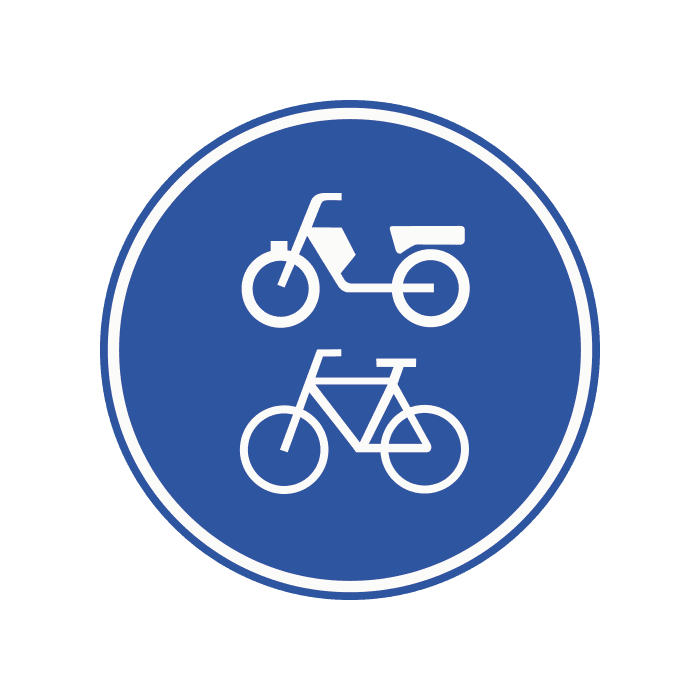
The G12a sign means you must use the mandatory cycle and moped path.
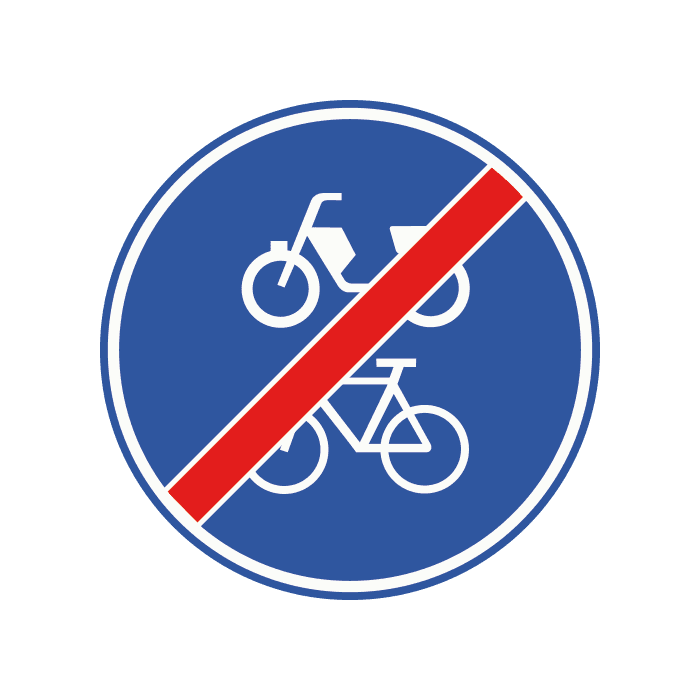
You're no longer required to use the combined cycle/moped path after this sign.

The G13 sign means the cycle path is optional, giving you a choice.
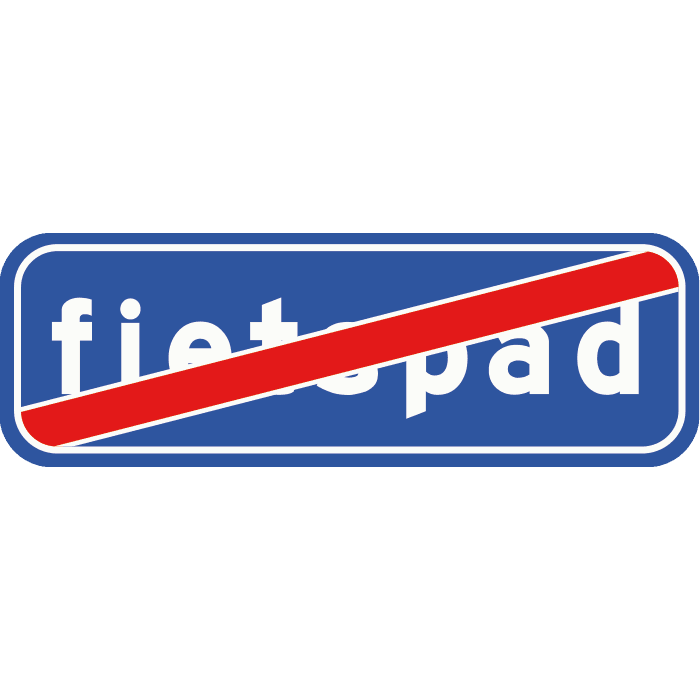
The G14 sign marks the end of an optional cycle path.
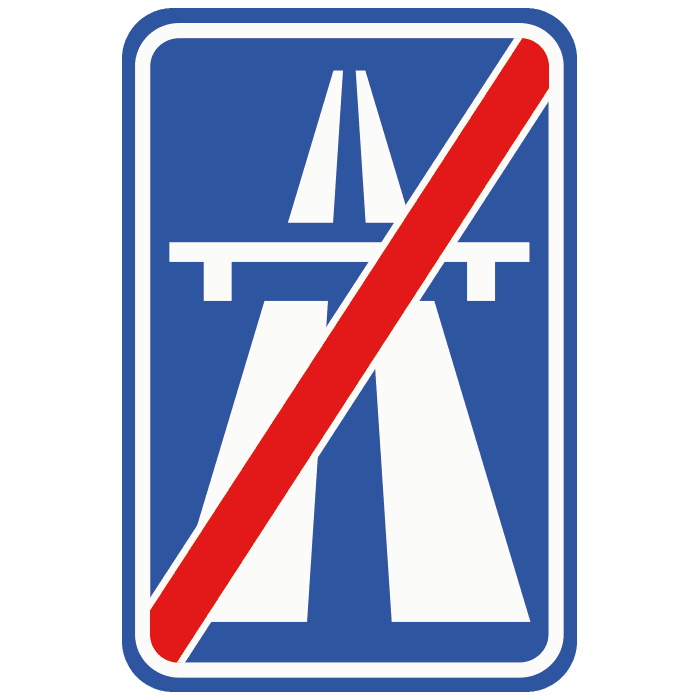
G2: Motorway Ends Here – Prepare for General Road Rules!
After reviewing the full list of Dutch road signs, deepen your understanding by exploring signs organized by category or practicing with targeted questions. This systematic approach ensures you fully grasp every sign's meaning and application, preparing you thoroughly for your CBR driving theory exam.
View All Dutch Road Signs