
Navigate Irish roads safely by understanding the distinct rules for Zebra, Pelican, and Toucan pedestrian crossings. This guide, based on the official Rules of the Road, clarifies driver responsibilities and pedestrian behaviour at each type of crossing. Gaining this knowledge is essential for your theory test preparation and for becoming a more aware and responsible driver in Ireland.
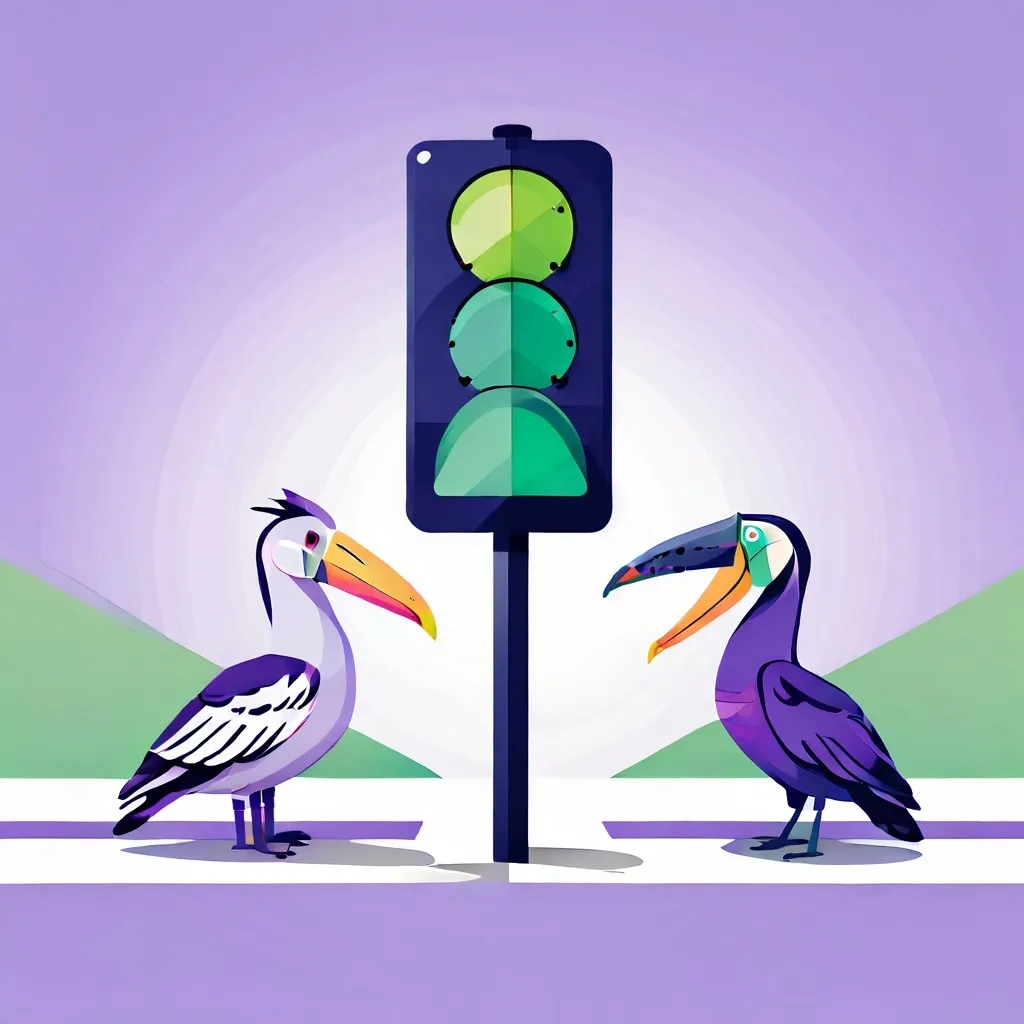
Article content overview
Understanding the various types of pedestrian crossings on Irish roads is fundamental for both aspiring drivers and experienced road users. These designated areas are critical for ensuring the safety of pedestrians, and their correct interpretation by drivers is a frequent topic in the Driver Theory Test. This article delves into the specifics of Zebra, Pelican, and Toucan crossings as outlined in the official Rules of the Road, providing clear guidance on driver responsibilities and pedestrian behaviour, all essential knowledge for passing your theory test and driving safely in Ireland.
Pedestrian crossings are vital infrastructure designed to allow people to cross roads safely. The Road Safety Authority (RSA) provides clear guidelines on how these crossings operate, and it's crucial for all drivers to know these rules intimately. Failure to adhere to the regulations at any pedestrian crossing can lead to dangerous situations, potentially resulting in accidents, and will certainly be penalised in the Driver Theory Test.
The core principle across all pedestrian crossings is to anticipate and be prepared to stop for pedestrians. Drivers must always exercise caution when approaching these areas, and vigilance is paramount, especially in urban environments or near schools and public transport hubs where pedestrian activity is higher.
Zebra crossings are perhaps the most iconic type of pedestrian crossing, easily identifiable by their distinctive black and white striped markings on the road surface. These crossings are often accompanied by flashing yellow beacons, serving as an additional visual cue for approaching drivers. The fundamental rule at a zebra crossing is that drivers must stop to allow pedestrians to cross. As a driver, you are required to slow down as you approach a zebra crossing and be prepared to stop completely.
It is essential to understand that while pedestrians have a clear right of way once they step onto the crossing, drivers must not enter any part of the crossing if it would impede a pedestrian's progress. Furthermore, drivers are prohibited from overtaking or parking within the zig-zag markings that typically delineate the areas on either side of a zebra crossing. This ensures a clear line of sight and prevents drivers from encroaching on the safe crossing zone, even when no pedestrians are immediately visible.
It's a common misconception that a pedestrian has absolute right of way the moment they signal their intention to cross. In reality, you only gain priority once you have actually stepped onto the zebra crossing itself. Therefore, never step onto the crossing if your action would force a driver to brake suddenly or swerve, as this could create a hazard.
Pelican crossings, which are pedestrian-operated traffic light controlled crossings, introduce a different set of rules. These crossings feature a push-button for pedestrians, and a flashing amber light for drivers after the red light for vehicles has extinguished. When the pedestrian signal shows a steady green ‘green man’ or ‘cross now’ sign, pedestrians can begin to cross. However, it is important to note that some pelican crossings may require pedestrians to cross only part of the way and then press another button to complete the crossing, especially on wider roads or complex junctions.
For vision-impaired pedestrians, these crossings often incorporate audible bleep signals or vibrating panels on the push-button to indicate when it is safe to cross, a detail that highlights the importance of ensuring these crossings are always functioning correctly. For drivers, the key signal to understand is the flashing amber light that appears after the red light for vehicles. This flashing amber light signifies that pedestrians already on the crossing have priority, and drivers must continue to wait until the crossing is clear. Once the pedestrian lights change to a flashing green man, it signals that the crossing phase is about to end, and drivers can prepare to move off when the lights change to green for vehicles, but only after ensuring the crossing is completely clear.
Toucan crossings are a modern development designed to accommodate both pedestrians and cyclists. These crossings are typically wider than standard pedestrian crossings and are controlled by traffic lights that show green signals for both groups when it is safe to proceed. The "Toucan" name is a clever play on "two can" cross, signifying that both pedestrians and cyclists can use it simultaneously.
Similar to pelican crossings, toucan crossings are controlled by traffic lights. When the lights indicate it is safe for pedestrians and cyclists, a green signal will be displayed. Some advanced toucan crossings are equipped with sensors that can adjust signal timings based on detected movement, aiming to improve traffic flow and pedestrian/cyclist wait times. Drivers approaching a toucan crossing must treat it as a controlled junction and obey the traffic signals precisely. When the signals are red for traffic, you must stop and wait for the green signal before proceeding.
An important consideration for drivers, especially in areas surrounding schools, is the presence of school wardens. These individuals, often wearing high-visibility clothing and carrying a 'Stop' sign, are legally empowered to halt traffic to ensure children can cross the road safely. When a school warden raises their 'Stop' sign, you must come to a complete stop and remain stationary until the children have safely crossed, the sign is lowered, and the warden has returned to the footpath.
Junior school wardens, who are senior pupils assisting adult wardens, operate under similar principles. They work in teams and signal traffic to stop on both sides of the road before guiding younger children across. It is imperative for all drivers to comply with their signals, as all vehicles must remain stopped until all junior wardens and children are safely back on the footpath. Drivers must also be mindful not to park in a way that obstructs a school warden's view, as their ability to see the road clearly is crucial for their safety and the safety of the children.
Never attempt to drive past a school warden who has signalled for traffic to stop, even if you believe there are no children immediately present. Always wait for the signal to be lowered and for the warden to indicate it is safe to proceed.
The primary distinction between these crossings lies in their operational mechanisms and signalling. Zebra crossings rely on the visual cues of stripes and beacons, with drivers having a direct obligation to stop. Pelican and Toucan crossings utilise traffic light systems, which pedestrians often activate. School wardens, on the other hand, are human signals with the authority to stop traffic in specific contexts. Regardless of the type, the overarching rule is to be observant, anticipate potential hazards, and always be prepared to stop for pedestrians.
Understanding these differences is vital for the Driver Theory Test. Questions may arise that test your knowledge of who has priority, what signals to look for, and the correct driver behaviour in each scenario. For instance, you might be asked about the significance of a flashing amber light at a pelican crossing or the responsibilities at a zebra crossing.
A common pitfall for learners is assuming they can proceed at a zebra crossing if no pedestrian is immediately visible. Remember, drivers must always be prepared to stop. Another trap relates to pelican crossings; failing to wait for the lights to change to green for vehicles after the amber phase, or proceeding when pedestrians are still on the crossing, are frequent errors. With toucan crossings, drivers may forget that cyclists also use these and require the same consideration as pedestrians when the signal allows. Finally, complacency near schools, particularly regarding school wardens, can lead to serious consequences.
At all pedestrian crossings in Ireland, drivers have a fundamental responsibility to yield to pedestrians. This means slowing down as you approach, being prepared to stop, and stopping completely if a pedestrian is on or is about to enter the crossing. For pelican and toucan crossings, you must obey the traffic signals. At zebra crossings, drivers must stop if a pedestrian is present. For school wardens, their signals must be obeyed implicitly.
Mastering the rules of pedestrian crossings is a critical step towards passing your Irish Driver Theory Test and becoming a safer driver. Understanding the nuances of zebra, pelican, and toucan crossings, along with the role of school wardens, will equip you with the confidence needed on Ireland's roads.
This article covers three distinct types of pedestrian crossings in Ireland, each with specific operational rules drivers must understand. Zebra crossings rely on visual cues with drivers having a direct obligation to stop for pedestrians on the markings, while Pelican and Toucan crossings use traffic light systems that pedestrians activate. School wardens add a human safety element near schools with legal authority to stop traffic. Key exam-relevant details include understanding when pedestrians gain priority at each crossing type, interpreting flashing amber signals correctly, and knowing that both pedestrians and cyclists use toucan crossings.
A short set of high-value points that capture the most important ideas from this article.
At zebra crossings, pedestrians only gain priority once they have actually stepped onto the crossing itself, not merely by signalling intention to cross
A flashing amber light at a pelican crossing means pedestrians already on the crossing have priority and drivers must wait until it is completely clear
Toucan crossings accommodate both pedestrians and cyclists simultaneously, as the name 'two can' indicates shared usage
School wardens and junior school wardens are legally empowered to halt all traffic and must be obeyed until they lower their sign and return to the footpath
Zig-zag markings at zebra crossings prohibit both parking and overtaking to maintain clear sightlines for all road users
Zebra crossings use black and white stripes with flashing yellow beacons; drivers must stop when pedestrians are on the crossing
Pelican crossings are traffic light controlled with push-buttons; after the red light, a flashing amber means wait for pedestrians to clear
Toucan crossings show green signals to both pedestrians and cyclists together when it is safe to proceed
At a pelican crossing, drivers proceed on the flashing amber only after the crossing is completely clear of pedestrians
Junior school wardens work in teams and signal traffic on both sides of the road before guiding younger children across
Assuming priority at a zebra crossing based on a pedestrian's intention or signalling rather than waiting for them to step onto the crossing
Proceeding at a pelican crossing during the flashing amber phase without confirming the crossing is entirely clear of pedestrians
Forgetting that toucan crossings are also used by cyclists and treating them identically to standard pedestrian-only crossings
Attempting to drive past a school warden who has raised their stop sign, even when no children appear to be immediately present
Parking or overtaking within zig-zag markings near zebra crossings, which is prohibited regardless of whether pedestrians are visible
Article content overview
A short set of high-value points that capture the most important ideas from this article.
At zebra crossings, pedestrians only gain priority once they have actually stepped onto the crossing itself, not merely by signalling intention to cross
A flashing amber light at a pelican crossing means pedestrians already on the crossing have priority and drivers must wait until it is completely clear
Toucan crossings accommodate both pedestrians and cyclists simultaneously, as the name 'two can' indicates shared usage
School wardens and junior school wardens are legally empowered to halt all traffic and must be obeyed until they lower their sign and return to the footpath
Zig-zag markings at zebra crossings prohibit both parking and overtaking to maintain clear sightlines for all road users
Zebra crossings use black and white stripes with flashing yellow beacons; drivers must stop when pedestrians are on the crossing
Pelican crossings are traffic light controlled with push-buttons; after the red light, a flashing amber means wait for pedestrians to clear
Toucan crossings show green signals to both pedestrians and cyclists together when it is safe to proceed
At a pelican crossing, drivers proceed on the flashing amber only after the crossing is completely clear of pedestrians
Junior school wardens work in teams and signal traffic on both sides of the road before guiding younger children across
Assuming priority at a zebra crossing based on a pedestrian's intention or signalling rather than waiting for them to step onto the crossing
Proceeding at a pelican crossing during the flashing amber phase without confirming the crossing is entirely clear of pedestrians
Forgetting that toucan crossings are also used by cyclists and treating them identically to standard pedestrian-only crossings
Attempting to drive past a school warden who has raised their stop sign, even when no children appear to be immediately present
Parking or overtaking within zig-zag markings near zebra crossings, which is prohibited regardless of whether pedestrians are visible
Explore related topics, search based questions, and concepts that learners often look up when studying Irish Pedestrian Crossings. These themes reflect real search intent and help you understand how this topic connects to wider driving theory knowledge in Ireland.
Find clear and practical answers to common questions learners often have about Irish Pedestrian Crossings. This section helps explain difficult points, remove confusion, and reinforce the key driving theory concepts that matter for learners in Ireland.
A Pelican crossing is for pedestrians only and has a flashing amber light stage for drivers. A Toucan crossing is designed for both pedestrians and cyclists, with traffic lights showing green signals for both when safe to cross.
Drivers must stop and allow pedestrians to cross at a Zebra crossing when they see pedestrians on or approaching the crossing. They must also be aware of zig-zag markings on either side, where overtaking and parking are prohibited.
A flashing green man indicates that the crossing time is ending. Drivers should be aware that pedestrians may still be on the crossing. The lights will change to a red man, and drivers must stop if the pedestrian has not cleared the crossing.
No, Zebra crossings are specifically for pedestrians. Cyclists should dismount or use a different crossing if available, such as a Toucan crossing, where they are permitted.
Pedestrians must wait for the green man signal to appear and only cross when it is safe. They should not start crossing if the green man is flashing, as this indicates the signal is about to change back to red.
After searching, continue your DTT preparation by exploring related articles, practicing questions, or reviewing specific road sign categories. Deepen your understanding of Irish road rules and ensure you're fully prepared for your Driver Theory Test.