
Understand how to safely share the road with pedestrians, children, the elderly, cyclists, and users of mobility scooters. This section is vital for your Dutch theory exam, covering their specific needs and rights to ensure safe interactions and reduce risks in real traffic.
This collection of practice questions helps you master interactions with vulnerable road users, vital for your Dutch driving theory exam. Focus on topics like pedestrian rights, cyclist behaviour, and elderly drivers to avoid common learner mistakes. Comprehensive topic revision ensures you are fully prepared for critical scenarios on Dutch roads.
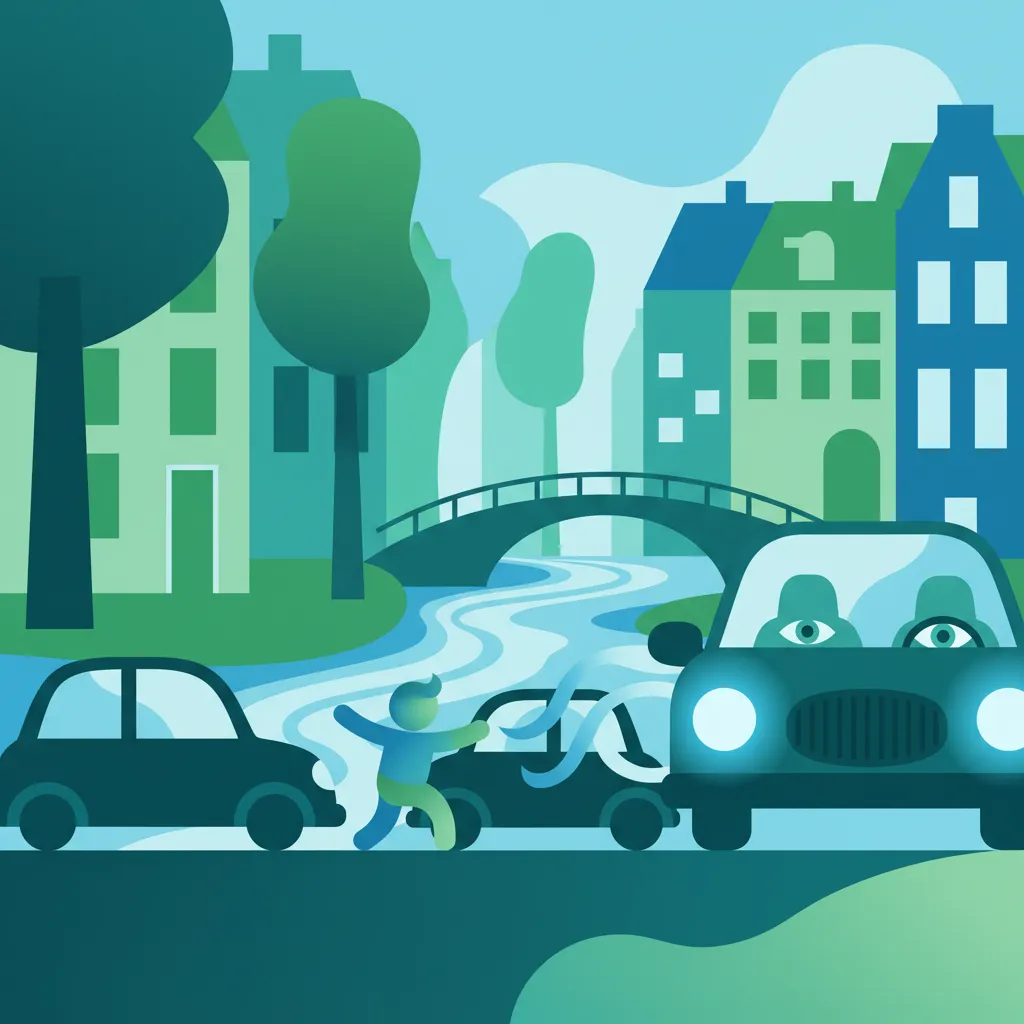
Master Vigilance: Protecting Our Most Vulnerable Road Users
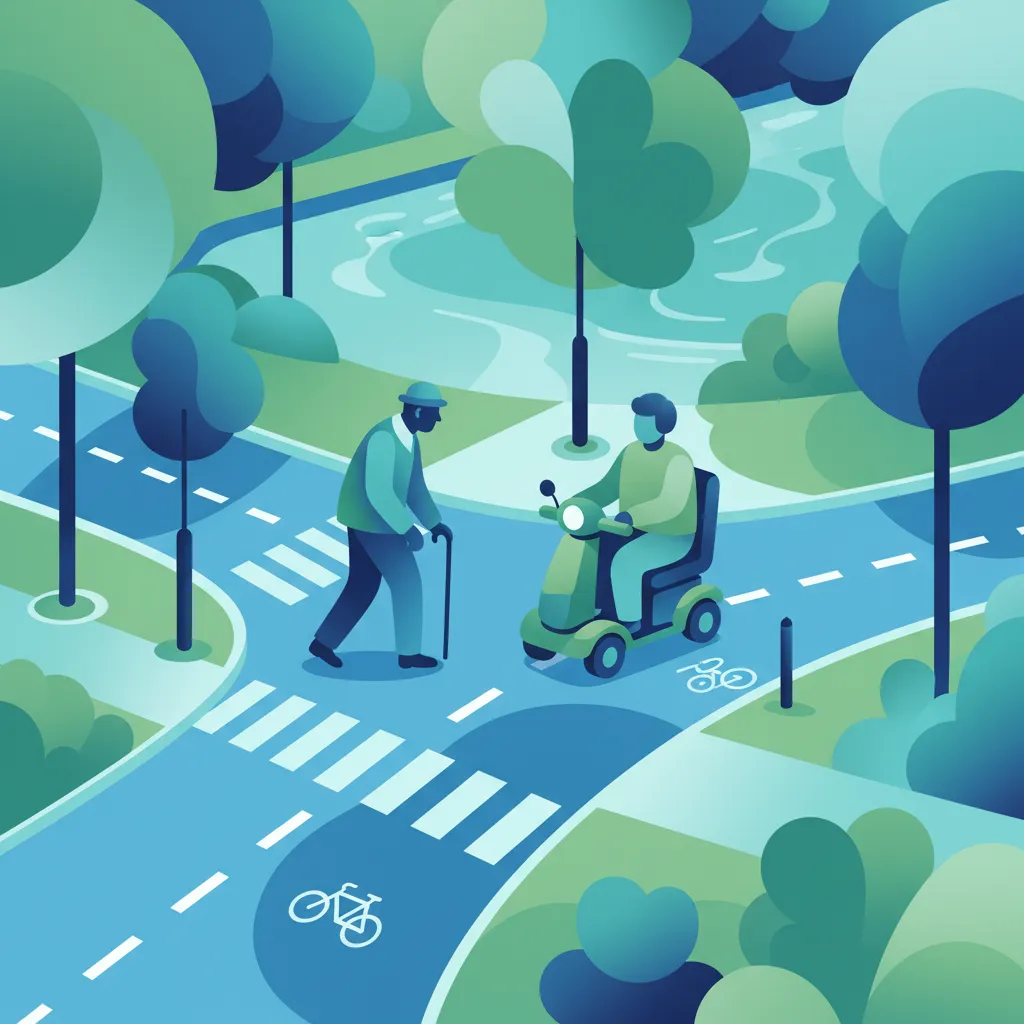
Mastering Situations with Vulnerable Road Users for Your Dutch Exam
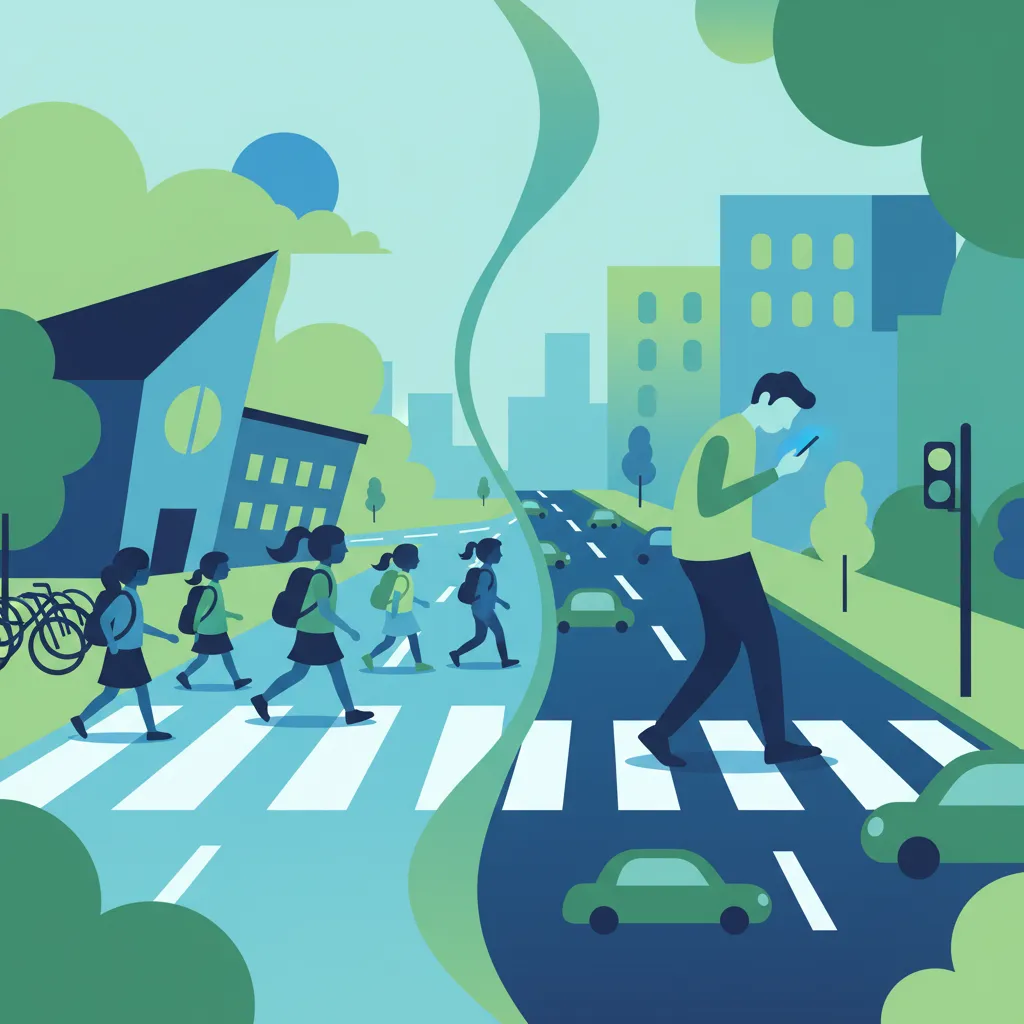
Stay Ahead of the Unexpected: Master Pedestrian Hazard Perception
Mastering interactions with pedestrians, cyclists, and other vulnerable road users is vital for both your Dutch driving theory exam and safe driving. This category sharpens your awareness, improves hazard perception, and ensures you understand their rights, leading to fewer mistakes and a higher chance of passing.
Learners in the Netherlands choose Pedestrians and Vulnerable Road Users practice to prepare for realistic exam questions and difficult scenarios that often appear in the official theory test. This category is popular because it helps strengthen rule knowledge, reduce common mistakes, and build confidence before taking the Dutch driving theory exam.
All practice sets available
Practice sets in Pedestrians and Vulnerable Road Users
Practising Pedestrians and Vulnerable Road Users helps you understand key rules and situations tested in the Dutch driving theory exam in the Netherlands.
Get answers to common questions learners have about practising Pedestrians and Vulnerable Road Users. This section highlights what is tested, how practice helps, and how to improve your results for the Dutch driving theory exam in the Netherlands.
The theory exam in the Netherlands includes questions about vulnerable road users to test your understanding of their specific needs and rights. Expect scenarios involving pedestrian crossings, cyclists, and situations where you must anticipate unpredictable movements.
Understanding how to safely interact with vulnerable road users is a key component of the Dutch driving theory exam. Demonstrating this knowledge is essential for achieving a passing score and ensuring safety on the road.
Vulnerable road users can be less predictable than other vehicles. Their smaller size, slower speeds, and potential for sudden movements can make them harder to see and anticipate, requiring extra attention and caution.
By practising scenarios involving pedestrians and other vulnerable users, you'll learn to recognise potential hazards, understand priority rules, and make safer decisions. This targeted practice directly prepares you for exam questions and real-world driving.
In the Netherlands, vulnerable road users include pedestrians (especially children and the elderly), cyclists, users of mobility scooters, and horse riders. They have specific rights and require extra consideration from drivers.
Explore other practice categories connected to Pedestrians and Vulnerable Road Users. These sections help you practise additional topics, strengthen your understanding of driving theory in the Netherlands, and prepare more completely for the theory exam.
Select a practice category from the list to begin targeted revision for your Dutch driving theory exam. Whether it's road signs, traffic rules, or specific maneuvers, you can focus on improving your understanding and boosting your confidence for the official CBR test.