
Prepare for the unpredictable nature of Dutch winter roads with this essential practice set. You'll tackle challenging questions on driving safely on snow and ice, including identifying black ice, adjusting your speed, and maintaining adequate following distances. Master crucial safety techniques to confidently pass the driving theory exam and stay safe in real-world slippery conditions.
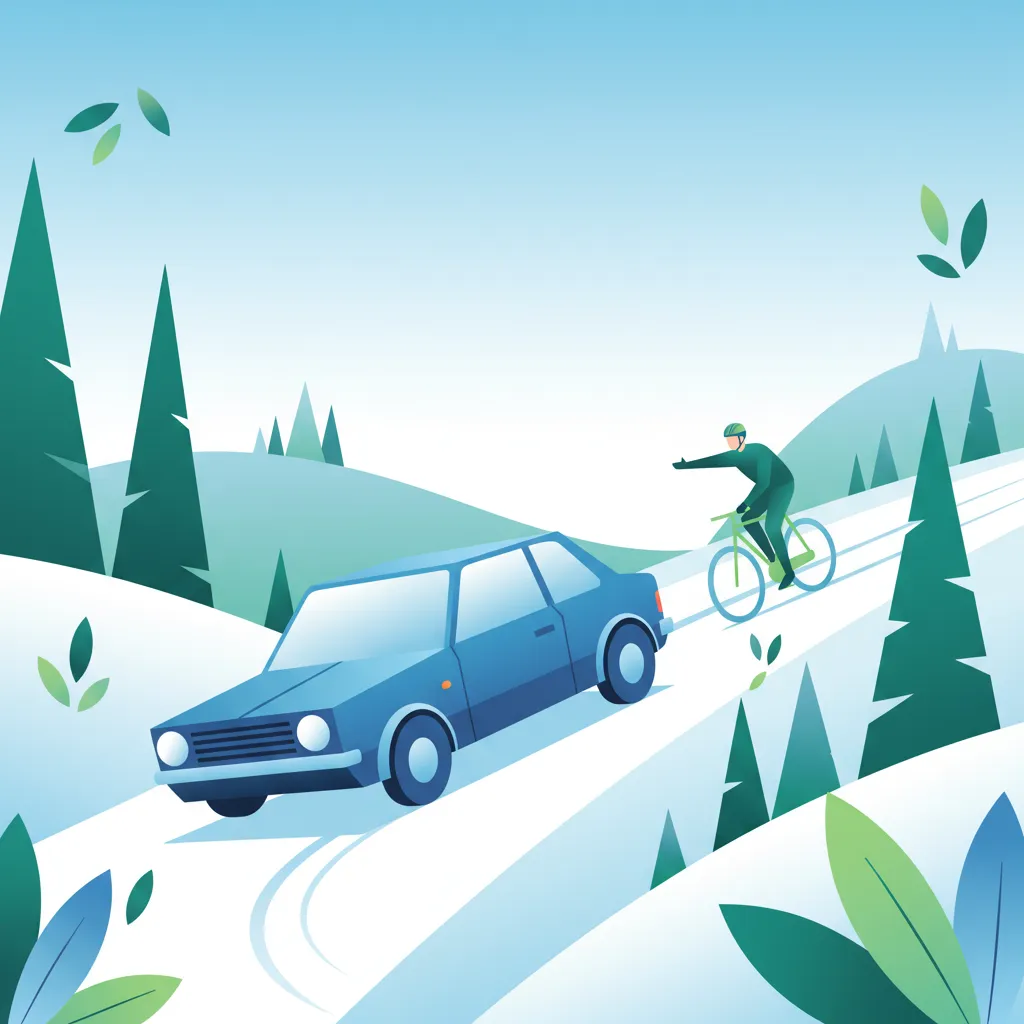
This practice set offers targeted revision for driving on snow and ice, crucial for your Dutch driving licence theory exam. Sharpen your hazard perception and decision-making skills for winter conditions in the Netherlands, covering official traffic rules and safe techniques. Use these practice questions to confidently prepare for your CBR exam.
Prepare for the most challenging winter conditions with this focused practice set. It covers essential techniques like gentle steering and braking, avoiding sudden acceleration, and safely approaching inclines. Understand the differences between fresh snow and compacted ice, and how to stay safe in treacherous Dutch winter weather.
Preview sample questions from the Driving on Snow & Ice practice set to see how they help you prepare for the driving theory exam in the Netherlands.
Learners choose Driving on Snow & Ice to improve accuracy and understanding of key exam themes in the Netherlands. It offers realistic driving theory questions and targeted revision for effective preparation.
Find answers to the most common queries learners have when practising Driving on Snow & Ice, including how questions match the official theory exam in the Netherlands, how scoring works, and how this practice improves exam readiness.
Black ice is often transparent and can look like a wet patch, making it extremely difficult to spot. It commonly forms in shaded areas, on bridges, and overpasses, which freeze faster and stay frozen longer. Be vigilant for a sudden change in road appearance, especially when temperatures are around 4°C or below, as ground frost can also create invisible slippery patches.
The most crucial rule is to avoid abrupt actions. This means no sudden braking, sharp steering, or quick acceleration. All control inputs should be gentle and smooth to maintain the limited traction available and prevent skidding. Releasing the accelerator early is often safer than sudden braking.
This practice set is specifically designed to simulate CBR-style questions focusing on driving in snow and icy conditions in the Netherlands. It covers essential rules, risk assessment, and safe driving techniques to ensure you are well-prepared for these challenging scenarios on your official exam, enhancing your chances of passing.
According to Dutch traffic rules, you should use front fog lights only if visibility is less than 200 metres due to snow. If visibility drops below 50 metres, you must also use your rear fog lights. Always assess visibility carefully and use lights appropriately, keeping in mind that snow can significantly reduce clarity.
Fresh snow can offer slightly more grip than compacted ice, but both significantly reduce traction. Compacted ice, especially black ice, is extremely slippery and provides very little grip, demanding even slower speeds and gentler controls. Fresh snow can obscure road markings and deepen with drifts, requiring careful observation and maintaining momentum. Always assume the worst conditions.
By completing Driving on Snow & Ice, you will gain stronger rule knowledge, faster recognition of signs and situations, better decision making in traffic scenarios, and increased accuracy on exam style questions used in the Netherlands. These outcomes directly support higher scoring exam performance.
Continuing with related practice questions allows you to reinforce crucial knowledge about adverse weather driving and compare strategies for different challenging scenarios. This thorough topic revision is vital for your Dutch driving theory test preparation, ensuring you're ready for any official CBR exam question.
Drive Safely: Mastering Speed Adaptation for Challenging Dutch Road Conditions
Mastering Road Hazards in Challenging Conditions is Crucial for Your Exam
Master Wet Weather Driving Skills & Avoid Aquaplaning for Your CBR Exam
Master challenging weather conditions for a safer ride and a passing score.
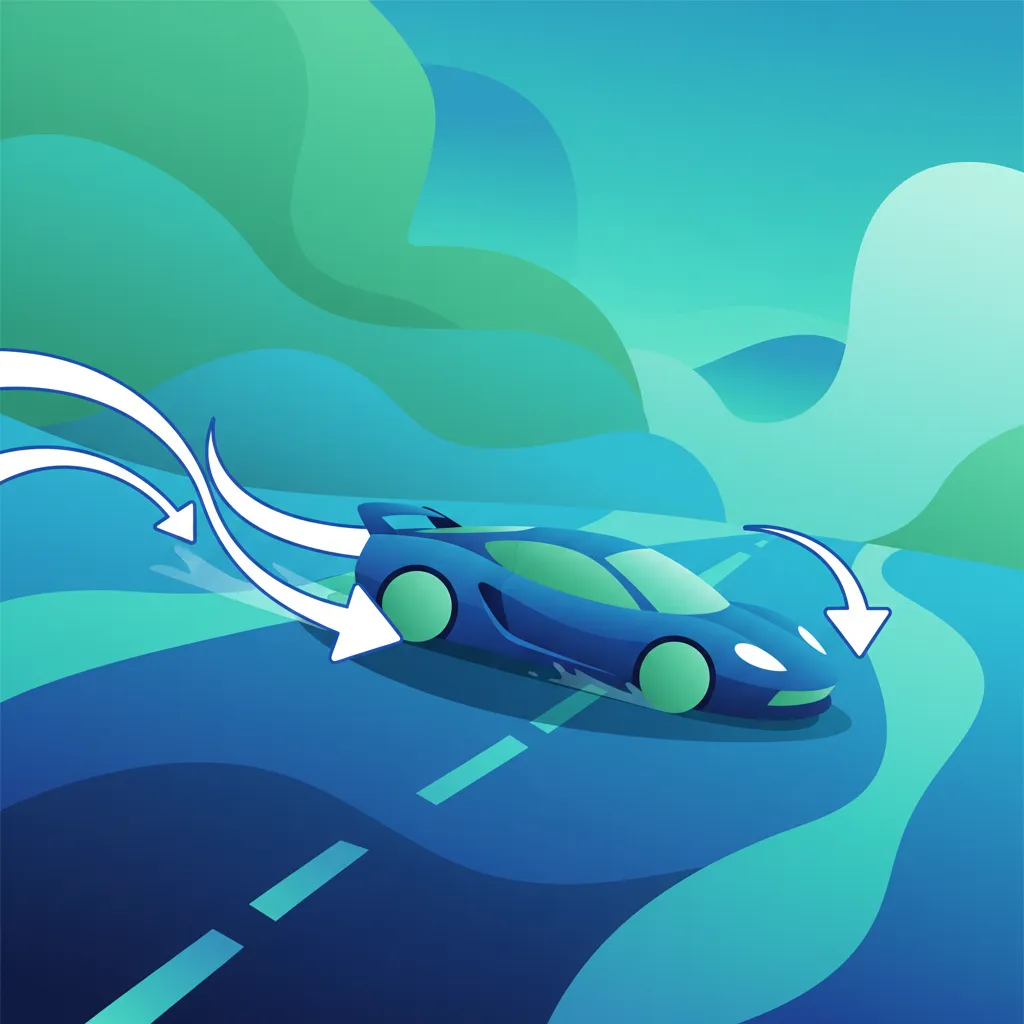
Navigate unexpected slides: essential skills for Dutch roads and your exam.

Unlock Key Tire Safety Knowledge for Your Dutch Driving Theory Exam.
Questions in Driving on Snow & Ice
Exam focused questionss
Driving on Snow & Ice offers quick, focused exam style practice to boost your Dutch knowledge for the driving theory exam in the Netherlands.
Driving on Snow & Ice helps learners in the Netherlands with clear explanations and targeted Dutch practice to improve essential driving theory topics.
This practice set is designed for advanced learners and those preparing for the Dutch driving theory exam who want to master challenging winter driving scenarios. It addresses common misconceptions and critical safety knowledge required to confidently handle slippery roads, helping you avoid crucial mistakes on your CBR test.
Explore more topics for the Dutch driving theory exam in the Netherlands.
Select a practice category from the list to begin targeted revision for your Dutch driving theory exam. Whether it's road signs, traffic rules, or specific maneuvers, you can focus on improving your understanding and boosting your confidence for the official CBR test.
Practice Categories Overview