
The H1 'Begin Built-Up Area' sign, also known as 'City Entry' or 'Town Entrance', marks the immediate start of an urban zone where stricter traffic rules apply. As you pass this sign, you must adhere to the reduced urban speed limit, which is typically 50 km/h unless indicated otherwise. Be aware that priority rules for buses pulling out from stops become active, and parking regulations are more stringent. Expect increased traffic, more pedestrians, and cyclists, requiring you to drive more cautiously.
The H1 sign is crucial for drivers in the Netherlands, indicating an immediate shift to urban traffic rules and typically a 50 km/h speed limit. Correct road sign meaning is vital for the Dutch driving theory test and safe navigation, as it impacts priority for buses, parking, and increased pedestrian caution within these zones.
The H1 sign marks the official boundary of a built-up area and signals a change to an urban driving environment. Inside this zone, the standard speed limit is typically 50 km/h unless other limits are posted, and drivers must give priority to buses leaving signed bus stops. Parking and stopping rules become stricter, pedestrian and cyclist density increases, and you must apply extra care at junctions and crossings.
This sign indicates that you are entering a built-up area where urban traffic rules apply. From this point, the general speed limit is lower, there are more pedestrians and cyclists, and buses pulling away from marked stops often have priority. You must drive more cautiously, anticipate frequent crossings, and respect stricter parking and stopping regulations.
Get clear, practical answers to the most common questions about the H1 - Begin Built-Up Area road sign. Learn how the sign works, what rules it represents, and how it affects real driving situations. This FAQ strengthens your understanding and supports accurate decision making for the Dutch driving theory exam in the Netherlands.
When you see the H1 sign, you are entering a built-up area. This generally means the speed limit automatically drops to 50 km/h, unless another speed limit is specifically indicated by other signs. You must reduce your speed to comply with this new limit immediately upon passing the H1 sign.
Yes, inside built-up areas, marked by the H1 sign, you must give priority to buses that are signaling to pull out from a bus stop. Always be prepared to slow down or stop to let them merge safely into traffic.
A common trap is assuming the urban speed limit only starts a little way after the sign, or that you can maintain your previous speed for a short distance. The H1 sign indicates the *exact* point where urban rules and speed limits begin, so immediate adjustment is required.
Yes, parking rules often become more restricted within built-up areas. You must pay close attention to local signs and markings indicating where parking is permitted or prohibited, as these are typically stricter than outside urban zones.
Upon seeing the H1 sign, you should immediately adjust your driving. This means reducing your speed, increasing your awareness of pedestrians and cyclists, being ready to yield to buses, and being mindful of stricter parking regulations. It signifies a transition to a more complex and potentially hazardous traffic environment.
A clear reference image of the H1 - Begin Built-Up Area road sign used in the Netherlands.

The H1 - Begin Built-Up Area road sign may also be known by these alternative names or terms.
The H1 - Begin Built-Up Area road sign is part of the Built-Up Area Signs (H) category, which groups together signs with similar rules and functions.
Comparing signs like the 'Begin Built-Up Area' with others in its category sharpens your recall and reduces confusion, which is vital for theory test revision. Practicing traffic sign comparison helps you distinguish subtle differences, improving your overall sign recognition for safer driving in the Netherlands.

The H1-new sign marks the start of a built-up area, signaling a change to urban traffic rules.

You're leaving a built-up area, so prepare for new traffic rules!
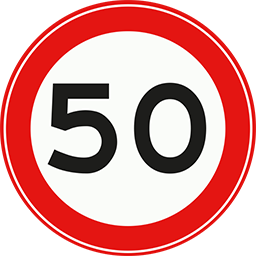
Maximum Speed (A1) Sign: Know Your Limits on Dutch Roads
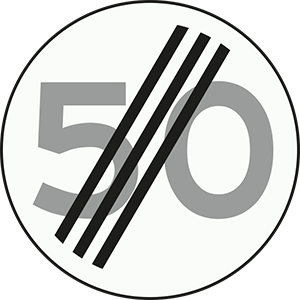
The A2 sign signals the end of a previously posted maximum speed limit.
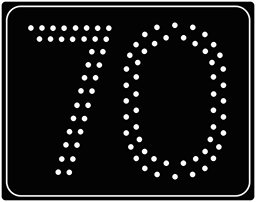
Dynamic Speed Limits: Obey the Electronic Signal Board!
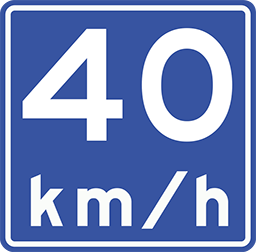
The A4 Recommended Speed sign advises a safe speed for current road conditions.
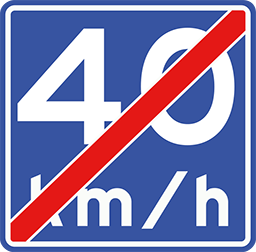
The A5 sign signals the end of the recommended speed, meaning normal rules apply again.
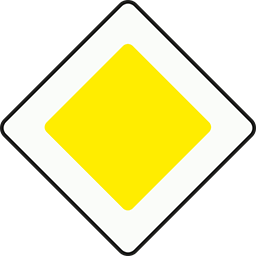
The B1 Priority Road sign means you have the right of way.
Improve your recognition of official Dutch traffic signs by exploring related theory modules and complex priority scenario studies. These linked resources bridge the gap between visual identification and applying traffic rules correctly for your CBR exam.
Transitioning to a full Category A motorcycle licence in the Netherlands involves specific age thresholds and waiting periods, especially when upgrading from an A2 licence. This guide explains these requirements and the associated exam procedures at the CBR, ensuring you are fully prepared for the progression steps necessary for unrestricted motorcycle riding.
Even at 50 km/h, roads within Dutch built-up areas pose a significant risk of serious injury, accounting for a large percentage of accidents. This article delves into these critical statistics from SWOV reports, explaining why understanding these dangers is essential for mastering Dutch traffic laws and succeeding in your CBR theory exam. Prepare to grasp the nuances of urban road safety.
Unravel the complexities of offset junctions and nail every priority question.
Master pedestrian priority to navigate Dutch intersections safely and pass your CBR exam.
The G5 sign designates an erf, a special zone within built-up areas where the street is shared closely by residents, children, cyclists, and motor vehicles. The effective speed is around walking pace, and drivers must give clear priority to pedestrians and playing children at all times. Parking is restricted to marked bays, and using the area as a fast through-route is contrary to the intended living-street character.
The G6 sign marks the boundary where a residential erf ends and the road returns to the standard urban regime. Beyond it, the very low walking-pace speed limit and strict pedestrian priority are no longer in force, although normal protection of vulnerable road users remains. Drivers must again follow general speed limits, parking rules, and priority systems for the type of road and area they are entering.
After reviewing the full list of Dutch road signs, deepen your understanding by exploring signs organized by category or practicing with targeted questions. This systematic approach ensures you fully grasp every sign's meaning and application, preparing you thoroughly for your CBR driving theory exam.
View All Dutch Road Signs