
This blue circular sign with a red diagonal stripe, officially known as the 'End of Recommended Speed' (A5), indicates that the previously advised speed limit is no longer in effect. You should resume driving at a speed appropriate for the traffic conditions and legal limits. This sign is an informational sign, and while it doesn't impose a new restriction, it signals a return to standard Dutch traffic regulations and speed expectations. Always adapt your speed to the circumstances, including weather and road conditions.
Properly interpreting the 'End of Recommended Speed' traffic sign (A5) is crucial for managing your speed correctly and safely adapting to changing road conditions in the Netherlands. This road sign meaning signifies the end of an advisory speed, reminding you to always adhere to legal speed limits and adjust your driving for the Dutch theory test.
The blue recommended speed sign crossed by black diagonal stripes marks the end of that advisory speed section. After passing it, the specific recommendation is no longer relevant, although normal legal limits and general safe driving principles still apply. It reminds drivers to reassess their speed choice for the new road situation.
This sign indicates that the previously advised speed no longer applies beyond this point. You are still required to drive within the legal limits and adapt to traffic and weather, but you no longer need to consider the earlier recommended value as a specific guideline.
Get clear, practical answers to the most common questions about the A5 - End of Recommended Speed road sign. Learn how the sign works, what rules it represents, and how it affects real driving situations. This FAQ strengthens your understanding and supports accurate decision making for the Dutch driving theory exam in the Netherlands.
The A5 sign means that any recommended speed that was previously indicated by a similar blue sign without a diagonal stripe no longer applies. You are now expected to follow the general speed limits and drive at a speed suitable for the road and traffic conditions.
When you see the A5 sign, it signifies the end of a suggested speed limit. You can resume driving at a speed that is appropriate for the current traffic flow, road conditions, and the legal speed limit for that area. It's essential to continue driving defensively and be aware of other road users.
No, the A5 sign itself does not impose a new speed restriction. It merely cancels a previous recommendation. You should adhere to the posted speed limits and adjust your speed based on factors like weather, road surface, and traffic density.
A common mistake is assuming that because the recommended speed has ended, you should immediately speed up significantly. Learners might forget to check the actual legal speed limit or fail to adapt their speed appropriately to current traffic and weather conditions, which can lead to unsafe driving or a failed theory exam question.
The A5 sign is an informational sign, not a warning or prohibition. It simply provides information about the end of a previously advised speed. It tells you that a specific recommendation has finished, and standard traffic rules are now fully in effect.
A clear reference image of the A5 - End of Recommended Speed road sign used in the Netherlands.
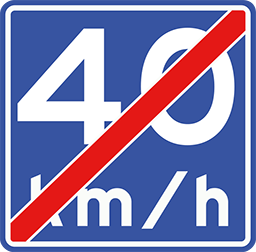
The A5 - End of Recommended Speed road sign may also be known by these alternative names or terms.
The A5 - End of Recommended Speed road sign is part of the Speed Signs (A) category, which groups together signs with similar rules and functions.
Master Dutch traffic rules by comparing signs like 'End of Recommended Speed' with related ones. Understanding subtle differences improves sign recognition and recall, crucial for your theory test revision and overall driving safety.
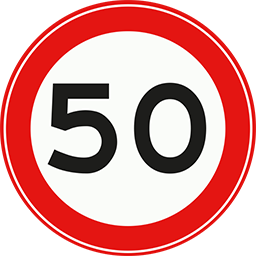
Maximum Speed (A1) Sign: Know Your Limits on Dutch Roads
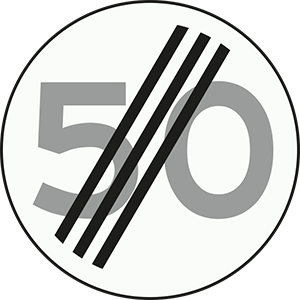
The A2 sign signals the end of a previously posted maximum speed limit.
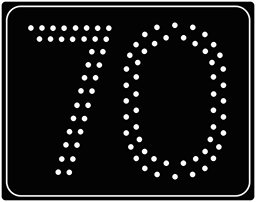
Dynamic Speed Limits: Obey the Electronic Signal Board!
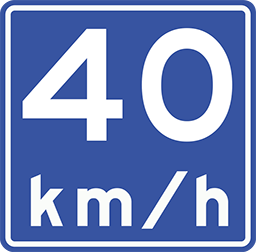
The A4 Recommended Speed sign advises a safe speed for current road conditions.
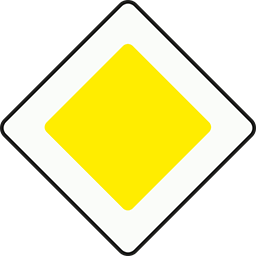
The B1 Priority Road sign means you have the right of way.

The B2 sign marks the end of your priority on the road.

You have priority at the upcoming intersection!

The B4 sign means traffic from the left must yield at this intersection.
Improve your recognition of official Dutch traffic signs by exploring related theory modules and complex priority scenario studies. These linked resources bridge the gap between visual identification and applying traffic rules correctly for your CBR exam.
Being involved in a car accident is stressful, but understanding your legal duties in the Netherlands is essential for both immediate safety and long-term legal standing. This article explains the mandatory actions you must take, such as stopping at the scene, offering assistance to anyone injured, and reporting the incident correctly, all of which are important for safe driving practices and the CBR theory exam.
While your Dutch A licence grants you broad motorcycle riding privileges, there are several legal obligations you must fulfil. This article explores the necessary insurance, registration, helmet, and vehicle condition requirements for A licence holders. Staying informed about these rules ensures you ride legally and safely in the Netherlands and prevents common errors on the theory exam.
Know Your Duties: What to Do After a Road Accident in the Netherlands
Know Your Legal Duties: What to Do After an Accident in Dutch Traffic
The end of mandatory cycle path sign is placed where a verplicht fietspad changes into another type of route, such as a mixed cycle lane, ordinary road or shared use area. From the sign onward, the strict obligation for cyclists to remain on the previous path no longer applies. Cyclists must look for new markings and signs that indicate where they should ride, how to merge with motor traffic and which priorities apply at junctions.
C22d is the end sign for a zero emission zone that applied to commercial vehicles. It shows where the specific access rules for zero emission freight traffic finish, but it does not cancel other closures, speed limits, or parking regulations. The sign is positioned at the perimeter of the zone to give a clear transition. Drivers should adapt to the local rules that apply beyond the boundary.
After reviewing the full list of Dutch road signs, deepen your understanding by exploring signs organized by category or practicing with targeted questions. This systematic approach ensures you fully grasp every sign's meaning and application, preparing you thoroughly for your CBR driving theory exam.
View All Dutch Road Signs