This modernized H1-new road sign indicates the beginning of a built-up area, where urban traffic rules and speed limits immediately apply. Its updated design enhances recognition by modern vehicle systems like Intelligent Speed Assistance (ISA), helping ensure compliance. Drivers must immediately adopt urban driving behaviour, including adhering to posted speed limits and being aware of specific urban priorities, such as yielding to buses at marked stops.
The H1-new sign signifies the start of a built-up area in the Netherlands, requiring immediate adherence to urban traffic rules and lower speed limits. Effective interpretation of this road sign is crucial for theory test revision and safe driving.
The H1-new sign is a modernized version of the traditional begin built-up area sign, optimized for machine vision and ISA systems while preserving its legal meaning. It marks the transition from rural to urban traffic rules, including lower default speeds, changed parking and stopping regulations, and priority for buses leaving bus stops in built-up areas. Drivers should still personally check posted limits and local conditions.
This updated begin built-up area sign has been redesigned for better recognition by cameras and Intelligent Speed Assistance systems. Although the visual style is modernized, the legal effect is identical: from this point, urban speed limits, parking rules, and bus priority in built-up areas apply. Drivers and technology should react at the sign, not several meters later.
Get clear, practical answers to the most common questions about the H1-new - New Type — Begin Built-Up Area road sign. Learn how the sign works, what rules it represents, and how it affects real driving situations. This FAQ strengthens your understanding and supports accurate decision making for the Dutch driving theory exam in the Netherlands.
The H1-new sign, a modernized version of the classic H1, officially announces the start of a built-up area. This means that urban speed limits and traffic regulations, such as specific priority rules, become immediately applicable from this point onwards.
The core legal meaning and effect of the H1-new sign are identical to the classic H1. The primary difference is its updated graphic design, which is optimized for better recognition by modern vehicle systems like Intelligent Speed Assistance (ISA) and advanced driver-assistance systems (ADAS).
Upon seeing the H1-new sign, you must reduce your speed to comply with the urban speed limit, which is typically 50 km/h unless otherwise indicated by additional signs. Do not wait until you are well past the sign to slow down; the urban rules start immediately.
Yes, when entering a built-up area indicated by the H1-new sign, be aware of specific urban priorities. This often includes yielding to buses that are leaving designated bus stops, as indicated by separate signage. Always remain observant of local traffic panels and conditions.
A common mistake is delaying the speed reduction until after passing the sign, or forgetting to check for other, more specific speed limit signs that might be posted within the built-up area. Also, learners sometimes overlook specific urban priorities like bus stops. Relying solely on ISA without confirming with the sign itself is also a trap.
A clear reference image of the H1-new - New Type — Begin Built-Up Area road sign used in the Netherlands.

The H1-new - New Type — Begin Built-Up Area road sign may also be known by these alternative names or terms.
The H1-new - New Type — Begin Built-Up Area road sign is part of the Built-Up Area Signs (H) category, which groups together signs with similar rules and functions.
Mastering Dutch road signs means understanding the subtle differences between them. Reviewing similar signs like the 'New Begin Built-Up Area' sign helps solidify your knowledge, preventing common mistakes during your theory test revision and enhancing overall sign recognition.

H1 Begin Built-Up Area: Entering Urban Traffic Rules

You're leaving a built-up area, so prepare for new traffic rules!
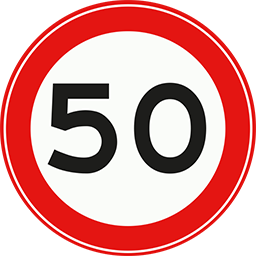
Maximum Speed (A1) Sign: Know Your Limits on Dutch Roads
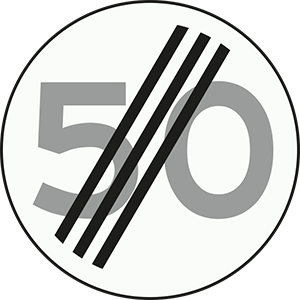
The A2 sign signals the end of a previously posted maximum speed limit.
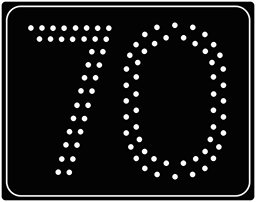
Dynamic Speed Limits: Obey the Electronic Signal Board!
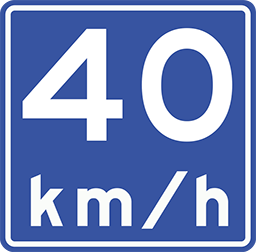
The A4 Recommended Speed sign advises a safe speed for current road conditions.
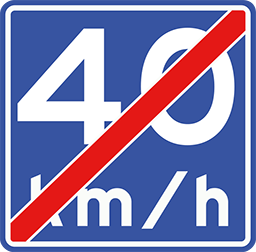
The A5 sign signals the end of the recommended speed, meaning normal rules apply again.
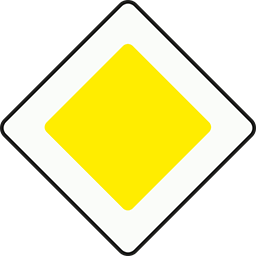
The B1 Priority Road sign means you have the right of way.
Improve your recognition of official Dutch traffic signs by exploring related theory modules and complex priority scenario studies. These linked resources bridge the gap between visual identification and applying traffic rules correctly for your CBR exam.
Being involved in a car accident is stressful, but understanding your legal duties in the Netherlands is essential for both immediate safety and long-term legal standing. This article explains the mandatory actions you must take, such as stopping at the scene, offering assistance to anyone injured, and reporting the incident correctly, all of which are important for safe driving practices and the CBR theory exam.
When involved in or witnessing a traffic accident in the Netherlands, knowing how to react can make a significant difference. This article guides you through the essential steps of providing safe assistance at accident scenes, emphasizing your responsibility to help without causing further harm. We cover how to assess a victim's condition, including checking for consciousness and breathing, and the critical considerations for safely moving someone if necessary, all in line with Dutch first aid standards.
Unravel the complexities of offset junctions and nail every priority question.
Master modern driver aids for safer journeys and a confident Dutch theory exam.
The H1 sign marks the official boundary of a built-up area and signals a change to an urban driving environment. Inside this zone, the standard speed limit is typically 50 km/h unless other limits are posted, and drivers must give priority to buses leaving signed bus stops. Parking and stopping rules become stricter, pedestrian and cyclist density increases, and you must apply extra care at junctions and crossings.
The dead end road sign is used mainly on residential streets and access roads to industrial areas to prevent unnecessary through traffic and reduce disturbance. It means the road stops for motor vehicles, although pedestrians and cyclists may sometimes continue via a path or track, which can be shown on a supplementary plate. Drivers entering should reduce speed, be prepared to turn in the provided area and watch carefully for playing children or reversing vehicles.
After reviewing the full list of Dutch road signs, deepen your understanding by exploring signs organized by category or practicing with targeted questions. This systematic approach ensures you fully grasp every sign's meaning and application, preparing you thoroughly for your CBR driving theory exam.
View All Dutch Road Signs