
The H2 'End of Built-Up Area' sign signals that you are exiting a zone where urban traffic rules apply. Beyond this point, you'll transition to rural traffic rules, which typically include a higher default speed limit (often 80 km/h, unless otherwise indicated). This change affects not only your speed but also rules regarding priority at bus stops and vehicle lighting, especially when stationary on unlit roads. Always check for new speed limit signs immediately after passing the H2 sign to avoid unintentional speeding.
The H2 road sign meaning directly affects driving behavior, signaling an immediate shift from urban traffic regulations to rural ones. This is crucial for your driving theory test, as speed limits, parking rules, and priority for buses change fundamentally after this point.
The H2 end built-up area sign indicates the exact point where special urban regulations stop, unless a different limit or zone is posted immediately afterward. Beyond the sign, the general rural speed limit often increases, parking on priority roads is usually prohibited unless signs permit it, and buses leaving bus stops no longer receive special priority. Drivers should adapt to longer sight distances, higher speeds, and fewer vulnerable road users.
This sign tells you that you are leaving a built-up area and that urban traffic rules no longer apply beyond this point, unless other signs say otherwise. From here, higher default rural speed limits may apply, bus priority rules change, and parking and lighting obligations follow the outside built-up area regime. Adjust your speed, sight lines, and following distance accordingly.
Get clear, practical answers to the most common questions about the H2 - End of Built-Up Area road sign. Learn how the sign works, what rules it represents, and how it affects real driving situations. This FAQ strengthens your understanding and supports accurate decision making for the Dutch driving theory exam in the Netherlands.
The H2 sign indicates that the urban speed limits and specific urban traffic rules no longer apply. You are now entering an area where different, usually less restrictive, rules are in effect, such as a higher default speed limit. It essentially means 'rural traffic rules now apply'.
As soon as you have fully passed the H2 sign, you should be aware that urban rules have ended. Check for any new speed limit signs, as the default speed limit will typically increase. Be mindful that priority for buses leaving bus stops may no longer apply, and adapt your driving to potentially higher speeds and longer sight distances.
A common trap is assuming that because urban rules have ended, you can immediately speed up to the highest possible rural limit without checking signs. You must always confirm the new posted speed limit. Another trap is forgetting that lighting rules can change, especially when stopping on unlit roads outside built-up areas.
Not necessarily. The H2 sign signifies the end of urban rules, and the *default* rural speed limit is higher (usually 80 km/h). However, there might be other signs immediately following the H2 that set a different, possibly lower, speed limit. Always look for and adhere to the most restrictive applicable speed limit sign present.
Outside built-up areas, parking on priority roads is generally prohibited unless explicitly allowed by other signs. The H2 sign itself doesn't detail parking rules, but it signals the shift from urban to rural regulations, where parking restrictions might differ and be more stringent on main roads.
A clear reference image of the H2 - End of Built-Up Area road sign used in the Netherlands.

The H2 - End of Built-Up Area road sign may also be known by these alternative names or terms.
The H2 - End of Built-Up Area road sign is part of the Built-Up Area Signs (H) category, which groups together signs with similar rules and functions.
Mastering Dutch traffic rules requires distinguishing between similar signs. Compare related road signs like the End of Built-Up Area (H2) with other zone indicators to enhance sign recognition and improve your theory test revision.

H1 Begin Built-Up Area: Entering Urban Traffic Rules

The H1-new sign marks the start of a built-up area, signaling a change to urban traffic rules.
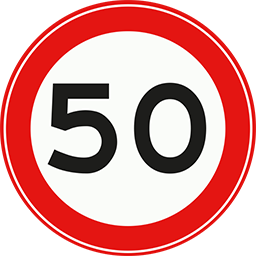
Maximum Speed (A1) Sign: Know Your Limits on Dutch Roads
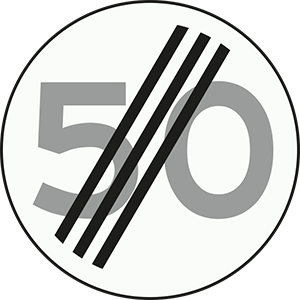
The A2 sign signals the end of a previously posted maximum speed limit.
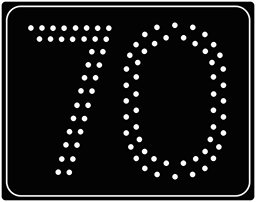
Dynamic Speed Limits: Obey the Electronic Signal Board!
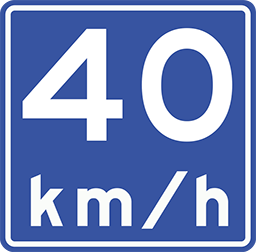
The A4 Recommended Speed sign advises a safe speed for current road conditions.
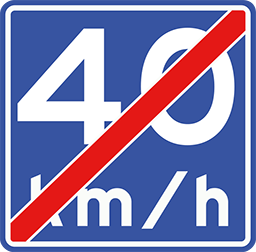
The A5 sign signals the end of the recommended speed, meaning normal rules apply again.
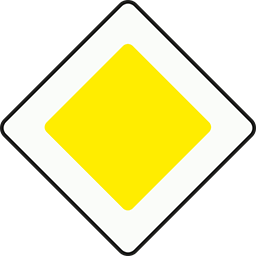
The B1 Priority Road sign means you have the right of way.
Improve your recognition of official Dutch traffic signs by exploring related theory modules and complex priority scenario studies. These linked resources bridge the gap between visual identification and applying traffic rules correctly for your CBR exam.
While your Dutch A licence grants you broad motorcycle riding privileges, there are several legal obligations you must fulfil. This article explores the necessary insurance, registration, helmet, and vehicle condition requirements for A licence holders. Staying informed about these rules ensures you ride legally and safely in the Netherlands and prevents common errors on the theory exam.
When you witness or are involved in a traffic accident in the Netherlands, knowing your legal obligations under the Wegenverkeerswet is paramount. This guide explains precisely what you must do, from immediately securing the scene and activating hazard lights to making an effective emergency call via 112. Understanding these procedures is vital for demonstrating responsible driving behaviour and is a key area assessed in the CBR theory exam.
Master the Default Speed Rules and Ace Your Dutch Driving Theory Exam!
Master modern driver aids for safer journeys and a confident Dutch theory exam.
The H1 sign marks the official boundary of a built-up area and signals a change to an urban driving environment. Inside this zone, the standard speed limit is typically 50 km/h unless other limits are posted, and drivers must give priority to buses leaving signed bus stops. Parking and stopping rules become stricter, pedestrian and cyclist density increases, and you must apply extra care at junctions and crossings.
The G6 sign marks the boundary where a residential erf ends and the road returns to the standard urban regime. Beyond it, the very low walking-pace speed limit and strict pedestrian priority are no longer in force, although normal protection of vulnerable road users remains. Drivers must again follow general speed limits, parking rules, and priority systems for the type of road and area they are entering.
After reviewing the full list of Dutch road signs, deepen your understanding by exploring signs organized by category or practicing with targeted questions. This systematic approach ensures you fully grasp every sign's meaning and application, preparing you thoroughly for your CBR driving theory exam.
View All Dutch Road Signs