The Yield sign (RUS-026) is a crucial regulatory traffic sign in Ireland, legally instructing you to give way to other traffic. You'll encounter this sign, often before junctions or hazardous points, requiring you to reduce speed and be prepared to stop. It's essential to understand its meaning and comply with the instruction to ensure safety and pass your theory test.
Master the meaning of the 'Yield' (RUS-026) regulatory sign, crucial for navigating Irish intersections correctly. Understanding this road sign meaning is vital for your theory test revision and safe driving practice.
This regulatory sign creates a binding road rule at or after the point where it is placed. The sign may be circular, rectangular, or lane-specific depending on whether it gives a mandatory instruction, restriction, prohibition, or traffic-control rule. In theory practice, focus on the exact action required and check whether any supplementary plate limits the rule by time, direction, vehicle type, or distance.
Yield sets a legal instruction, restriction, or prohibition that drivers must obey. It may require a specific movement, ban a manoeuvre, reserve a road space, or set a speed or access rule.
Get clear, practical answers to the most common questions about the RUS-026 - Yield road sign. Learn how the sign works, what rules it represents, and how it affects real driving situations. This FAQ strengthens your understanding and supports accurate decision making for the Irish driving theory exam in Ireland.
The Yield sign (RUS-026) legally requires you to give way to traffic on the main road or other specified directions. It ensures that you do not proceed until it is safe to do so, preventing potential collisions.
Not necessarily. The Yield sign means you must be prepared to stop if necessary. You only need to stop if traffic on the other road or in the direction you must yield to is approaching and would be obstructed by your passage. If the way is clear, you may proceed without stopping.
A common mistake is assuming the Yield sign means you only need to slow down. While slowing down is often part of assessing the situation, the primary instruction is to give way. Learners might also miss a supplementary plate that modifies the rule, or fail to yield to pedestrians or cyclists where applicable.
Yes, the instruction of the Yield sign applies whenever it is displayed. Regulatory signs like RUS-026 create a binding rule that you must obey. There are no exceptions unless a supplementary plate clearly states otherwise, or an authorised person (like a Garda) gives a different instruction.
Giving way means you must let other road users pass before you proceed. This includes vehicles on the road you are joining or crossing, and sometimes pedestrians or cyclists if they have priority. You must adjust your speed, and be ready to stop if they are close enough to pose a hazard.
A clear reference image of the RUS-026 - Yield road sign used in Ireland.
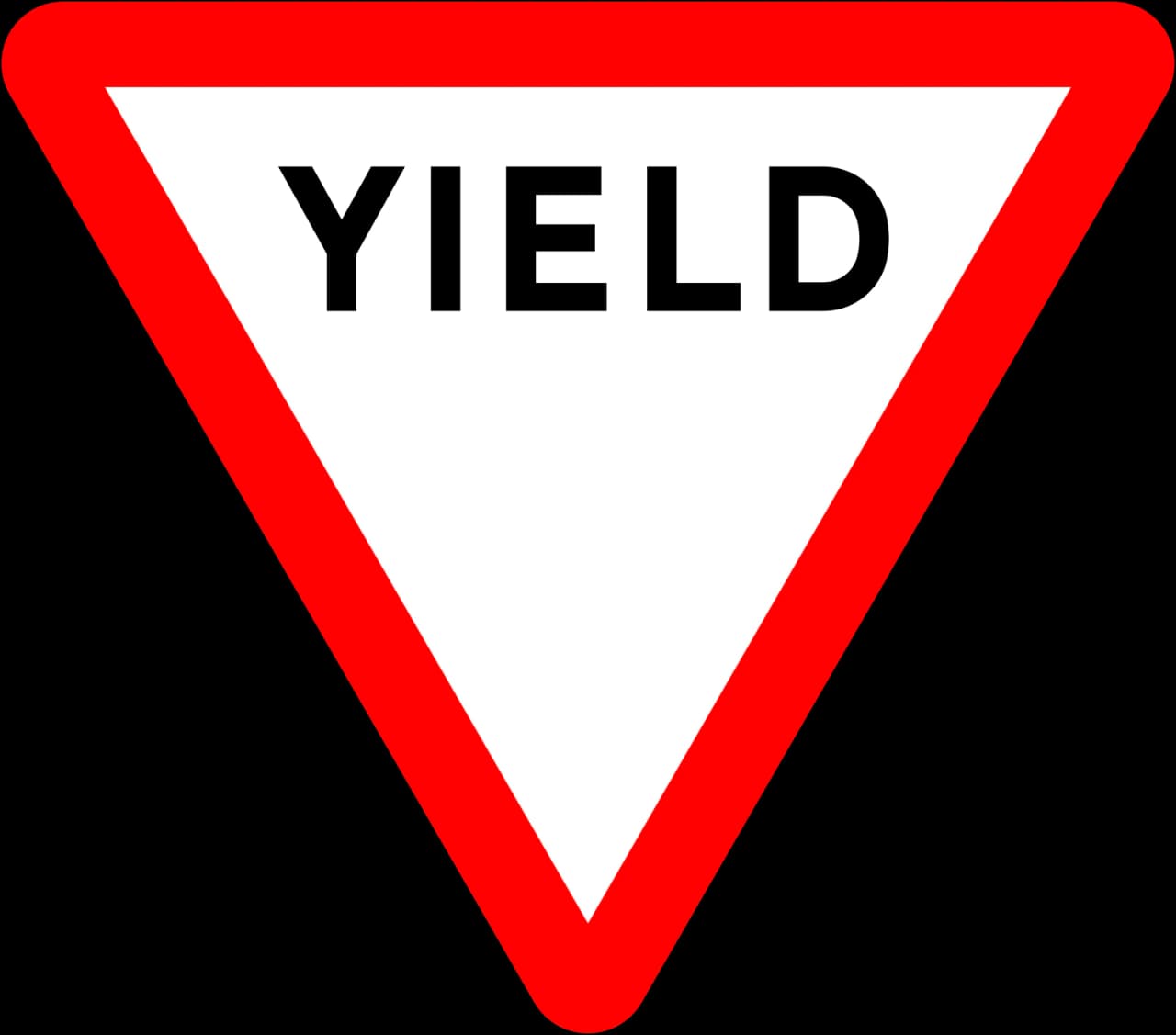
The RUS-026 - Yield road sign may also be known by these alternative names or terms.
The RUS-026 - Yield road sign is part of the Regulatory Signs category, which groups together signs with similar rules and functions.
Mastering similar road signs is crucial for the Irish Driver Theory Test. Comparing signs like 'Yield' with other regulatory instructions helps build strong recognition patterns, reducing errors during your exam preparation.
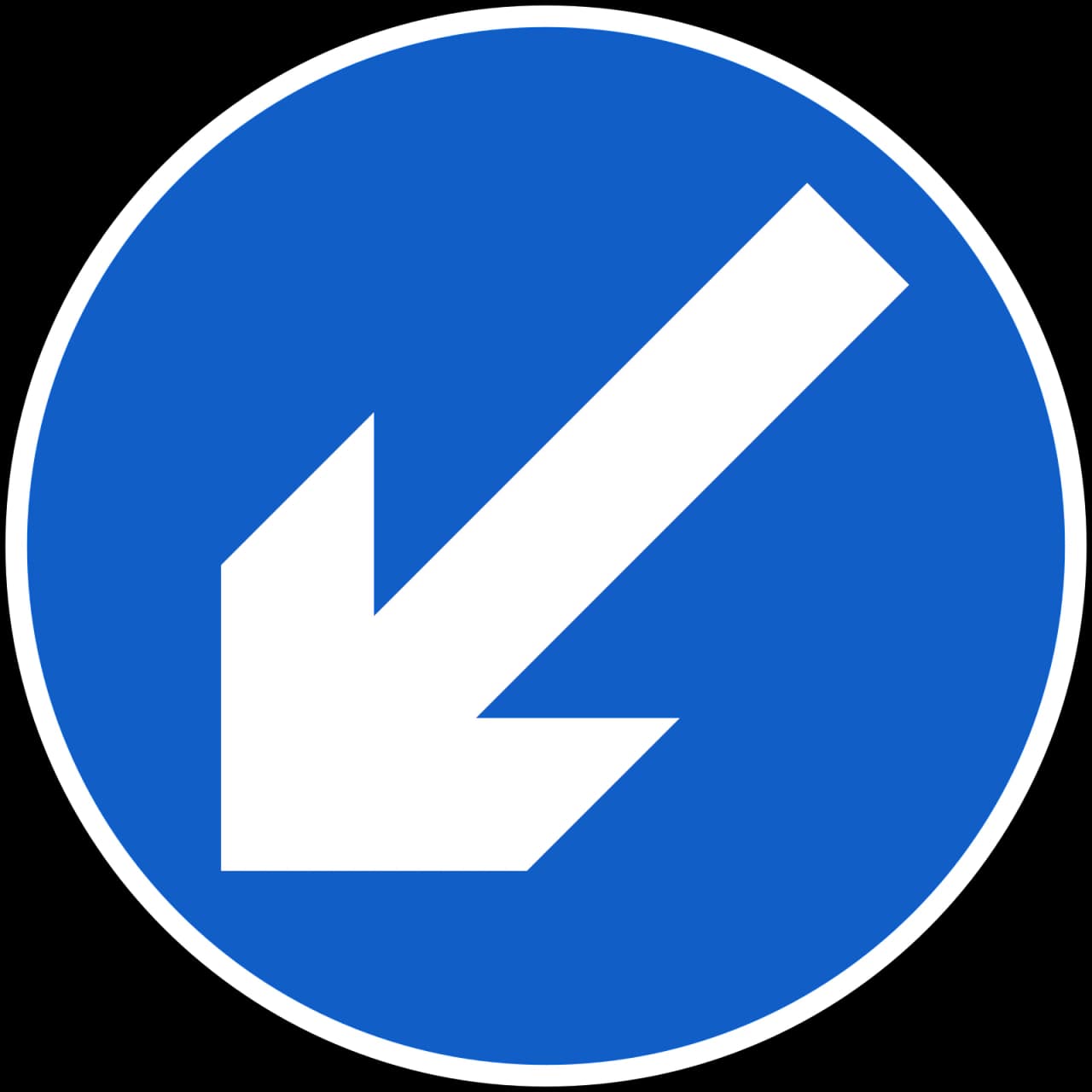
What the 'Keep Left' RUS-001 Regulatory Sign Means for Your Drive
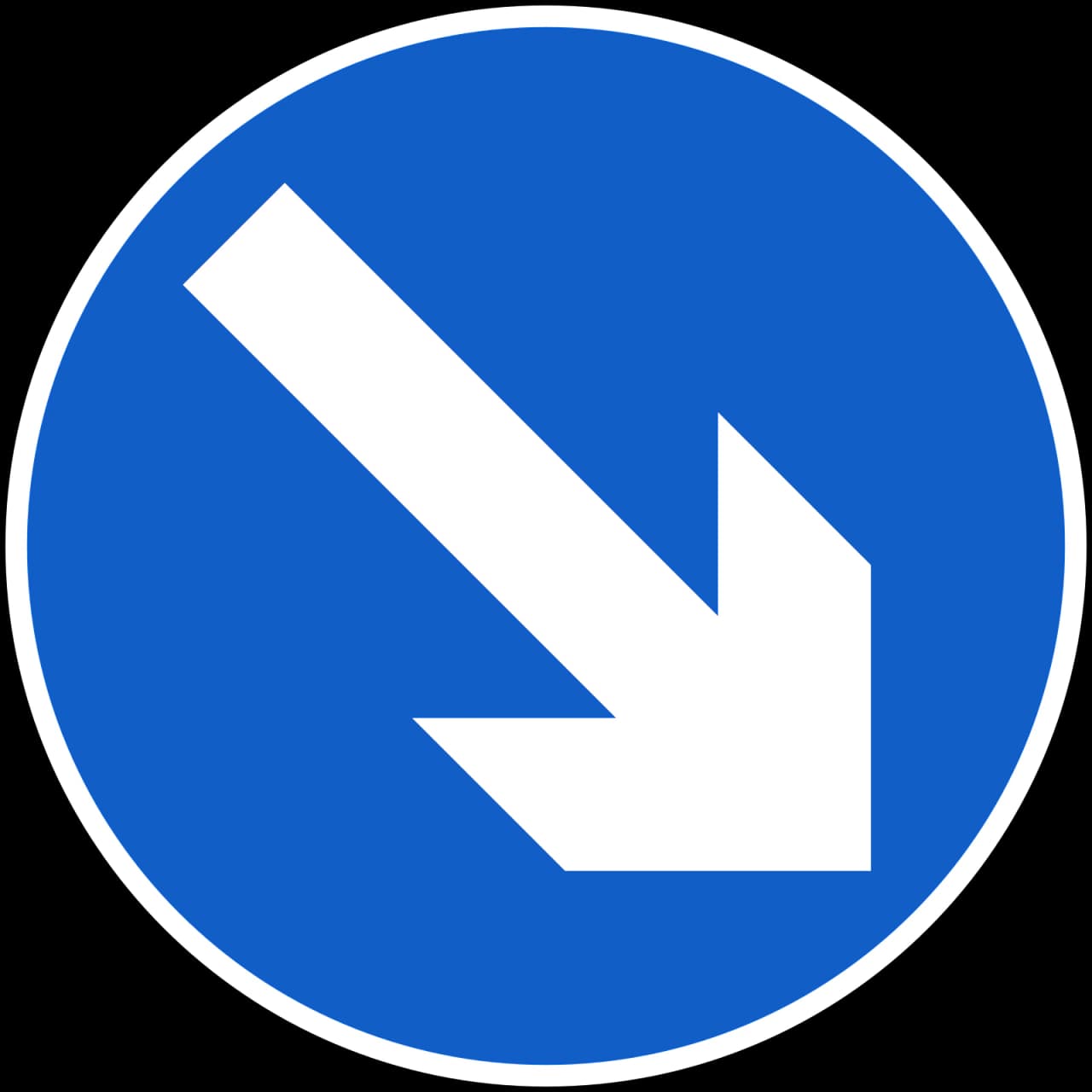
Understand the 'Keep Right' Regulatory Sign (RUS-002) in Ireland
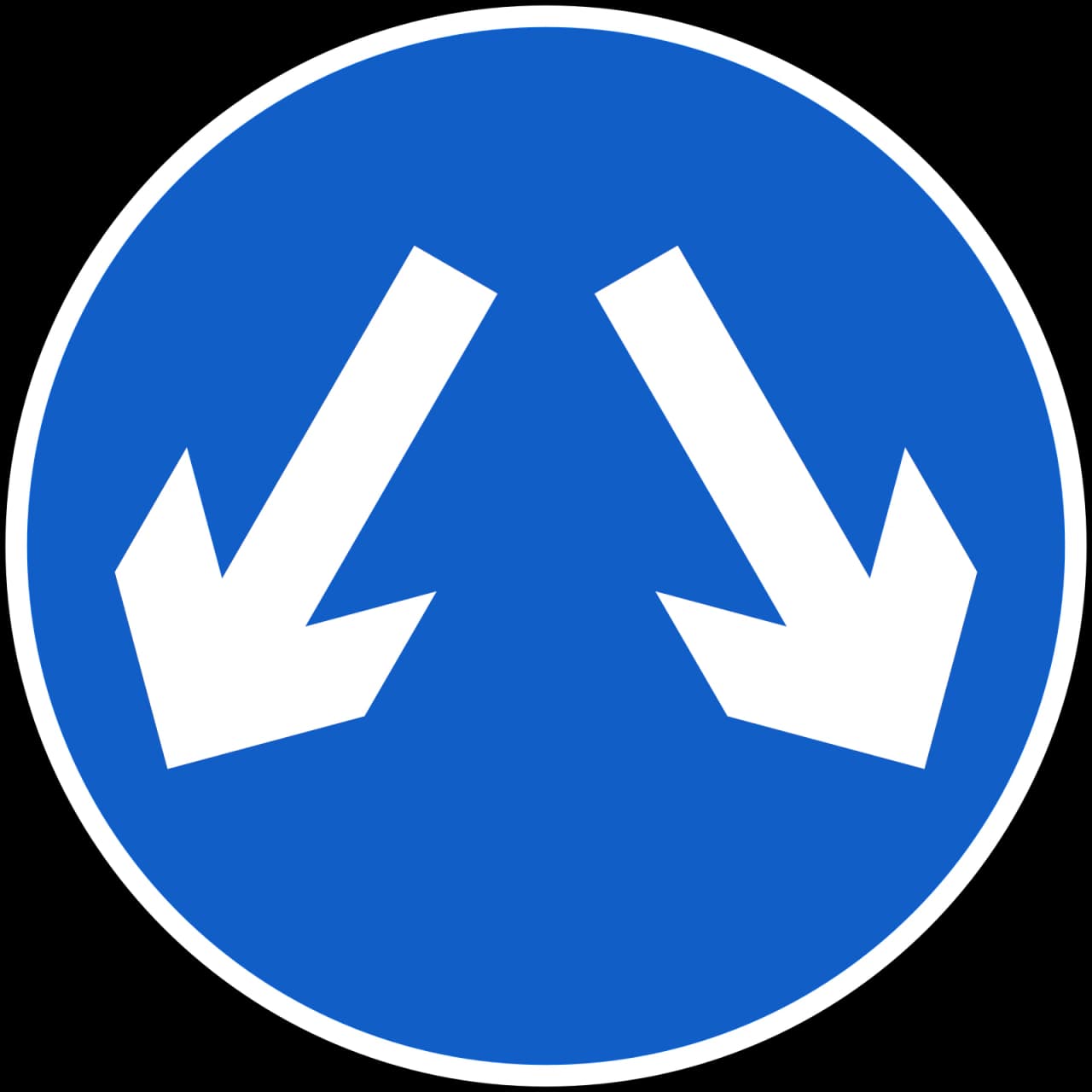
The 'Pass Either Side' sign means you can pass the obstruction or traffic island from either the left or the right.
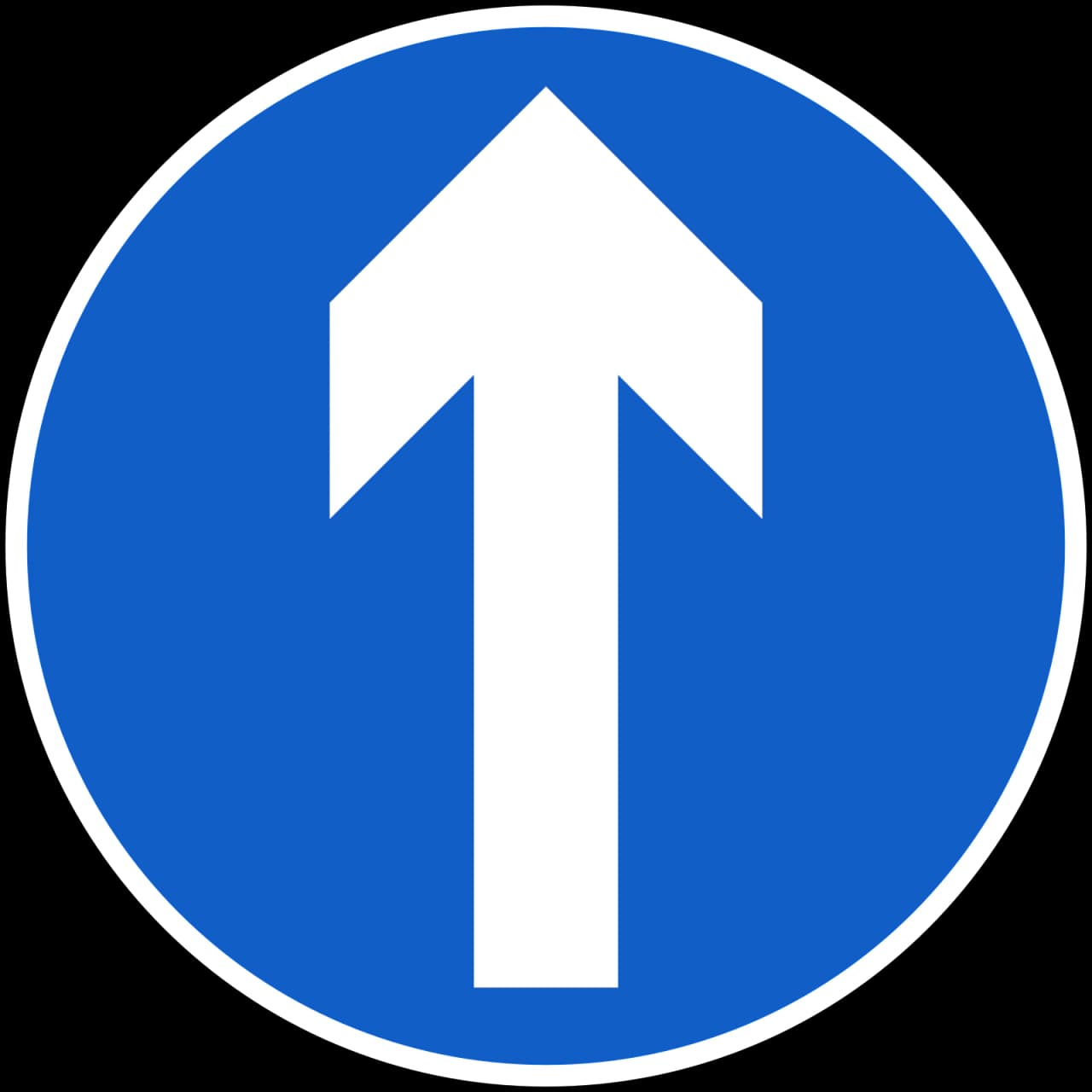
Obey the 'Keep Straight Ahead' Regulatory Sign (RUS-004) for Mandatory Direction
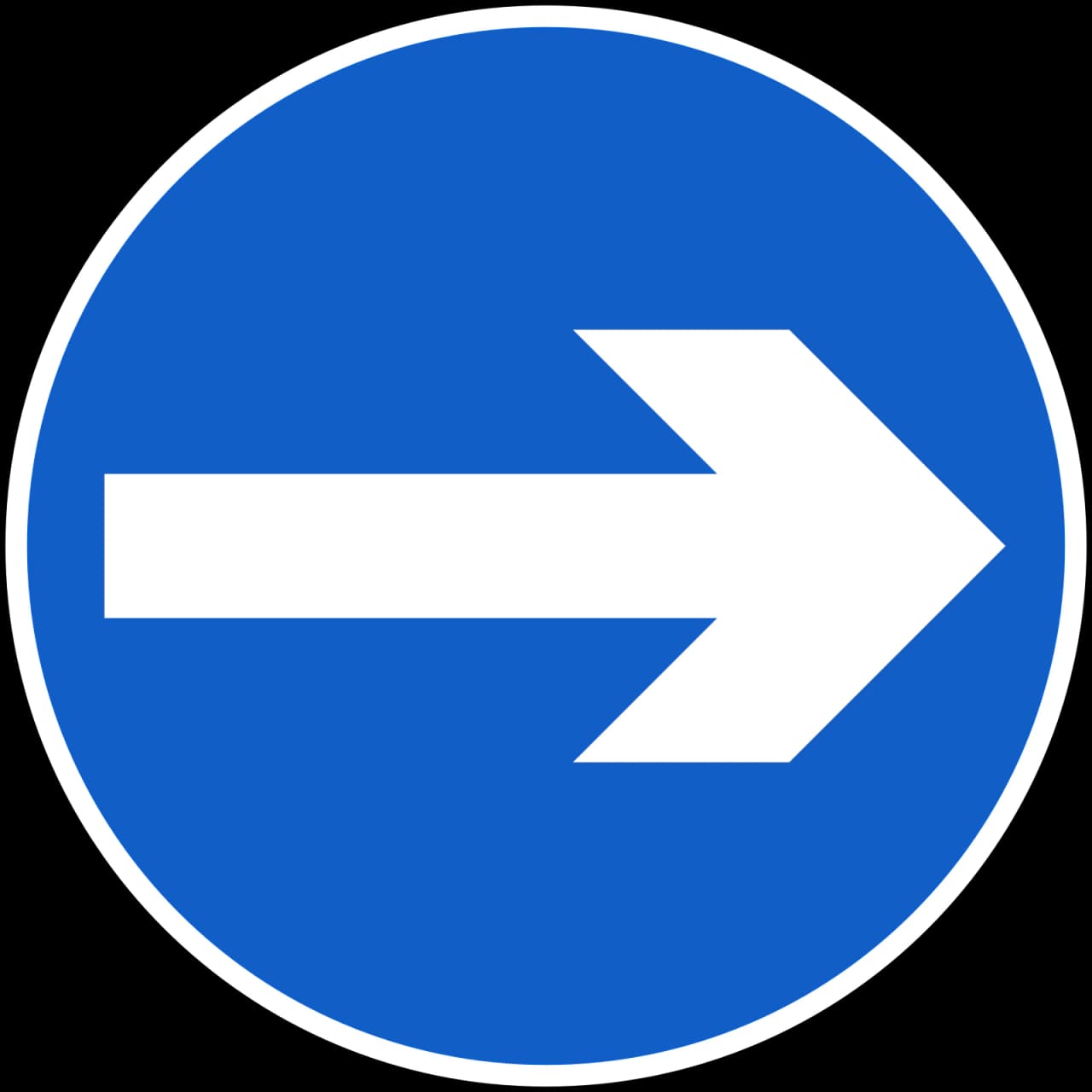
The 'Turn Right' sign (RUS-005) is a mandatory regulatory sign giving a direct instruction.
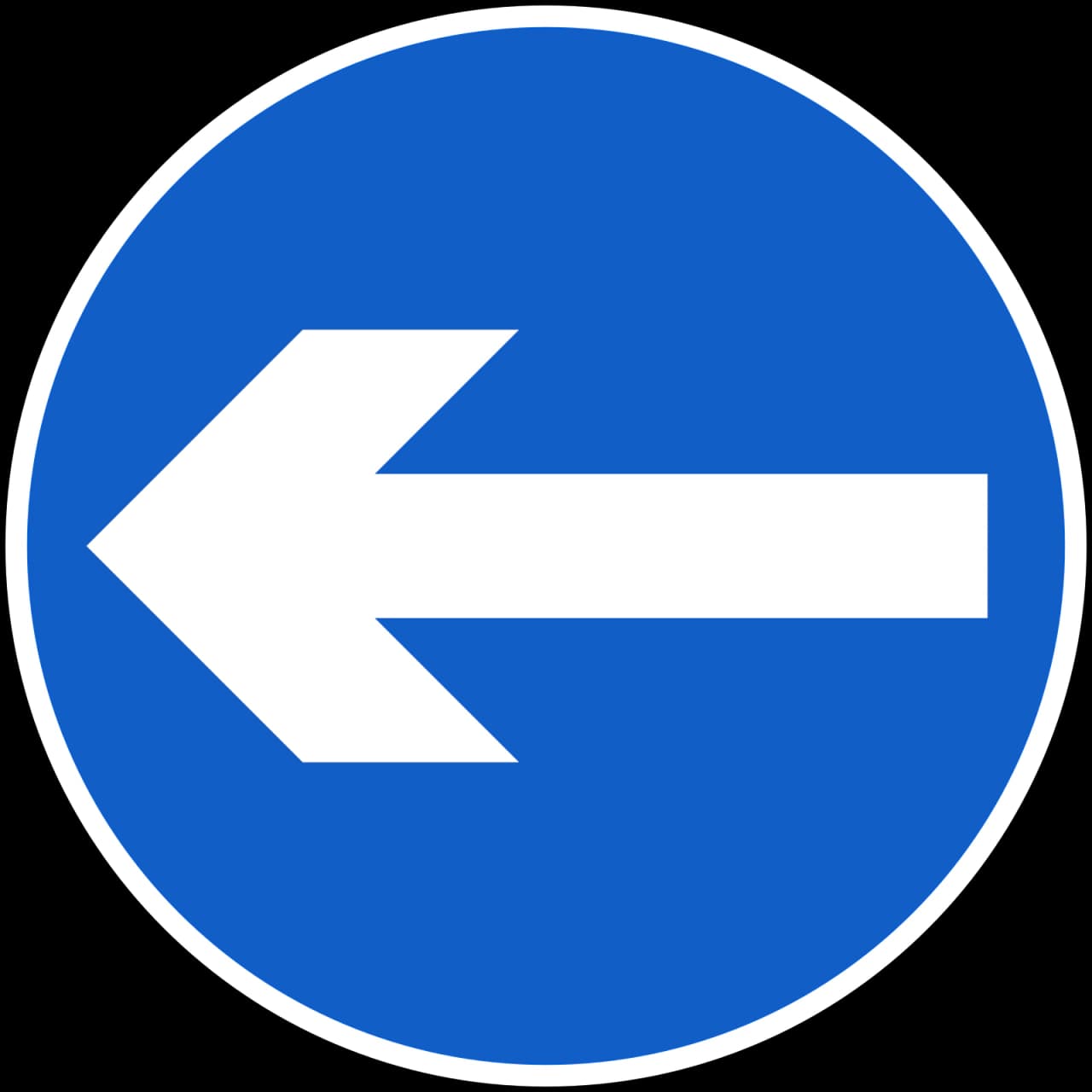
Understand the 'Turn Left' Regulatory Sign (RUS-006) for Mandatory Directions
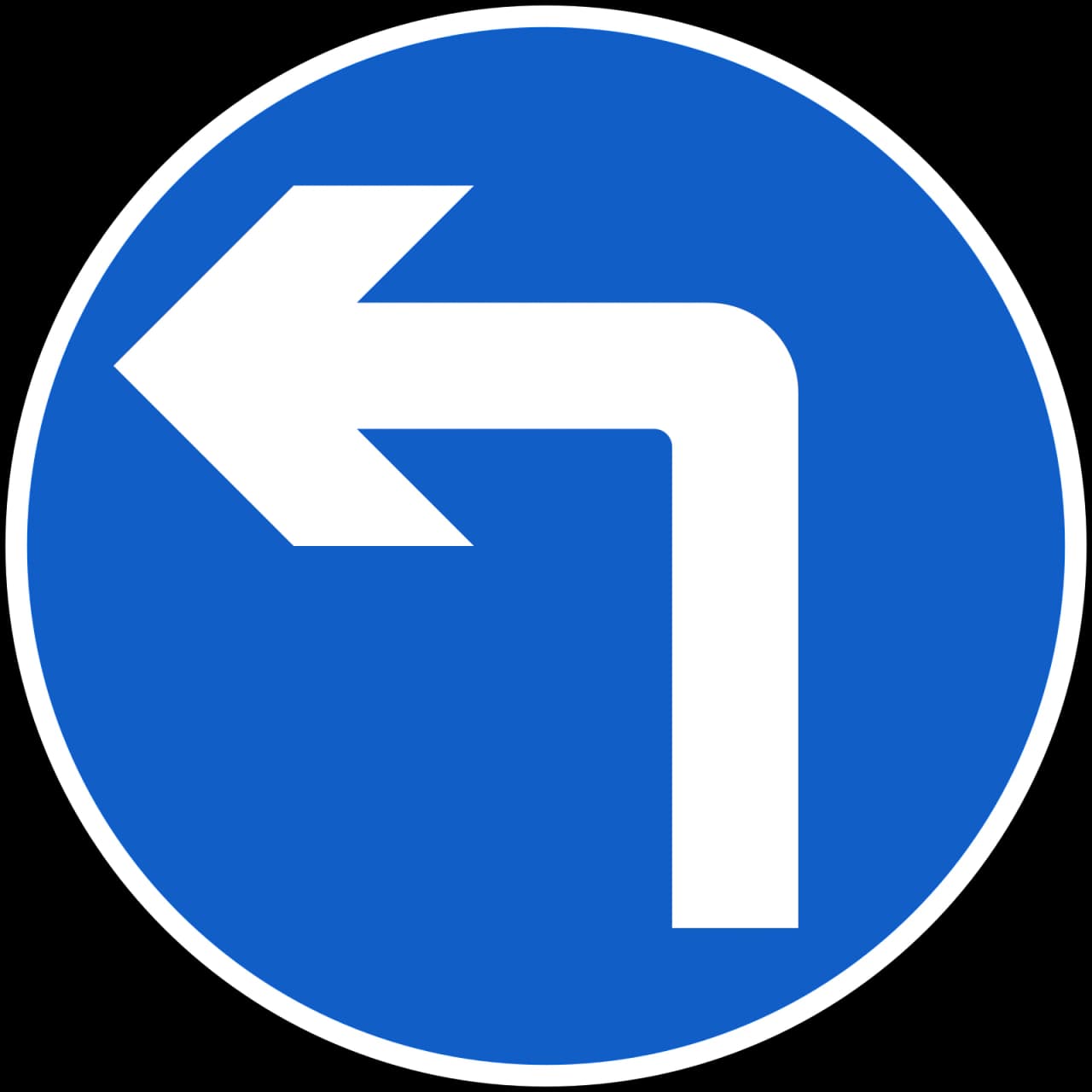
The RUS-007 'Turn Left Ahead' sign is a mandatory regulatory instruction.
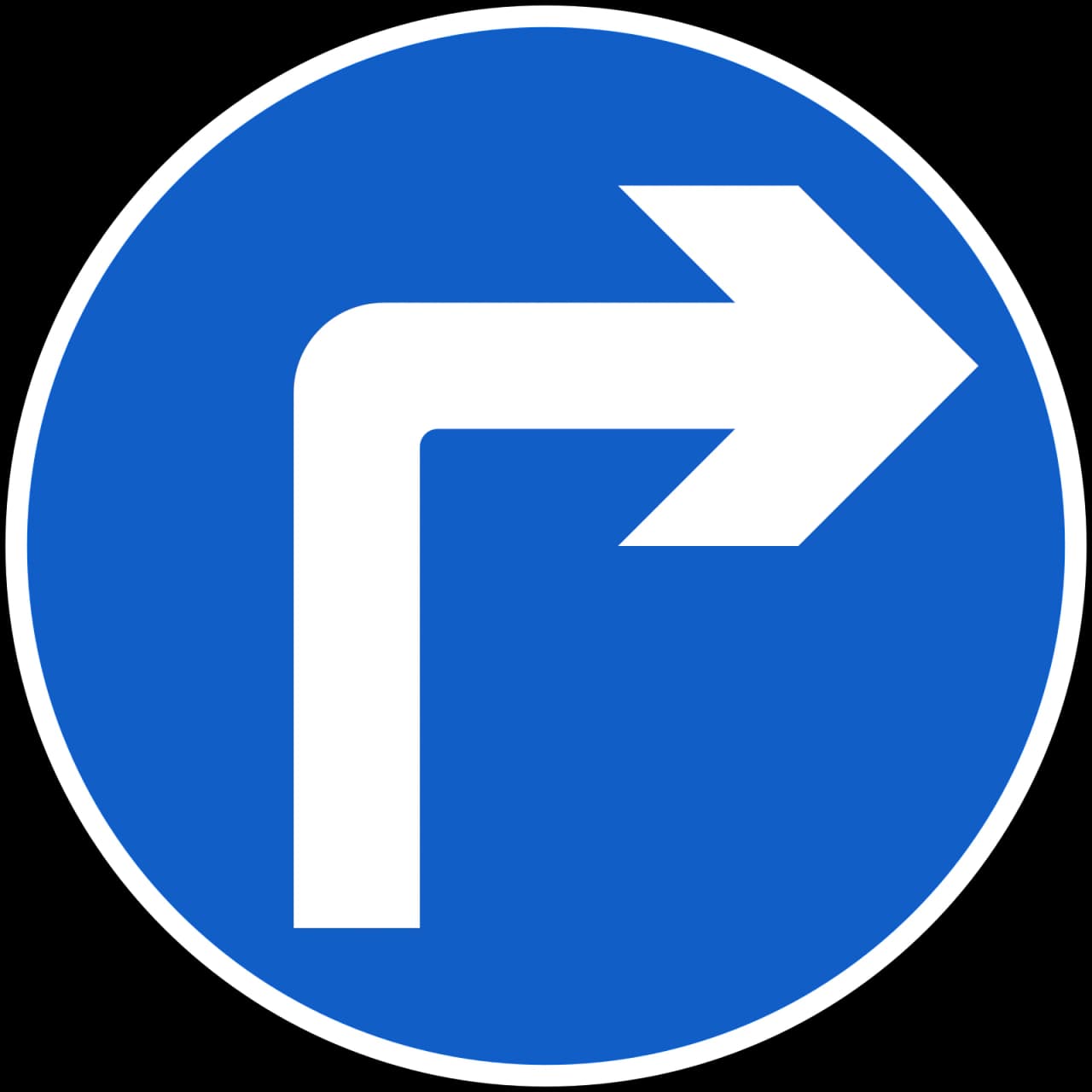
obey the 'Turn Right Ahead' regulatory sign in Ireland
After reviewing all Irish road signs, strengthen your knowledge further by exploring specific categories or taking dedicated practice questions. This targeted approach helps solidify your recognition and recall skills, ensuring you are fully prepared for the visual sections of your Driver Theory Test.
All Irish Road Signs List