Explore the core Irish driving theory topics necessary for passing your official Driver Theory Test. This comprehensive hub provides in-depth explanations of the Rules of the Road, critical traffic laws, essential road signs, and safe driving practices specific to Ireland. Gain clarity on all key concepts, from priority rules to hazard awareness, ensuring you are fully prepared for your learner permit exam.

Easily find and study specific driving theory topics relevant to the Irish Driver Theory Test. Whether you need to clarify specific traffic rules or prepare for theory-test questions, our comprehensive set of subjects ensures you have the structured learning materials for success.
Filter by category
50 theory topics found
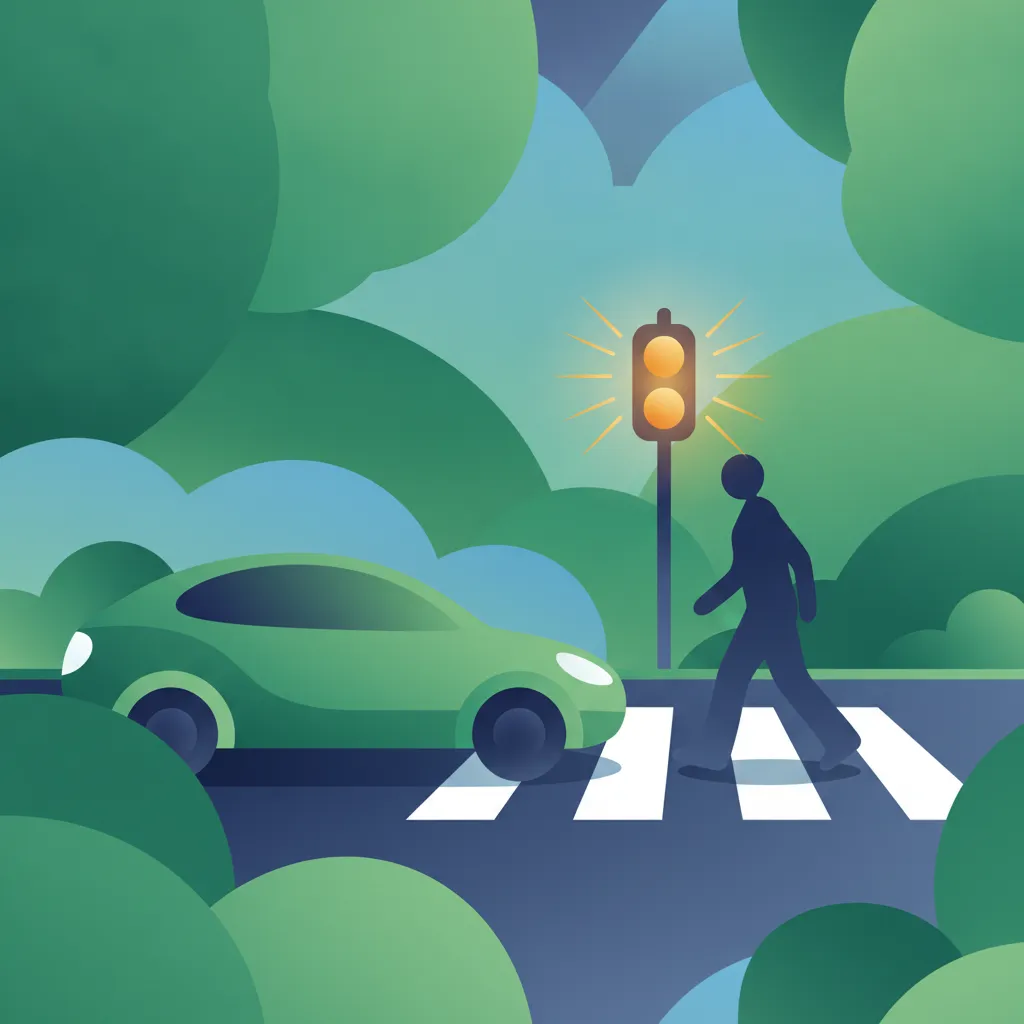
In Ireland, drivers have a significant responsibility to protect pedestrians, who are among the most vulnerable road users. This page details the specific situations where pedestrians have priority, requiring drivers to slow down, be prepared to stop, and yield. Familiarising yourself with these rules, as stipulated in the RSA's Rules of the Road, is essential for safe driving and passing your theory test.
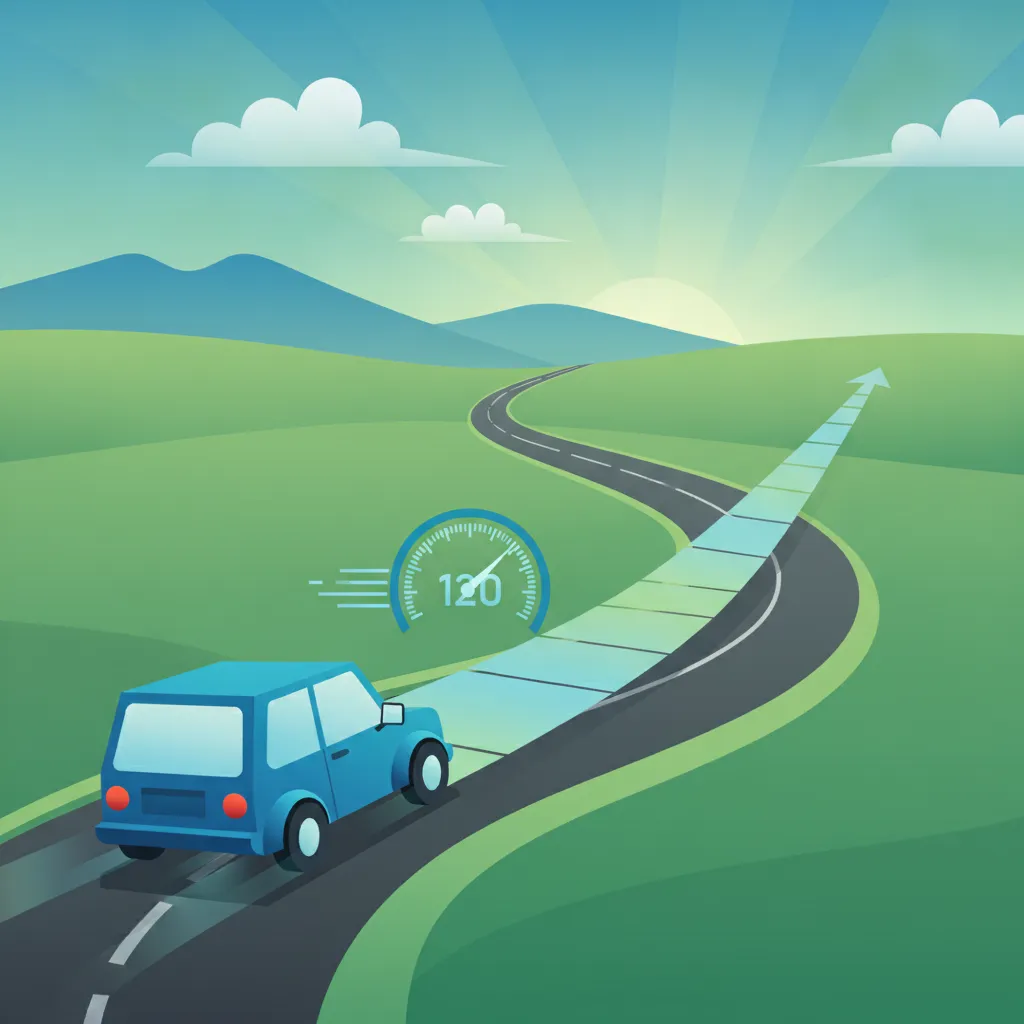
Stopping distance is the total distance your vehicle travels from the moment you identify a hazard until you come to a complete stop. This critical safety concept is comprised of two parts: reaction distance and braking distance. Understanding how speed affects each component is fundamental for safe driving and passing the Irish Driver Theory Test, as higher speeds drastically reduce your ability to react and stop in time.
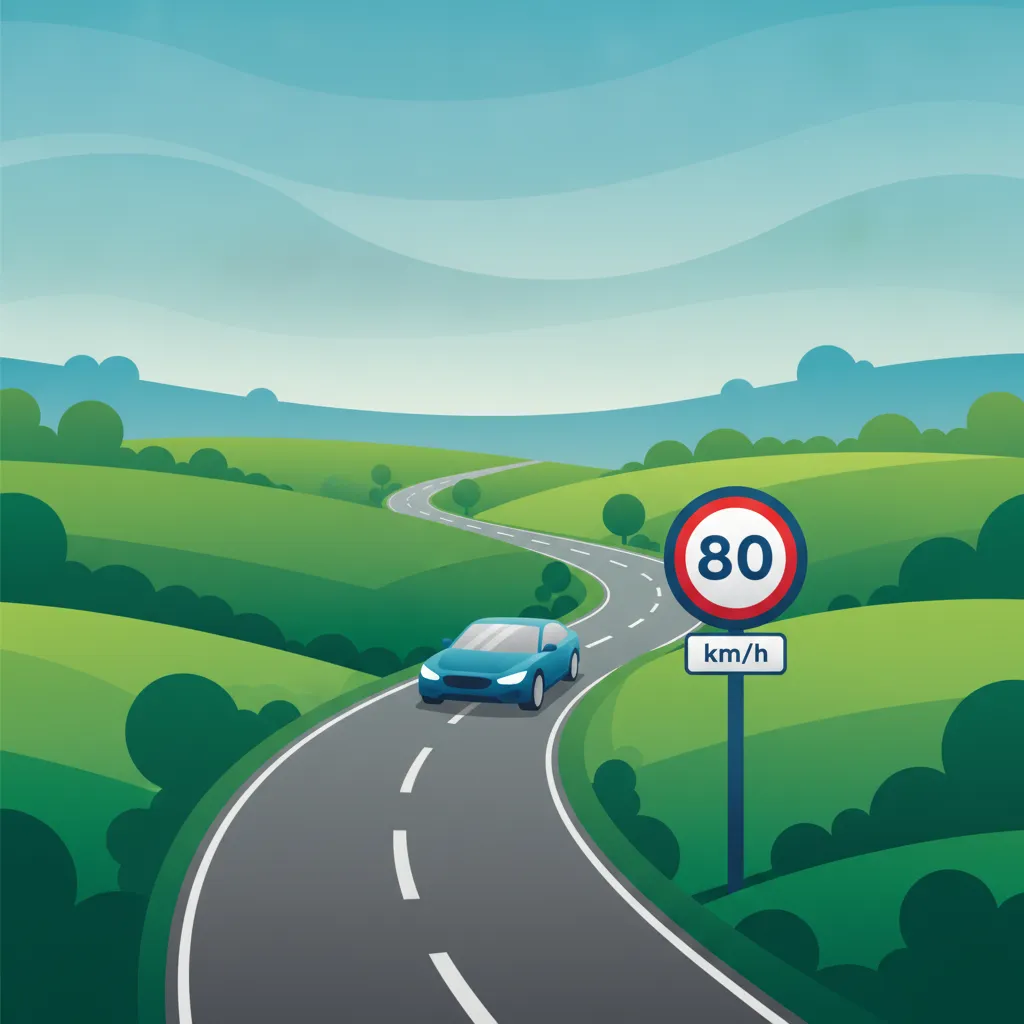
Speed limits are fundamental traffic regulations designed to balance traffic efficiency with road safety across Ireland. While they specify the maximum legal speed a vehicle may travel, the Road Safety Authority (RSA) emphasizes that drivers must always adjust their speed according to actual road conditions, traffic, and visibility, regardless of the posted limit. This page clarifies these distinctions and their importance.
Alcohol severely affects the central nervous system, impairing essential skills needed for safe driving. Even small amounts can reduce your ability to react to hazards, make sound judgments, and control your vehicle effectively. This page outlines the key ways alcohol compromises your fitness to drive and its consequences.
Driving demands your full attention, yet mobile phone use can create dangerous visual, manual, and cognitive distractions. In Ireland, the law is clear and strict: operating a vehicle while using a hand-held mobile phone or texting is a serious offence that carries significant penalties and jeopardises road safety for everyone.
In Ireland, drivers must understand and respect pedestrian crossings, whether they are marked Zebra crossings or informal courtesy crossings. These designated areas require drivers to exercise extra caution, reduce speed, and be prepared to stop. The primary goal is to ensure the safety of pedestrians who have priority or are preparing to cross the road.
Traffic lights are crucial for managing vehicle and pedestrian flow at intersections, preventing collisions, and maintaining order on Irish roads. This page details the specific meaning of each signal – red, amber, and green – along with variations like flashing amber arrows, guiding you on the correct actions to take for safe and lawful driving according to the Irish Rules of the Road.

Vehicle lights are fundamental for road safety, allowing you to illuminate the road ahead and making your vehicle visible to others. In Ireland, the proper use of headlights and other lighting systems is governed by the Road Safety Authority's Rules of the Road, with specific requirements for different conditions. This page covers when to switch on your lights, the functions of various light types, and how to maintain optimal visibility for safe driving.
Seat belts are one of the most effective safety features in any vehicle, drastically reducing the risk of injury or fatality in an accident. In Ireland, specific laws govern their use for all occupants, with strict penalties for non-compliance. This page clarifies these rules, emphasizing the driver's critical role in ensuring passenger safety, especially for those under 17.
Mirror checks are a vital observation technique that allows drivers to monitor traffic behind and beside their vehicle. In Ireland, the Road Safety Authority (RSA) emphasizes consistent and timely mirror use to maintain situational awareness, anticipate potential hazards, and prevent collisions. This page will guide you through when and how to effectively use your vehicle's mirrors for safe driving on Irish roads.
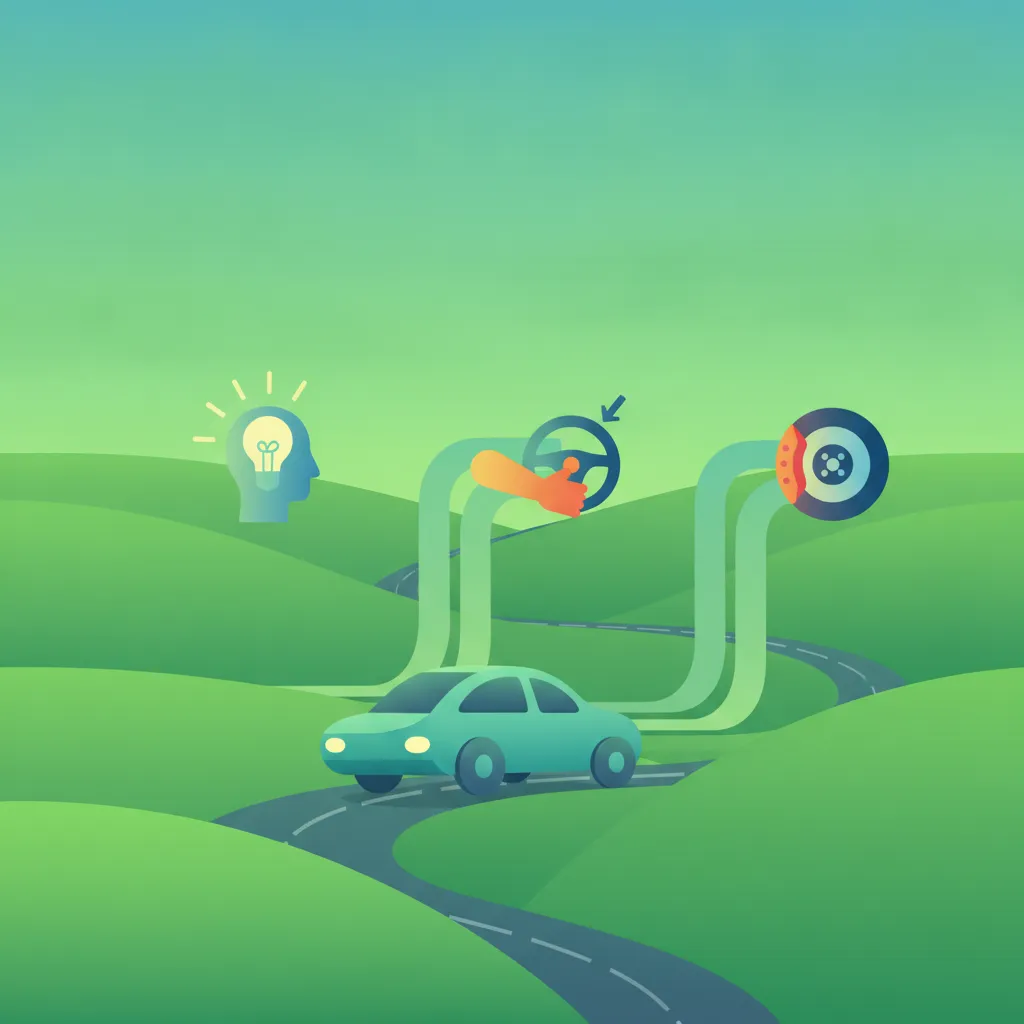
Stopping distance is the total ground your vehicle covers from the moment you identify a hazard until you come to a complete stop. In Ireland, the Road Safety Authority (RSA) emphasises understanding its two main parts: reaction distance and braking distance. Being aware of the factors that influence these distances is vital for road safety and passing your driving theory test.
The Stop sign is a critical regulatory sign in Irish road traffic, designed to prevent accidents at junctions with limited visibility or high traffic flow. Recognisable by its distinctive red octagonal shape, it signals a non-negotiable requirement for drivers to come to a complete stop. This page outlines the specific actions you must take when encountering a Stop sign and its importance for both your Driver Theory Test and real-world safety.

Roads in Ireland are shared spaces used by many different types of individuals and vehicles. As a driver, you must be aware of and adapt your behaviour for everyone, including pedestrians, cyclists, motorcyclists, and large commercial vehicles. Each group has unique characteristics and vulnerabilities, requiring specific consideration from drivers to ensure everyone's safety, as outlined in the RSA's Rules of the Road.
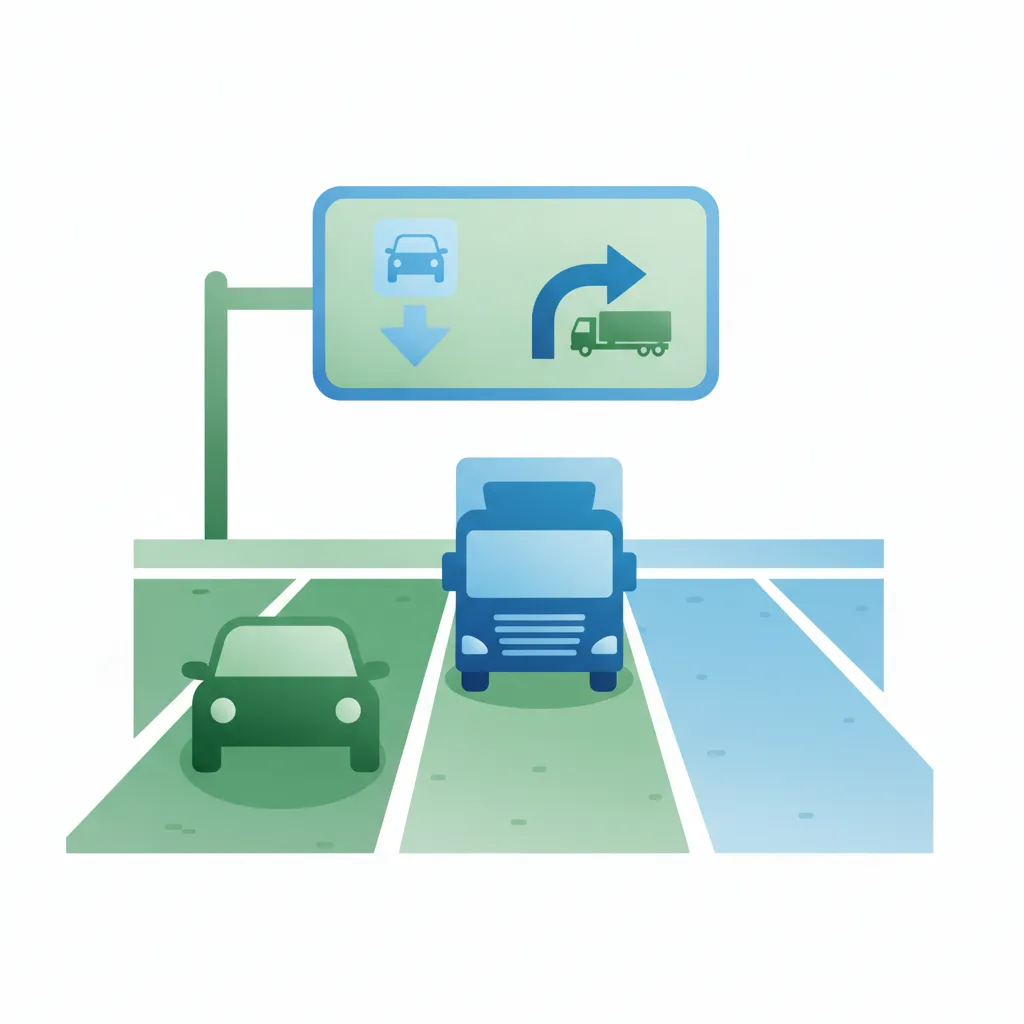
Motorways in Ireland are designed for high-speed traffic, and efficient, safe movement depends heavily on correct lane usage. This guide explains the fundamental 'keep left unless overtaking' principle, the purpose of each lane, and important restrictions that apply to certain vehicles, ensuring you drive safely and comply with RSA regulations.
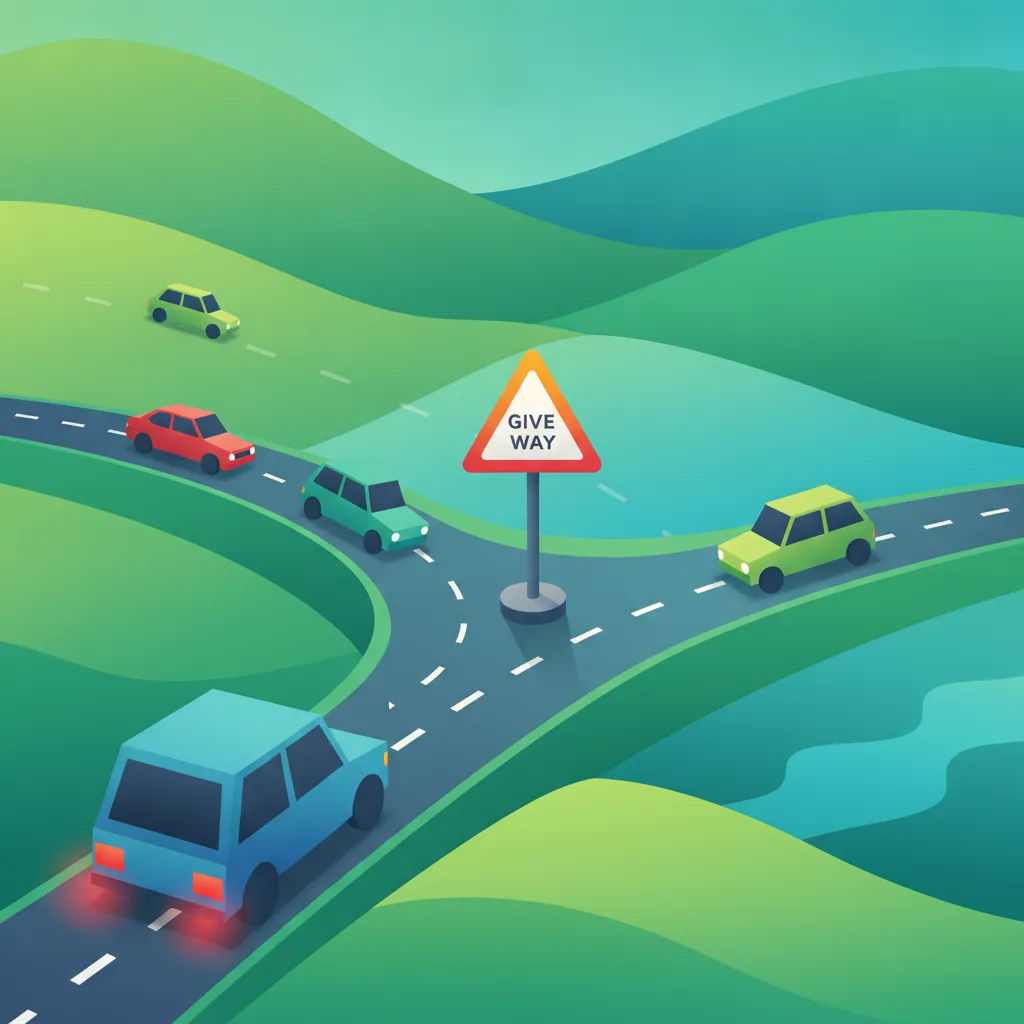
The Give Way sign (also known as a Yield sign or 'Géill Slí' in Ireland) indicates that you must give priority to traffic on the road you are joining or crossing. Unlike a Stop sign, you don't always have to come to a complete halt, but you must be prepared to stop and only proceed when it is safe and clear to do so, ensuring you do not cause other vehicles to slow down or change direction.
Warning signs are vital for safe driving in Ireland, informing you about potential dangers or changes in road conditions ahead. Unlike regulatory or informational signs, their primary role is to prompt caution and give you time to react. This guide explains the unique format of Irish warning signs, their various types, and how they apply to the RSA Rules of the Road.
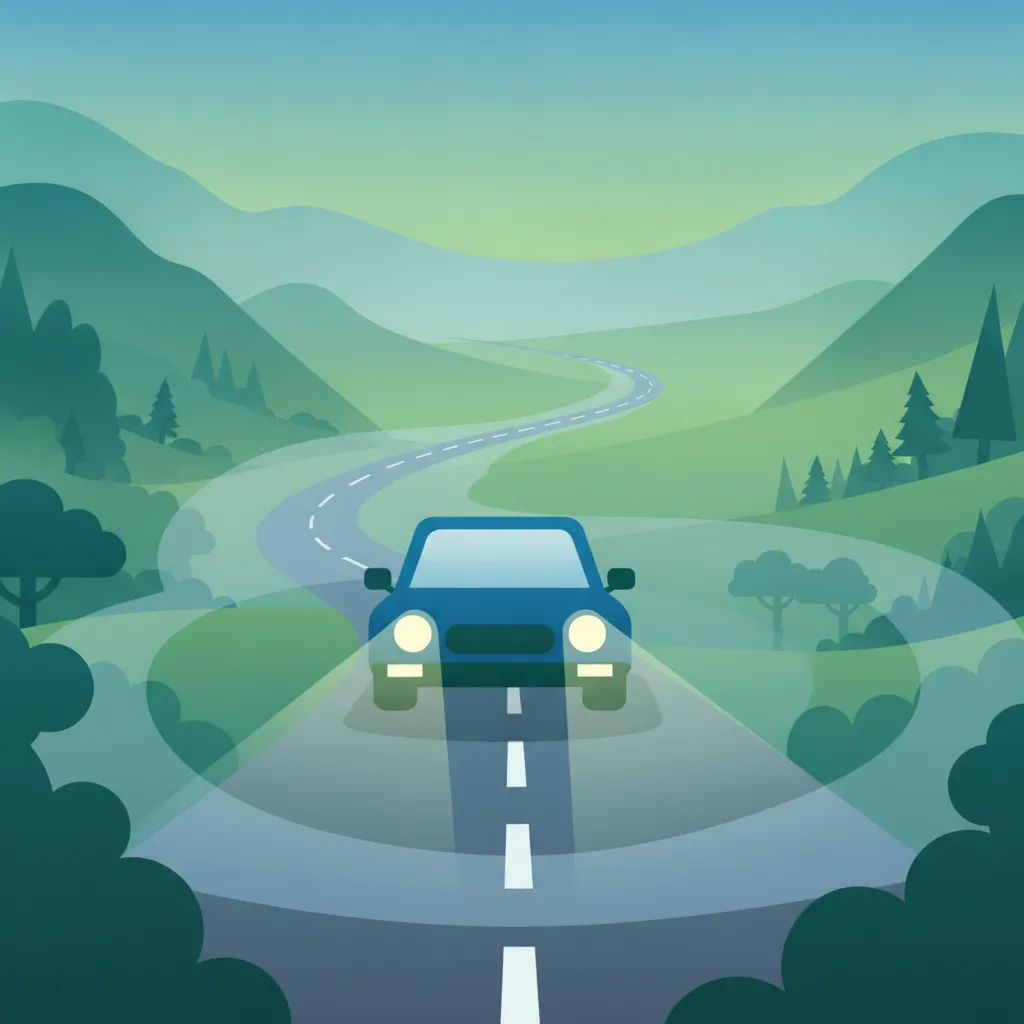
When fog descends on Irish roads, your ability to see and be seen plummets, demanding immediate changes to your driving behaviour. This page outlines the essential rules and safety measures, as advised by the RSA's 'Rules of the Road', focusing on how to adjust your speed, use appropriate lighting, and maintain safe distances to navigate through fog safely.
When roads are covered in snow or ice, the friction between your tires and the surface is significantly reduced. This loss of traction makes it much harder to control your vehicle during acceleration, braking, and steering. Understanding these dangers and adapting your driving style is crucial for safety and for passing your Irish Driver Theory Test.
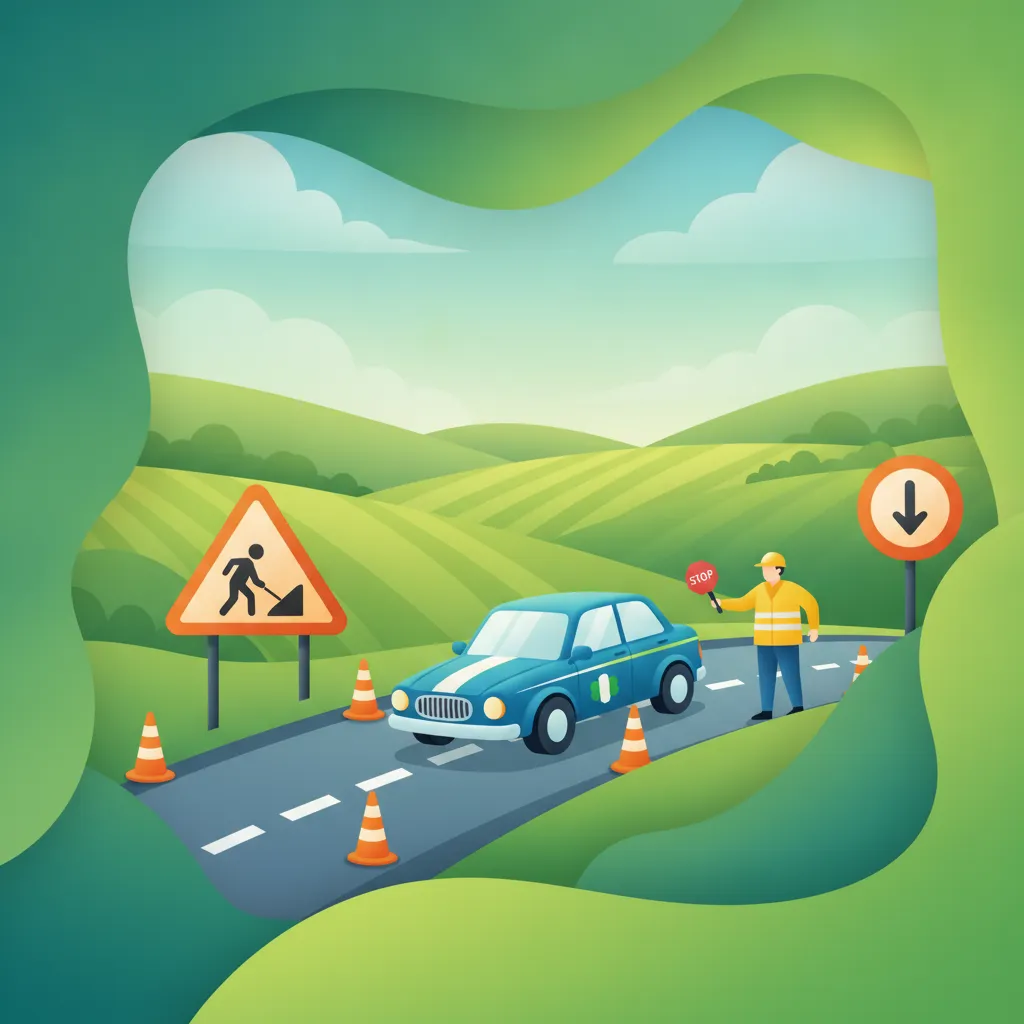
Road work zones, often marked by temporary orange signs, indicate areas where construction or maintenance is ongoing. These zones introduce new risks like altered lane layouts, uneven surfaces, and the presence of personnel and machinery. Drivers must anticipate changes, reduce speed, and always be prepared to react quickly to ensure safety for everyone on Irish roads.
Slippery roads occur when the friction between your tires and the road surface is significantly reduced, making it harder to control your vehicle. This can be caused by various factors, including ice, snow, heavy rain, oil spills, or loose materials like gravel. Mastering how to drive effectively in these conditions is a core part of being a safe driver in Ireland.
Page 1 of 3
Dive into our collection of educational articles and comprehensive guides on Irish driving theory. Learn about RSA regulations, understand road signs, and get detailed explanations on safe driving practices. Begin your journey to a deeper understanding and better Driver Theory Test preparation today.
Explore Irish Theory Articles